Bastei things to do, attractions, restaurants, events info and trip planning
Basic Info
Bastei
01824 Lohmen, Germany
4.8(2.3K)
Save
spot
spot
Ratings & Description
Info
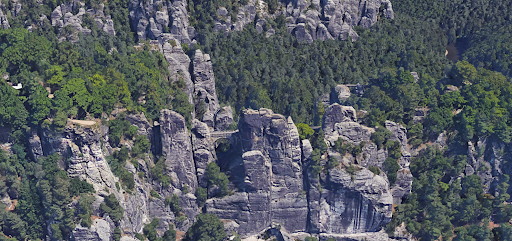
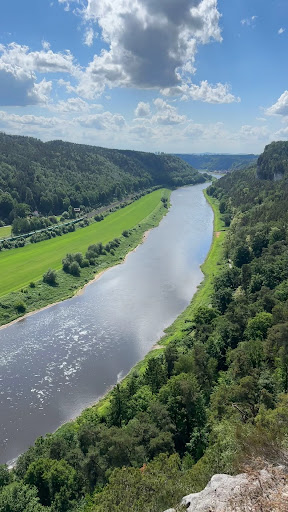
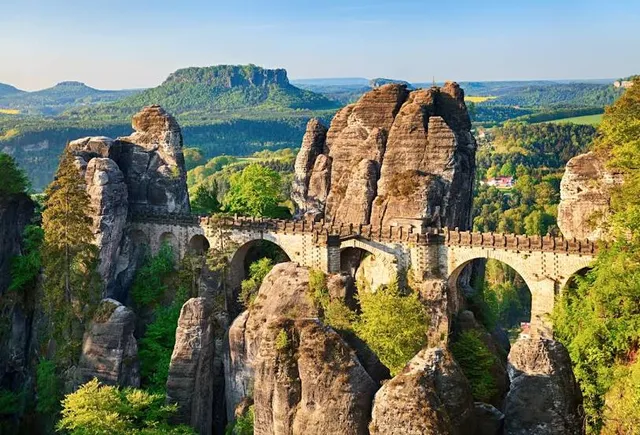
The Bastei is a rock formation rising 194 metres above the Elbe River in the Elbe Sandstone Mountains of Germany. Reaching a height of 305 metres above sea level, the jagged rocks of the Bastei were formed by water erosion over one million years ago.
Outdoor
Adventure
Family friendly
attractions: The BASTEI Bridge, Basteiaussicht, Neurathen Castle, Talwächter, Amselsee, Sächsische Schweiz National Park, Schwedenlöcher, restaurants: Panoramarestaurant Bastei, Cafe am Hirschgrund, Bäckerei & Eiscafé Hübner, Hotel & Restaurant Amselgrundschlösschen, Panorama-Bistro & Biergarten im Rathener Hof, Eiscafé Basteiblick, Siegert's Imbiss, Sonniges Eck, Imbiss, Pension & Gaststube Panorama, local businesses:
 Learn more insights from Wanderboat AI.
Plan your stay

Pet-friendly Hotels in Lohmen/Stadt Wehlen
Find a cozy hotel nearby and make it a full experience.

Affordable Hotels in Lohmen/Stadt Wehlen
Find a cozy hotel nearby and make it a full experience.

The Coolest Hotels You Haven't Heard Of (Yet)
Find a cozy hotel nearby and make it a full experience.

Trending Stays Worth the Hype in Lohmen/Stadt Wehlen
Find a cozy hotel nearby and make it a full experience.
Reviews
Live events

Candlelight: Queen meets ABBA
Thu, Feb 26 • 8:30 PM
Tzschirnerpl. 3-5, Dresden, Germany, 01067
View details
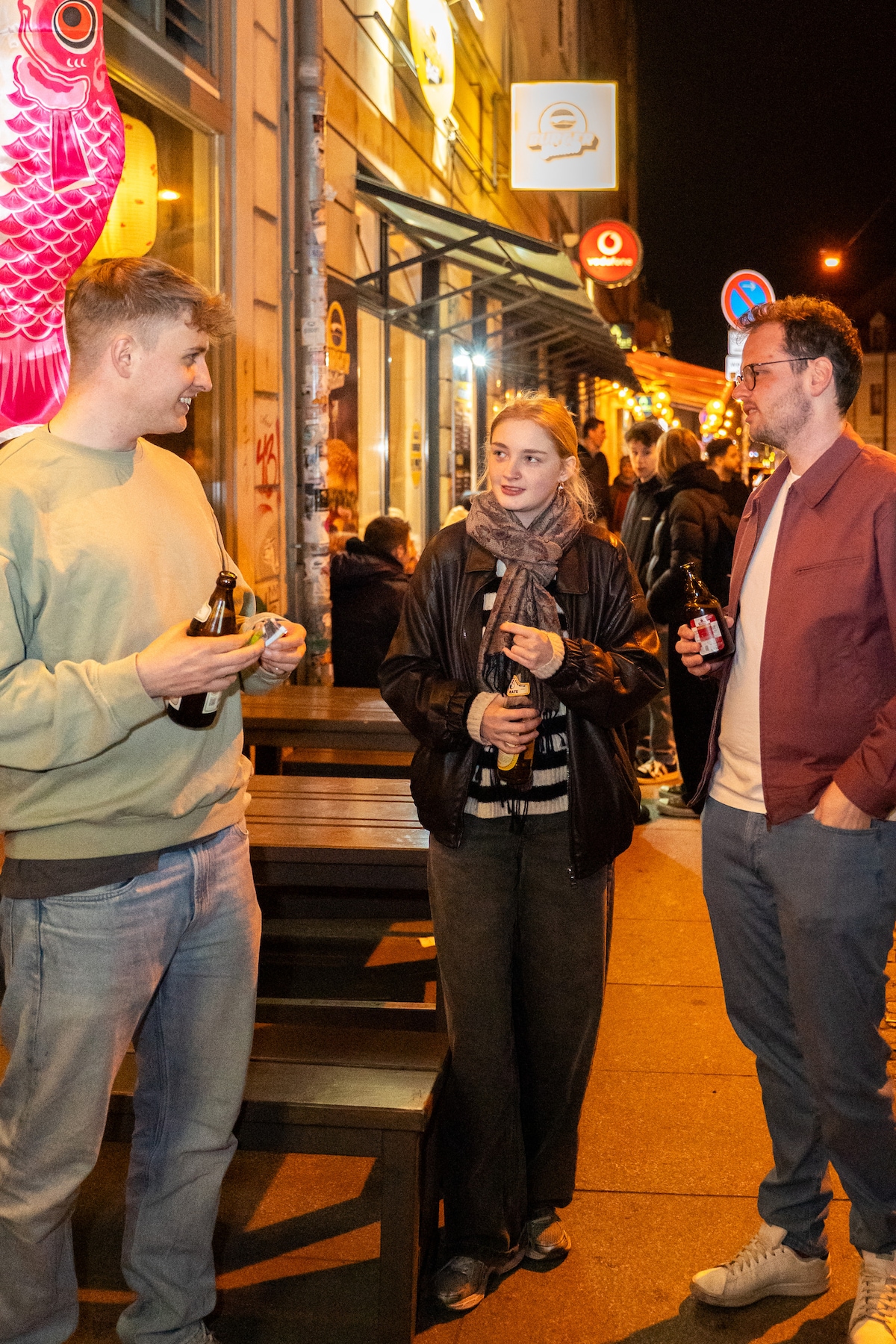
Discover the hot spots of the new town
Thu, Feb 26 • 7:30 PM
01097, Dresden, Germany
View details

Candlelight: Coldplay meets Imagine Dragons
Sat, Feb 21 • 8:30 PM
Bautzner Straße 130, Dresden-Loschwitz, 01099
View details
Nearby attractions of Bastei
The BASTEI Bridge
Basteiaussicht
Neurathen Castle
Talwächter
Amselsee
Sächsische Schweiz National Park
Schwedenlöcher
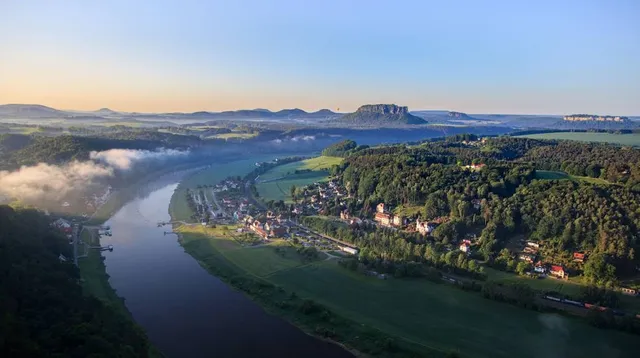
The BASTEI Bridge
4.8
(9.1K)
Open until 12:00 AM
Click for details
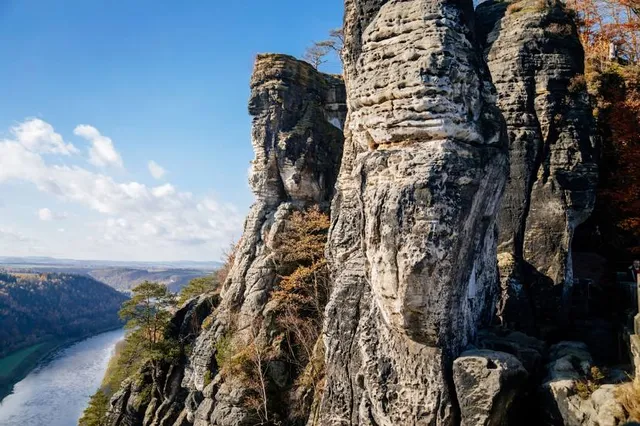
Basteiaussicht
4.8
(741)
Open until 12:00 AM
Click for details
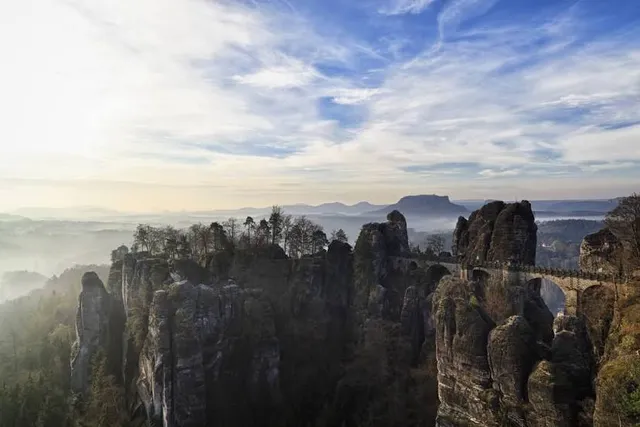
Neurathen Castle
4.7
(591)
Open 24 hours
Click for details
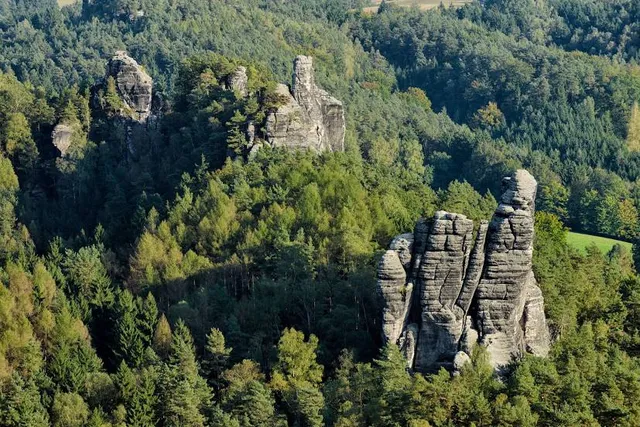
Talwächter
4.7
(136)
Open until 12:00 AM
Click for details
Nearby restaurants of Bastei
Panoramarestaurant Bastei
Cafe am Hirschgrund
Bäckerei & Eiscafé Hübner
Hotel & Restaurant Amselgrundschlösschen
Panorama-Bistro & Biergarten im Rathener Hof
Eiscafé Basteiblick
Siegert's Imbiss
Sonniges Eck
Imbiss
Pension & Gaststube Panorama
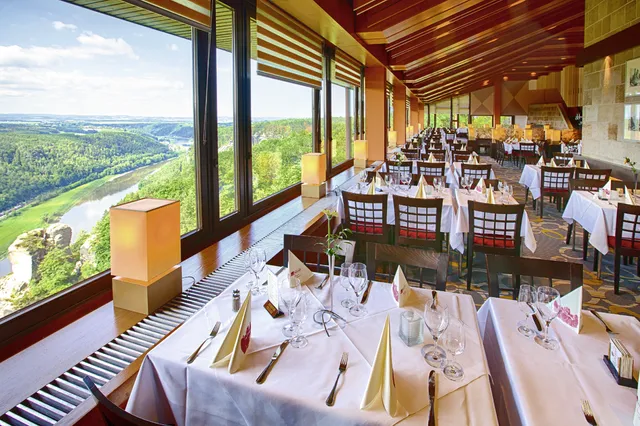
Panoramarestaurant Bastei
4.3
(932)
Open until 12:00 AM
Click for details
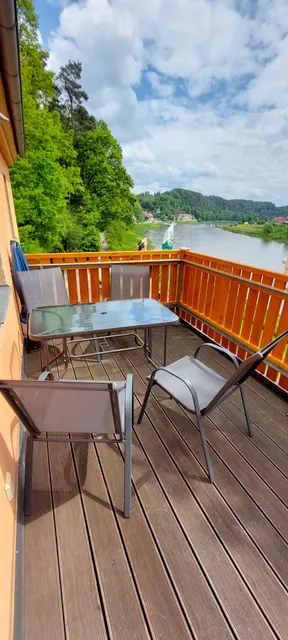
Cafe am Hirschgrund
4.4
(168)
Open until 7:00 PM
Click for details
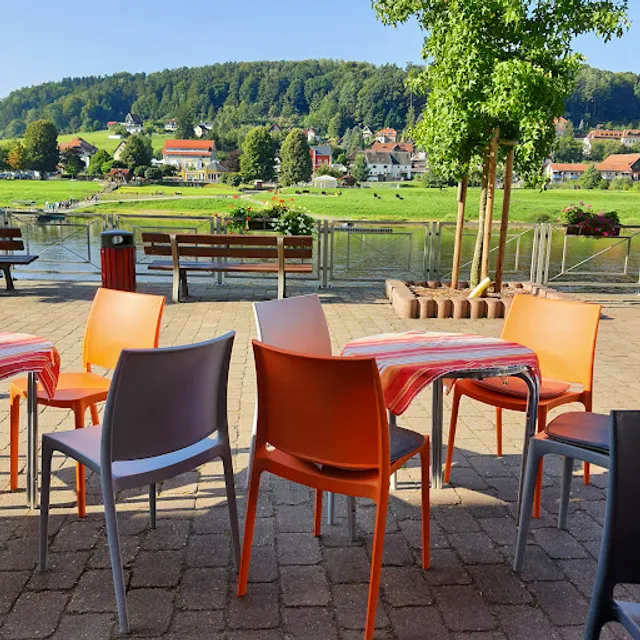
Bäckerei & Eiscafé Hübner
4.3
(202)
Open until 12:00 AM
Click for details
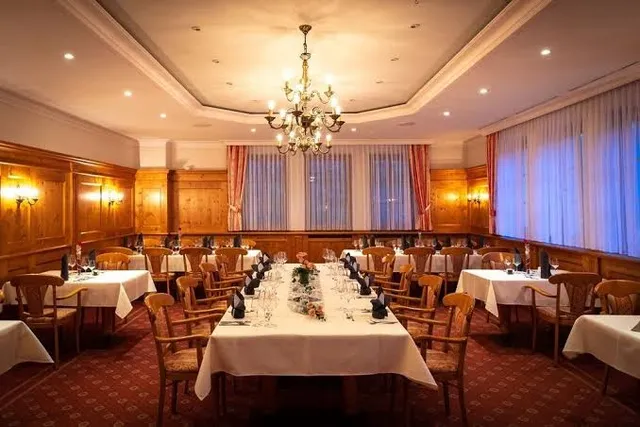
Hotel & Restaurant Amselgrundschlösschen
4.1
(641)
Click for details