HTML SitemapExplore
Find Things to DoFind The Best Restaurants

Punta de Cap de Creus — Attraction in el Port de la Selva

Name
Punta de Cap de Creus
Description
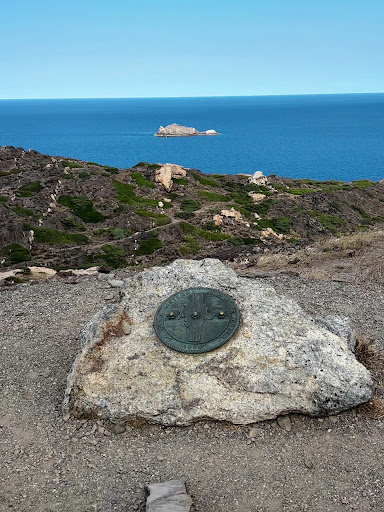
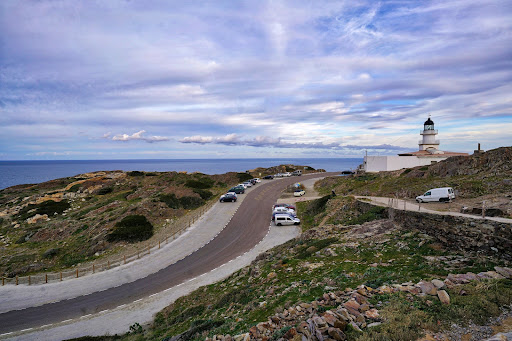
The Cap de Creus is a peninsula and a headland located at the far northeast of Catalonia, some 25 kilometres south from the French border. The cape lies in the municipal area of Cadaqués, and the nearest large town is Figueres, capital of the Alt Empordà and birthplace of Salvador Dalí.
Nearby attractions
Far del Cap de Creus
Carretera Cap de Creus, 17488, Girona, Spain
Cala Culip
17488 Cadaqués, Girona, Spain
Nearby restaurants
Restaurant Cap de Creus
Paratge Cap de Creus, S/N, 17488, Girona, Spain
Restaurant Sa Freu - Bar de tapes
17488 Carretera cap de creus, 17488 Cadaqués, Girona, Spain
Nearby hotels
Related posts
Keywords
Punta de Cap de Creus tourism.Punta de Cap de Creus hotels.Punta de Cap de Creus bed and breakfast. flights to Punta de Cap de Creus.Punta de Cap de Creus attractions.Punta de Cap de Creus restaurants.Punta de Cap de Creus travel.Punta de Cap de Creus travel guide.Punta de Cap de Creus travel blog.Punta de Cap de Creus pictures.Punta de Cap de Creus photos.Punta de Cap de Creus travel tips.Punta de Cap de Creus maps.Punta de Cap de Creus things to do.
Punta de Cap de Creus things to do, attractions, restaurants, events info and trip planning
Punta de Cap de Creus
SpainCataloniael Port de la SelvaPunta de Cap de Creus

Basic Info

Punta de Cap de Creus

Girona, Spain
4.7(805)
Open 24 hours
Save
spot

Ratings & Description

Info

The Cap de Creus is a peninsula and a headland located at the far northeast of Catalonia, some 25 kilometres south from the French border. The cape lies in the municipal area of Cadaqués, and the nearest large town is Figueres, capital of the Alt Empordà and birthplace of Salvador Dalí.

Outdoor
Scenic
Adventure
Relaxation
Family friendly
Pet friendly
attractions: Far del Cap de Creus, Cala Culip, restaurants: Restaurant Cap de Creus, Restaurant Sa Freu - Bar de tapes

logoLearn more insights from Wanderboat AI.

Plan your stay

hotel
Pet-friendly Hotels in el Port de la Selva
Find a cozy hotel nearby and make it a full experience.

hotel
Affordable Hotels in el Port de la Selva
Find a cozy hotel nearby and make it a full experience.

hotel
The Coolest Hotels You Haven't Heard Of (Yet)
Find a cozy hotel nearby and make it a full experience.

hotel
Trending Stays Worth the Hype in el Port de la Selva
Find a cozy hotel nearby and make it a full experience.

Reviews

Nearby attractions of Punta de Cap de Creus

Far del Cap de Creus

Cala Culip
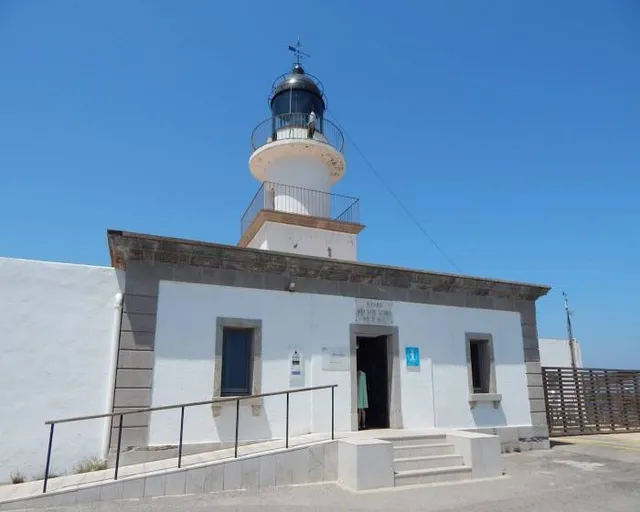
Far del Cap de Creus

Far del Cap de Creus

4.7

(3.3K)

Open 24 hours
Click for details
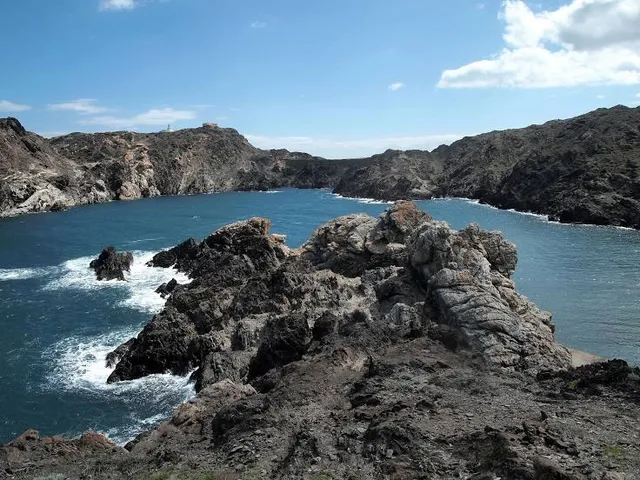
Cala Culip

Cala Culip

4.7

(235)

Open 24 hours
Click for details

Things to do nearby
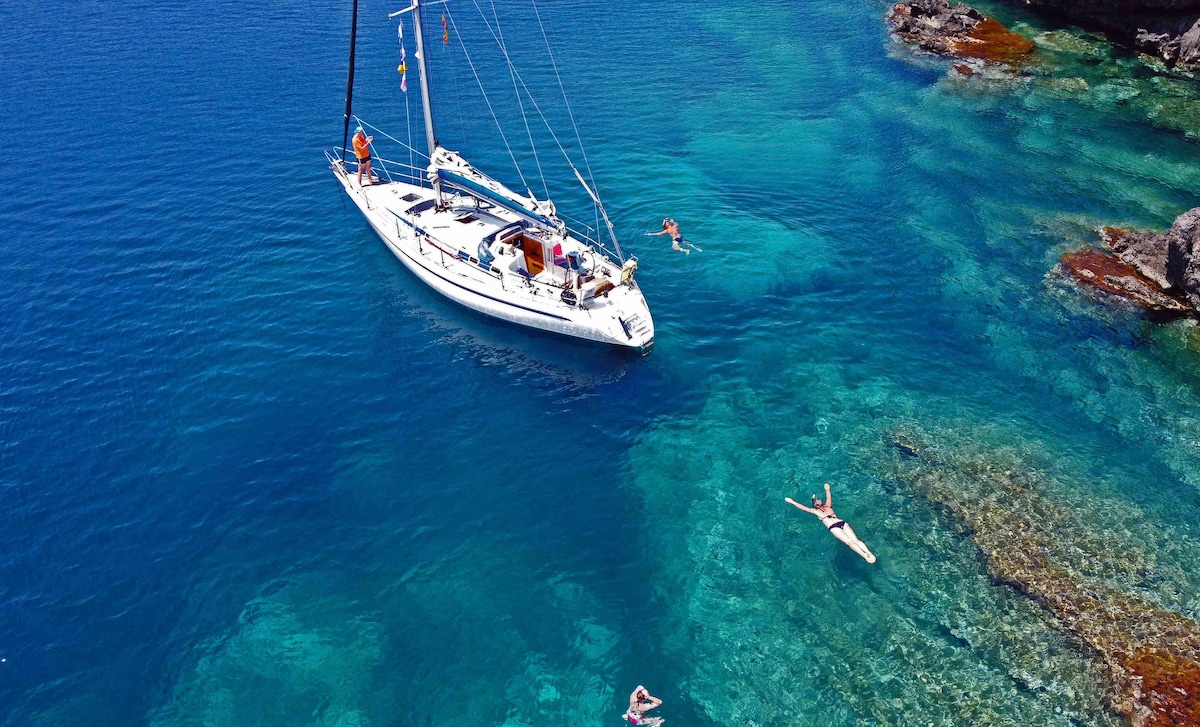
Sail the Costa Brava with a ships captain
Sun, Dec 28 • 1:00 PM
17480, Girona, Catalonia, Spain
View details
Ride a horse and enjoy the best Spanish wine
Wed, Dec 24 • 10:00 AM
17469, Siurana, Catalunya, Spain
View details

Tarjeta regalo Candlelight - Special Edition
Fri, Jul 5 • 12:00 AM
0, 00000
View details

Nearby restaurants of Punta de Cap de Creus

Restaurant Cap de Creus

Restaurant Sa Freu - Bar de tapes
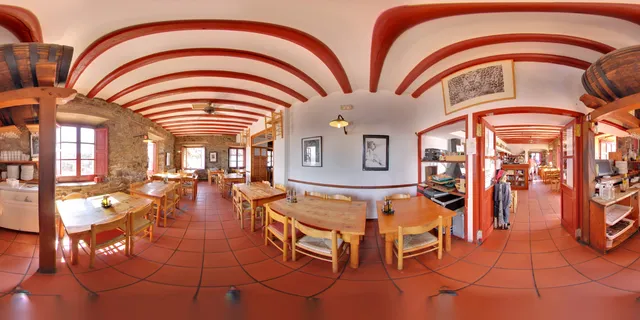
Restaurant Cap de Creus

Restaurant Cap de Creus

4.0

(1.9K)

Click for details
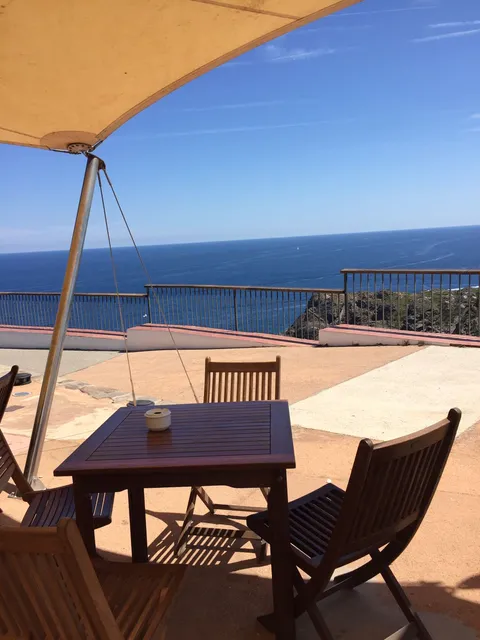
Restaurant Sa Freu - Bar de tapes

Restaurant Sa Freu - Bar de tapes

4.2

(355)

Click for details

Get the Appoverlay
Get the AppOne tap to find yournext favorite spots!
Wanderboat LogoWanderboat

Your everyday Al companion for getaway ideas

CompanyAbout Us
InformationAI Trip PlannerSitemap
SocialXInstagramTiktokLinkedin
LegalTerms of ServicePrivacy Policy

Get the app

© 2025 Wanderboat. All rights reserved.

Reviews of Punta de Cap de Creus

4.7
(805)
avatar
2.0
22w

Der Nationalpark Cap de Creus ist landschaftlich absolut sehenswert – wilde Felsen, beeindruckende Ausblicke und wunderschöne Buchten laden zum Wandern und Verweilen ein. Leider wird das Naturerlebnis durch eine schlecht organisierte Zugangspolitik und widersprüchliche Regelumsetzung stark getrübt.

Ein zentrales Problem ist die verwirrende Regelung zur Zufahrt mit dem Auto: Grundsätzlich ist die Zufahrt zum Nationalpark gesperrt – das ist klar. Zwischen 9 und 21 Uhr sind Kameras aktiv, die Verstöße offenbar dokumentieren (Geldbuße von 200€). Doch es bleibt völlig unklar, was davor oder danach gilt: Darf man außerhalb dieser Zeiten mit dem Auto in den Park fahren oder nicht?

Eine Ausnahme gibt es für Gäste mit Restaurantreservierung – allerdings unter Bedingungen: Die Reservierung allein reicht nicht, man muss im Restaurant mindestens 50 € konsumieren, um die Zufahrt zu erhalten und die Kaution (50€) wiederzubekommen. Das ist weder transparent noch besonders gastfreundlich – vor allem nicht für Besucher, die einfach nur die Natur genießen möchten. Wer sich daran hält, muss auf den Shuttlebus zurückgreifen – dieser kostet 7 € für ein Tagesticket und funktioniert an sich gut.

Vor Ort selbst ist vieles sehr positiv: Die Wege sind gut ausgeschildert und die Parkmitarbeiter:innen – insbesondere die ParkRanger – sind ausgesprochen freundlich und hilfsbereit. Sie weisen zum Beispiel ruhig darauf hin, dass das Springen von Klippen gefährlich ist und unterlassen werden sollte. Ihr Engagement ist spürbar und verdient Anerkennung.

Doch in den Buchten selbst zeigt sich ein ganz anderes Bild: Zahlreiche Boote liegen dort vor Anker, es läuft laute Musik, es wird geangelt, mit Jetskis gefahren – und an einigen Stellen war sogar Schaum auf dem Wasser zu sehen, was auf Reinigungsmittel oder ähnliche Stoffe hindeuten könnte. Während die Besucher:innen an Land viele Regeln einhalten sollen, scheint auf dem Wasser völlige Freiheit zu herrschen – ohne sichtbare Kontrolle. Das wirkt nicht nur ungerecht, sondern auch widersprüchlich zur Idee eines geschützten Naturraums. (Natürlich ist uns bewusst, dass das Meer jeden gehört). Hier wäre deutlich mehr Transparenz und konsequente Regelkommunikation nötig, um den Schutzgedanken glaubhaft durchzusetzen.

Fazit: Die Natur im Cap de Creus ist eindrucksvoll, die Mitarbeitenden vor Ort sehr freundlich und engagiert, und die Beschilderung ist gut gemacht. Doch das Gesamtbild leidet stark unter der schlechten Informationspolitik, der widersprüchlichen Zugangskontrolle und dem ungleichen Umgang mit Boots- und Landbesuchern. Daher leider nur 3...

   Read more
avatar
4.0
8y

Cap de Creus / Cadaqués

*Eng: Cap de Creus (Cape of Crosses) is an abrupt promontory that rises over the Mediterranean Sea, the easternmost of the Iberian Peninsula, north of the Gulf of Roses. The most important locality of the area is Cadaqués, a small fishing village located on the east coast of the Cap de Creus massif, where the sea embraces the mountain. Its salty air, rugged mountains, whitewashed houses and blue skies reflected in the sea have made Cadaqués an ideal place to spend the summer enjoying tranquility and nature. Its beauty attracted many avant-garde artists and thinkers such as Marcel Duchamp, Federico García Lorca, Eugenio D'Ors, Pablo Picasso and Joan Miró. But the most outstanding figure in the town is that of the surrealist painter Salvador Dalí, whose house converted into a museum constitutes one of the main attractions of the area.

Places to see: Old Cadaqués center Salvador Dalí House-Museum Museum of Cadaqués (usually exposing pieces related to Salvador Dalí) Church of Santa Maria (from the 17th century and Gothic style) Cape of Creus lighthouse, which houses the Museum of Geology and the Tourist Office Natural Park of the Cape of Creus (an impressive landscape, with rocky cliffs, hidden coves and a great biological variety)

*Esp: Cap de Creus (Cabo de Cruces) es un promontorio abrupto que se alza sobre el mar Mediterráneo,el más oriental de la Península Ibérica, al norte del Golfo de Rosas. La localidad más importante del área es Cadaqués, un pequeño pueblo de tradición pesquera ubicado en la costa de levante del macizo del cabo de Creus, donde el mar abraza a la montaña. Su aire salado, sus montañas escarpadas, sus casas encaladas y sus cielos azules reflejados en el mar, han hecho de Cadaqués un lugar idóneo para veranear disfrutando de la tranquilidad y de la naturaleza. Su belleza atrajo a muchos artistas y pensadores vanguardistas como Marcel Duchamp, Federico García Lorca, Eugenio D'Ors, Pablo Picasso o Joan Miró. Pero la figura más destacada en el pueblo es la del pintor surrealista Salvador Dalí, cuya casa convertida en museo constituye una de las principales atracciones de la zona.

Sitios que ver: -Casco Antiguo de Cadaqués Casa-Museo Salvador Dalí Museo de Cadaqués (suele exponer piezas relacionadas con Salvador Dalí) Iglesia de Santa María (del s. XVII y estilo gótico) Faro de Cabo de Creus, que alberga el Museo de Geología y la Oficina de Turismo Parque Natural del cabo de Creus (un paisaje impresionante, con acantilados rocosos, calas escondidas y una gran...

   Read more
avatar
5.0
4y

De una belleza natural excepcional, es fuente de inspiración para muchos artistas. Dalí y su obra, es solo un ejemplo. Sus orgánicas formas, producto de la erosión del viento y el mar, te invitan a patear sus senderos y calas donde te puedes perder, crear una obra o refrescar en sus piscinas naturales.Genial!

Se puede recorrer su topografía desde diferentes puntos. Yo hice un tramo a pie desde Portlligat, (es brutal - de alta dificultad). Otra forma es llegando en coche por la carretera al Cap de Creus y dejar el coche en el parking habilitado. En verano es diferente porque cierran el ascenso en coche y solo es posible ir a pie o saliendo desde Portlligat, vas a la estación del autobús habilitado muy cerca* que te lleva al faro de Cap de Creus y desde allí hacer algunos senderos hacia las diferentes calas. Cada media hora sube y retorna el autobús, así que tendrás tiempo suficiente de hacer una ruta de sendero y disfrutar un baño en las preciosas piscinas naturales.

Cerca el faro, hay un pequeño kiosko, donde comprar bebidas y algo de comer, aun así, lleva bastante agua para el camino, eso si, calzado para senderos escarpados, vestido de baño y si vas en verano, escarpines para ingresar al agua en las calas. Lleva justo lo necesario para ir ligero de carga.

*¿Donde encuentras la estación y del autobús habilitado para el ascenso en Portligat? Hay un pequeño sendero a pie desde la playa , Salvador Dalí - En el kiosko restaurante de esa playa, te indican como. Sin embargo he subido la foto del desvío- Inicio del sendero que lleva al autobús, pregunta en el kiosko - chiringuito, antes de iniciar ruta.

Si vienes en coche: Parking (ver foto): Puedes dejar el coche en el parking que hay cerca a Casa Museo Dalí, (dónde evidentemente recomiendo ingresar. Detalles de mi visita en la reseña en mi perfil)

Desde Cadaqués: Puedes ir a pie a Portlligat 10', o tomar desde allí el tren turístico que te llevará a Cap de Creus pero esta opción la deseche porque me comentaron no...

   Read more
Page 1 of 7
Previous
Next

Posts

LS BLS B
Der Nationalpark Cap de Creus ist landschaftlich absolut sehenswert – wilde Felsen, beeindruckende Ausblicke und wunderschöne Buchten laden zum Wandern und Verweilen ein. Leider wird das Naturerlebnis durch eine schlecht organisierte Zugangspolitik und widersprüchliche Regelumsetzung stark getrübt. Ein zentrales Problem ist die verwirrende Regelung zur Zufahrt mit dem Auto: Grundsätzlich ist die Zufahrt zum Nationalpark gesperrt – das ist klar. Zwischen 9 und 21 Uhr sind Kameras aktiv, die Verstöße offenbar dokumentieren (Geldbuße von 200€). Doch es bleibt völlig unklar, was davor oder danach gilt: Darf man außerhalb dieser Zeiten mit dem Auto in den Park fahren oder nicht? Eine Ausnahme gibt es für Gäste mit Restaurantreservierung – allerdings unter Bedingungen: Die Reservierung allein reicht nicht, man muss im Restaurant mindestens 50 € konsumieren, um die Zufahrt zu erhalten und die Kaution (50€) wiederzubekommen. Das ist weder transparent noch besonders gastfreundlich – vor allem nicht für Besucher, die einfach nur die Natur genießen möchten. Wer sich daran hält, muss auf den Shuttlebus zurückgreifen – dieser kostet 7 € für ein Tagesticket und funktioniert an sich gut. Vor Ort selbst ist vieles sehr positiv: Die Wege sind gut ausgeschildert und die Parkmitarbeiter:innen – insbesondere die ParkRanger – sind ausgesprochen freundlich und hilfsbereit. Sie weisen zum Beispiel ruhig darauf hin, dass das Springen von Klippen gefährlich ist und unterlassen werden sollte. Ihr Engagement ist spürbar und verdient Anerkennung. Doch in den Buchten selbst zeigt sich ein ganz anderes Bild: Zahlreiche Boote liegen dort vor Anker, es läuft laute Musik, es wird geangelt, mit Jetskis gefahren – und an einigen Stellen war sogar Schaum auf dem Wasser zu sehen, was auf Reinigungsmittel oder ähnliche Stoffe hindeuten könnte. Während die Besucher:innen an Land viele Regeln einhalten sollen, scheint auf dem Wasser völlige Freiheit zu herrschen – ohne sichtbare Kontrolle. Das wirkt nicht nur ungerecht, sondern auch widersprüchlich zur Idee eines geschützten Naturraums. (Natürlich ist uns bewusst, dass das Meer jeden gehört). Hier wäre deutlich mehr Transparenz und konsequente Regelkommunikation nötig, um den Schutzgedanken glaubhaft durchzusetzen. Fazit: Die Natur im Cap de Creus ist eindrucksvoll, die Mitarbeitenden vor Ort sehr freundlich und engagiert, und die Beschilderung ist gut gemacht. Doch das Gesamtbild leidet stark unter der schlechten Informationspolitik, der widersprüchlichen Zugangskontrolle und dem ungleichen Umgang mit Boots- und Landbesuchern. Daher leider nur 3 von 5 Sternen.
Ngo Hai AnhNgo Hai Anh
Cap de Creus (Catalan pronunciation: [ˈkab də ˈkɾɛws]) is a peninsula and a headland located at the far northeast of Catalonia, some 25 kilometres (16 mi) south from the French border. The cape lies in the municipal area of Cadaqués, and the nearest large town is Figueres, capital of the Alt Empordà and birthplace of Salvador Dalí. Cap de Creus is the easternmost point of Catalonia and therefore of mainland Spain and the Iberian Peninsula. The area is now a Natural Park.
Alessandro PadalinoAlessandro Padalino
Eccellente parco naturale con un promontorio che da Roses si estende in mare presentando molte calette balneabili con acqua calma (fresca) e cristallina. Davvero un bellissimo posto. Una strada asfaltata giunge sino al faro di Cap de Creus (con parcheggio gratuito, Bar e ristorante) dove la vista è notevole e spazia ampiamente. Da Roses al faro ci vogliono circa 45 minuti... la caletta dove siamo stati (ed il parcheggio del faro) ha iniziato a popolarsi dopo le 10.30 Pinne , maschera e boccaglio Ciaooo
See more posts
See more posts
hotel
Find your stay

Pet-friendly Hotels in el Port de la Selva

Find a cozy hotel nearby and make it a full experience.

Der Nationalpark Cap de Creus ist landschaftlich absolut sehenswert – wilde Felsen, beeindruckende Ausblicke und wunderschöne Buchten laden zum Wandern und Verweilen ein. Leider wird das Naturerlebnis durch eine schlecht organisierte Zugangspolitik und widersprüchliche Regelumsetzung stark getrübt. Ein zentrales Problem ist die verwirrende Regelung zur Zufahrt mit dem Auto: Grundsätzlich ist die Zufahrt zum Nationalpark gesperrt – das ist klar. Zwischen 9 und 21 Uhr sind Kameras aktiv, die Verstöße offenbar dokumentieren (Geldbuße von 200€). Doch es bleibt völlig unklar, was davor oder danach gilt: Darf man außerhalb dieser Zeiten mit dem Auto in den Park fahren oder nicht? Eine Ausnahme gibt es für Gäste mit Restaurantreservierung – allerdings unter Bedingungen: Die Reservierung allein reicht nicht, man muss im Restaurant mindestens 50 € konsumieren, um die Zufahrt zu erhalten und die Kaution (50€) wiederzubekommen. Das ist weder transparent noch besonders gastfreundlich – vor allem nicht für Besucher, die einfach nur die Natur genießen möchten. Wer sich daran hält, muss auf den Shuttlebus zurückgreifen – dieser kostet 7 € für ein Tagesticket und funktioniert an sich gut. Vor Ort selbst ist vieles sehr positiv: Die Wege sind gut ausgeschildert und die Parkmitarbeiter:innen – insbesondere die ParkRanger – sind ausgesprochen freundlich und hilfsbereit. Sie weisen zum Beispiel ruhig darauf hin, dass das Springen von Klippen gefährlich ist und unterlassen werden sollte. Ihr Engagement ist spürbar und verdient Anerkennung. Doch in den Buchten selbst zeigt sich ein ganz anderes Bild: Zahlreiche Boote liegen dort vor Anker, es läuft laute Musik, es wird geangelt, mit Jetskis gefahren – und an einigen Stellen war sogar Schaum auf dem Wasser zu sehen, was auf Reinigungsmittel oder ähnliche Stoffe hindeuten könnte. Während die Besucher:innen an Land viele Regeln einhalten sollen, scheint auf dem Wasser völlige Freiheit zu herrschen – ohne sichtbare Kontrolle. Das wirkt nicht nur ungerecht, sondern auch widersprüchlich zur Idee eines geschützten Naturraums. (Natürlich ist uns bewusst, dass das Meer jeden gehört). Hier wäre deutlich mehr Transparenz und konsequente Regelkommunikation nötig, um den Schutzgedanken glaubhaft durchzusetzen. Fazit: Die Natur im Cap de Creus ist eindrucksvoll, die Mitarbeitenden vor Ort sehr freundlich und engagiert, und die Beschilderung ist gut gemacht. Doch das Gesamtbild leidet stark unter der schlechten Informationspolitik, der widersprüchlichen Zugangskontrolle und dem ungleichen Umgang mit Boots- und Landbesuchern. Daher leider nur 3 von 5 Sternen.
LS B

LS B

hotel
Find your stay

Affordable Hotels in el Port de la Selva

Find a cozy hotel nearby and make it a full experience.

Get the Appoverlay
Get the AppOne tap to find yournext favorite spots!
Cap de Creus (Catalan pronunciation: [ˈkab də ˈkɾɛws]) is a peninsula and a headland located at the far northeast of Catalonia, some 25 kilometres (16 mi) south from the French border. The cape lies in the municipal area of Cadaqués, and the nearest large town is Figueres, capital of the Alt Empordà and birthplace of Salvador Dalí. Cap de Creus is the easternmost point of Catalonia and therefore of mainland Spain and the Iberian Peninsula. The area is now a Natural Park.
Ngo Hai Anh

Ngo Hai Anh

hotel
Find your stay

The Coolest Hotels You Haven't Heard Of (Yet)

Find a cozy hotel nearby and make it a full experience.

hotel
Find your stay

Trending Stays Worth the Hype in el Port de la Selva

Find a cozy hotel nearby and make it a full experience.

Eccellente parco naturale con un promontorio che da Roses si estende in mare presentando molte calette balneabili con acqua calma (fresca) e cristallina. Davvero un bellissimo posto. Una strada asfaltata giunge sino al faro di Cap de Creus (con parcheggio gratuito, Bar e ristorante) dove la vista è notevole e spazia ampiamente. Da Roses al faro ci vogliono circa 45 minuti... la caletta dove siamo stati (ed il parcheggio del faro) ha iniziato a popolarsi dopo le 10.30 Pinne , maschera e boccaglio Ciaooo
Alessandro Padalino

Alessandro Padalino

See more posts
See more posts