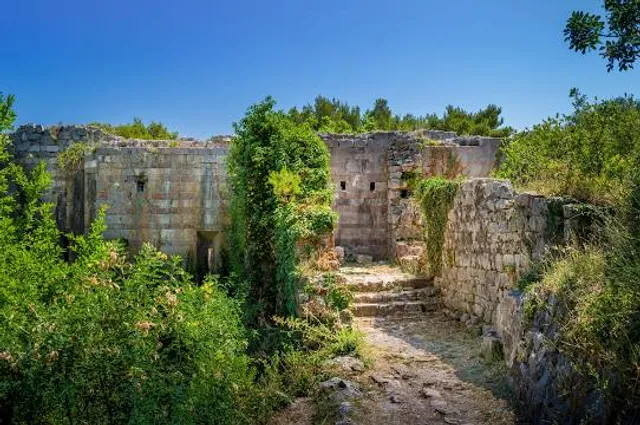
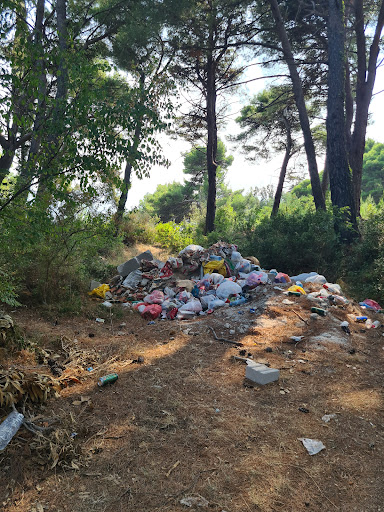
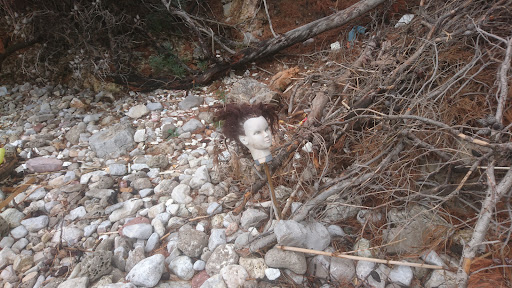
Ratac Abbey, also known as the Monastery of the Virgin of Ratac (Serbian: Манастир Богородице Ратачке), was a significant fortified monastic complex located on the coast between Bar and Sutomore in present-day Montenegro. This Benedictine abbey has a rich history dating back to medieval times, with the earliest known mention of it being from 1247, although it likely existed even earlier.The abbey was under the jurisdiction of the Roman Catholic Archdiocese of Bar, though relations between the abbots of Ratac and the archbishops of Bar were not always harmonious. One of the notable aspects of Ratac Abbey was its hospital, which provided treatment to people living in poverty. In the mid-15th century, this hospital even treated patients suffering from leprosy.Throughout its history, Ratac Abbey changed hands several times:
In 1306, Serbian King Stephen Uroš II Milutin issued a charter to Ratac, appointing his son Stephen as his successor.
Construction of a new church within the existing monastic complex began in 1347.
During the First Scutari War, Venetians captured Ratac.
In 1426, the Treaty of Vučitrn ceded Ratac to the Serbian Despotate.
From 1443, it came under Venetian control again.
The abbey's final fate was sealed in 1571 when it was destroyed by the Ottoman forces.In the 15th century, Ratac Abbey was led by notable abbots such as Georgius Pelino, who was known as both a priest and a businessman. Interestingly, at one point, there were two abbots sharing the income of the abbey, though Pelino eventually managed to remove his colleague and continue managing the monastery alone.Today, Ratac Abbey exists only as ruins. While it could be an interesting historical site to visit, recent reviews suggest that the area is unfortunately affected by littering and poor maintenance. Visitors have reported seeing various forms of waste, which significantly detracts from the experience of exploring these ancient ruins.Despite its current state, Ratac Abbey remains a testament to the rich religious and cultural history of the region, reflecting the complex interplay of various powers – Serbian, Venetian, and Ottoman – that shaped the medieval Balkans. (Thx perplexity)
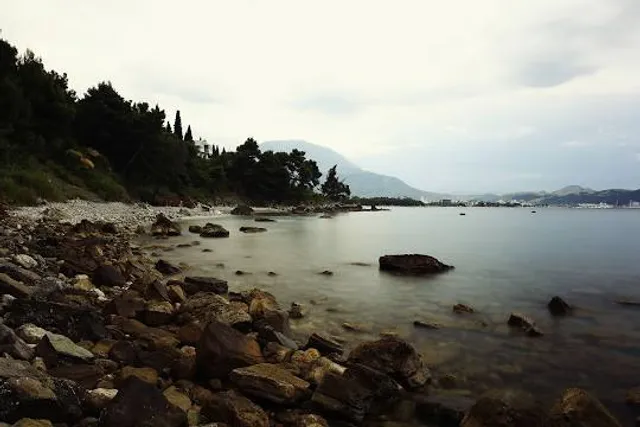
-2 stars because dirt and litter all over the little...
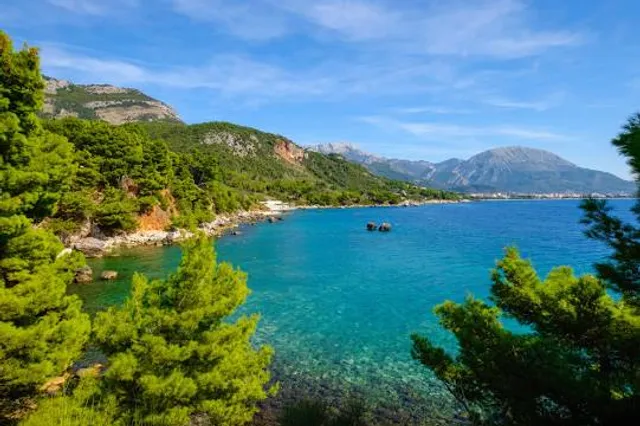
Read moreManastir Svete Gospe Ratačke ili jednostavno manastir Ratac, nalazi se na visokom stenovitom rtu između Bara i Sutomora u Crnoj Gori. Ime manastira potiče od Srpske reći " tr". Ostaci i ruševine ovog manastira, nekada su činile veliki manastirski kompleks koji se prvi put spominje 1247.godine, ali je poznato da je postojao i ranije. Vremenom je menjao vlasnike. Verovatno je ispočetka bio rimokatolički, manastir posvećen Arhangelu Mihailu i pripadao je Italiji, na brdu Garganu. Tokom vekova, u zapisima Pavla Rovinjskog, manastir je bio pravoslavni i posvećen Uspenju Presvete Bogorodice, a da je početkom 14. veka Jelena Anžujska, manastir pretvorila u katolički, što na neki način potvrđuje kralj Milutin poveljom u kojoj se navode darovi majke Jelene manastiru. Tokom 14. i 15. veka, manastir su pohodili vernici iz Dubrovnika, pa se češće tada spominje u arhivama ovog grada. U 15. veku počinju teška vremena za ovu bogomolju, kada su je prvi napali i sa brodova bombardovali Mleci i kada je kompleks bio ozbiljno oštećen. U prvoj polovini 16. veka, manastir su , najpre opljačkali, a sredinom veka i uništili Turci, mada postoje podaci da su oštećenjima doprineli i zemljotresi. Ruševine su služile i Italijanima u Drugom Svetskom ratu kao fortifikacijski objekat, bunker... Treba istaći da je Ratac, osim svetovne misije, tokom svog postojanja, delovao i kao bolnica za lečenje siromašnih ljudi, uključujući i ljude obolele od Lepre. Unutrašnjost kompleksa se sastojala od nekoliko crkava i objekata za druge namene. U izgradnji su učestvovali vešti klesari, možda Dačani. I danas, ostatke ove bogomolje, često...
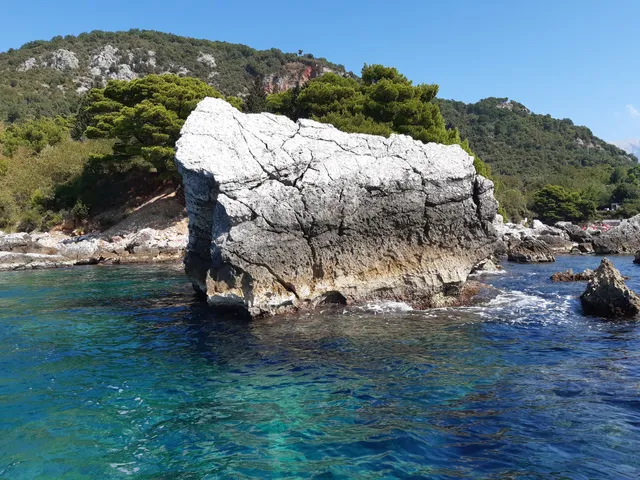
Read moreThoroughly enjoyed. Our host parked near the road then we walked through a gorgeous stand of old conifers and you begin to sense the peninsular shape as you start to see the sea through the trees. Then the old fortress ruins emerge, some feeling held in place by the giant ancient pines. Spectacular vistas on either side. Watch your step and be cautious with children, some very steep drop offs. But a wonderful stop. Had it nearly all to ourselves and lingered and explored around...
Read more