

HTML SitemapExplore
logo
Find Things to DoFind The Best Restaurants

šŸ›ļ½œA Nepali Feast in a 150-Year-Old Royal Mansion

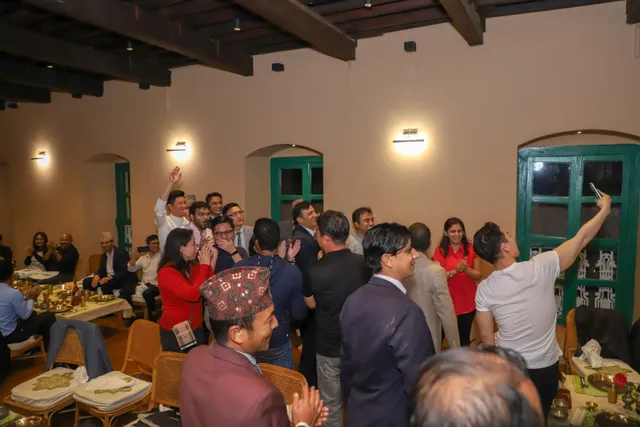
Bhojan Griha, Kathmandu: Taste 150 Years of History in One Bite of Curry The "clang" of the brass door knocker as I pushed open Bhojan Griha’s wooden door felt like unlocking a time capsule. The 150-year-old building stood before me, its carved wooden window frames etched with the marks of time, a stone basin in the courtyard holding rainwater that mirrored its transformation from royal mansion to restaurant. Two years of restoration hadn’t erased its antiquity; instead, every piece of wood and every mural exuded the warmth of "living history." Founder Bharat Basnet once said, "I want diners to touch Nepal’s roots while they eat." šŸ° From Royal Tables to Everyday Diners: A Building Steeped in Time This mansion was once home to Nepali royal nobility, its wooden structure bearing the craftsmanship of the southern Himalayas—mythological tales carved into lotus-patterned capitals worn but still full, even the stair railings bearing the patina from decades of servants ing their masters. Restorers preserved the walls’ texture, calling it "time’s color palette." Seated in the second-floor dining area, I looked through a wooden window at the bodhi tree in the courtyard, its shadow falling on stone slabs laid a century ago—almost identical to the scene royal family members would have seen while enjoying the cool air. An elderly couple at the next table recalled, "As children, we’d pass by and only stare at the closed gates. Never thought we’d sit here, eating the same Dal Bhat as the nobles." šŸ² "Nepali Soul" Simmered in Organic Ingredients: Every Bite Tells a Traditional Tale Dal Bhat (Nepal’s national dish) arrived on a brass platter, its warmth burning slightly against my fingertips. Long-grain rice piled like a small mountain, surrounded by half a dozen "supporting players": amber lentil soup (Dal) simmered to a creamy consistency, turmeric-spiced vegetables (Tarkari) glistening with oil, homemade yogurt tangy enough to make me wince, and pickles sharp with mustard heat. The star was the lamb curry—organic meat from the restaurant’s farm, slow-cooked for 4 hours, its fibers soaked in Nepali yellow ginger and masala. Mixed with rice, the tongue first met the spice’s kick, then the lamb’s warmth, finally softened by the yogurt’s tang—a layered flavor inherited from royal chefs. Momo (Nepali dumplings) held pleasant surprises: steamed wrappers thin as cicada wings, pork filling laced with local coriander roots, juices dripping onto the brass plate with a hint of mountain freshness; fried momos were even better, their crusts crisp as dried leaves, beef filling mixed with barley flour, releasing a faint wheat fragrance as I chewed. Sekuwa (grilled skewers) were a charcoal masterpiece. Chicken marinated in Himalayan salt, charred outside and tender inside over a clay oven, sprinkled with chili powder dried in local mountain sun—spicy with the intensity of sunlight, perfect paired with raw onion to cut richness. All ingredients come from the restaurant’s farm: potatoes (with) earthy undertones, spinach stems thick and sturdy, even spices ground fresh. "Nepali flavor tolerates no industrial shortcuts," the chef said. šŸ· From Fruit Wine to Firewater: Tipsy on Nepal’s Spirit Nepali wine was a delight. Fermented from local grapes and wild berries, its amber liquid held tiny fruit pulp particles, exploding with fruity sweetness on the tongue—like bottling the Himalayas’ wild charm, with a honeyed finish that even non-drinkers couldn’t resist. Raksi (Nepali spirits) was for "the bold." Clear as spring water but packing a 40%-plus punch, served in earthen bowls whose rough edges contrasted (wonderfully) with the liquor’s fire. Local diners called it "the mountain folk’s heater"—one sip, and warmth spread from throat to stomach, softening even the rain outside. šŸŽ­ Food Meets Song and Dance: A Living Nepali Museum at the Table As night fell, oil lamps lit up the small stage. Dancers in traditional attire spun to drumbeats, silver ornaments clinking in time with flutes—like moving a Himalayan valley indoors. Singers chanted ancient ballads, lyrics weaving tales of harvest joy and reverence for mountain gods. Diners nodded to the rhythm, some clapping along—Bhojan Griha, in that moment, was no quiet restaurant, but a vibrant cultural hub. Dancers greeted tables after their performance, their skirts brushing century-old carpets. "This dance is exactly what my grandmother taught me," they said. At $30 per person, the meal felt more like a "time-travel ticket"—you’re not just buying curry and wine, but 150 years of architectural breath, organic purity, and living tradition. As I left, the wooden door closed behind me, the brass knocker’s clang sounding again—like time whispering, "Come back soon." If you want to eat "rooted" Nepali cuisine in Kathmandu, come here. Let the century-old mansion’s warmth wrap your stomach and soul. #HiddenGemRestaurant #Kathmandu #NepaliRestaurant
Related posts
Nepal Trekking GuideThose treasure spots I keep coming back to in PokharaNepal's Most Memorable Cafe: Sipping Coffee with Snow Peaks in PokharaNepal Hiking food ShareNepali Food: It’s an Acquired Taste 🤐Nepal trip guide
Camille Dubois
Camille Dubois
5 months ago
Camille Dubois
Camille Dubois
5 months ago

šŸ›ļ½œA Nepali Feast in a 150-Year-Old Royal Mansion

Bhojan Griha, Kathmandu: Taste 150 Years of History in One Bite of Curry The "clang" of the brass door knocker as I pushed open Bhojan Griha’s wooden door felt like unlocking a time capsule. The 150-year-old building stood before me, its carved wooden window frames etched with the marks of time, a stone basin in the courtyard holding rainwater that mirrored its transformation from royal mansion to restaurant. Two years of restoration hadn’t erased its antiquity; instead, every piece of wood and every mural exuded the warmth of "living history." Founder Bharat Basnet once said, "I want diners to touch Nepal’s roots while they eat." šŸ° From Royal Tables to Everyday Diners: A Building Steeped in Time This mansion was once home to Nepali royal nobility, its wooden structure bearing the craftsmanship of the southern Himalayas—mythological tales carved into lotus-patterned capitals worn but still full, even the stair railings bearing the patina from decades of servants ing their masters. Restorers preserved the walls’ texture, calling it "time’s color palette." Seated in the second-floor dining area, I looked through a wooden window at the bodhi tree in the courtyard, its shadow falling on stone slabs laid a century ago—almost identical to the scene royal family members would have seen while enjoying the cool air. An elderly couple at the next table recalled, "As children, we’d pass by and only stare at the closed gates. Never thought we’d sit here, eating the same Dal Bhat as the nobles." šŸ² "Nepali Soul" Simmered in Organic Ingredients: Every Bite Tells a Traditional Tale Dal Bhat (Nepal’s national dish) arrived on a brass platter, its warmth burning slightly against my fingertips. Long-grain rice piled like a small mountain, surrounded by half a dozen "supporting players": amber lentil soup (Dal) simmered to a creamy consistency, turmeric-spiced vegetables (Tarkari) glistening with oil, homemade yogurt tangy enough to make me wince, and pickles sharp with mustard heat. The star was the lamb curry—organic meat from the restaurant’s farm, slow-cooked for 4 hours, its fibers soaked in Nepali yellow ginger and masala. Mixed with rice, the tongue first met the spice’s kick, then the lamb’s warmth, finally softened by the yogurt’s tang—a layered flavor inherited from royal chefs. Momo (Nepali dumplings) held pleasant surprises: steamed wrappers thin as cicada wings, pork filling laced with local coriander roots, juices dripping onto the brass plate with a hint of mountain freshness; fried momos were even better, their crusts crisp as dried leaves, beef filling mixed with barley flour, releasing a faint wheat fragrance as I chewed. Sekuwa (grilled skewers) were a charcoal masterpiece. Chicken marinated in Himalayan salt, charred outside and tender inside over a clay oven, sprinkled with chili powder dried in local mountain sun—spicy with the intensity of sunlight, perfect paired with raw onion to cut richness. All ingredients come from the restaurant’s farm: potatoes (with) earthy undertones, spinach stems thick and sturdy, even spices ground fresh. "Nepali flavor tolerates no industrial shortcuts," the chef said. šŸ· From Fruit Wine to Firewater: Tipsy on Nepal’s Spirit Nepali wine was a delight. Fermented from local grapes and wild berries, its amber liquid held tiny fruit pulp particles, exploding with fruity sweetness on the tongue—like bottling the Himalayas’ wild charm, with a honeyed finish that even non-drinkers couldn’t resist. Raksi (Nepali spirits) was for "the bold." Clear as spring water but packing a 40%-plus punch, served in earthen bowls whose rough edges contrasted (wonderfully) with the liquor’s fire. Local diners called it "the mountain folk’s heater"—one sip, and warmth spread from throat to stomach, softening even the rain outside. šŸŽ­ Food Meets Song and Dance: A Living Nepali Museum at the Table As night fell, oil lamps lit up the small stage. Dancers in traditional attire spun to drumbeats, silver ornaments clinking in time with flutes—like moving a Himalayan valley indoors. Singers chanted ancient ballads, lyrics weaving tales of harvest joy and reverence for mountain gods. Diners nodded to the rhythm, some clapping along—Bhojan Griha, in that moment, was no quiet restaurant, but a vibrant cultural hub. Dancers greeted tables after their performance, their skirts brushing century-old carpets. "This dance is exactly what my grandmother taught me," they said. At $30 per person, the meal felt more like a "time-travel ticket"—you’re not just buying curry and wine, but 150 years of architectural breath, organic purity, and living tradition. As I left, the wooden door closed behind me, the brass knocker’s clang sounding again—like time whispering, "Come back soon." If you want to eat "rooted" Nepali cuisine in Kathmandu, come here. Let the century-old mansion’s warmth wrap your stomach and soul. #HiddenGemRestaurant #Kathmandu #NepaliRestaurant

Pokhara
Bhojan Griha
Bhojan GrihaBhojan Griha
no-comment

No one has commented yet...