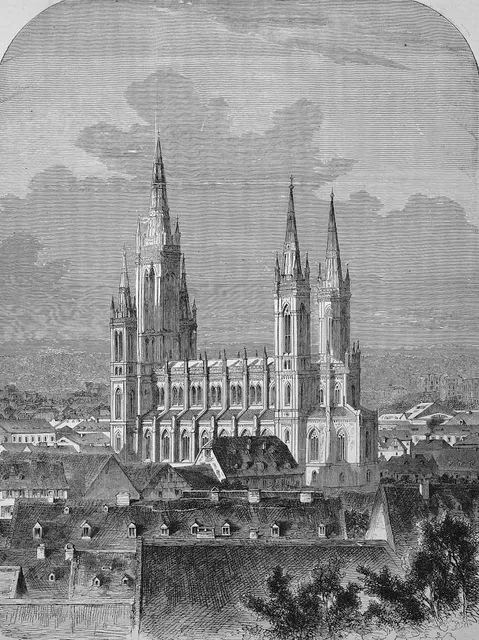

🇩🇪 Wiesbaden: Germany’s Best-Kept Secret📍
Nestled in the heart of Hesse, Wiesbaden is a city that effortlessly blends old-world charm with modern sophistication. Unlike its flashy neighbor Frankfurt, this understated gem has quietly served as the state capital since 1945—a role it earned precisely because it wasn’t Frankfurt. After the devastation of WWII, policymakers deliberately chose Wiesbaden over the financial powerhouse to decentralize power, preserving its unique character. 🏛️ A City of Contrasts Wiesbaden is where 19th-century grandeur meets contemporary elegance: Sweeping hilltop views over vineyards and the Rhine Valley 🍇 Neoclassical spas where European aristocracy once "took the waters" 💦 Quiet, tree-lined boulevards lined with pastel Wilhelminian villas 🏡 The city moves at a deliberately leisurely pace. On Saturday mornings, locals sip Federweißer (young wine) at sun-drenched cafés, while boutique owners arrange displays with museum-like precision. ♨️ Europe’s Original Spa Town With 26 thermal springs, Wiesbaden has been a wellness destination since Roman times: ✔ The Kurhaus—a glittering casino-spa hybrid frequented by Dostoevsky ✔ Kochbrunnen Square, where geothermal fountains steam at 66°C (151°F) ☁️ ✔ Aperol spritzers enjoyed in thermal garden courtyards 🍹 🍷 Wine Capital in Disguise The surrounding Rheingau vineyards produce world-class Rieslings: Walkable urban wineries with tasting rooms hidden in cellar vaults September’s Rheingau Wine Festival floods the streets with merry oenophiles Even the bus stops have vine-themed designs—that’s commitment! 🤫 Why It Feels So "German" Frankfurt bubbles with expats; Wiesbaden whispers with discreet local wealth. You’ll notice: ✓ Zero mass tourism—just well-heeled couples admiring Belle Époque architecture ✓ Dogs welcomed in gourmet restaurants (with their own water bowls) 🐕 ✓ Sunday stillness so profound, you hear fountains echoing down empty streets #HiddenGermany #SpaTownSecrets #WineAndWellness 💙