
🇰🇷 Seoul × Busan | Touching Korean Culture in the Folds of Time
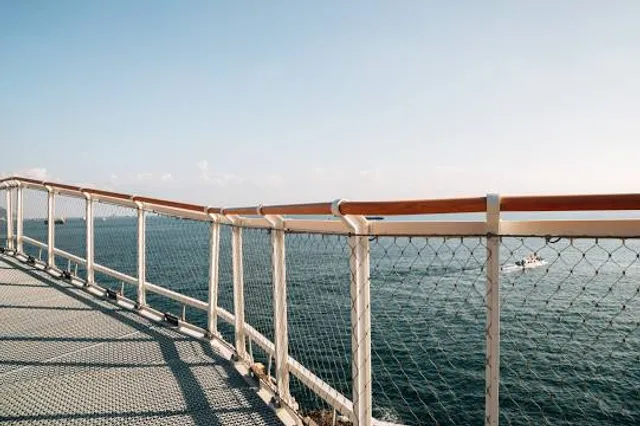
When Seoul’s skyscrapers wake up in the morning mist, the dawn bell of Bongwonsa Temple has already rung for a thousand years. Tucked away in the Gangnam CBD, this ancient temple uses the eight stone pillars of its Jinru Gate to hold up a realm of Zen—outside the gate, the glass curtain wall of COEX Mall reflects the glow of capital; inside, the wooden printing blocks of the Avatamsaka Sutra, handwritten by the Joseon-era scholar Kim Jeong-hui lie at rest in the Plate Hall. 📜 Seoul: A Time-Fold of Buddhist Sutras and Royal Palaces ▫️ Morning Rituals and Dusk at Bongwonsa Temple Every Thursday at 7 AM, follow the monks to light a lotus lantern of your choice in front of the Main Buddha Hall, and run your fingers along the grain of the wooden doors of the Plate Hall (built in 1856). As your fingertips glide over the indentations of 3,479 sutra blocks, you suddenly understand why the Joseon Dynasty set up a monk’s examination hall here—it is not just a vessel for faith, but a living gene bank of Eastern woodblock civilization. In the afternoon, walk through the array of 3,300 Guanyin statues at the Building, and you may spot white-collar workers in suits folding their hands in prayer at the feet of the Maitreya Buddha. The 23-meter-tall stone Buddha’s smile holds Seoul’s most magical dual face—ancient spirituality and modern hustle coexisting. ▫️ The Landscape Code of Changdeokgung Palace’s Secret Garden Beneath the painted ceiling of Injeongjeon Hall, you can read the rituals of the Joseon Dynasty; yet a turn into the Secret Garden (Biwon) reveals a subversive Eastern aesthetic. Joseon craftsmen broke free from the central-axis constraint of Chinese palaces with “asymmetrical landscaping,” letting 20,000 ancient trees and 56 pavilions grow freely across the 60,000-pyeong (≈198,400㎡) mountainous area. In autumn, sunlight filters through maple leaves onto the “Opening-Closing Gate” of Buimun—this wooden door, designed to fold up entirely, is the Korean craftsmen’s unique interpretation of “negative space” in design. 🌊 Busan: An Epic of Survival Written by Ocean Waves ▫️ Songdo: Reconciliation Between Steel and Tides Walk along the 365-meter-long glass walkway over the sea; beneath your feet, crashing waves echo the century-old memories of Korea’s first beach resort. The Songdo Cable Car, in operation since 1913, now boasts crystal cabins. When the wind at 86 meters high rushes into your collar, you suddenly grasp the words of Kim Sun-ja, a haenyeo (female diver) from Amnam-dong: “We don’t conquer the sea—we write diaries on the tips of waves.” As night falls, the light show on Yonggung Suspension Bridge programs the waves into moving scenes from the movie Haeundae, blending modern technology with maritime nostalgia. ▫️ The Healing Philosophy of Haeundae Don’t just rush to take photos of the white sand beach—diving into the old onsen (hot spring) houses on Haeundae Onsen Street is where the true essence lies. When your body is wrapped in 45°C radon-rich spring water, you suddenly understand the wisdom of Donguibogam (the classic Korean medical text), which classifies hot springs as “earth-vein medicine”—a humble way for the peninsula’s ancestors to harness the energy of nature. ✨ Key Memory Takeaways ▪️ Bongwonsa Hidden Experience: Every Thursday, the “Temple Life” program includes sutra block rubbing. You can take home a handcrafted Korean paper lantern as a souvenir. ▪️ Changdeokgung Photography Tip: The water surface at Furongjeong Pavilion in the Secret Garden forms a perfect mirror reflection between 10:00-11:00 AM—ideal for photos. ▪️ Songdo Limited Romance: The last cable car departs at 19:30. Opt for the crystal cabin and bring a wide-angle lens to capture the sea views. ▪️ Haeundae Local Wisdom: Try the medicinal stone steam room at “Sampo House” on Onsen Street— (mugwort) and volcanic stones work together to dispel cold. When travel sees beyond postcard-perfect sights, it’s the unlabeled tremors that reveal Korea’s most authentic rhythm: the overlap of Bongwonsa’s wooden fish chants and COEX’s cinema sound effects, the sharp angle where Changdeokgung’s eaves cut through the modern skyline, the duet between Songdo Cable Car’s steel cables and the haenyeo’s work songs… These are the true breaths of Korea. #KoreaFreeTravelGuide #Seoul #BusanTrip