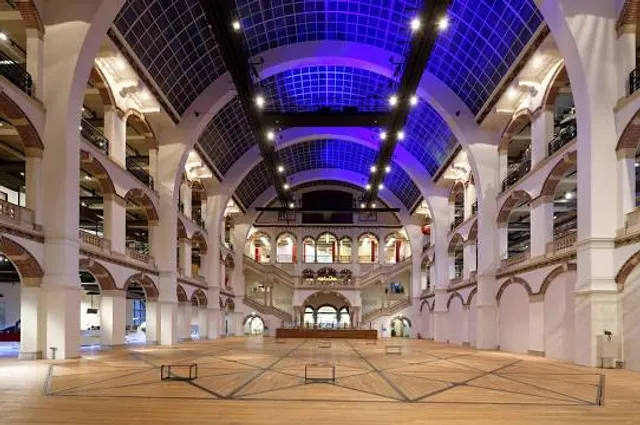

Amsterdam 🌍 Wereldmuseum
I used to think that this museum was similar to Oxford's Pitt Rivers or London's Horniman Museum, just another collection of objects looted by colonizers from around the world. After all, the Netherlands was once a prominent colonial power, with its "glory days" including the colonization of Suriname and Indonesia, involvement in the slave trade, and monopoly on trade with Japan through Dejima. The Wereldmuseum, formerly known as the Tropenmuseum, largely reflected this colonial legacy. 🌐 However, what sets this museum apart from other colonial ethnographic museums is its thoughtful approach to themes and content. Rather than simply showcasing world cultures (or colonial cultures), it explores how the very concept of the "world" was shaped by the actions of former colonizers—and how those colonial influences remain deeply rooted in society today. 💡 Instead of focusing on the objects themselves, the museum constantly asks visitors questions, revealing the far-reaching tentacles of colonial thinking and challenging ideas that are often taken for granted. It tackles a range of concepts within the framework of colonialism, raising important discussions. 🧐 Of course, the Wereldmuseum isn't without its shortcomings. It tends to gloss over details regarding the acquisition and looting of artifacts, and at times blurs the lines between the production and consumption habits of the Third World and developed nations by discussing environmental issues. There's also a notable emphasis on contemporary art and recent collections, positioning the museum on the side of "justice," in a way that somewhat legitimizes its colonial collections. 🎨🤔 But all in all, the Wereldmuseum offers a rare, fresh perspective on the history and present-day implications of colonialism, and it certainly deserves high praise. 👏🌏 #Netherlands #Amsterdam #CulturalLandmarks #Wereldmuseum #MuseumVisits #ColonialHistory #Exhibition