

HTML SitemapExplore
logo
Find Things to DoFind The Best Restaurants

Kathmandu’s Budget-Friendly Eats

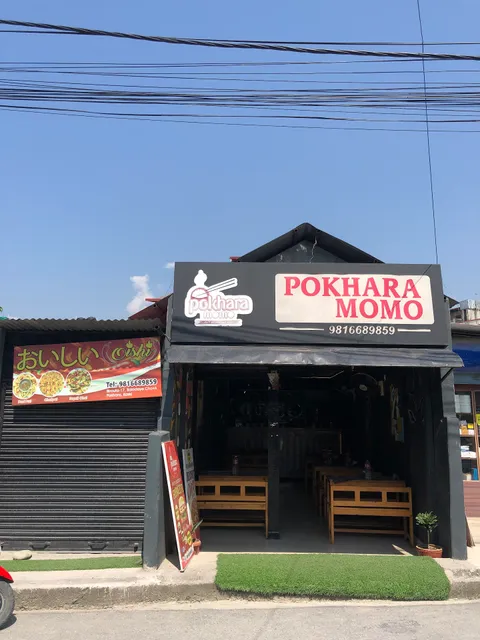
After being scared off by "internet-famous restaurant" prices three times in Thamel, I finally stumbled upon this tiny shop in an alley with a wooden sign reading "Beef Set 500 NPR." Plastic stools lined the street, aunties in saris squatted eating with their hands, and the aroma of beef frying mixed with coal stove smoke hit me—later, I learned this was the "budget traveler’s savior" whispered about in Kathmandu: 20 RMB gets you beef, rice, sides, and milk tea, enough to keep you full through an afternoon of wandering. 🍛 "Beef Supremacy" in an Alley: 500 NPR Set with Meat Piled High Finding this shop was all about "following locals": turn into two clutter-filled alleys from the main street, and when you see a group of Nepali uncles hunched over low tables, you’re there. The price list on the wall, in Nepali and broken English, read: Beef Set 500 NPR (≈25 RMB), Egg Set 350 NPR, 10 Momos 300 NPR—prices that can’t even buy a fancy latte in Thamel. When ordering, the owner yelled "beef! good!" in accented English. Five minutes later, an enamel plate "slammed" down: white rice piled like a small hill, topped with braised beef—chunks bigger than coins, sinew and meat intertwined, sauce a slightly spicy curry with a hint of star anise. Beside it, stir-fried cabbage and pickled radish: cabbage crisp, radish tangy to cut greasiness. Pour a spoonful of beef sauce over the rice, and one bite explodes with tender beef, fragrant rice, and tangy radish—suddenly understanding why the uncles ate without looking up. I counted the beef chunks while eating—12 in total! Later, I noticed locals add 200 NPR for "extra meat," piling it like a small mountain, paired with the boldness of eating with hands, skipping plastic spoons entirely. Here, "budget sets" aren’t "settling"—they’re putting every penny into real, satisfying food. 👨‍👩‍👧‍👦 Locals’ Hidden Menu: Momos and Hand-Eaten Rice Are Daily Life The real stars are momos and hand-eaten rice. Glass cases line the counter with plump steamed dumplings—10 for 300 NPR, thinner-skinned than Thamel’s, filled with pure beef, juicy when bitten into, served with homemade chili sauce that burns but you can’t stop eating. School kids rush in after class, ordering momos with cola, squatting on the street wolfing them down, schoolbags tossed at their feet—just like a snack stand outside a Chinese middle school. Hand-eaten rice is even more striking: aunties first (shape) rice into small balls, dip in lentil soup, then eat with a piece of fried fish, not caring if sauce stains their fingers. We tried for ages, rice slipping through our fingers, when a nearby uncle laughed, gestured "like this," and stuffed a big handful into our mouths—warm rice mixed with lentil aroma, ten times better than eating with a spoon. Turns out "eating with hands" isn’t just habit—it’s magic to blend flavors. ☕️ Milk Tea and Yogurt: Sweet Traps and Stomach Tests Milk tea comes with the set, in a clay cup, a layer of cream on top. The first sip almost overwhelmed by sweetness—Nepali milk tea defaults to double sugar. Ask for "no sugar!"; the less-sweet version is refreshing, milkiness mixing with black tea, perfect with beef rice. Yogurt is a surprise. No need to trek to Durbar Square—find an ice cream shop near your stay; most sell local yogurt in small bowls, 90 NPR (≈4.5 RMB) a bowl, thick as tofu, tangy enough to make you wince, but amazing with a sprinkle of sugar. Warning: sensitive stomachs, don’t overdo it. A friend ate two bowls and spent the night hunting for a pharmacy—his words: "Heaven for constipation, hell for delicate guts." ⚠️ Avoid These: Don’t Expect Much from Chicken The chicken set is 100 NPR cheaper than beef, but one bite explains why locals skip it: chicken is dry and rubbery, blandly seasoned. My friend joked, "This chicken must’ve lived an unhappy life." The owner was honest: "chicken… not good here," adding "beef!from mountain!" (probably meaning highland beef is fresher). Also, don’t rush. Nepalis cook at "slow motion" speed—common beef sets come fast, but "rare" items like fried fish or chicken feet can take 30 minutes. Avoid if you’re starving; order momos first to tide you over. Leaving, the owner held up our empty plate, grinning "good!" Coal stoves still puffed smoke, aunties cleared ,plastic stools warm from the sunset. Suddenly, Kathmandu’s most touching flavors aren’t in fancy shops, but these local haunts—20 RMB buys more than a full stomach; it buys the warmth of real, lived life, wrapped in smoke and laughter. Search the address in photo 1 on Google. When you see plastic stools crowded with locals, dive right in. #FoodieTravel #HiddenFlavors #BudgetFoodie #Nepal #UnassumingShops #HiddenFoodTours #Kathmandu
Related posts
Nepal Trekking GuideThose treasure spots I keep coming back to in PokharaNepal's Most Memorable Cafe: Sipping Coffee with Snow Peaks in PokharaNepal Hiking food ShareNepali Food: It’s an Acquired Taste 🤐Nepal trip guide
Camille Dubois
Camille Dubois
5 months ago
Camille Dubois
Camille Dubois
5 months ago
no-comment

No one has commented yet...

Kathmandu’s Budget-Friendly Eats

After being scared off by "internet-famous restaurant" prices three times in Thamel, I finally stumbled upon this tiny shop in an alley with a wooden sign reading "Beef Set 500 NPR." Plastic stools lined the street, aunties in saris squatted eating with their hands, and the aroma of beef frying mixed with coal stove smoke hit me—later, I learned this was the "budget traveler’s savior" whispered about in Kathmandu: 20 RMB gets you beef, rice, sides, and milk tea, enough to keep you full through an afternoon of wandering. 🍛 "Beef Supremacy" in an Alley: 500 NPR Set with Meat Piled High Finding this shop was all about "following locals": turn into two clutter-filled alleys from the main street, and when you see a group of Nepali uncles hunched over low tables, you’re there. The price list on the wall, in Nepali and broken English, read: Beef Set 500 NPR (≈25 RMB), Egg Set 350 NPR, 10 Momos 300 NPR—prices that can’t even buy a fancy latte in Thamel. When ordering, the owner yelled "beef! good!" in accented English. Five minutes later, an enamel plate "slammed" down: white rice piled like a small hill, topped with braised beef—chunks bigger than coins, sinew and meat intertwined, sauce a slightly spicy curry with a hint of star anise. Beside it, stir-fried cabbage and pickled radish: cabbage crisp, radish tangy to cut greasiness. Pour a spoonful of beef sauce over the rice, and one bite explodes with tender beef, fragrant rice, and tangy radish—suddenly understanding why the uncles ate without looking up. I counted the beef chunks while eating—12 in total! Later, I noticed locals add 200 NPR for "extra meat," piling it like a small mountain, paired with the boldness of eating with hands, skipping plastic spoons entirely. Here, "budget sets" aren’t "settling"—they’re putting every penny into real, satisfying food. 👨‍👩‍👧‍👦 Locals’ Hidden Menu: Momos and Hand-Eaten Rice Are Daily Life The real stars are momos and hand-eaten rice. Glass cases line the counter with plump steamed dumplings—10 for 300 NPR, thinner-skinned than Thamel’s, filled with pure beef, juicy when bitten into, served with homemade chili sauce that burns but you can’t stop eating. School kids rush in after class, ordering momos with cola, squatting on the street wolfing them down, schoolbags tossed at their feet—just like a snack stand outside a Chinese middle school. Hand-eaten rice is even more striking: aunties first (shape) rice into small balls, dip in lentil soup, then eat with a piece of fried fish, not caring if sauce stains their fingers. We tried for ages, rice slipping through our fingers, when a nearby uncle laughed, gestured "like this," and stuffed a big handful into our mouths—warm rice mixed with lentil aroma, ten times better than eating with a spoon. Turns out "eating with hands" isn’t just habit—it’s magic to blend flavors. ☕️ Milk Tea and Yogurt: Sweet Traps and Stomach Tests Milk tea comes with the set, in a clay cup, a layer of cream on top. The first sip almost overwhelmed by sweetness—Nepali milk tea defaults to double sugar. Ask for "no sugar!"; the less-sweet version is refreshing, milkiness mixing with black tea, perfect with beef rice. Yogurt is a surprise. No need to trek to Durbar Square—find an ice cream shop near your stay; most sell local yogurt in small bowls, 90 NPR (≈4.5 RMB) a bowl, thick as tofu, tangy enough to make you wince, but amazing with a sprinkle of sugar. Warning: sensitive stomachs, don’t overdo it. A friend ate two bowls and spent the night hunting for a pharmacy—his words: "Heaven for constipation, hell for delicate guts." ⚠️ Avoid These: Don’t Expect Much from Chicken The chicken set is 100 NPR cheaper than beef, but one bite explains why locals skip it: chicken is dry and rubbery, blandly seasoned. My friend joked, "This chicken must’ve lived an unhappy life." The owner was honest: "chicken… not good here," adding "beef!from mountain!" (probably meaning highland beef is fresher). Also, don’t rush. Nepalis cook at "slow motion" speed—common beef sets come fast, but "rare" items like fried fish or chicken feet can take 30 minutes. Avoid if you’re starving; order momos first to tide you over. Leaving, the owner held up our empty plate, grinning "good!" Coal stoves still puffed smoke, aunties cleared ,plastic stools warm from the sunset. Suddenly, Kathmandu’s most touching flavors aren’t in fancy shops, but these local haunts—20 RMB buys more than a full stomach; it buys the warmth of real, lived life, wrapped in smoke and laughter. Search the address in photo 1 on Google. When you see plastic stools crowded with locals, dive right in. #FoodieTravel #HiddenFlavors #BudgetFoodie #Nepal #UnassumingShops #HiddenFoodTours #Kathmandu

Pokhara
Pokhara momo
Pokhara momoPokhara momo