
🚩 Mexico's 🇲🇽 Pacific Arch 🏟😅
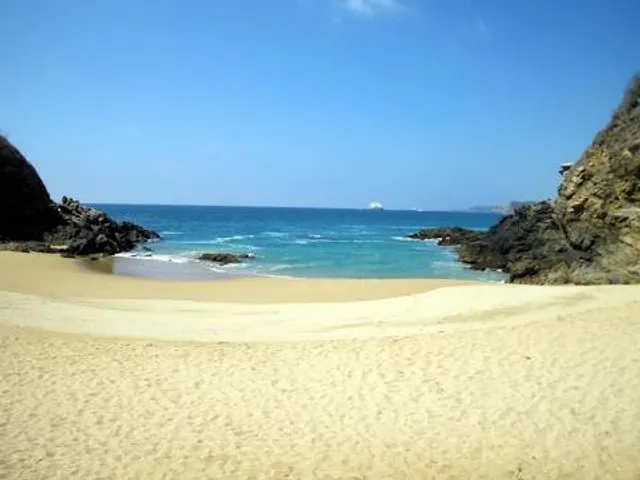
The Pacific Arch in Cabo San Lucas, located at the "end of the earth," is also known as Elephant Rock. It sits at the southernmost tip of Baja California, Mexico, marking the boundary between the Gulf of California and the Pacific Ocean. This massive sea-eroded arch in the ocean resembles a pterosaur drinking water, evoking images of Jurassic Park 🦖😆. It is an iconic tourist attraction, formed by years of wave and wind erosion on the cliffs that jut into the sea, standing at the confluence of the Pacific Ocean and the Gulf of California. 💕 The stone arch, shaped by the relentless forces of waves and wind over time, stands proudly at the meeting point of the Pacific Ocean and the Sea of Cortez (also known as the Gulf of California). It is affectionately called the "Gateway to the Pacific" and the "End of the Earth," while the nearby beach bears the poetic name "Lover's Beach" 💑. Every year in early December, the world's rare gray whales migrate from the distant Bering and Chukchi Seas to this warm bay to mate and give birth, returning in February of the following year. 🌸👧 The presence of gray whales has turned Los Cabos into a unique tourist destination and a world-renowned natural reserve for whales . If you visit during this season, you can witness the fascinating sight of gray whales enjoying their "honeymoon" 💕. #Taking My 80-Year-Old Mother Around the World 🇺🇳 #Mexico's 🇲🇽 Pacific Arch