

HTML SitemapExplore

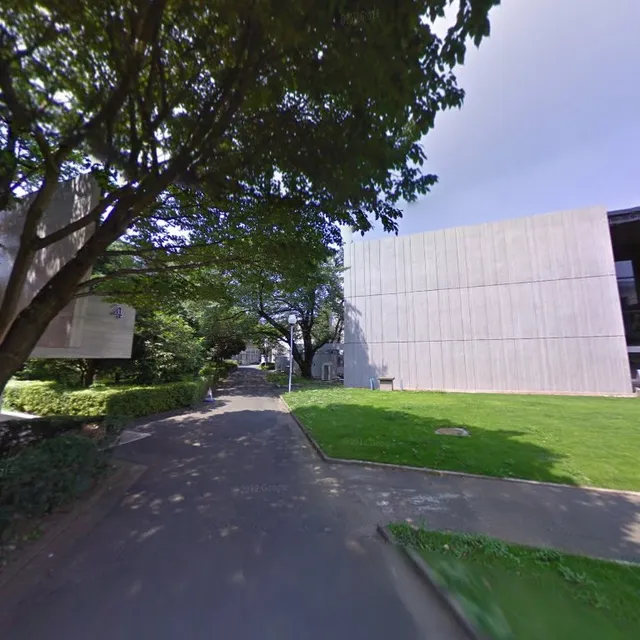
Musashino Art University Exhibition 🎨

πŸ‘€ Exhibition Highlights: πŸ”Έ African sculptures collected by EEM before the Expo πŸ”Έ The largest collection of folklore materials in Japan held by Musashino Art University πŸ”Έ Deities and earthenware from Papua New Guinea πŸ”Έ Traditional Japanese masks such as Jizō (Ksitigarbha), Tengu (goblin), and Kappa (water sprite) πŸ”Έ Repeated patterns on tapa cloth from the South Pacific πŸ‘‹ Five "Perspectives" for Viewing the Exhibition: 1⃣ How intricate is the production process? 2⃣ What materials are used? 3⃣ What do the patterns and colors signify? 4⃣ How are they used? What techniques are involved? 5⃣ What is ultimately being expressed? πŸ“¦ Rich Concurrent Events: 🎨 Badge and tote bag-making workshop (participate anytime during the exhibition period & special schedules) πŸ“š Three lectures (on African art / Miyamoto Tsuneichi / the history of folklore measurement) πŸ› Folklore Materials Room usually open on weekdays β†’ Open daily during the exhibition period (10:00-16:30) Looking at "culture" through "tools",this is not just an exhibition of folk utensils, but a rediscovery of human wisdom in daily life. #Japan #Tokyo πŸŒ‡#MusashinoArtUniversity 🎨 #ExhibitionHighlights 🌟
Related posts
Sakura SeasonTony Chi's Amazing Design 🌟Miyagi Β· Tashirojima 🐱Shueisha | The Holy Land of Japanese Manga πŸŒŸπŸ’– Ultimate Tokyo Travel Guide (1)Tokyo DisneySea
Frida Kahlo
Frida Kahlo
9 months ago
Frida Kahlo
Frida Kahlo
9 months ago
no-comment

No one has commented yet...

Musashino Art University Exhibition 🎨

πŸ‘€ Exhibition Highlights: πŸ”Έ African sculptures collected by EEM before the Expo πŸ”Έ The largest collection of folklore materials in Japan held by Musashino Art University πŸ”Έ Deities and earthenware from Papua New Guinea πŸ”Έ Traditional Japanese masks such as Jizō (Ksitigarbha), Tengu (goblin), and Kappa (water sprite) πŸ”Έ Repeated patterns on tapa cloth from the South Pacific πŸ‘‹ Five "Perspectives" for Viewing the Exhibition: 1⃣ How intricate is the production process? 2⃣ What materials are used? 3⃣ What do the patterns and colors signify? 4⃣ How are they used? What techniques are involved? 5⃣ What is ultimately being expressed? πŸ“¦ Rich Concurrent Events: 🎨 Badge and tote bag-making workshop (participate anytime during the exhibition period & special schedules) πŸ“š Three lectures (on African art / Miyamoto Tsuneichi / the history of folklore measurement) πŸ› Folklore Materials Room usually open on weekdays β†’ Open daily during the exhibition period (10:00-16:30) Looking at "culture" through "tools",this is not just an exhibition of folk utensils, but a rediscovery of human wisdom in daily life. #Japan #Tokyo πŸŒ‡#MusashinoArtUniversity 🎨 #ExhibitionHighlights 🌟

Tokyo
Musashino Art University
Musashino Art UniversityMusashino Art University