
The Mediterranean Powerhouse of the First Millennium BCE 🏟️(2)
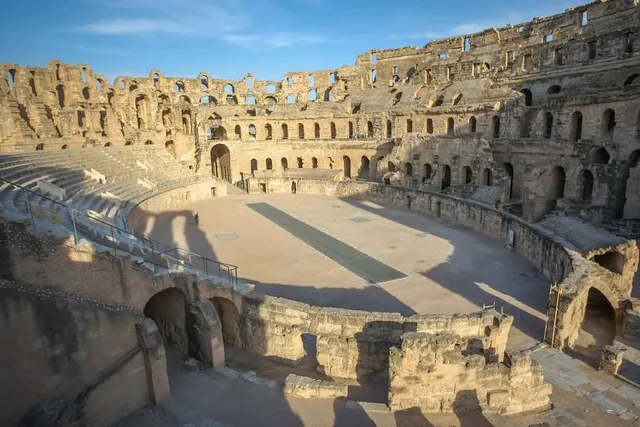
📸 A modern simulated restoration of Punic Carthage. In the foreground, the circular port is Cothon, the military harbor of Carthage.🌅 All of Carthage's warships (biremes) were moored here ⛵. 🏟️Imagine the bustling scene of sailors preparing for battle or returning victorious, the air filled with the smell of saltwater and the sound of creaking ships. 🌅The port was a well - organized and strategic facility, a testament to the advanced naval engineering of the Carthaginians. 📸 The ruins of the Antonine Baths during the Roman Carthage period. These baths were a symbol of luxury and social life in ancient times 🛁. People from all walks of life would gather here to relax, socialize, and conduct business. 🏟️The grand architecture, with its large halls and intricate decorations, reflected the power and wealth of Roman Carthage. 🌅 Walking through these ruins, you can almost hear the echoes of laughter and conversation from centuries ago.🌊 📸 The open - air theater. After modern renovations, the Carthage International Arts Festival has been held here every July and August since 1964 🎭. The festival brings together artists from around the world, showcasing a diverse range of performances, from traditional music and dance to contemporary theater. 🌊It's a great opportunity to immerse yourself in the exotic cultural atmosphere. By the way, Tunisia offers visa - free entry to Chinese citizens 🇨🇳. 🏟️ 🏟️So, it's a fantastic choice to come and experience this unique music and arts festival. Carthage's story is a fascinating blend of rise, fall, and rebirth.🌅 Its ruins stand as silent witnesses to the ebb and flow of history, inviting us to explore and learn from the past 📜. 🏟️Whether you're a history buff, an architecture enthusiast, or simply someone looking for a unique travel experience, a visit to the ruins of Carthage is an absolute must 🌍. #Ruins of Carthage #Carthage #Roman Empire #Punic Wars