

HTML SitemapExplore
logo
Find Things to DoFind The Best Restaurants

The Musée de l'Orangerie: Originally an Orange Grove 🍊

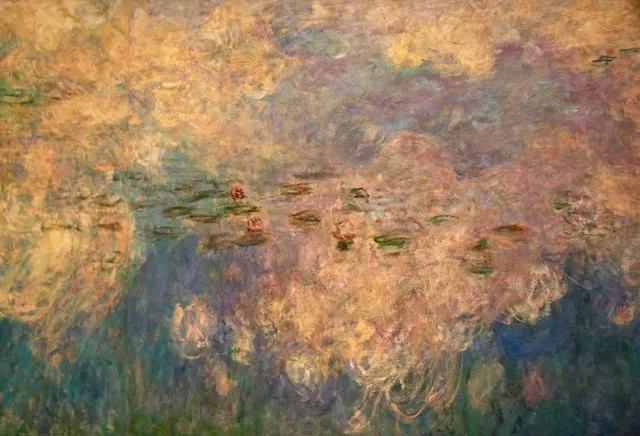
Today, the Musée de l'Orangerie is synonymous with Impressionist masters like Monet. But originally, it was exactly what its name suggests: a place for oranges. 🌳 In 1852, by the order of Napoleon III, a dedicated orangery greenhouse was built to keep the orange trees from the Tuileries Garden warm during the winter. The south side, facing the Seine River, was made of glass walls for ample sunlight, while the north side, facing the garden, was a thick stone wall to protect against the wind and retain heat. Its classical and understated style blended perfectly with its surroundings. 🌅 From then on, the orange trees had a true "home" and no longer needed to be moved to the basement of the Louvre every winter. 🍊 In 1870, the Second French Empire fell, and the following year, the Tuileries Palace was destroyed by fire. The orangery was nationalized and began to host various exhibitions, performances, and banquets, becoming a "multi-purpose event center." 🎭 This chaotic state continued for decades until after World War I, when the orangery finally saw a turning point and became a true art sanctuary, thanks to Claude Monet. 🎨 In 1918, just after the war ended, Monet wrote to Prime Minister Georges Clemenceau, offering to donate his series of "Water Lilies," which he had been working on for years, as a tribute to peace. Clemenceau suggested placing these works in the orangery, and Monet gladly accepted, not only donating the paintings but also participating in the design of the exhibition hall. 🌺 He collaborated with architect Lefèvre to arrange the eight large paintings in two oval-shaped rooms, forming an "∞" structure. Natural daylight was introduced from above, and the white walls created a serene atmosphere. The paintings were displayed along the curved walls, giving the impression of floating on water and creating a tranquil, fluid, and boundless immersive experience. 🌤️ In 1927, a few months after Monet's death, the "Water Lilies" exhibition hall was officially opened to the public. However, the initial response was lukewarm, and Impressionism was once considered outdated. The paintings were even blocked by walls, and the skylights were closed, completely against Monet's original vision. 🌧️ It wasn't until after World War II that Impressionism regained popularity, and the "Water Lilies" returned to public view. The 2000s renovation finally reopened the skylights, restoring the orangery to Monet's original concept. 🌤️ This greenhouse, originally built for oranges, has now become one of the quietest and most touching art sanctuaries in Paris and the world. #ArtLovers #Paris #MuséeDeLOrangerie #Museum #Monet #WaterLilies #Impressionism
Related posts
Paris Brunch Review: Benedict's Foie Gras Burger🗼 Eiffel Tower, Paris | When Dreams Meet RealityParis Two-Star Michelin | Guy Savoy in the Currency Museum🇫🇷 3-Day Paris ItineraryParis Brunch Diary | For Foie Gras Burgers, This Place is a MustParisian Elegance and Luxury at Restaurant ES
Avery Parker
Avery Parker
6 months ago
Avery Parker
Avery Parker
6 months ago

The Musée de l'Orangerie: Originally an Orange Grove 🍊

Today, the Musée de l'Orangerie is synonymous with Impressionist masters like Monet. But originally, it was exactly what its name suggests: a place for oranges. 🌳 In 1852, by the order of Napoleon III, a dedicated orangery greenhouse was built to keep the orange trees from the Tuileries Garden warm during the winter. The south side, facing the Seine River, was made of glass walls for ample sunlight, while the north side, facing the garden, was a thick stone wall to protect against the wind and retain heat. Its classical and understated style blended perfectly with its surroundings. 🌅 From then on, the orange trees had a true "home" and no longer needed to be moved to the basement of the Louvre every winter. 🍊 In 1870, the Second French Empire fell, and the following year, the Tuileries Palace was destroyed by fire. The orangery was nationalized and began to host various exhibitions, performances, and banquets, becoming a "multi-purpose event center." 🎭 This chaotic state continued for decades until after World War I, when the orangery finally saw a turning point and became a true art sanctuary, thanks to Claude Monet. 🎨 In 1918, just after the war ended, Monet wrote to Prime Minister Georges Clemenceau, offering to donate his series of "Water Lilies," which he had been working on for years, as a tribute to peace. Clemenceau suggested placing these works in the orangery, and Monet gladly accepted, not only donating the paintings but also participating in the design of the exhibition hall. 🌺 He collaborated with architect Lefèvre to arrange the eight large paintings in two oval-shaped rooms, forming an "∞" structure. Natural daylight was introduced from above, and the white walls created a serene atmosphere. The paintings were displayed along the curved walls, giving the impression of floating on water and creating a tranquil, fluid, and boundless immersive experience. 🌤️ In 1927, a few months after Monet's death, the "Water Lilies" exhibition hall was officially opened to the public. However, the initial response was lukewarm, and Impressionism was once considered outdated. The paintings were even blocked by walls, and the skylights were closed, completely against Monet's original vision. 🌧️ It wasn't until after World War II that Impressionism regained popularity, and the "Water Lilies" returned to public view. The 2000s renovation finally reopened the skylights, restoring the orangery to Monet's original concept. 🌤️ This greenhouse, originally built for oranges, has now become one of the quietest and most touching art sanctuaries in Paris and the world. #ArtLovers #Paris #MuséeDeLOrangerie #Museum #Monet #WaterLilies #Impressionism

Paris
Musée de l'Orangerie
Musée de l'OrangerieMusée de l'Orangerie
no-comment

No one has commented yet...