

HTML SitemapExplore
Find Things to DoFind The Best Restaurants

The Real City Beneath Snow Mountains—Pokhara

Where Snow Peaks Tower, Lake Glimmers, and Every Step Leads to Himalayan Warmth The first morning I woke in Pokhara, I pulled back the guesthouse curtain and instantly grasped the weight of "a city beneath snow mountains"—the distant Machhapuchhre (Fishtail Peak) glowed silver under the morning light, its snow-capped summit shimmering against the blue sky, while Phewa Lake’s waves crumpled that brilliance into golden fragments. Even the air carried the crispness of snow and the dampness of the lake. This isn’t a place "with snow mountains in the distance"; it’s a city where mountains squat at the edge, where you open a door and meet peaks, where the wind hums secrets of the Himalayas. 🏔️ Why "The Switzerland of the East"? Nestled in the southern foothills of the Himalayas in central Nepal, Pokhara feels cradled gently by snow mountains: To the north, the perpetually snow-covered Annapurna massif—its 8,091-meter main peak a silver barrier; to the southeast, Machhapuchhre, a playful presence, its 6,993-meter twin peaks peeking in and out of clouds. Locals say, "It’s the mountain god’s tail, never fully showing itself." The city is wrapped in valleys and lakes, with Phewa Lake—a sapphire in the center—holding snow-capped reflections. When sailboats glide across, even the peaks seem to sway. Lakeside, lined with cafes, craft shops, and flower trellises, lets you sip turmeric latte in a rattan chair, eyes lifting to snow mountains, gaze lowering to lake light. No wonder it’s called "the Switzerland of the East"—not a copy, but a place where "snow mountains and daily life intertwine seamlessly." 🥾 A Trekker’s "Starting Point" and "Sanctuary" For outdoor enthusiasts, Pokhara is the heart of the Annapurna trekking region. Each morning, Lakeside’s gear shops buzz: Hikers in jackets pick trekking poles, guides mark supply points on maps, and newly descended trekkers clink beers, saying, "Last night at the camp below Fishtail, the snow glowed bright enough to read by." From Pokhara, a 30-minute drive reaches the start of the Annapurna Base Camp (ABC) trek—a route cutting through the southern Annapurna foothills, offering up-close views of snow peaks, rhododendron forests, and mountain teahouses strung with prayer flags. And Pokhara itself? It’s the "buffer" before and after: Sore ? Get an oil massage. Hungry? Grab Sichuan pork intestines. Dusk? Row Phewa Lake to watch snow-capped sunsets—adventure and relaxation coexist here. 🌿 Daily Life Beneath Peaks: Even Breathing Feels Ceremonial Pokhara’s magic lies in snow mountains not being "sights," but part of local life. At 5 a.m., fishermen set out on Phewa Lake in wooden boats, their lanterns rippling, as distant peaks blush pink. "Snow mountains wake, then fish bite," they say. Afternoon markets: A vegetable seller gestures to Machhapuchhre, "Few clouds today—cold tonight." Even alley dogs know: When snow summits glow red, curl up under flower trellises—"Good weather like this doesn’t last." Stay long enough, and you’ll understand why Pokhara is a must-visit in Nepal. Not because it’s the second-largest city, but because it weaves snow grandeur, lake softness, trekking passion, and laid-back living into a one-of-a-kind "life worth living." On my last day, I returned to Phewa Lake. A local child pointed to the peaks: "Will you come back?" The wind lifted his shirt, and Annapurna winked through clouds. I knew the answer was "yes"—after all, this is a city where snow mountains "wait" for you. #CocoRun #Hiking #NepalTrekking #Pokhara #SnowMountainCity
Related posts
Nepal Trekking GuideThose treasure spots I keep coming back to in PokharaNepal's Most Memorable Cafe: Sipping Coffee with Snow Peaks in PokharaNepal Hiking food ShareNepali Food: It’s an Acquired Taste 🤐Nepal trip guide
Emma Watson
Emma Watson
6 months ago
Emma Watson
Emma Watson
6 months ago
no-comment

No one has commented yet...

The Real City Beneath Snow Mountains—Pokhara

Where Snow Peaks Tower, Lake Glimmers, and Every Step Leads to Himalayan Warmth The first morning I woke in Pokhara, I pulled back the guesthouse curtain and instantly grasped the weight of "a city beneath snow mountains"—the distant Machhapuchhre (Fishtail Peak) glowed silver under the morning light, its snow-capped summit shimmering against the blue sky, while Phewa Lake’s waves crumpled that brilliance into golden fragments. Even the air carried the crispness of snow and the dampness of the lake. This isn’t a place "with snow mountains in the distance"; it’s a city where mountains squat at the edge, where you open a door and meet peaks, where the wind hums secrets of the Himalayas. 🏔️ Why "The Switzerland of the East"? Nestled in the southern foothills of the Himalayas in central Nepal, Pokhara feels cradled gently by snow mountains: To the north, the perpetually snow-covered Annapurna massif—its 8,091-meter main peak a silver barrier; to the southeast, Machhapuchhre, a playful presence, its 6,993-meter twin peaks peeking in and out of clouds. Locals say, "It’s the mountain god’s tail, never fully showing itself." The city is wrapped in valleys and lakes, with Phewa Lake—a sapphire in the center—holding snow-capped reflections. When sailboats glide across, even the peaks seem to sway. Lakeside, lined with cafes, craft shops, and flower trellises, lets you sip turmeric latte in a rattan chair, eyes lifting to snow mountains, gaze lowering to lake light. No wonder it’s called "the Switzerland of the East"—not a copy, but a place where "snow mountains and daily life intertwine seamlessly." 🥾 A Trekker’s "Starting Point" and "Sanctuary" For outdoor enthusiasts, Pokhara is the heart of the Annapurna trekking region. Each morning, Lakeside’s gear shops buzz: Hikers in jackets pick trekking poles, guides mark supply points on maps, and newly descended trekkers clink beers, saying, "Last night at the camp below Fishtail, the snow glowed bright enough to read by." From Pokhara, a 30-minute drive reaches the start of the Annapurna Base Camp (ABC) trek—a route cutting through the southern Annapurna foothills, offering up-close views of snow peaks, rhododendron forests, and mountain teahouses strung with prayer flags. And Pokhara itself? It’s the "buffer" before and after: Sore ? Get an oil massage. Hungry? Grab Sichuan pork intestines. Dusk? Row Phewa Lake to watch snow-capped sunsets—adventure and relaxation coexist here. 🌿 Daily Life Beneath Peaks: Even Breathing Feels Ceremonial Pokhara’s magic lies in snow mountains not being "sights," but part of local life. At 5 a.m., fishermen set out on Phewa Lake in wooden boats, their lanterns rippling, as distant peaks blush pink. "Snow mountains wake, then fish bite," they say. Afternoon markets: A vegetable seller gestures to Machhapuchhre, "Few clouds today—cold tonight." Even alley dogs know: When snow summits glow red, curl up under flower trellises—"Good weather like this doesn’t last." Stay long enough, and you’ll understand why Pokhara is a must-visit in Nepal. Not because it’s the second-largest city, but because it weaves snow grandeur, lake softness, trekking passion, and laid-back living into a one-of-a-kind "life worth living." On my last day, I returned to Phewa Lake. A local child pointed to the peaks: "Will you come back?" The wind lifted his shirt, and Annapurna winked through clouds. I knew the answer was "yes"—after all, this is a city where snow mountains "wait" for you. #CocoRun #Hiking #NepalTrekking #Pokhara #SnowMountainCity

Pokhara
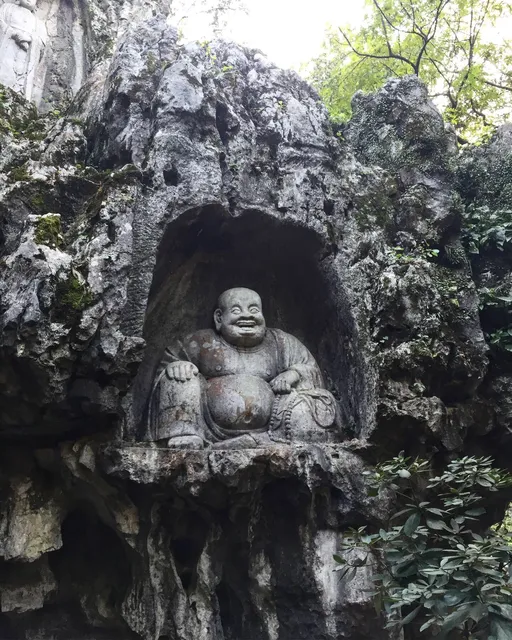
Feilai Peak
Feilai PeakFeilai Peak