

HTML SitemapExplore

Ueno Zoo: Landscape Design Features 🌳

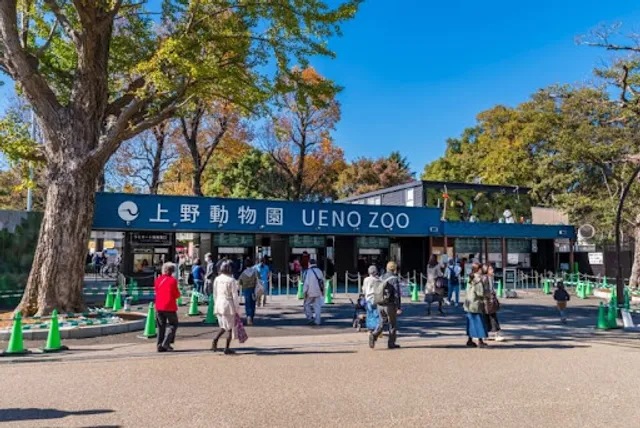
The landscape design of Ueno Zoo is primarily characterized by the following four points: 🎢🍃 Natural Migration of Scenery 🌺🌇The zoo incorporates bamboo groves reminiscent of pandas' natural habitat, transitioning from the rural landscapes of Sichuan, China, to coniferous forest landscapes. By carefully adjusting tree species, stones, artificial rocks, and artificial trees, the design captures the essence of natural evolution. 🌿 🎢🍃 Three-Dimensional Composition 🌺🌇The undulating design of the enclosures encourages healthy activity for the pandas and provides a dynamic viewing experience. The pathways are designed with slopes to guide visitors' gaze up and down, adding visual interest and making it easier to observe the animals even in crowded conditions. 🎢🍃 This integrated design connects the Ueno hillscape. 🌋 Integration of Nature and Artificial Elements 🌺🌇 Carefully selected stones and trees are used to create highly detailed artificial rocks and trees. A variety of colorful shrubs and ground covers are used to blend the edges of artificial elements seamlessly into the natural landscape, achieving a harmonious design that feels almost natural. 🌳 🎢🍃 Scene Transition through Reversal of Main and Secondary Elements The bamboo groves that serve as the main scenery at the entrance are used as the background for the panda area. 🌿🌟 The stones and facilities that were secondary at the entrance become the main focus in the panda zone. This clever use of limited materials within a confined space achieves a successful scene transition. 🌿 🌿🌟 #FumitoNoda #LandscapeDesign #UenoZoo 🌟
Related posts
Sakura SeasonTony Chi's Amazing Design 🌟Miyagi · Tashirojima 🐱Shueisha | The Holy Land of Japanese Manga 🌟💖 Ultimate Tokyo Travel Guide (1)Tokyo DisneySea
Jennifer Lopez
Jennifer Lopez
8 months ago
Jennifer Lopez
Jennifer Lopez
8 months ago
no-comment

No one has commented yet...

Ueno Zoo: Landscape Design Features 🌳

The landscape design of Ueno Zoo is primarily characterized by the following four points: 🎢🍃 Natural Migration of Scenery 🌺🌇The zoo incorporates bamboo groves reminiscent of pandas' natural habitat, transitioning from the rural landscapes of Sichuan, China, to coniferous forest landscapes. By carefully adjusting tree species, stones, artificial rocks, and artificial trees, the design captures the essence of natural evolution. 🌿 🎢🍃 Three-Dimensional Composition 🌺🌇The undulating design of the enclosures encourages healthy activity for the pandas and provides a dynamic viewing experience. The pathways are designed with slopes to guide visitors' gaze up and down, adding visual interest and making it easier to observe the animals even in crowded conditions. 🎢🍃 This integrated design connects the Ueno hillscape. 🌋 Integration of Nature and Artificial Elements 🌺🌇 Carefully selected stones and trees are used to create highly detailed artificial rocks and trees. A variety of colorful shrubs and ground covers are used to blend the edges of artificial elements seamlessly into the natural landscape, achieving a harmonious design that feels almost natural. 🌳 🎢🍃 Scene Transition through Reversal of Main and Secondary Elements The bamboo groves that serve as the main scenery at the entrance are used as the background for the panda area. 🌿🌟 The stones and facilities that were secondary at the entrance become the main focus in the panda zone. This clever use of limited materials within a confined space achieves a successful scene transition. 🌿 🌿🌟 #FumitoNoda #LandscapeDesign #UenoZoo 🌟

Tokyo
Ueno Zoo
Ueno ZooUeno Zoo