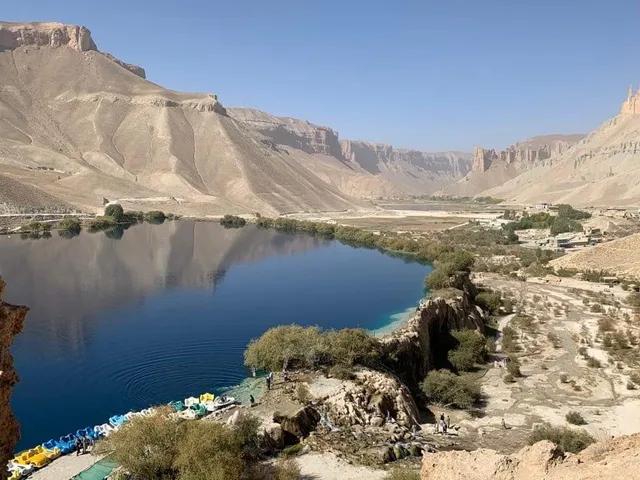
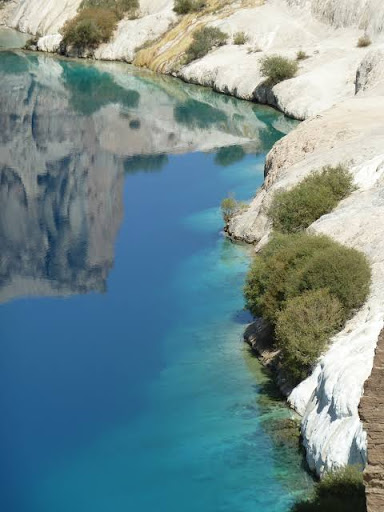
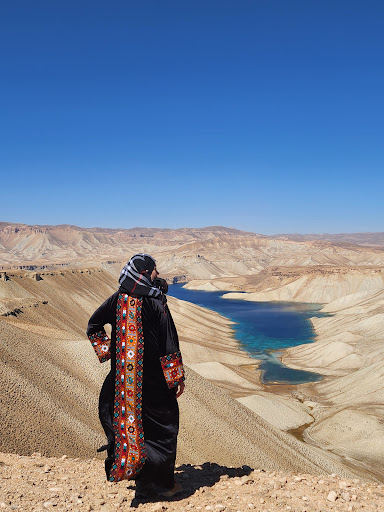
Band-e Amir National Park is Afghanistan's first national park, located in the Bamyan Province. It is a series of six deep blue lakes separated by natural dams made of travertine, a mineral deposit. The lakes are situated in the Hindu Kush mountains of central Afghanistan at approximately 3000 m of elevation, west of the famous Buddhas of Bamiyan. They were created by the carbon dioxide rich water oozing out of the faults and fractures to deposit calcium carbonate precipitate in the form of travertine walls that today store the water of these lakes. Band-e Amir is one of the few rare natural lakes in the world which are created by travertine systems. The site of Band-e Amir has been described as Afghanistan's Grand Canyon, and draws thousands of tourists a year. The river is part of the system of the Balkh River. The name Band-e Amir literally means "Commander's Dam" which is believed by some to be a reference to Ali, the fourth Caliph of the Muslims. The area is dominated by ethnic Hazaras, who make up around 8-15% of Afghanistan's population and the most of them are followers of Shia Islam. Band-e Amir was to become Afghanistan's first national park in the 1960s but this was delayed due to political crises and the decades of wars. Parts of the 1975 Bollywoodfilm Dharmatma, with Feroz Khan and Hema Malini, were filmed at the Band-e Amir National Park. In 2004, Band-e Amir was submitted for recognition as a World Heritage site. In 2009, Band-e Amir was finally declared Afghanistan's first national park. As of 2013, about 6,000 local tourists visit the Band-e Amir National Park every year. The area is protected by a small number of park rangers. The local people in Band-e-Amir National Park rely heavily on the park's natural resources for their livelihood. Grazing of livestock, collection of shrubs for fuel and winter fodder and rain-fed farming is still widely practiced within the park boundary. Although the illegal hunting of birds and a few mammals living in the park is formally prohibited by the park office, there is no current data to evaluate the status of wildlife and biodiversity. After the formal establishment of the park in 2009, a park office with a park warden and a group of rangers was installed to manage the conservation and protection of park natural resources. Wildlife Conservation Society (WCS) is the only non-government organization with an office in the park. WCS supports park staff and works with the local community to promote conservation and sustainable use of natural resources. Ecotourism is expected to decrease local economic dependency on the park's natural resources. Tourists visit Band-e-Amir primarily in the summer months when the weather is warm. A poor local economy and limited outside investment have hampered efforts to attract...
Read moreﻣﻮﻗﻌﻴﺖ ﺟﻐﺮﺍﻓﻴﺎﻳﻲ ﺑﻨﺪﺍﻣﻴﺮ : ﻋﻨﻮﺍﻥ « ﺗﻨﻬﺎ ﭘﺎﺭﻙ ﻣﻠّﻲ ﺍﻓﻐﺎﻧﺴﺘﺎﻥ » ﺑﻴﺎﻧﮕﺮ ﺍﻫﻤﻴّﺖ ﻭ ﺍﺳﺘﺮﺍﺗﮋﻱ ﺟﻐﺮﺍﻓﻴﺎﻳﻲ ﻣﻨﻄﻘﻪ ﺑﻨﺪ ﺍﻣﻴﺮ ﻣﻲﺑﺎﺷﺪ . ﺑﻨﺪ ﺍﻣﻴﺮ ﺩﺭ 75 ﻛﻴﻠﻮﻣﺘﺮﻱ ﺷﻤﺎﻝ ﻏﺮﺏ ﻭﻻﻳﺖ ﺑﺎﻣﻴﺎﻥ ﻭ ﺩﺭ 34 ﻛﻴﻠﻮﻣﺘﺮﻱ ﻭ ﻟﺴﻮﺍﻟﻲ ﻳﻜﺎﻭﻟﻨﮓ ﻗﺮﺍﺭ ﺩﺍﺭﺩ . ﭘﺎﺭﻙ ﻣﻠﻲ ﺑﻨﺪ ﺍﻣﻴﺮ 75000 ﻫﻜﺘﺎﺭ ﺯﻣﻴﻦ ﺭﺍ ﺷﺎﻣﻞ ﻣﻲ ﺷﻮﺩ . ﺍﺭﺗﻔﺎﻉ ﻧﺎﺣﻴﻪ ﻣﺬﻛﻮﺭ ﺍﺯ ﺳﻄﺢ ﺩﺭﻳﺎ 2909 ﻣﺘﺮ ﺍﺳﺖ . ﻛﻪ ﺩﺭ ﻃﻮﻝ ﺍﻟﺒﻠﺪ 67-11-22 ﺷﺮﻗﻲ ﻭ ﻋﺮض ﺍﻟﺒﻠﺪ 34-49-19 ﺷﻤﺎﻟﻲ ﻭ ﺩﺭ ﻣﻴﺎﻥ ﺳﻠﺴﻠﻪ ﺟﺒﺎﻝ ﻫﻨﺪﻭﻛﺶ ﻭ ﺑﺎﺑﺎ ﻗﺮﺍﺭ ﺩﺍﺭﺩ . ﺁﺏ ﻛﻮﻩ ﻫﺎﻱ ﻣﺮﺗﻔﻊ ﻭ ﺑﺮﻓﮕﻴﺮ ﺍﻃﺮﺍﻑ ﺑﻪ ﺩﺭﻳﺎﭼﻪ ﻫﺎی این منطقه ﻧﻔﻮﺫ ﻣﻲ ﻛﻨﺪ، ﻭ ﺑﺎ ﻣﺤﻠﻮﻝ ﺁﻫﻚ ﻭ ﻛﻠﺴﻴﻢ ﻛﺎﺭﺑﻮﻧﺖ ﻣﺨﻠﻮﻁ ﮔﺸﺘﻪ ﺍﺯ ﺩﻫﺎﻧﻪ ﺧﺮﻭﺟﻲ ﺟﺮﻳﺎﻥ ﺁﺏ ﺑﻪ ﺷﻜﻞ ﺷﻴﺮ ﺁﺑﻲ ﺩﺭ ﻣﻲ ﺁﻳﺪ . ﺟﺪﺍﺭﻩ ﻫﺎﻱ ﺍﻃﺮﺍﻑ ﻛﻪ ﺍﻛﺜﺮﺍً ﺍﺯ ﺳﻨﮓ ﻫﺎﻱ ﺭﺳﻮﺑﻲ ﺗﺸﻜﻴﻞ ﻳﺎﻓﺘﻪ ﺍﺳﺖ ﺑﻄﻮﺭ ﻃﺒﻴﻌﻲ ﺳﺎﺧﺘﻤﺎﻥ ﻫﺎﻱ ﺑﺴﻴﺎﺭزیبا ﻭ ﺩﻳﺪﻧﻲ ﺭﺍ ﺑﻪ ﻭﺟﻮﺩ ﺁﻭﺭﺩﻩ است. ﻛﻪ ﺷﻜﻞ ﻛﻨﻮﻧﻲ ﺍﻳﻦ ﺟﺪﺍﺭﻩ ﻫﺎ ﺟﺬﺍﺑﻴﺖ ﻣﻨﻈﺮﻩ ﻣﺬﻛﻮﺭ ﺭﺍ ﺩﻭ ﭼﻨﺪﺍﻥ ﻛﺮﺩﻩ ﺍﺳﺖ . ﺩﺭ ﻣﺮﻛﺰ ﭘﺎﺭﻙ ﻣﻠﻲ ﺑﻨﺪ ﺍﻣﻴﺮ ﺷﺶ ﺳﺪ (دریاچه های طبیعی) ﻛﻮﭼﻚ ﻭ ﺑﺰﺭﮒ ﻭﺟﻮﺩ ﺩﺍﺭﺩ ﺑﻪ ﻧﺎﻡ ﻫﺎﻱ : ﺑﻨﺪ ﺫﻭﺍﻟﻔﻘﺎﺭ، ﺑﻨﺪ ﭘﻮﺩﻳﻨﻪ، ﺑﻨﺪ ﭘﻨﻴﺮ، ﺑﻨﺪ ﻫﻴﺒﺖ، ﺑﻨﺪ ﻗﻨﺒﺮ، ﻭ ﺑﻨﺪ ﻏﻼﻣﺎﻥ ﻛﻪ ﺑﻪ ﻃﻮﺭ ﻃﺒﻴﻌﻲ ﺩﺭ ﻃﻮﻝ ﻫﻢ ﻗﺮﺍﺭ ﺩﺍﺭﺩ . ﺁﺏ ﻫﺮ ﻳﻚ ﺍﺯ ﺍﻳﻦ ﺳﺪﻫﺎﻱ ﻃﺒﻴﻌﻲ ﺑﻪ ﭘﺎﻳﻴﻦ ﺩﺭﻩ ﺳﺮﺍﺯﻳﺮ ﻣﻲ ﺷﻮﺩ ﻛﻪ ﺩﺭ ﻧﺘﻴﺠﻪ ﭼﻨﺪﻳﻦ ﺁﺑﺸﺎﺭ ﺑﺴﻴﺎﺭ ﺯﻳﺒﺎ ﺑﻪ ﻭﺟﻮﺩ ﺁﻭﺭﺩﻩ ﺍند . ﺩﺭ ﺩﺍﺧﻞ ﻣﺤﺪﻭﺩﻩ ﭘﺎﺭﻙ ﻣﻠﻲ ﺑﻴﺶ ﺍﺯ ﺑﻴﺴﺖ ﻗﺮﻳﻪ ﻭﺟﻮﺩ ﺩﺍﺭﺩ . ﺩﺭ ﻗﺴﻤﺖ ﻣﺮﻛﺰﻱ ﭘﺎﺭﻙ ﻣﻠﻲ ﻭ ﺩﺭ ﻣﻨﺘﻬﻲ ﺍﻟﻴﻪ ﺑﻨﺪ ﻫﻴﺒﺖ ﻳﻚ ﺑﻨﺎﻱ ﺗﺎﺭﻳﺨﻲ ﻭﺟﻮﺩ ﺩﺍﺭﺩ ﻛﻪ ﻗﺪﻣﺖ ﺁﻥ ﺑﻪ ﺣﺪﻭﺩ ﺻﺪ ﺳﺎﻝ ﻣﻲ ﺭﺳﺪ ﻣﻌﺮﻭﻑ ﻭ ﻣﺸﻬﻮﺭ ﺑﻪ « ﻣﺰﺍﺭ ﺑﻨﺪ ﺍﻣﻴﺮ» ﻣﻲ ﺑﺎﺷﺪ، ﺩﺭ ﻛﻨﺎﺭ ﺑﻘﻌﺔ ﻣﺬﻛﻮﺭ ﺁﺭﺍﻣﮕﺎﻩ ﭼﻨﺪ ﺗﻦ ﺍﺯﺑﺰﺭﮔﺎﻥ محل قرار دارد. ﻣﺮﺩﻡ ﺑﻮمی،ﺍﻳﻦ ﺯﻳﺎﺭﺗﮕﺎﻩ ﺭﺍ ﻣﻘﺪس ﺷﻤﺮﺩﻩ ﻭ ﺑﻌﻨﻮﺍﻥ ﻗﺪﻣﮕﺎﻩ امام ﻋﻠﻲ (ﻋﻠﻴﻪ ﺍﻟﺴﻼﻡ ) ﺍﺯ ﺧﺎﻙ ﺍﻃﺮﺍﻑ ﺁﻥ ﺑﺮﺍﻱ ﺗﺒﺮﻙ ﺑﺮمی دارند. ﺩﺭ ﺳﺎﻝ ﻫﺎﻱ ﻗﺒﻞ ﺍﺯ ﺟﻨﮓ، ﺗﻮﺭﻳﺴﺖ ( ﺗﻮﺭﯾﺰﻡ ) ﺑﻌﻨﻮﺍﻥ ﻳﻚ ﻣﻨﺒﻊ ﺩﺭﺁﻣﺪ ﺍﻗﺘﺼﺎﺩﻱ ﺑﺮﺍﻱ ﻣﺮﺩﻡ ﻣﻨﻄﻘﻪ ﻣﺤﺴﻮﺏ ﻣﻲ ﺷﺪ . جهانگردانﻭ ﺳﻴﺎﺣﺎﻥ پس از ﺩﻳﺪﻥ ﺩﻭ ﻣﺠﺴﻤﻪ ﺑﺰﺭﮒ ﺷﻬﺮ ﺑﺎﻣﻴﺎن،ﺟﻬﺖ ﮔﺮﺩﺵ و ﺗﻔﺮﻳﺢ ﺑﻪ ﺑﻨﺪ ﺍﻣﻴﺮ ﻣﻲ ﺁﻣﺪﻧﺪ . ﺑﺎ ﺁﻏﺎﺯ ﺟنگ ﻣﺮﺩﻡ ﻣﺴﻠﻤﺎﻥ ﺍﻓﻐﺎﻧﺴﺘﺎﻥ ﻋﻠﻴﻪ ﺍﺭﺗﺶ ﺷﻮﺭﻭﻱ، ﺑﺴﺎﻁ ﺗﻮﺭﻳﺰﻡ ﺍﺯ ﺍﻳﻦ ﻧﺎﺣﻴﻪ ﺑﻄﻮﺭ ﻛﻠﻲ ﺑﺮﭼﻴﺪﻩ ﺷﺪ ﻭ ﺍﻳﻦ ﻭﺿﻊ ﺩﺭ ﺩﻭﺭﺍﻥ ﺟﻨﮓ ﻫﺎﻱ ﺩﺍﺧﻠﻲ ﺍﺣﺰﺍﺏ ﻭ ﻫﻢ ﭼﻨﻴﻦ ﺩﺭ ﺩﻭﺭﺍﻥ ﺣﻜﻮﻣﺖ ﻃﺎﻟﺒﺎﻥ ﺍﺩﺍﻣﻪ ﺩﺍﺷﺖ . ﭘﺲ ﺍﺯ ﺳﻘﻮﻁ ﺭﮊﻳﻢ ﻃﺎﻟﺒﺎﻥ ﻭ ﺭﻭﻱ ﻛﺎﺭ ﺁﻣﺪﻥ ﺩﻭﻟﺖ ﺟﻤﻬﻮﺭﯼ ﺍﺳﻼﻣﯽ ﺑﻪ ﺭﻳﺎﺳﺖ ﺁﻗﺎﻱ ﺣﺎﻣﺪ ﻛﺮﺯﻱ، ﺑﻨﺪ ﺍﻣﻴﺮ ﺳﺎﻝ ﺑﻪ ﺳﺎﻝ ﺟﻤﻌﻴﺖ ﺍﻓﺰﻭﻧﺘﺮﻱ ﺑﻪ ﺧﻮﺩ ﺟﺬﺏ ﻧﻤﻮﺩﻩ ﻭ ﺭﻭﻧﻖ ﺑﻴﺸﺘﺮ ﭘﻴﺪﺍ ﻛﺮﺩه است . ﺑﻪ ﺩﻟﻴﻞ ﺍﺷﺘﻴﺎﻕ ﺳﺮﻣﺎﻳﻪ ﺩﺍﺭﺍﻥ ﺧﺎﺭﺝ ﺍﺯ ﻣﻨﻄﻘﻪ ﺑﻪ ﺳﺮﻣﺎﻳﻪ ﮔﺬﺍﺭﻱ ﺩﺭ ﺑﻨﺪ ﺍﻣﻴﺮ ﻭ ﭘﻼﻧﻬﺎﻱ ﻣﺘﻌﺪﺩﻱ ﻛﻪ ﺩﻭﻟﺖ ﺩﺭ ﺍﻳﻦ ﺳﺎﺣﻪ ﺩﺭ ﻧﻈﺮ ﺩﺍﺭﺩ، اهالی بند امیر، ﺩﺭ ﺳﺎﻝ 1385 ﮔﺮﺩ ﻫﻢ ﺁﻣﺪﻩ ﻭ ﻳﻚ ﺷﻮﺭﺍﻱ ﺭﺍ ﺗﺤﺖ ﻋﻨﻮﺍﻥ « ﺷﻮﺭﺍﻱ ﻫﻤﺎﻫﻨﮕﻲ ﺑﻨﺪﺍﻣﻴﺮ » ﺗﺄﺳﻴﺲ ﻭ ﺁﻥ ﺭﺍ ﺩﺭ ﻭﺯﺍﺭﺕ ﻋﺪﻟﻴﻪ ﺍﻓﻐﺎﻧﺴﺘﺎﻥ ﺛﺒﺖ ﻭ ﺭﺍﺟﺴﺘﺮ ﻛﺮﺩه اﻧﺪ . ﺍﻓﺮﺍﺩﻱ ﻛﻪ ﺑﻪ ﺑﻨﺪﺍﻣﻴﺮ ﻣﺮﺍﺟﻌﻪ ﻣﻲ ﻛﻨﻨﺪ ﺷﺎﻣﻞ ﺳﻪ ﺩﺳﺘﻪ ﻣﺮﺩﻡ ﺍﻧﺪ : .1 ﺟﻬﺎﻧﮕﺮﺩﺍﻥ ﻭ ﺳﻴﺎﺣﺎﻥ ﻛﻪ ﺑﻴﺸﺘﺮ ﺑﻪ ﻣﻨﻈﻮﺭ ﻛﺎﺭﻫﺎﻱ ﺗﺤﻘﻴﻘﺎﺗﻲ ﺩﺭ ﺯﻣﻴﻨﻪ ﻫﺎﻱ ﺁﺏ، ﺳﻨﮓ، ﻣﺎﻫﻲ ﻫﺎ، ﭘﺮﻧﺪﮔﺎﻥ ﻭ ... ﺑﻪ ﺍﻳﻨﺠﺎ ﻣﺮﺍﺟﻌﻪ ﻣﻲ ﻛﻨﻨﺪ . .2 ﺍﻓﺮﺍﺩ ﺑﻮﻣﻲ ﻛﻪ ﺍﻛﺜﺮﺍً ﺍﺯ ﺷﻬﺮﻫﺎ ﻭ ﺑﻪ ﻣﻨﻈﻮﺭ ﺳﭙﺮﻱ ﻛﺮﺩﻥ ﺍﻳﺎﻡ ﺗﻌﻄﻴﻞ ﻭ ﺗﻔﺮﻳﺢ ﻭ ﺗﻨﺰّﻩ ﺑﻪ ﺍﻳﻦ ﺟﺎ ﻣﺮﺍﺟﻌﻪ ﻣﻲ ﻛﻨﻨﺪ . .3 ﺍﻓﺮﺍﺩ ﺑﻮﻣﻲ ﻛﻪ ﺍﻛﺜﺮﺍً ﺍﺯ ﻗﺮﻳﻪ ﺟﺎﺕ ﺑﻪ ﺍﻳﻦ ﺟﺎ ﻣﺮﺍﺟﻌﻪ ﻣﻲ ﻛﻨﻨﺪ ﻛﻪ ﻫﺪﻓﻲ ﺟﺰ ﺯﻳﺎﺭﺕ ﻗﺪﻣﮕﺎﻩ ﻣﻮﻻ ﻋﻠﻲ ( ﻋﻠﻴﻪ ﺍﻟﺴﻼﻡ ) ﻭ ﮔﺮﻓﺘﻦ ﺣﺎﺟﺖ ﻧﺪﺍﺭﻧﺪ . ﻃﺒﻖ ﺁﻣﺎﺭ ﺑﻪ ﺩﺳﺖ ﺁﻣﺪﻩ ﺑﻴﺸﺘﺮﻳﻦ ﻣﺮﺍﺟﻌﻪ ﻛﻨﻨﺪﻩ ﺭﺍ ﺩﺳﺘﻪ ﺳﻮﻡ ﺗﺸﻜﻴﻞ ﻣﻲ ﺩﻫﻨﺪ . ﺩﺭ ﻣﯿﺎﻥ ﺑﺎﻣﯿﺎﻧﯽ ﻫﺎ، ﺍﯾﻦ ﺭﻭﺍﯾﺖ ﮐﻪ ﺍﯾﻦ ﺑﻨﺪ ﺭﺍ ﺣﻀﺮﺕ ﻋﻠﯽ ( ع ) ﺧﻠﯿﻔﻪ ﭼﻬﺎﺭﻡ ﻣﺴﻠﻤﺎﻧﺎﻥ ﺑﻨﺎ ﻧﻬﺎﺩﻩ ﺍﺳﺖ ﻭﺟﻮﺩ ﺩﺍﺭﺩ . ﺁﻧﺎﻥ ﻣﺪﻋﯽ ﺍﻧﺪ ﮐﻪ ﻋﻠﯽ ( ع ) ﺑﻌﺪ ﺍﺯﻣﺴﻠﻤﺎﻥ ﮐﺮﺩﻥ ﭘﺎﺩﺷﺎﻩ ﺑﺮﺑﺮ، ﮐﺸﺘﻦ ﺍﮊﺩﻫﺎﻱ ﺑﺎﻣﯿﺎﻥ ﻭ ﺑﺴﺘﻦ ﺑﻨﺪ، ﺩﺭﻳﻚ ﮔﻮﺷﻪﺀ ﺍﺯﺍﻳﻦ ﻣﻜﺎﻥ ﻧﻤﺎﺯ ﺷﮑﺮﺍﻧﻪ ﺍﺩﺍ ﻧﻤﻮﺩﻩ ﺍﺳﺖ . ﺟﺎﯼ ﮐﻪ ﺍﻣﺮﻭﺯﻋﺪﻩﺀ ﺍﺯ ﻣﺮﺩﻡ ﺑﻮﻣﯽ ﺑﻪ ﺁﻥ ﺑﻪ ﻋﻨﻮﺍﻥ ﻗﺪﻣﮕﺎﻩ ﺣﻀﺮﺕ ﻋﻠﯽ ( ﻙ ) ﺑﺎﻭﺭ ﺩﺍﺭﻧﺪ. طبق نقل موجود میان مردم محل، ﺩﺭ ﺯﻣﺎﻥ ﺩﻭﺩﻣﺎﻥ « ﺑﺮﺑﺮﻫﺎ » ﭘﺎﺩﺷﺎﻩ ﺑﺮﺑﺮ، ﻫﺰﺍﺭﺍﻥ ﻣﺮﺩ ﮐﺎﺭﮔﺮ ﺭﺍ ﺍﺯ ﺻﺒﺢ ﺗﺎ ﺷﺎﻡ ﺟﺒﺮﺍً ﻭﺍﺩﺍﺭ ﺑﻪ ﺑﺴﺘﻦ ﺍﯾﻦ ﺑﻨﺪ ﻣﯽ ﮐﺮﺩﻩ ﻭﻟﻲ ﺷﺎﻡ ﻫﻤﺎﻥ ﺭﻭﺯ، ﺁﺏ ﺩﻭﺑﺎﺭﻩ ﺯﺣﻤﺎﺕ ﻫﺰﺍﺭﺍﻥ ﮐﺎﺭﮔﺮ ﺭﺍ ﺑﻪ ﻫﺪﺭ ﺩﺍﺩﻩ ﻭ ﺑﻨﺪ ﺭﺍ ﺑﺎﺧﻮﺩ ﻣﯽ ﺑﺮﺩﻩ ﺍﺳﺖ . ﺗﺎ ﺍﯾﻨﮑﻪ ﺣﻀﺮﺕ ﻋﻠﯽ ( ﻙ ) ﺑﻪ ﺍﯾﻦ ﻣﺤﻞ ﮔﺬﺭﻣﯽ ﮐﻨﺪ ﻭ ﺑﺎ ﺷﻤﺸﯿﺮﺵ « ذوالفقار » ﮐﻮﻩ ﺭﺍ ﺩﻭﻧﯿﻢ ﻭ ﺑﺎ ﺁﻥ ﭘﯿﺶ ﺭﻭﯼ ﺁﺏ ﺭﺍ ﺳد میکند. ﻋﺪﻩﺀ ﺩﯾﮕﺮ ﺍﺯ ﻣﺮﺩﻡ ﺑﻮﻣﯽ ﺑﺎﻣﯿﺎﻥ ﺑﻪ ﺍﯾﻦ ﺑﺎﻭﺭ ﻫﺴﺘﻨﺪ ﮐﻪ ﺁﺏ ﺑﻨﺪ ﺍﻣﯿﺮ، ﺷﻔﺎ ﺑﺨﺶ ﺍﻣﺮﺍﺽ ﺍﺳﺖ . ﻟﺬﺍ ﺑﺎ ﻧﺎﺩﯾﺪﻩ ﮔﺮﻓﺘﻦ ﺳﺮﺩﯼ ﻫﻮﺍ، ﺧﻮﺩ ﯾﺎ ﺍﻃﻔﺎﻝ ﺧﻮﺩ ﺭﺍ ﺑﺎ ﺁﺏ ﺳﺮﺩ ﺁﻥ ﺷﺴﺖ ﻭﺷﻮ ﻣﯽ ﺩﻫﻨﺪ. ﺩﺭﭘﻠﻪ ﻫﺎﯼ ﺩﺭب ﻭﺭﻭﺩﻱ قدمگاه (زیارتگاه)که به صورت اتاقی دیده میشود، تعداد زیادی ﻗﻔﻞ ﺁﻭﯾﺨﺘﻪ ﺷﺪﻩ است. ﺍﯾﻦ ﻗﻔﻞ ﻫﺎ ﺭﺍ ﻣﺮﺩﻡ ﺑﻪ ﺩﺭ ﺍﺗﺎﻕ ﻣﯽ ﺁﻭﯾﺰﻧﺪ ﺗﺎﺣﺎﺟﺎﺕ شاﻥ ﺑﺮﺁﻭﺭﺩﻩ ﺷﻮﺩ .به اعتقاد زایران ﻫﺮﮐﺲ ﯾﮑ یاﭼﻨﺪ ﺗﺎ ﺍﺯﺍﯾﻦ ﻗﻔﻞ ﻫﺎ ﺭﺍ ﺑﺎﺯ ﮐﻨﺪ، ﺩﺭ ﺁﻥ ﺻﻮﺭﺕ ﺑﻪ ﻣﺮﺍﺩﺵ ﻣﻴﺮﺳﺪ . ﺟﺪﺍ ﺍﺯﭼﻨﻴﻦ ﺑﺎﻭﺭﻫﺎ ﺍﺯ ﺑﻨﺪ ﺍﻣﯿﺮ ﻭ ﺗﺎﺭﯾﺨﭽﻪ ﺍﯾﺠﺎﺩ ﺁﻥ، ﻫﻤﻪ ﺁﻧﺎﻧﯽ ﮐﻪ ﺑﻪ ﺍﯾﻦ ﺑﻨﺪ ﺁﻣﺪﻩ ﺍﻧﺪ ﺍﺯ ﮐﻤﺒﻮﺩ ﺗﺴﻬﯿﻼﺕ ﮔﺮﺩﺷﮕﺮﯼ ﺷﮑﺎﯾﺖ ﺩﺍﺭﻧﺪ. ﺑﺴﻴﺎﺭﻱ ﺍﺯ خدمات در حد ابتدایی آن وجود دارد. ﺍﻳﻦ ﺧﺪﻣﺎﺕ ﺷﺎﻣﻞ 11 ﺑﺎﺏ ﻫﺘﻞ ﺍﺑﺘﺪﺍﻳﻲ، 20 ﺑﺎﺏ ﺩﻛﺎﻥ ( ﻣﻐﺎﺯﻩ ) ﺑﻨﺠﺎﺭﻩ (...
Read moreBand-e Amir the Blue Heart of Afghanistan
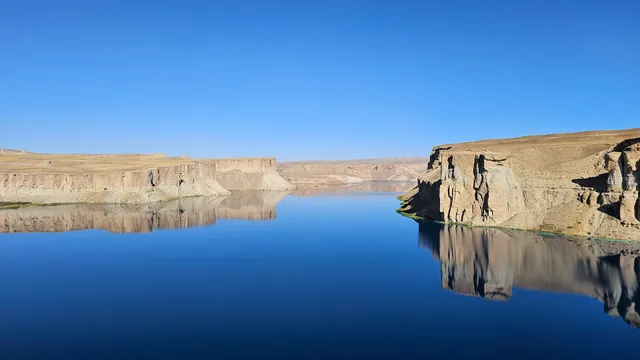
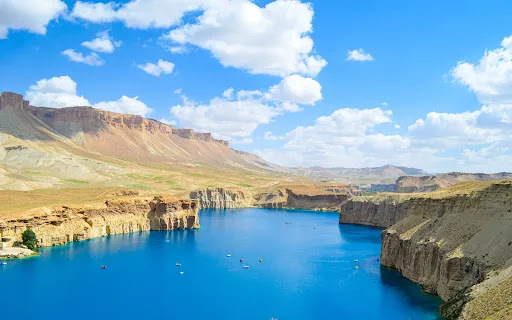
Deep in the mountains of central Afghanistan lies Band-e Amir a chain of six crystal-blue lakes that look almost unreal. Surrounded by towering cliffs and fed by natural springs these lakes shine like hidden gems in the heart of the Hindu Kush.
According to local tradition Band-e Amir was created through a miracle of Imam Ali. It is said that when people were suffering from a drought and lack of water Imam Ali struck the ground with his staff and from that place the clear waters of Band-e Amir began to flow forming the chain of lakes we see today.
This story has been passed down for centuries, making Band-e Amir not only a natural wonder but also a place of deep spiritual meaning for many Afghans. The water is so clear and calm that it reflects the sky like a perfect mirror shifting in color from deep sapphire to bright turquoise as the sunlight changes. Natural limestone walls divide the lakes giving them a magical character that feels both ancient and timeless.
For centuries people have spoken of Band-e Amir as a place of peace and wonder. Today it is not only Afghanistan’s first national park but also a symbol of beauty and hope reminding us how nature creates paradise even in the...
Read more