The City of Pirro/ Pyrrhus' Dream - The Illyrian King of Epirus
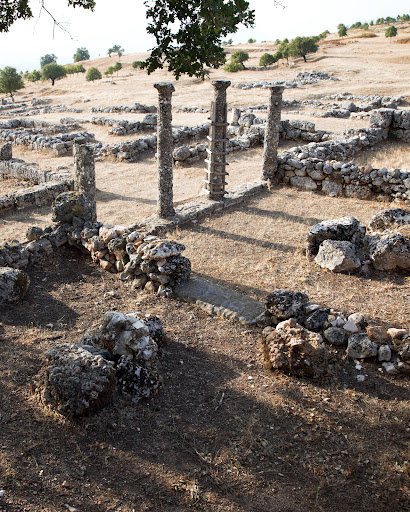
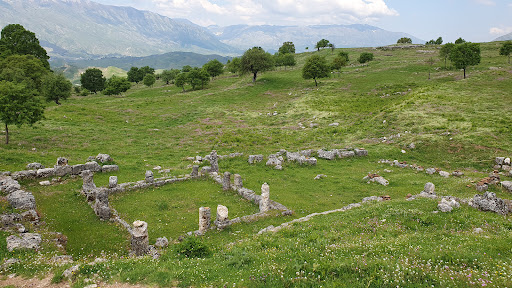
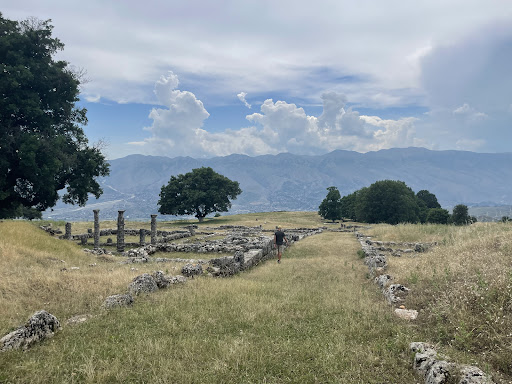
Antigona, the city that was built by an order of Piroo/Pyrrhus in honor of his wife Antigonë as a sign of love, was burned in one night on the order of the Roman general Aemilius Paullus out of revenge and as sign of hatred, having flourished not even two centuries.
When he was 17, King Pirro (in Albanian) was dethroned after an uprising against him. After that, he went to the service of King Demeter of Macedonia and later to the court of King Ptolemy of Egypt. In Egypt he attracted the attention of the queen of Egypt, Berenice, who chose him among other princes to marry her daughter Antigonë. With the support of Antigonë, Pirro gathered money, an army & returned to Epir, claiming the royal throne. Gratitude to his mother-in-law Berenice & his wife Antigonë prompted Pirro to found 2 cities named after them: Berenice and Antigonë. The first was located in Thesproti once in Albanian territories given to Greece by the London Congress, while Antigonë once named Antitania, is still “alive” until today in Gjirokastër, as a proof of the fractioned & stolen history of the Albanians from their “Almighty” neighbors.
Antigonë/a, the 2nd city of the ancient Epirian province of Kaonia after Ancient Phoenicia (todays Albanian Finiq), both in size and importance, controlled the famous Via Egnatia connecting Dyrrahium (Durrës), Apollonia and Orikum with the highlands of Ioannina and Southern Epir.
Due to its important geographic position at a dominant point on the hill of Jerma, in the middle of the Drino Valley, Antigonë has been recognized as representing the climax of an unprecedented development.
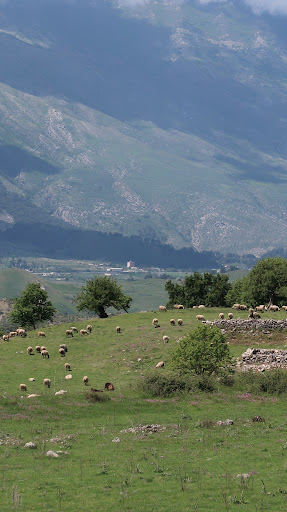
The Drino Valley, both because of its fertility and its strategic importance, was an early population center, witnessed by about 20 ancient cities and fortifications, monumental barrows and tombs, ancient temples and theaters. Without doubt, Antigonë has been the main center...
Read more
 Learn more insights from Wanderboat AI.