HTML SitemapExplore
logo
Find Things to DoFind The Best Restaurants

Byllis Archaeological Park — Attraction in Bashkia Mallakastër

Name
Byllis Archaeological Park
Description
Nearby attractions
Nearby restaurants
Nearby hotels
Related posts
Keywords
Byllis Archaeological Park tourism.Byllis Archaeological Park hotels.Byllis Archaeological Park bed and breakfast. flights to Byllis Archaeological Park.Byllis Archaeological Park attractions.Byllis Archaeological Park restaurants.Byllis Archaeological Park travel.Byllis Archaeological Park travel guide.Byllis Archaeological Park travel blog.Byllis Archaeological Park pictures.Byllis Archaeological Park photos.Byllis Archaeological Park travel tips.Byllis Archaeological Park maps.Byllis Archaeological Park things to do.
Byllis Archaeological Park things to do, attractions, restaurants, events info and trip planning
Byllis Archaeological Park
AlbaniaSouthern AlbaniaBashkia MallakastërByllis Archaeological Park

Basic Info

Byllis Archaeological Park

GPRQ+R2W, Hekal, 9300, Albania
4.7(173)
Open 24 hours
Save
spot

Ratings & Description

Info

Cultural
Outdoor
Scenic
Family friendly
Off the beaten path
attractions: , restaurants:
logoLearn more insights from Wanderboat AI.
Phone
+355 69 215 8292
Website
apolloniaarchaeologicalpark.al

Plan your stay

hotel
Pet-friendly Hotels in Bashkia Mallakastër
Find a cozy hotel nearby and make it a full experience.
hotel
Affordable Hotels in Bashkia Mallakastër
Find a cozy hotel nearby and make it a full experience.
hotel
The Coolest Hotels You Haven't Heard Of (Yet)
Find a cozy hotel nearby and make it a full experience.
hotel
Trending Stays Worth the Hype in Bashkia Mallakastër
Find a cozy hotel nearby and make it a full experience.

Reviews

Get the Appoverlay
Get the AppOne tap to find yournext favorite spots!
Wanderboat LogoWanderboat

Your everyday Al companion for getaway ideas

CompanyAbout Us
InformationAI Trip PlannerSitemap
SocialXInstagramTiktokLinkedin
LegalTerms of ServicePrivacy Policy

Get the app

© 2025 Wanderboat. All rights reserved.
logo

Reviews of Byllis Archaeological Park

4.7
(173)
avatar
5.0
2y

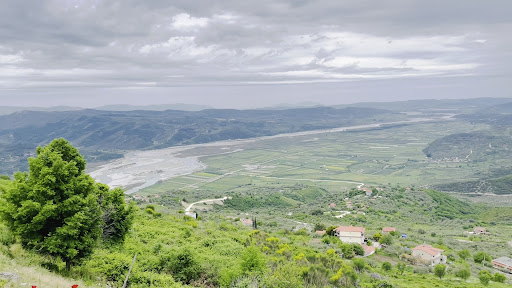
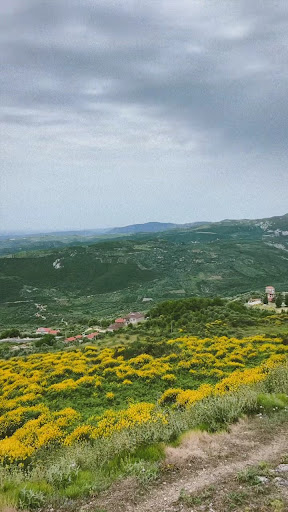
I have been impressed )A great place to visit )A lot to see and value.Mind blowing views to the river Vjosa ,emerald green hills all around ,red poppies in high grass,and historical echo in every stone )Highly recommended! PS.The road leads to the very top of the hill but it is under full reconstruction,so don’t expect comfort )))Still,what you are going to see is truly worth that effort )

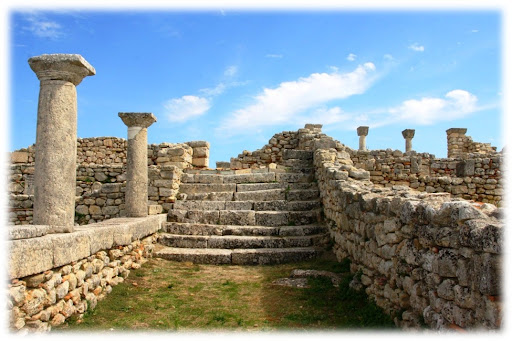
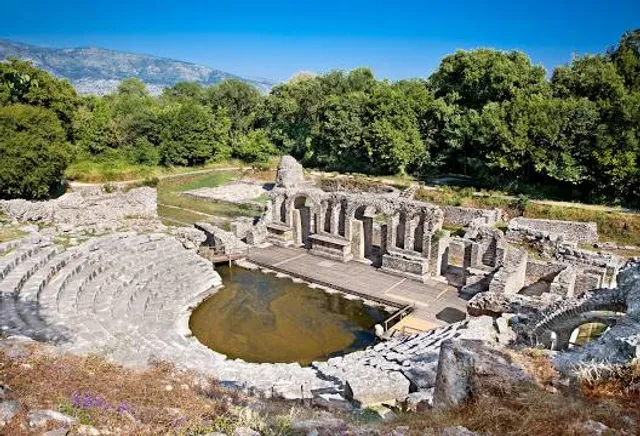
Bylis Archaeological Park is an important historical site near Ballsh, Fier, in central Albania, known for its well-preserved ruins from the Hellenistic and Roman periods. Founded in the 4th century BC, Byllis was a significant trade and culture hub until the 5th century AD, when it was abandoned due to invasions and natural disasters. In 2003, Byllis was named an archaeological park, making it one of Albania’s most important sites. Interesting facts about Bylis Archaeological Park: • Historical Significance Byllis was the largest city of Southern Illyria. The city was the center of a koinon, a political organization, around 270 BC, covering about 20 square kilometers. • Geographic Features The park is located on the hills of Mallakastra, offering panoramic views of the Vjosa River and surrounding landscapes. The city walls were 2,200 meters long, enclosing 30 hectares of a plain 524 meters above sea level. Its position allowed control over movements through the Vjosa valley. • Key Structures The park includes a theater that could seat up to 5,000 people. Other structures include a temple, marketplace, and fortification wall. The stadium is the second most well-preserved in the country, with 19 stairs made of ancient stone. • Basilica The site features the remnants of a large basilica built in the 5th century, covering over 1 hectare, with mosaics depicting daily life scenes of shepherds and fishermen. • Archaeological Discoveries Excavations have revealed the city’s layout, including agorae, a stadium, a theater, and peristyle houses. Bronze coins dating back to 270 BC indicate the city’s prosperity in antiquity. • Later History Byllis became a Roman colony named Colonia Iulia Augusta during Emperor Augustus’s rule. During the reign of Emperor Justinian in the 5th century, Byllis became an important religious center and several large Palaeo-Christian basilicas were constructed. The city was rebuilt and fortified in the second half of the 6th century A.D. but was eventually abandoned after destruction by the...

   Read more
avatar
5.0
39w

One of Illyrian cities developed in the 8th BC as the capital of the Illyrian tribe of the Bylins. It had an area of ​​30ha surrounded by a wall protected by 7 entrances & 7 towers. The foundation of the Illyrian city in the 4th century is connected with the presence of bitumen mines near Selenica, which were located on the opposite edge of the valley. In the 3rd century BC the city was economically strengthened, when the city center of 4ha was built, where the theater with about 9000 seats, the stadium, gymnasium, etc. were built.

In the 1st century BC, Bylis was taken the Romans becoming Roman colony. In the 4th century AD the city is surrounded by powerful walls & then became an important episcopal center. The discovery of 6 basilicas, the floors of which are paved with high-quality paleo-Christian motif mosaics, speak for itself.

Illyrian Wineries. Best preserved in the Mediterranean not only for the period of Late Antiquity, but for all periods, in Bylis you can see the entire process of wine production of the Illyrians, from the arrival of the grapes to the extraction of the wine. From there it passed to the workshop, which is preserved almost completely. The foot pressing tub, the hand squeezing vessel, the vessel where the cider was originally stored, the place where the cider was placed after it was squeezed from where it passed to the large tubs, have been well preserved. So far, two large tubs have been excavated and another one that has been identified, but it is not yet known how many there may be in total. 21 in total have been found which have large volumes up to three (hectoliters) quintals. But there may be other warehouses that have not yet been excavated. This ranks among the great wineries. One similar to the Bylis Canteen has been discovered in recent years in Africa, but it has much smaller dimensions.

Olive Oil production. In 2008 in this center, during the late excavations, it was partially discovered the olive oil workshop/factory, the grinding mill and the processing ovens. With this discovery the archaeologists found the place where it was processed and a lot of waste from the olives that were used for burning. This shows that those who worked in this workshop did not use other burning materials for the fire, but used exactly the waste of the olives itself to boil water. Like most of the sites of Albania, this site is still to...

   Read more
avatar
5.0
14w

Byllis Archaeological Park is one of the most impressive ancient sites in Albania. Set on a hilltop with breathtaking panoramic views over the Vjosa River valley, the site combines history with stunning natural beauty. The ruins date back to the 4th century BC, and visitors can still admire the remains of the city walls, a large theater, basilicas with mosaics, and Roman streets.

The atmosphere is peaceful and not overcrowded, which makes the experience even more special. Walking among the ruins, you get a real sense of the grandeur of the ancient city and its strategic importance. The views at sunset are especially unforgettable.

Facilities are limited, so it’s a good idea to bring water and wear comfortable shoes. Access by car is easy, though the road can be a little rough in some parts.

Byllis is a hidden gem of Albania. Perfect for history lovers, photographers, and anyone looking to enjoy a unique blend of...

   Read more
Page 1 of 7
Previous
Next

Posts

Oksana DudukOksana Duduk
I have been impressed )A great place to visit )A lot to see and value.Mind blowing views to the river Vjosa ,emerald green hills all around ,red poppies in high grass,and historical echo in every stone )Highly recommended! PS.The road leads to the very top of the hill but it is under full reconstruction,so don’t expect comfort )))Still,what you are going to see is truly worth that effort ) Bylis Archaeological Park is an important historical site near Ballsh, Fier, in central Albania, known for its well-preserved ruins from the Hellenistic and Roman periods. Founded in the 4th century BC, Byllis was a significant trade and culture hub until the 5th century AD, when it was abandoned due to invasions and natural disasters. In 2003, Byllis was named an archaeological park, making it one of Albania’s most important sites. Interesting facts about Bylis Archaeological Park: • Historical Significance Byllis was the largest city of Southern Illyria. The city was the center of a koinon, a political organization, around 270 BC, covering about 20 square kilometers. • Geographic Features The park is located on the hills of Mallakastra, offering panoramic views of the Vjosa River and surrounding landscapes. The city walls were 2,200 meters long, enclosing 30 hectares of a plain 524 meters above sea level. Its position allowed control over movements through the Vjosa valley. • Key Structures The park includes a theater that could seat up to 5,000 people. Other structures include a temple, marketplace, and fortification wall. The stadium is the second most well-preserved in the country, with 19 stairs made of ancient stone. • Basilica The site features the remnants of a large basilica built in the 5th century, covering over 1 hectare, with mosaics depicting daily life scenes of shepherds and fishermen. • Archaeological Discoveries Excavations have revealed the city’s layout, including agorae, a stadium, a theater, and peristyle houses. Bronze coins dating back to 270 BC indicate the city’s prosperity in antiquity. • Later History Byllis became a Roman colony named Colonia Iulia Augusta during Emperor Augustus’s rule. During the reign of Emperor Justinian in the 5th century, Byllis became an important religious center and several large Palaeo-Christian basilicas were constructed. The city was rebuilt and fortified in the second half of the 6th century A.D. but was eventually abandoned after destruction by the Slavs in 586.
tirana bootirana boo
One of Illyrian cities developed in the 8th BC as the capital of the Illyrian tribe of the Bylins. It had an area of ​​30ha surrounded by a wall protected by 7 entrances & 7 towers. The foundation of the Illyrian city in the 4th century is connected with the presence of bitumen mines near Selenica, which were located on the opposite edge of the valley. In the 3rd century BC the city was economically strengthened, when the city center of 4ha was built, where the theater with about 9000 seats, the stadium, gymnasium, etc. were built. In the 1st century BC, Bylis was taken the Romans becoming Roman colony. In the 4th century AD the city is surrounded by powerful walls & then became an important episcopal center. The discovery of 6 basilicas, the floors of which are paved with high-quality paleo-Christian motif mosaics, speak for itself. Illyrian Wineries. Best preserved in the Mediterranean not only for the period of Late Antiquity, but for all periods, in Bylis you can see the entire process of wine production of the Illyrians, from the arrival of the grapes to the extraction of the wine. From there it passed to the workshop, which is preserved almost completely. The foot pressing tub, the hand squeezing vessel, the vessel where the cider was originally stored, the place where the cider was placed after it was squeezed from where it passed to the large tubs, have been well preserved. So far, two large tubs have been excavated and another one that has been identified, but it is not yet known how many there may be in total. 21 in total have been found which have large volumes up to three (hectoliters) quintals. But there may be other warehouses that have not yet been excavated. This ranks among the great wineries. One similar to the Bylis Canteen has been discovered in recent years in Africa, but it has much smaller dimensions. Olive Oil production. In 2008 in this center, during the late excavations, it was partially discovered the olive oil workshop/factory, the grinding mill and the processing ovens. With this discovery the archaeologists found the place where it was processed and a lot of waste from the olives that were used for burning. This shows that those who worked in this workshop did not use other burning materials for the fire, but used exactly the waste of the olives itself to boil water. Like most of the sites of Albania, this site is still to be discovered.
Albi ArapiAlbi Arapi
Byllis Archaeological Park is one of the most impressive ancient sites in Albania. Set on a hilltop with breathtaking panoramic views over the Vjosa River valley, the site combines history with stunning natural beauty. The ruins date back to the 4th century BC, and visitors can still admire the remains of the city walls, a large theater, basilicas with mosaics, and Roman streets. The atmosphere is peaceful and not overcrowded, which makes the experience even more special. Walking among the ruins, you get a real sense of the grandeur of the ancient city and its strategic importance. The views at sunset are especially unforgettable. Facilities are limited, so it’s a good idea to bring water and wear comfortable shoes. Access by car is easy, though the road can be a little rough in some parts. Byllis is a hidden gem of Albania. Perfect for history lovers, photographers, and anyone looking to enjoy a unique blend of culture and nature.
See more posts
See more posts
hotel
Find your stay

Pet-friendly Hotels in Bashkia Mallakastër

Find a cozy hotel nearby and make it a full experience.

I have been impressed )A great place to visit )A lot to see and value.Mind blowing views to the river Vjosa ,emerald green hills all around ,red poppies in high grass,and historical echo in every stone )Highly recommended! PS.The road leads to the very top of the hill but it is under full reconstruction,so don’t expect comfort )))Still,what you are going to see is truly worth that effort ) Bylis Archaeological Park is an important historical site near Ballsh, Fier, in central Albania, known for its well-preserved ruins from the Hellenistic and Roman periods. Founded in the 4th century BC, Byllis was a significant trade and culture hub until the 5th century AD, when it was abandoned due to invasions and natural disasters. In 2003, Byllis was named an archaeological park, making it one of Albania’s most important sites. Interesting facts about Bylis Archaeological Park: • Historical Significance Byllis was the largest city of Southern Illyria. The city was the center of a koinon, a political organization, around 270 BC, covering about 20 square kilometers. • Geographic Features The park is located on the hills of Mallakastra, offering panoramic views of the Vjosa River and surrounding landscapes. The city walls were 2,200 meters long, enclosing 30 hectares of a plain 524 meters above sea level. Its position allowed control over movements through the Vjosa valley. • Key Structures The park includes a theater that could seat up to 5,000 people. Other structures include a temple, marketplace, and fortification wall. The stadium is the second most well-preserved in the country, with 19 stairs made of ancient stone. • Basilica The site features the remnants of a large basilica built in the 5th century, covering over 1 hectare, with mosaics depicting daily life scenes of shepherds and fishermen. • Archaeological Discoveries Excavations have revealed the city’s layout, including agorae, a stadium, a theater, and peristyle houses. Bronze coins dating back to 270 BC indicate the city’s prosperity in antiquity. • Later History Byllis became a Roman colony named Colonia Iulia Augusta during Emperor Augustus’s rule. During the reign of Emperor Justinian in the 5th century, Byllis became an important religious center and several large Palaeo-Christian basilicas were constructed. The city was rebuilt and fortified in the second half of the 6th century A.D. but was eventually abandoned after destruction by the Slavs in 586.
Oksana Duduk

Oksana Duduk

hotel
Find your stay

Affordable Hotels in Bashkia Mallakastër

Find a cozy hotel nearby and make it a full experience.

Get the Appoverlay
Get the AppOne tap to find yournext favorite spots!
One of Illyrian cities developed in the 8th BC as the capital of the Illyrian tribe of the Bylins. It had an area of ​​30ha surrounded by a wall protected by 7 entrances & 7 towers. The foundation of the Illyrian city in the 4th century is connected with the presence of bitumen mines near Selenica, which were located on the opposite edge of the valley. In the 3rd century BC the city was economically strengthened, when the city center of 4ha was built, where the theater with about 9000 seats, the stadium, gymnasium, etc. were built. In the 1st century BC, Bylis was taken the Romans becoming Roman colony. In the 4th century AD the city is surrounded by powerful walls & then became an important episcopal center. The discovery of 6 basilicas, the floors of which are paved with high-quality paleo-Christian motif mosaics, speak for itself. Illyrian Wineries. Best preserved in the Mediterranean not only for the period of Late Antiquity, but for all periods, in Bylis you can see the entire process of wine production of the Illyrians, from the arrival of the grapes to the extraction of the wine. From there it passed to the workshop, which is preserved almost completely. The foot pressing tub, the hand squeezing vessel, the vessel where the cider was originally stored, the place where the cider was placed after it was squeezed from where it passed to the large tubs, have been well preserved. So far, two large tubs have been excavated and another one that has been identified, but it is not yet known how many there may be in total. 21 in total have been found which have large volumes up to three (hectoliters) quintals. But there may be other warehouses that have not yet been excavated. This ranks among the great wineries. One similar to the Bylis Canteen has been discovered in recent years in Africa, but it has much smaller dimensions. Olive Oil production. In 2008 in this center, during the late excavations, it was partially discovered the olive oil workshop/factory, the grinding mill and the processing ovens. With this discovery the archaeologists found the place where it was processed and a lot of waste from the olives that were used for burning. This shows that those who worked in this workshop did not use other burning materials for the fire, but used exactly the waste of the olives itself to boil water. Like most of the sites of Albania, this site is still to be discovered.
tirana boo

tirana boo

hotel
Find your stay

The Coolest Hotels You Haven't Heard Of (Yet)

Find a cozy hotel nearby and make it a full experience.

hotel
Find your stay

Trending Stays Worth the Hype in Bashkia Mallakastër

Find a cozy hotel nearby and make it a full experience.

Byllis Archaeological Park is one of the most impressive ancient sites in Albania. Set on a hilltop with breathtaking panoramic views over the Vjosa River valley, the site combines history with stunning natural beauty. The ruins date back to the 4th century BC, and visitors can still admire the remains of the city walls, a large theater, basilicas with mosaics, and Roman streets. The atmosphere is peaceful and not overcrowded, which makes the experience even more special. Walking among the ruins, you get a real sense of the grandeur of the ancient city and its strategic importance. The views at sunset are especially unforgettable. Facilities are limited, so it’s a good idea to bring water and wear comfortable shoes. Access by car is easy, though the road can be a little rough in some parts. Byllis is a hidden gem of Albania. Perfect for history lovers, photographers, and anyone looking to enjoy a unique blend of culture and nature.
Albi Arapi

Albi Arapi

See more posts
See more posts