A must once you are in Albania)Spacious free parking in front of the park but it is better to come as early as possible because later on it will be almost impossible to find the place to leave the car.The entrance fee is rather high (10 euros) but it is worth every penny.The territory is quite big but next to the museum there is a nice cafe with great views to have a rest in case you get tired.
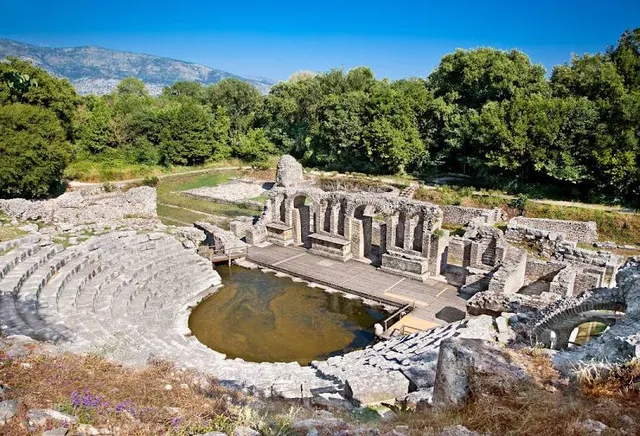
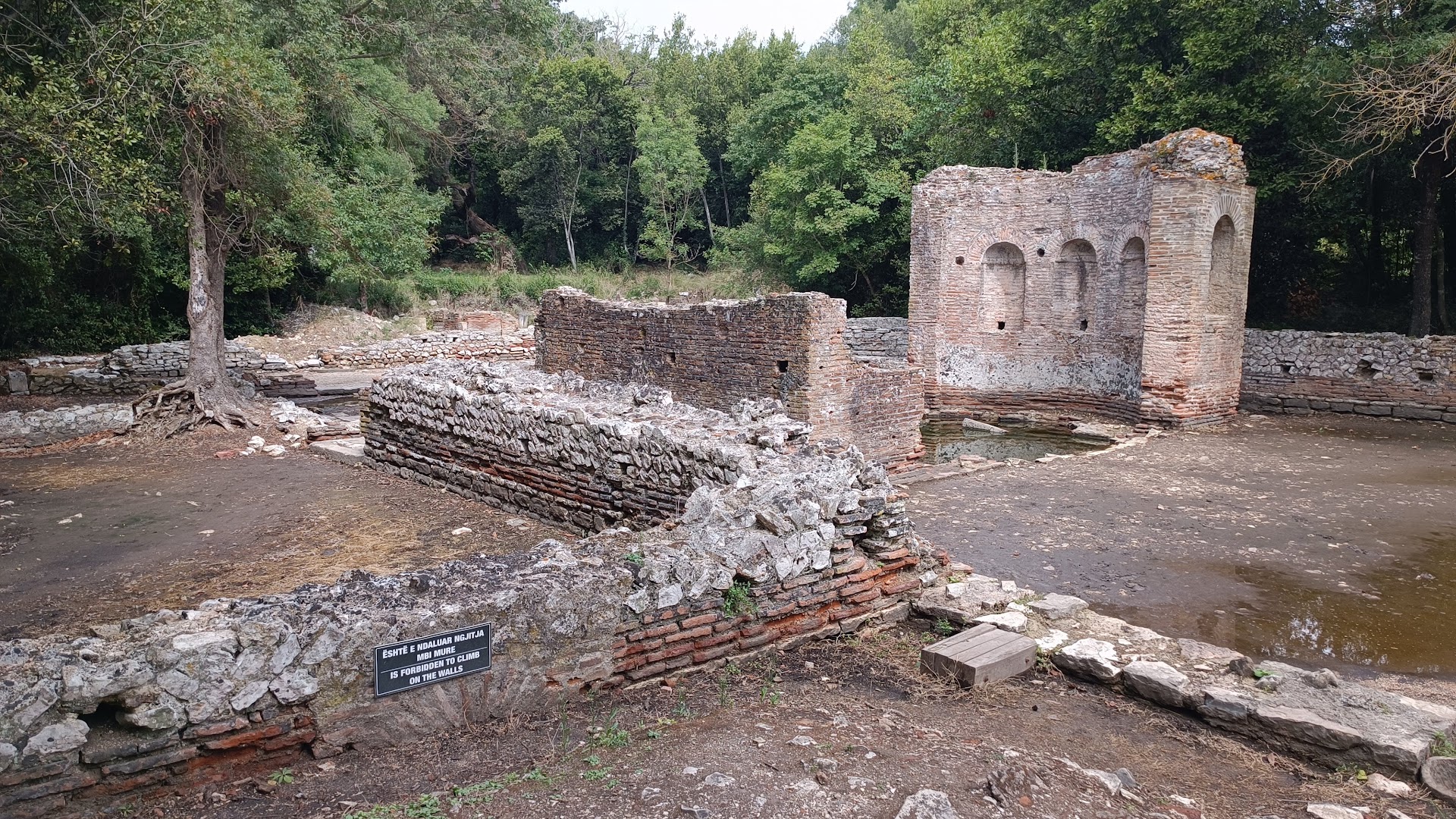
Butrint, an ancient city and UNESCO World Heritage Site in Albania, boasts a rich history and unique blend of Mediterranean influences. Here are some interesting facts: • Historical timeline The site has been inhabited since 50,000 BC, later becoming a Greek settlement in the 7th century BC, and subsequently coming under Roman, Byzantine, Venetian, and Ottoman control. • Strategic location Situated in southern Albania, about 18km south of Saranda, Butrint occupies a peninsula surrounded by Lake Butrint and the Vivari Channel, close to the Greek border. The Vivari Channel connects the lake to the Ionian Sea. • Architectural diversity Butrint features a mix of structures including a Roman theatre, a late-antique baptistery, a great basilica, city walls, and two castles. The ancient theatre, dating back to the 3rd century BC, showcases Greek and Roman architectural styles. • Natural setting The ruins are part of a 29-sq-km national park with a complex ecosystem that depends on the nearby lake and channel. The park is home to over 1,200 different animal and plant species. • Lion Gate One of the city’s six entrances from the 4th century BC, the gate features a carving of a lion about to eat a bull, symbolizing the city’s inhabitants and their enemies. • Ali Pasha Castle Located on a small island at the mouth of the Vivari Channel, the castle is named after Ali Pasha of Ioannina, an Albanian Ottoman ruler. • Lord Rothschild’s Butrint Foundation This UK-based organization helps...
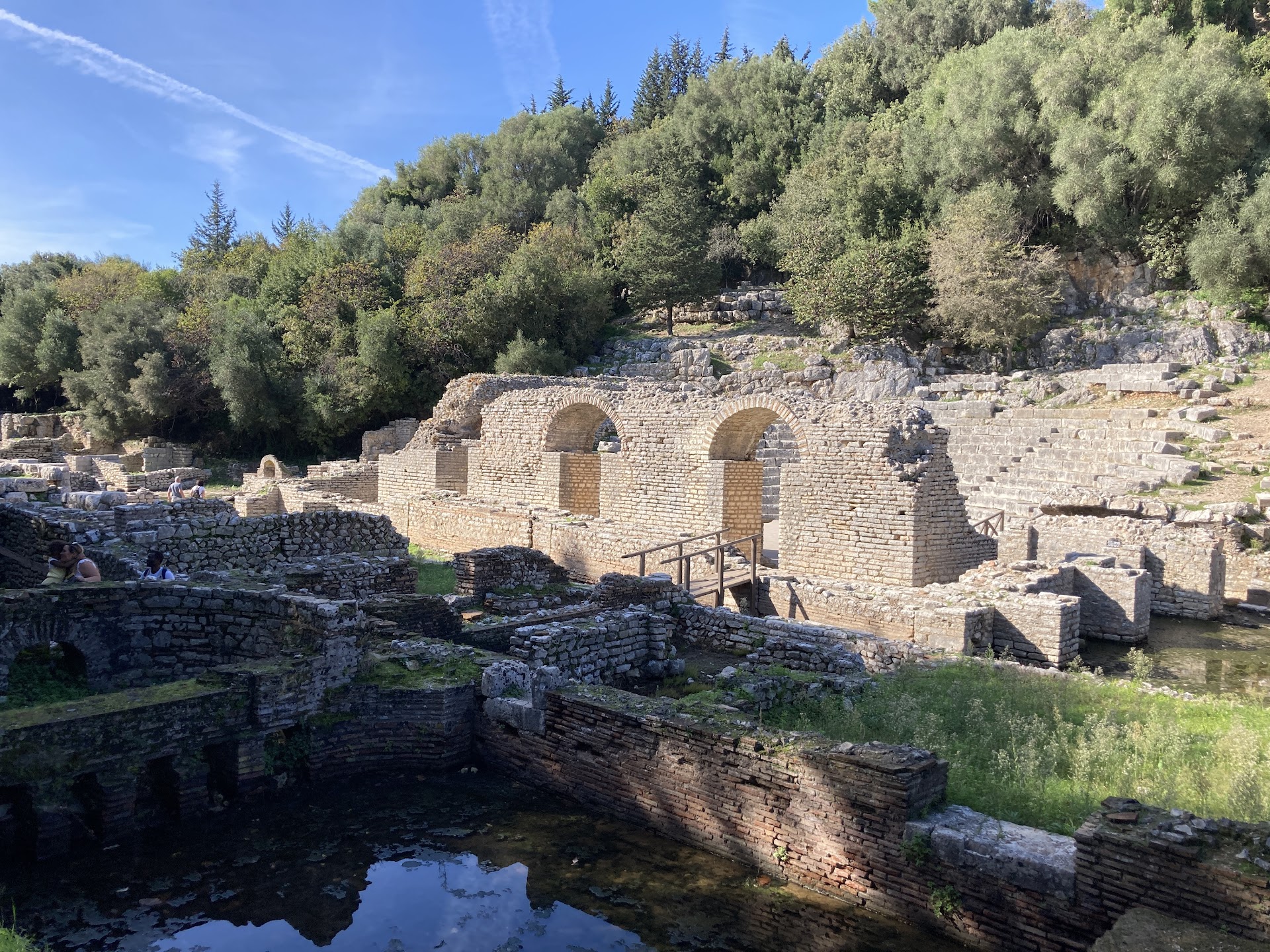
Read moreThe visit to Butrint National Archaeological Park truly stands out as a remarkable experience. Exploring this historical site offers a captivating journey back in time, allowing you to witness an array of ancient buildings and constructions that date back thousands of years. While the remains may not always be fully intact, they provide a fascinating glimpse into the lives of those who inhabited this area in ancient times. To truly appreciate Butrint, one must be prepared to engage their imagination and piece together the rich history from the fragments that remain.
What makes Butrint even more compelling is the tapestry of civilizations that have called this place home over the centuries. From the Romans and Byzantines to the Ottomans, the layers of history are palpable as you wander through this archaeological wonderland. It's a testament to the enduring significance of this site throughout the ages.
In terms of admission, the prices are reasonable, with a standard fee of 1,000 Lek (equivalent to 10 euros) per person. If you're traveling with a group of 12 or more people, you can enjoy a discounted rate of 800 Lek per person.
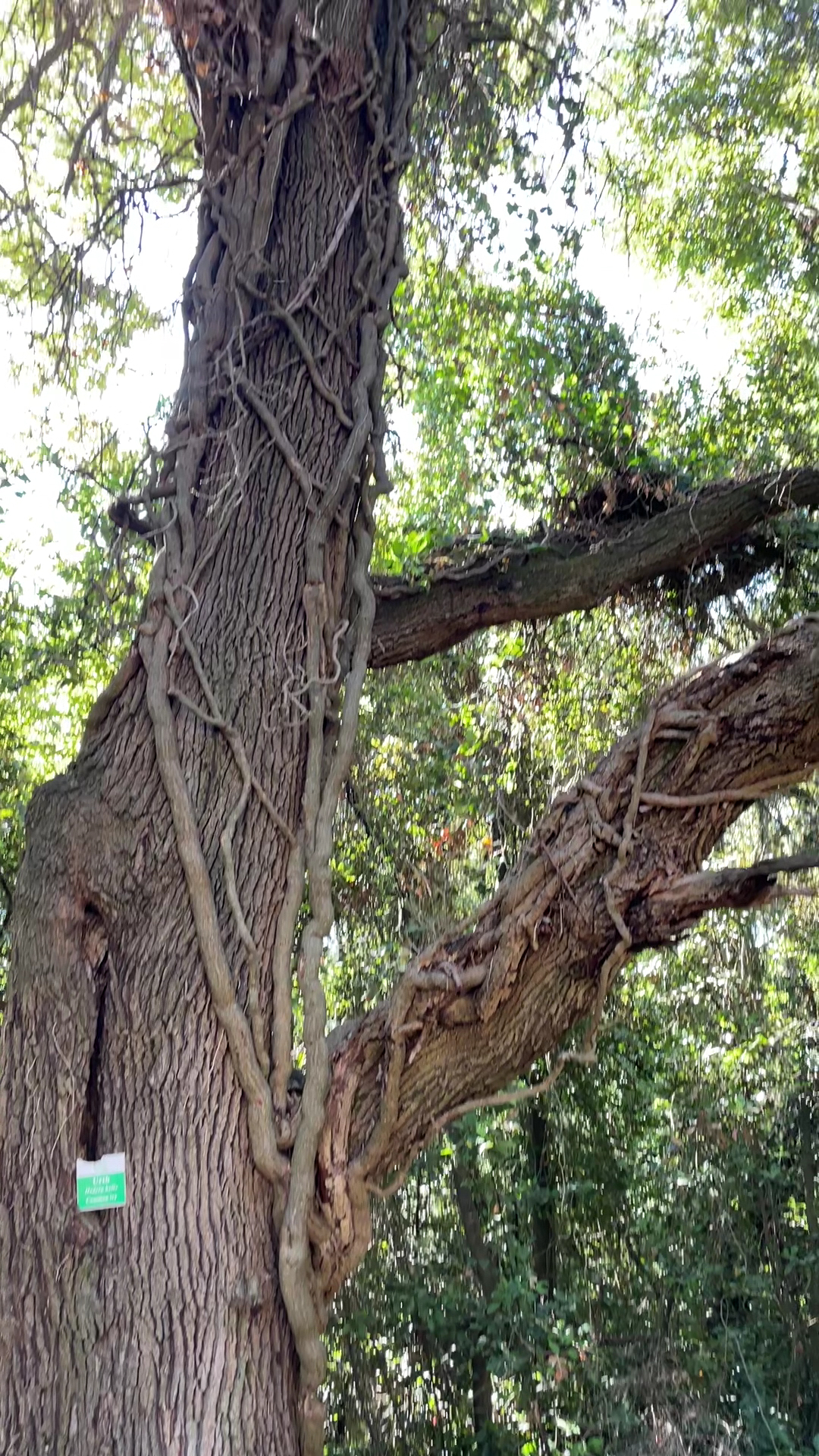
One of the park's standout features is its natural surroundings. The abundance of trees provides ample shade, making it a comfortable destination even on sunny days. This harmonious blend of history and nature creates a truly unique and awe-inspiring atmosphere that sets Butrint apart.
In conclusion, a visit to Butrint National Archaeological Park is a must for history enthusiasts and nature lovers alike. It offers a window into the past, allowing you to traverse the footsteps of ancient civilizations amidst the tranquility of nature. While you may need to engage your imagination to fill in the historical gaps, the experience is undeniably amazing and well...
Read moreThis is an amazing ancient site! It is a UNESCO world heritage site and is a wonderful example of a visual timeline of history and architecture. It was rediscovered in the late 1920s. The ruins are different periods of history of the people who lived here and every civilization left their own signature on the structures. This has examples and artifacts from the Greeks in the 6th century BCE, the Romans took over in 167 BCE, and the Byzantines turned it into a religious centre. This is a time capsule of Greek, Roman and Byzantine history and architecture. There's a museum in a castle that houses some artifacts an photos of the beautiful mosaics on the property. Some highlights are the Greek theater also used by the Romans, a Basilica is nestled in the shady forest, Roman public baths, a cyclopean wall and the stones have many markings on them. One stone that was found has a carving of a lion/bull on it. The views are spectacular, there is lots of shade (wear bug spray) and set aside two plus hours if you want to truly see the site and it's amazing history. We had a local guide who was very knowledgeable about the site and the history of Albania. We came over to Albania from Greece on a hydrofoil. Albania is a beautiful country and Butrint is filled with history, views, plants and animals. Apparently, the bird watching is excellent. I can't write enough good things about Butrint and Albania has a wonderful and rich culture. I will always remember this adventure and I hope that I can go...
Read more