HTML SitemapExplore
logo
Find Things to DoFind The Best Restaurants

Royal Mausoleum of Mauretania — Attraction in Sidi Rached

Name
Royal Mausoleum of Mauretania
Description
Nearby attractions
Nearby restaurants
Nearby hotels
Related posts
Keywords
Royal Mausoleum of Mauretania tourism.Royal Mausoleum of Mauretania hotels.Royal Mausoleum of Mauretania bed and breakfast. flights to Royal Mausoleum of Mauretania.Royal Mausoleum of Mauretania attractions.Royal Mausoleum of Mauretania restaurants.Royal Mausoleum of Mauretania travel.Royal Mausoleum of Mauretania travel guide.Royal Mausoleum of Mauretania travel blog.Royal Mausoleum of Mauretania pictures.Royal Mausoleum of Mauretania photos.Royal Mausoleum of Mauretania travel tips.Royal Mausoleum of Mauretania maps.Royal Mausoleum of Mauretania things to do.
Royal Mausoleum of Mauretania things to do, attractions, restaurants, events info and trip planning
Royal Mausoleum of Mauretania
AlgeriaTipazaSidi RachedRoyal Mausoleum of Mauretania

Basic Info

Royal Mausoleum of Mauretania

HHF3+X3Q, Sidi Rached, Algeria
4.4(932)
Open 24 hours
Save
spot

Ratings & Description

Info

Cultural
Scenic
Family friendly
attractions: , restaurants:
logoLearn more insights from Wanderboat AI.

Plan your stay

hotel
Pet-friendly Hotels in Sidi Rached
Find a cozy hotel nearby and make it a full experience.
hotel
Affordable Hotels in Sidi Rached
Find a cozy hotel nearby and make it a full experience.
hotel
The Coolest Hotels You Haven't Heard Of (Yet)
Find a cozy hotel nearby and make it a full experience.
hotel
Trending Stays Worth the Hype in Sidi Rached
Find a cozy hotel nearby and make it a full experience.

Reviews

Get the Appoverlay
Get the AppOne tap to find yournext favorite spots!
Wanderboat LogoWanderboat

Your everyday Al companion for getaway ideas

CompanyAbout Us
InformationAI Trip PlannerSitemap
SocialXInstagramTiktokLinkedin
LegalTerms of ServicePrivacy Policy

Get the app

© 2025 Wanderboat. All rights reserved.
logo

Posts

Abdou ZidaneAbdou Zidane
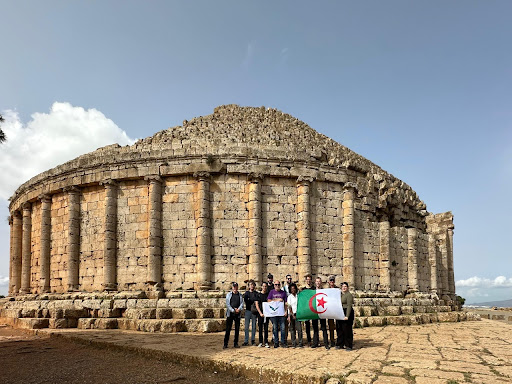
The Royal Mausoleum of Mauretania is sometimes referred to as the Mausoleum of Juba and Cleopatra Selene, as it is the final resting place of Juba II and Cleopatra Selene II, who were of the last king and queen of Mauretania. The mausoleum was constructed in 3 BCE. Cleopatra Selene II was the daughter of Mark Antony, Roman Triumvir, and the Queen of Egypt, Cleopatra VII. It is believed that Pomponius Mela, a Roman geographer of the first century, was referring to the Royal Mausoleum of Mauretania, when he described The Communal Mausoleum of the Royal Family. He was correct, as not only was the mausoleum erected for the king and queen of Mauretania but as a royal tomb for their descendants as well. Roman Emperor, in Rome many years before Juba II left for Numidia, and it was a deliberate act, as it was a sign of allegiance of Juba II to the Roman Kingdom. The mausoleum was constructed according to ancient mausoleums and their architectural design originated from mausoleums found in Egypt and Anatolia. This means that the mausoleum is built from stone and has a circular base. The top of the mausoleum was either completed with a pyramid or cone. The base would also have been decorated with ionic columns, but due to vandalism over the centuries, they are not longer part of the mausoleum.
The food sheikhThe food sheikh
World heritage unesco site. Situated in Algiers, tipaza. This is commonly known as the tomb of Cleopatra's children/grandchildren. It has beautiful picturesque surrounds with stunning sea views on the other side. Built in a dome shape with huge golden stones reminiscent of the pyramids. This is an amazingly beautiful and historic place. Unfortunately there has been some damage over the years but it stands tall firm and proud despite being indiscriminately shot at by French colonisers (the bullet holes still visible). This beautiful building can be visible from miles away. It has lovely dense foliage all around and beautiful picnic or resting areas for families. Lots of postcards and lovely stalls at the entrance too! If you visit Algeria then you must visit here! If you haven't visited yet then what are you playing at? Algeria is one of the most beautiful countries in the world and it is one of the safest places for a tourist! #Algeria #algeria #visit_algeria #visitalgeria
NASRO RIVANASRO RIVA
وصفعدل هو مبنى دائري الشكل على الطريق المؤدي من الجزائر إلىشرشال . يبلغ محيطه 185.5 متر وقطره 60.9 متر وعلوه 32.4 متر يبرز في الخارج 60 عمود من النمط الأيوني , و 4 أبواب خفية يمكننا الدخول إلى الضريح عبر باب سفلية وضيقة توجد تحت الباب الخفية للناحية الشرقية. في الداخل بعد المرور على قبر ودهليز نصل إلى رواق دائري الشكل به قبران آخران , الثاني مزين بثلاث تجاويف غربا شمالا وجنوبا يقع القبر على رأس ربوة بالساحل الغربي للجزائر العاصمة، يعلو سطح البحر بمقدار 261 مترا ويظهر للناظر من سهل متيجة (جنوب العاصمة) ومن مرتفعات حي بوزريعة بأعالي العاصمة ويراه الصيادون والملاحون من البحر ويهتدون به في تنقلاتهم البحرية. إذا بلغ زائر الربوة المكان، تراءى له القبر الضخم على شكل أسطواني ذي صفائح يعلوه مخروط مدرج، ويتزين في دائرته بـ60 عمودا مرضوما مميزا بتيجان إيوانية يحمل كل واحد منها إفريزا. ويتربع هذا الشكل الهندسي على قاعدة مربعة ضلعها 63.40 متر. ويوجد أمام باب القبر، آثار بناية يبلغ طولها 16 مترا وعرضها 6 أمتار، كانت في الزمن الغابر معبدا. ويتكون القبر من 4 صفائح حجرية، عبارة عن أبواب وهمية علو الواحد منها 6.90 متر يحيط بها إطار من نقوش بارزة يتراءى منها رسم شبيه بالصليب، مما جعل بعض الباحثين في الآثار يعتقدون أنه مبنى مسيحي، ومنه جاء اسم «قبر الرومية» المأخوذ من مفردة «الرومي» العربية أي البيزنطي أو الروماني. لكن كثيرا من علماء الآثار يؤكدون أن المبنى لا صلة له بالمسيحية. ويخيل لمن يشاهد القبر من بعيد، أنه خلية نحل عظيمة أو كومة تبن ضخمة، ومن يدنو منه يشعر بعظمة هيكله. ومن ميزات هذا المعلم الهندسي الجميل، أن لونه يتغير حسب الفصول وحسب ساعات النهار، فهو تارة يميل إلى الاصفرار وتارة يأخذ لونا رماديا أو تعلوه زرقة عندما يحيط به الضباب. القبر من الداخل عند اجتياز باب القبر، ينفذ الزائر إلى رواق يضطر من يمشي فيه إلى الانحناء، وفي حائطه الأيمن يمكن مشاهدة نقوش تمثل صورة أسد ولبؤة وقد نسب الرواق إلى النقوش فسمي «بهو الأسود». وباجتياز الرواق يجد الزائر نفسه في رواق ثان طوله 141 مترا وعلوه 2.40 متر شكله ملتو، ويقود مباشرة إلى قلب المبنى الذي تبلغ مساحته 80 مترا مربعا. وخلافا لما قيل في الماضي فإن الباحثين لم يعثروا على أثر لأي كنز فيه.
See more posts
See more posts
hotel
Find your stay

Pet-friendly Hotels in Sidi Rached

Find a cozy hotel nearby and make it a full experience.

The Royal Mausoleum of Mauretania is sometimes referred to as the Mausoleum of Juba and Cleopatra Selene, as it is the final resting place of Juba II and Cleopatra Selene II, who were of the last king and queen of Mauretania. The mausoleum was constructed in 3 BCE. Cleopatra Selene II was the daughter of Mark Antony, Roman Triumvir, and the Queen of Egypt, Cleopatra VII. It is believed that Pomponius Mela, a Roman geographer of the first century, was referring to the Royal Mausoleum of Mauretania, when he described The Communal Mausoleum of the Royal Family. He was correct, as not only was the mausoleum erected for the king and queen of Mauretania but as a royal tomb for their descendants as well. Roman Emperor, in Rome many years before Juba II left for Numidia, and it was a deliberate act, as it was a sign of allegiance of Juba II to the Roman Kingdom. The mausoleum was constructed according to ancient mausoleums and their architectural design originated from mausoleums found in Egypt and Anatolia. This means that the mausoleum is built from stone and has a circular base. The top of the mausoleum was either completed with a pyramid or cone. The base would also have been decorated with ionic columns, but due to vandalism over the centuries, they are not longer part of the mausoleum.
Abdou Zidane

Abdou Zidane

hotel
Find your stay

Affordable Hotels in Sidi Rached

Find a cozy hotel nearby and make it a full experience.

Get the Appoverlay
Get the AppOne tap to find yournext favorite spots!
World heritage unesco site. Situated in Algiers, tipaza. This is commonly known as the tomb of Cleopatra's children/grandchildren. It has beautiful picturesque surrounds with stunning sea views on the other side. Built in a dome shape with huge golden stones reminiscent of the pyramids. This is an amazingly beautiful and historic place. Unfortunately there has been some damage over the years but it stands tall firm and proud despite being indiscriminately shot at by French colonisers (the bullet holes still visible). This beautiful building can be visible from miles away. It has lovely dense foliage all around and beautiful picnic or resting areas for families. Lots of postcards and lovely stalls at the entrance too! If you visit Algeria then you must visit here! If you haven't visited yet then what are you playing at? Algeria is one of the most beautiful countries in the world and it is one of the safest places for a tourist! #Algeria #algeria #visit_algeria #visitalgeria
The food sheikh

The food sheikh

hotel
Find your stay

The Coolest Hotels You Haven't Heard Of (Yet)

Find a cozy hotel nearby and make it a full experience.

hotel
Find your stay

Trending Stays Worth the Hype in Sidi Rached

Find a cozy hotel nearby and make it a full experience.

وصفعدل هو مبنى دائري الشكل على الطريق المؤدي من الجزائر إلىشرشال . يبلغ محيطه 185.5 متر وقطره 60.9 متر وعلوه 32.4 متر يبرز في الخارج 60 عمود من النمط الأيوني , و 4 أبواب خفية يمكننا الدخول إلى الضريح عبر باب سفلية وضيقة توجد تحت الباب الخفية للناحية الشرقية. في الداخل بعد المرور على قبر ودهليز نصل إلى رواق دائري الشكل به قبران آخران , الثاني مزين بثلاث تجاويف غربا شمالا وجنوبا يقع القبر على رأس ربوة بالساحل الغربي للجزائر العاصمة، يعلو سطح البحر بمقدار 261 مترا ويظهر للناظر من سهل متيجة (جنوب العاصمة) ومن مرتفعات حي بوزريعة بأعالي العاصمة ويراه الصيادون والملاحون من البحر ويهتدون به في تنقلاتهم البحرية. إذا بلغ زائر الربوة المكان، تراءى له القبر الضخم على شكل أسطواني ذي صفائح يعلوه مخروط مدرج، ويتزين في دائرته بـ60 عمودا مرضوما مميزا بتيجان إيوانية يحمل كل واحد منها إفريزا. ويتربع هذا الشكل الهندسي على قاعدة مربعة ضلعها 63.40 متر. ويوجد أمام باب القبر، آثار بناية يبلغ طولها 16 مترا وعرضها 6 أمتار، كانت في الزمن الغابر معبدا. ويتكون القبر من 4 صفائح حجرية، عبارة عن أبواب وهمية علو الواحد منها 6.90 متر يحيط بها إطار من نقوش بارزة يتراءى منها رسم شبيه بالصليب، مما جعل بعض الباحثين في الآثار يعتقدون أنه مبنى مسيحي، ومنه جاء اسم «قبر الرومية» المأخوذ من مفردة «الرومي» العربية أي البيزنطي أو الروماني. لكن كثيرا من علماء الآثار يؤكدون أن المبنى لا صلة له بالمسيحية. ويخيل لمن يشاهد القبر من بعيد، أنه خلية نحل عظيمة أو كومة تبن ضخمة، ومن يدنو منه يشعر بعظمة هيكله. ومن ميزات هذا المعلم الهندسي الجميل، أن لونه يتغير حسب الفصول وحسب ساعات النهار، فهو تارة يميل إلى الاصفرار وتارة يأخذ لونا رماديا أو تعلوه زرقة عندما يحيط به الضباب. القبر من الداخل عند اجتياز باب القبر، ينفذ الزائر إلى رواق يضطر من يمشي فيه إلى الانحناء، وفي حائطه الأيمن يمكن مشاهدة نقوش تمثل صورة أسد ولبؤة وقد نسب الرواق إلى النقوش فسمي «بهو الأسود». وباجتياز الرواق يجد الزائر نفسه في رواق ثان طوله 141 مترا وعلوه 2.40 متر شكله ملتو، ويقود مباشرة إلى قلب المبنى الذي تبلغ مساحته 80 مترا مربعا. وخلافا لما قيل في الماضي فإن الباحثين لم يعثروا على أثر لأي كنز فيه.
NASRO RIVA

NASRO RIVA

See more posts
See more posts

Reviews of Royal Mausoleum of Mauretania

4.4
(932)
avatar
5.0
4y

An imposing funerary monument for the first sovereigns of Mauretania.

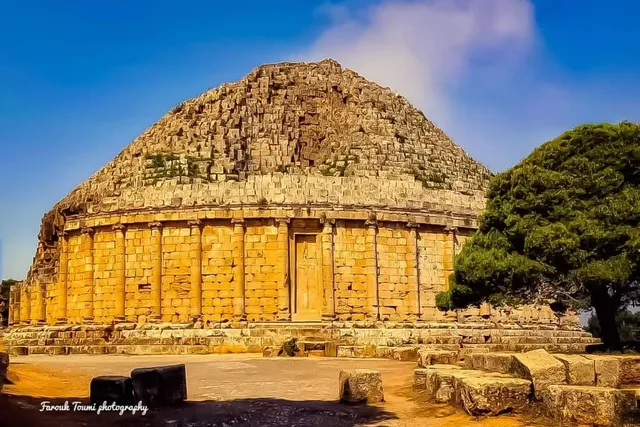
In Algeria, between Cherchell and Algiers, is the UNESCO World Heritage Site of Tipasa, containing numerous archaeological sites dating from Phoenician, Roman, Early Christian, and Byzantine times. Among them is the imposing Royal Mausoleum of Mauretania, built in 3 BCE on the orders of Juba, formerly King of Numidia, then the client king of the Roman province of Mauretania. Now known to be the tomb of King Juba II and his wife, Queen Cleopatra Selene II, it was thought to have been intended as a monument for Cleopatra and is known locally as Kubr-er-Rumia, “Tomb of the Roman Woman”—a reference to her parents, Mark Antony and the Egyptian Queen Cleopatra. The couple’s vaulted burial chambers at the heart of the monument are located behind heavy stone doors accessed via an internal spiral gallery.

Damaged heritage. The mausoleum incorporated elements of Numidian, Greco-Roman, and Egyptian architecture as befitted the lineage of its occupants. The vaulted burial chambers—reminiscent of those of the Egyptian pharaohs—are housed in a windowless round building, decorated on the outside with 60 Ionic columns. Typically, Numidian buildings of this type were topped with a solid monumental cone or pyramid of stone blocks, but because of the poor state of repair, this is no longer discernible on the Royal Mausoleum. The capitals of the columns have been removed, and the remains of the royal couple are missing, presumed stolen by tomb-raiders. Although under UNESCO protection since 1982, the monument has suffered badly from looting, vandalism,...

   Read more

avatar
5.0
40w

The Royal Mausoleum of Mauretania is sometimes referred to as the Mausoleum of Juba and Cleopatra Selene, as it is the final resting place of Juba II and Cleopatra Selene II, who were of the last king and queen of Mauretania. The mausoleum was constructed in 3 BCE. Cleopatra Selene II was the daughter of Mark Antony, Roman Triumvir, and the Queen of Egypt, Cleopatra VII. It is believed that Pomponius Mela, a Roman geographer of the first century, was referring to the Royal Mausoleum of Mauretania, when he described The Communal Mausoleum of the Royal Family. He was correct, as not only was the mausoleum erected for the king and queen of Mauretania but as a royal tomb for their descendants as well. Roman Emperor, in Rome many years before Juba II left for Numidia, and it was a deliberate act, as it was a sign of allegiance of Juba II to the Roman Kingdom. The mausoleum was constructed according to ancient mausoleums and their architectural design originated from mausoleums found in Egypt and Anatolia. This means that the mausoleum is built from stone and has a circular base. The top of the mausoleum was either completed with a pyramid or cone. The base would also have been decorated with ionic columns, but due to vandalism over the centuries, they are not longer part of...

   Read more
avatar
5.0
8y

Royal Mausoleum of Mauretania -الضريح الملكي الموريتاني الضريح الملكي الموريتاني أو كما يدعوه السكان المحليون قبر الرومية هي منطقة أثرية تقع بسيدي راشد ولاية تيبازة هو مبنى دائري الشكل على الطريق المؤدي من الجزائر إلى شرشال . يبلغ محيطه 185.5 متر وقطره 60.9 متر وعلوه 32.4 متر يبرز في الخارج 60 عمود من النمط الأيوني , و 4 أبواب خفية يمكننا الدخول إلى الضريح عبر باب سفلية وضيقة توجد تحت الباب الخفية للناحية الشرقية. في الداخل بعد المرور على قبر ودهليز نصل إلى رواق دائري الشكل به قبران آخران , الثاني مزين بثلاث تجاويف غربا شمالا وجنوبا يقع القبر على رأس ربوة بالساحل الغربي للجزائر العاصمة، يعلو سطح البحر بمقدار 261 مترا ويظهر للناظر من سهل متيجة (جنوب العاصمة) ومن مرتفعات حي بوزريعة بأعالي العاصمة ويراه الصيادون والملاحون من البحر ويهتدون به في تنقلاتهم البحرية. إذا بلغ زائر الربوة المكان، تراءى له القبر الضخم على شكل أسطواني ذي صفائح يعلوه مخروط مدرج، ويتزين في دائرته بـ60 عمودا مرضوما مميزا بتيجان إيوانية يحمل كل واحد منها إفريزا. ويتربع هذا الشكل الهندسي على قاعدة مربعة ضلعها 63.40 متر. ويوجد أمام باب القبر، آثار بناية يبلغ طولها 16 مترا وعرضها 6 أمتار، كانت في الزمن الغابر معبدا. ويتكون القبر من 4 صفائح حجرية، عبارة عن أبواب وهمية علو الواحد منها 6.90 متر يحيط بها إطار من نقوش بارزة يتراءى منها رسم شبيه بالصليب، مما جعل بعض الباحثين في الآثار يعتقدون أنه مبنى مسيحي، ومنه جاء اسم «قبر الرومية» المأخوذ من مفردة «الرومي» العربية أي البيزنطي أو الروماني. لكن كثيرا من علماء الآثار يؤكدون أن المبنى لا صلة له بالمسيحية. ويخيل لمن يشاهد القبر من بعيد، أنه خلية نحل عظيمة أو كومة تبن ضخمة، ومن يدنو منه يشعر بعظمة هيكله. ومن ميزات هذا المعلم الهندسي الجميل، أن لونه يتغير حسب الفصول وحسب ساعات النهار، فهو تارة يميل إلى الاصفرار وتارة يأخذ لونا رماديا أو تعلوه زرقة عندما يحيط به الضباب. القبر من الداخل عند اجتياز باب القبر، ينفذ الزائر إلى رواق يضطر من يمشي فيه إلى الانحناء، وفي حائطه الأيمن يمكن مشاهدة نقوش تمثل صورة أسد ولبؤة وقد نسب الرواق إلى النقوش فسمي «بهو الأسود». وباجتياز الرواق يجد الزائر نفسه في رواق ثان طوله 141 مترا وعلوه 2.40 متر شكله ملتو، ويقود مباشرة إلى قلب المبنى الذي تبلغ مساحته 80 مترا مربعا. وخلافا لما قيل في الماضي فإن الباحثين لم يعثروا على أثر لأي كنز فيه. تاريخ بنائه هناك عدة روايات حول تاريخ بنائه بعض المؤلفات الرومانية القديمة تقول انه يعود إلى 40 سنة بعد الميلاد أي إلى عهد استيلاء الرومان على مملكة موريتانيا، وهي كلمة كانت تطلق على المغرب الأوسط و المغرب الأقصى في العصر القديم. ويميل المختصون في الآثار الرومانية إلى القول بان الملك يوبا الثاني وزوجته كليوباترا سيليني ابنة كليوباترا ملكة مصر الفرعونية، هما من أشرفا على بناء القبر، ويستندون في ذلك إلى كون «يوبا الثاني» ملكا مثقفا يتذوق فن العمارة، وقد جلب إلى عاصمته «شرشال» (100 كلم غرب العاصمة الجزائرية) تحفا فنية اشتراها من بلاد اليونان. ويقدم المؤرخ الشهير رومانيلي رواية أخرى، حيث يقول ان القبر بني في القرن الخامس أو القرن السادس للميلاد، ويعتقد أن من بناه استلهم شكله الهندسي من القبر المستدير الذي بناه الإمبراطور هدريان في روما. ويرى كثير من الباحثين أن «قبر الرومية» وجد قبل الاحتلال الروماني، مما يدلل في نظرهم على تطور المجتمع «الموريتاني» اقتصاديا، وقدرته على إبداع فن أصيل بفضل اتصاله بحضارات شمال أفريقيا والمتوسط الأخرى. Mausolée royal de Maurétanie : Le mausolée royal de Maurétanie, porte est Le Mausolée royal de Maurétanie, surnommé Tombeau de la Chrétienne, en arabe Kbour-er-Roumia, est un monument de l'époque numide, situé en Algérie, sur l'actuelle commune de Sidi Rached, à une soixantaine de kilomètres à l'ouest d'Alger. Inscrit en 1982 au patrimoine mondial au titre de « Tipaza » pour les critères (iii)(iv), le mausolée royal de Maurétanie est en outre sur la liste indicative du patrimoine mondial de l'Unesco depuis 2002 au titre des « Les Mausolées Royaux de Numidie, de la Maurétanie et les monuments funéraires pré-islamiques » pour...

   Read more
Page 1 of 7
Previous
Next