Monumento Histórico Nacional a la Bandera things to do, attractions, restaurants, events info and trip planning
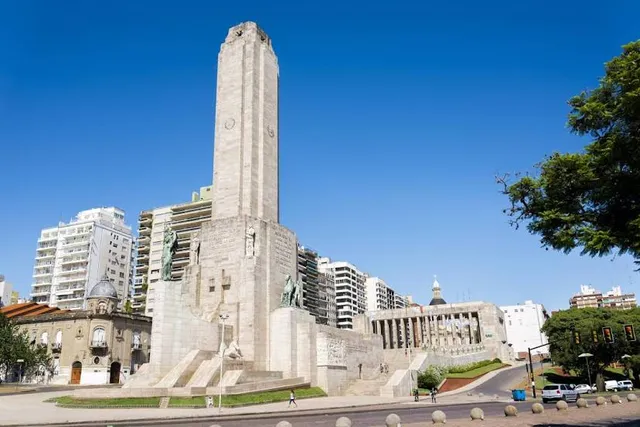
Basic Info
Monumento Histórico Nacional a la Bandera
Sta Fe 581, S2000 Rosario, Santa Fe, Argentina
4.7(17)
Closed
Save
spot
spot
Ratings & Description
Info
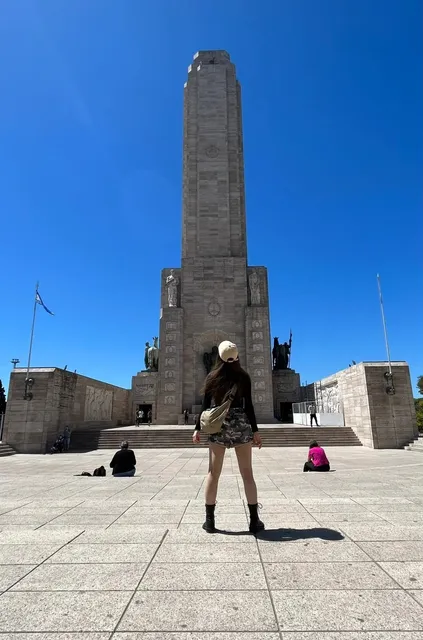
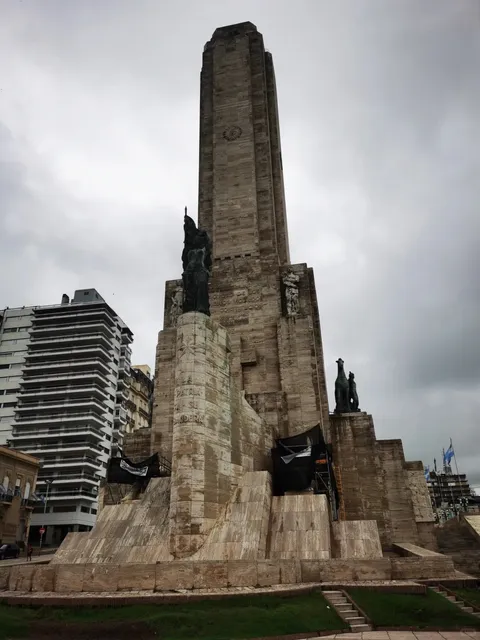
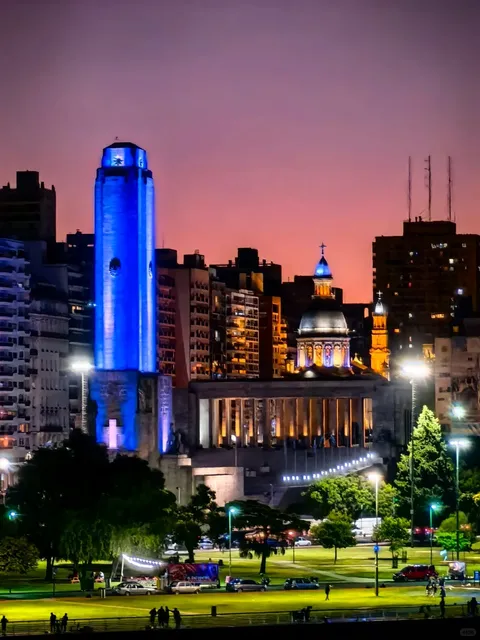
The National Flag Memorial in Rosario, Argentina, is a monumental complex built near the shore of the Paraná River.
Cultural
Outdoor
Family friendly
attractions: Cathedral Basilica Our Lady of Rosario, Plaza 25 de Mayo, Plaza Barranca de las Ceibas., Galeria de Honor de las Banderas de América, Plaza Montenegro, Teatro El Círculo, Costanera de Rosario, Fuente de las Utopías, Museum Diario La Capital, Museo Internacional para la Democracia, restaurants: Restaurant La Marina, VIP Rosario, Sablé Paris - Monumento, el escaramujo, Amelie Petit Cafe, La Buena Medida Bar, Pub restaurante El Ruedo, II Piccolo Navio, Liverpool Bar, Blackford - Café & Bar, local businesses: Propileo, MUNICIPAL ART MUSEUM OF DECORATIVE SIGNATURE AND ODILO ESTEVEZ, Feria de artesanos La Fluvial, Oliva Mercado Natural
 Learn more insights from Wanderboat AI.
Phone
+54 341 480-2239
Website
monumentoalabandera.gob.ar
Open hoursSee all hours
WedClosed
Plan your stay

Pet-friendly Hotels in Rosario
Find a cozy hotel nearby and make it a full experience.

Affordable Hotels in Rosario
Find a cozy hotel nearby and make it a full experience.

The Coolest Hotels You Haven't Heard Of (Yet)
Find a cozy hotel nearby and make it a full experience.

Trending Stays Worth the Hype in Rosario
Find a cozy hotel nearby and make it a full experience.
Reviews
Nearby attractions of Monumento Histórico Nacional a la Bandera
Cathedral Basilica Our Lady of Rosario
Plaza 25 de Mayo
Plaza Barranca de las Ceibas.
Galeria de Honor de las Banderas de América
Plaza Montenegro
Teatro El Círculo
Costanera de Rosario
Fuente de las Utopías
Museum Diario La Capital
Museo Internacional para la Democracia
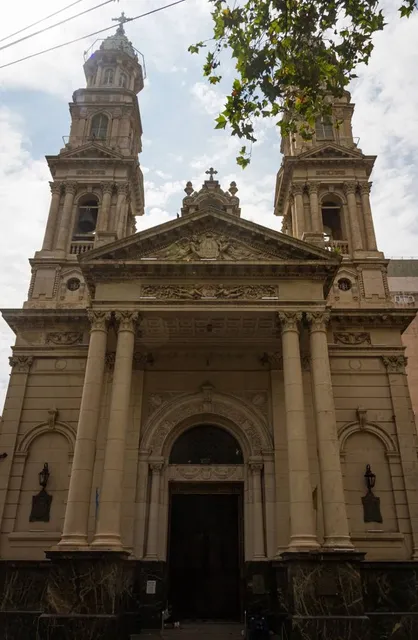
Cathedral Basilica Our Lady of Rosario
4.7
(1.0K)
Closed
Click for details
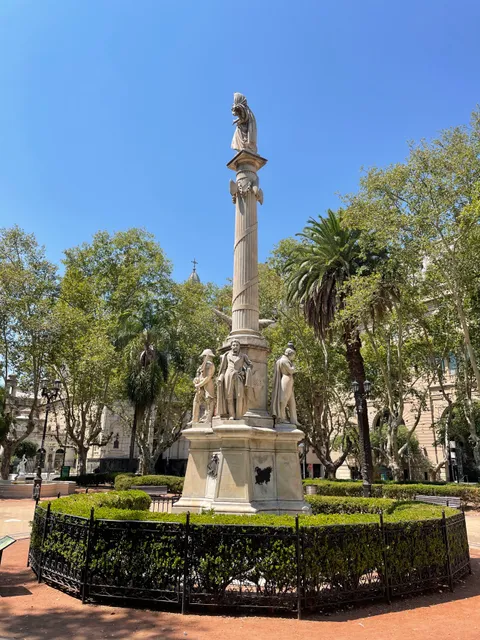
Plaza 25 de Mayo
4.3
(2.6K)
Open until 12:00 AM
Click for details
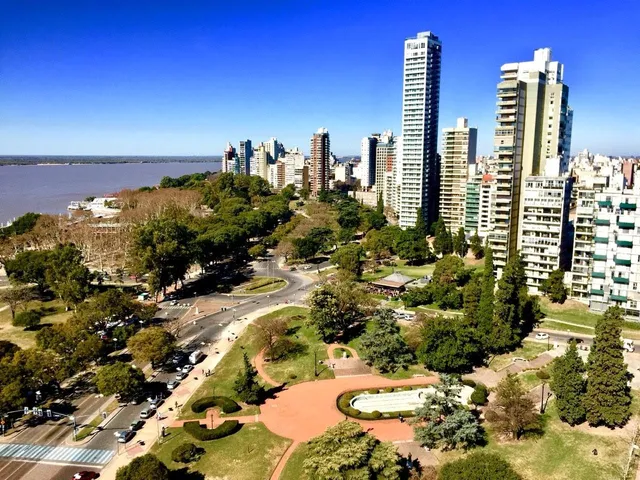
Plaza Barranca de las Ceibas.
4.4
(315)
Open until 12:00 AM
Click for details
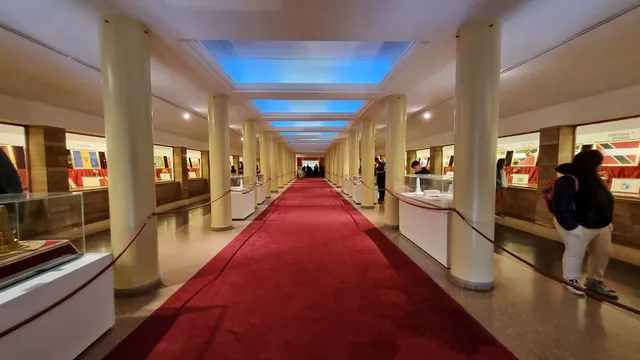
Galeria de Honor de las Banderas de América
4.6
(40)
Closed
Click for details
Nearby restaurants of Monumento Histórico Nacional a la Bandera
Restaurant La Marina
VIP Rosario
Sablé Paris - Monumento
el escaramujo
Amelie Petit Cafe
La Buena Medida Bar
Pub restaurante El Ruedo
II Piccolo Navio
Liverpool Bar
Blackford - Café & Bar
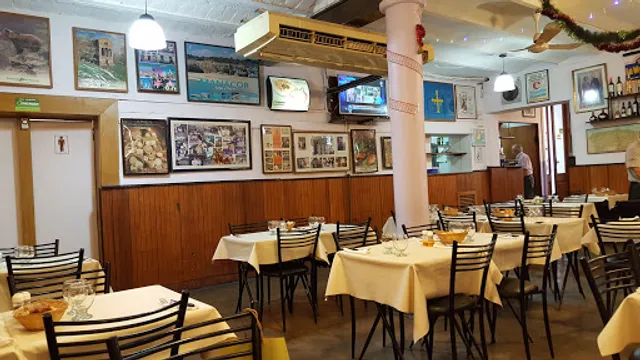
Restaurant La Marina
4.4
(2.3K)
Closed
Click for details
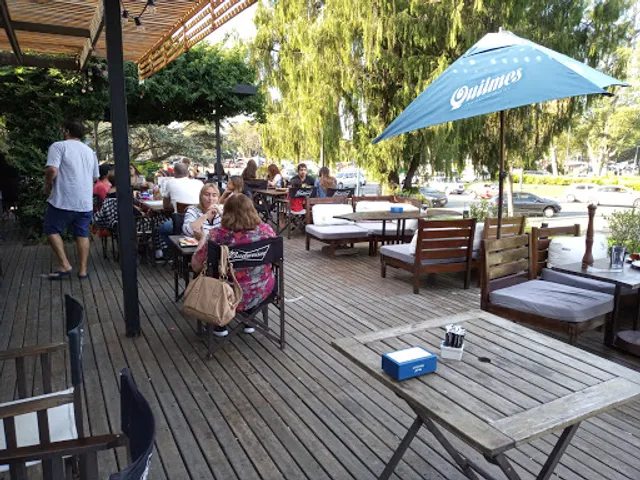
VIP Rosario
4.1
(3.7K)
Closed
Click for details
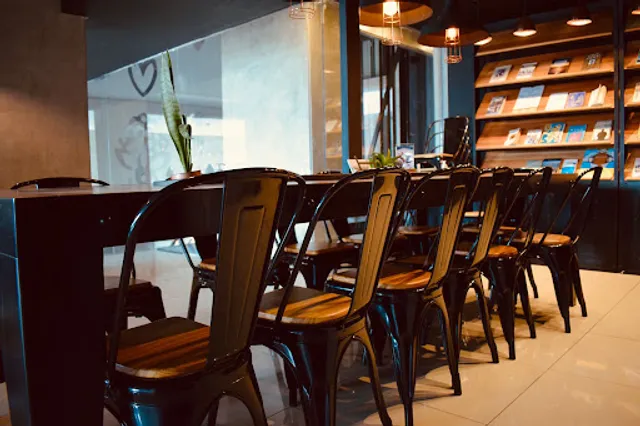
Sablé Paris - Monumento
3.9
(610)
Closed
Click for details
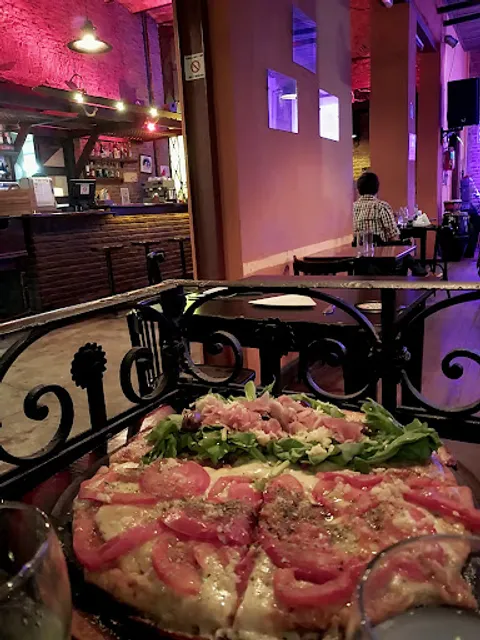
el escaramujo
4.2
(228)
$$
Open until 2:00 AM
Click for details
Nearby local services of Monumento Histórico Nacional a la Bandera
Propileo
MUNICIPAL ART MUSEUM OF DECORATIVE SIGNATURE AND ODILO ESTEVEZ
Feria de artesanos La Fluvial
Oliva Mercado Natural
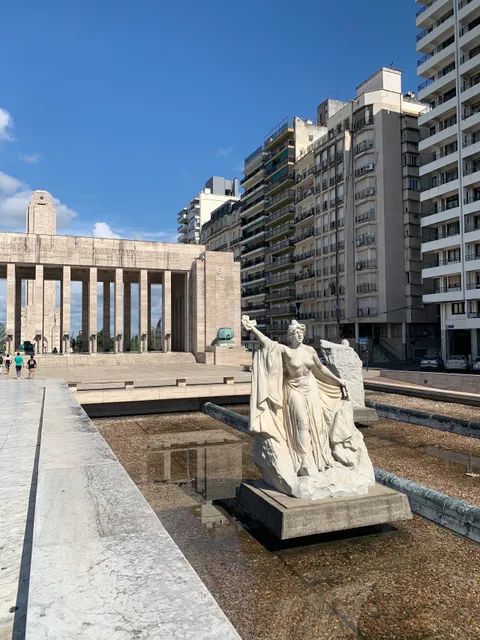
Propileo
4.8
(12)
Click for details
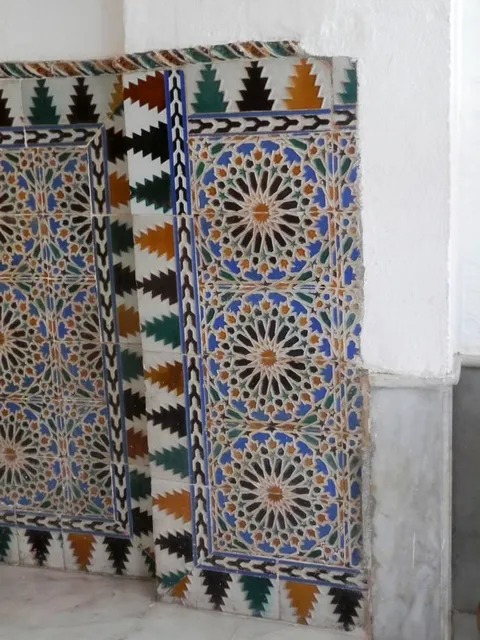
MUNICIPAL ART MUSEUM OF DECORATIVE SIGNATURE AND ODILO ESTEVEZ
4.5
(269)
Click for details
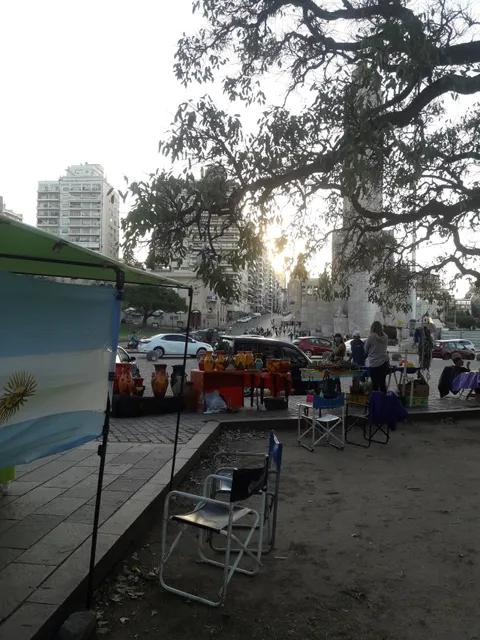
Feria de artesanos La Fluvial
4.2
(19)
Click for details
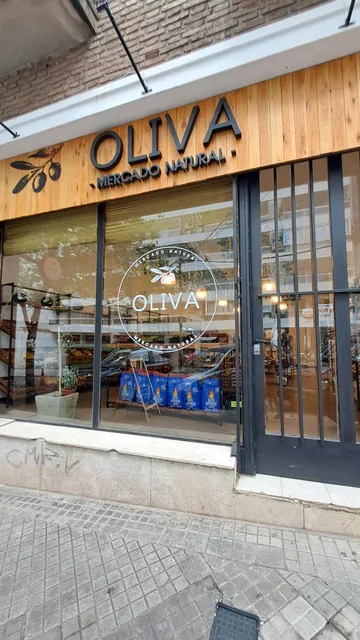
Oliva Mercado Natural
4.8
(13)
Click for details