Metsamor Historical-Archeological Museum-Reserve things to do, attractions, restaurants, events info and trip planning
Basic Info
Metsamor Historical-Archeological Museum-Reserve
45GP+GPF, Taronik, Armenia
4.8(51)
Open until 5:30 PM
Save
spot
spot
Ratings & Description
Info
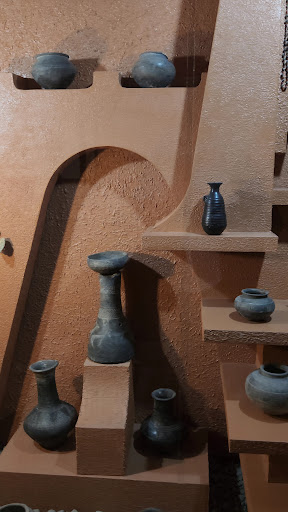
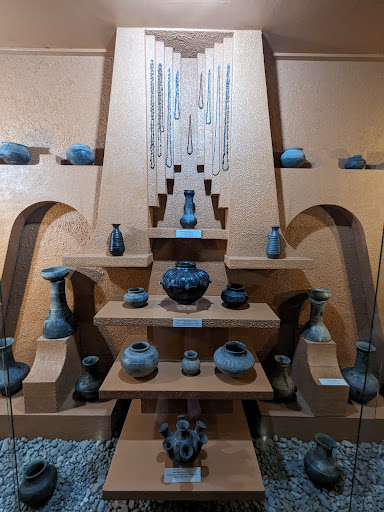
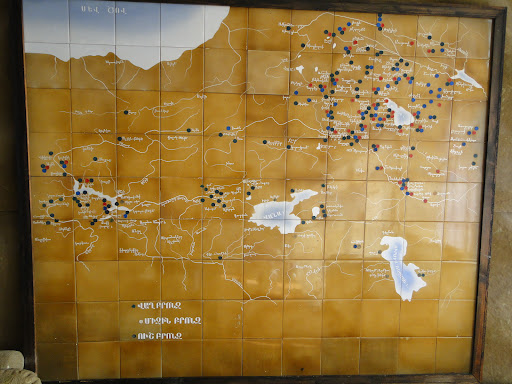
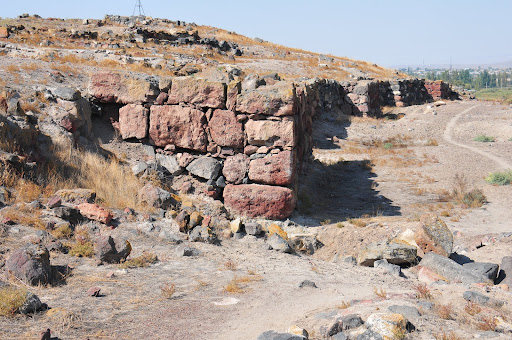
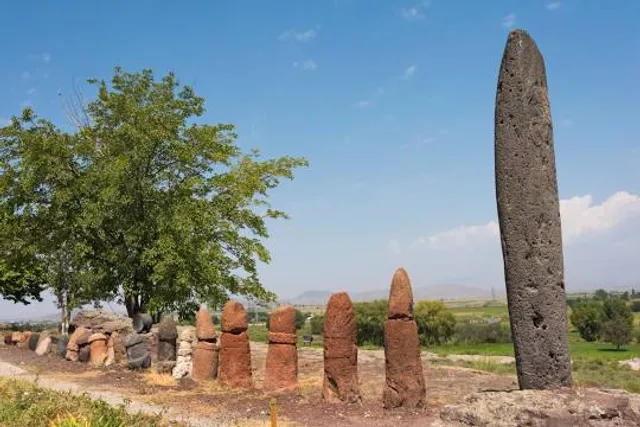
Metsamor site is the remains of an old fortress located to the southwest of the Armenian village of Taronik, in the Armavir Province. While it used to be believed the city of Metsamor was destroyed by the Urartians during the Iron Age researchers now believe it was destroyed by Scythian or Cimmerian nomads.
Cultural
Outdoor
Scenic
Family friendly
attractions: , restaurants: , local businesses:
 Learn more insights from Wanderboat AI.
Phone
+374 10 545570
Open hoursSee all hours
Sat10 AM - 5:30 PMOpen
Plan your stay

Pet-friendly Hotels in Taronik
Find a cozy hotel nearby and make it a full experience.

Affordable Hotels in Taronik
Find a cozy hotel nearby and make it a full experience.

The Coolest Hotels You Haven't Heard Of (Yet)
Find a cozy hotel nearby and make it a full experience.

Trending Stays Worth the Hype in Taronik
Find a cozy hotel nearby and make it a full experience.
Reviews
Live events

How To Build Products For 100 Of Millions Of Customers: Narek Hayrapetyan
Thu, Feb 12 • 2:30 PM
Yandex Hall, 35 Moskovyan pokhoc, Yerevan 0002, Armenia
View details