The Kosciuszko National Park /ˌkɒziˈʌskoʊ/ is a 6,900-square-kilometre (2,700 sq mi) national park and contains mainland Australia's highest peak, Mount Kosciuszko, for which it is named, and Cabramurra the highest town in Australia. Its borders contain a mix of rugged mountains and wilderness, characterised by an alpine climate, which makes it popular with recreational skiers and bushwalkers.
The park is located in the southeastern corner of New South Wales, 354 km (220 mi) southwest of Sydney, and is contiguous with the Alpine National Park in Victoria to the south, and the Namadgi National Park in the Australian Capital Territory to the northeast. The larger towns of Cooma, Tumut and Jindabyne lie just outside and service the park.
The waters of the Snowy River, the Murray River, and Gungarlin River all rise in this park. Other notable peaks in the park include Gungartan, Mount Jagungal, Bimberi Peak and Mount Townsend.
On 7 November 2008, the Park was added to the Australian National Heritage List as one of eleven areas constituting the Australian Alps National Parks and Reserves.
The Australian Alps Bioregion was initially discovered by two First People Aboriginal groups. The Walgalu people occupied the northern part of what is today named the Kosciuszko National Park, while the Ngarigo people lived in the region around the highlands.
Multiple Aboriginal groups in the southern part of NSW gathered in the Australian Alps Bioregion in the summer on an annual pilgrimage to the Bogong and Snowy Mountains. Here, the men participated in a feast of bogong moths (Agrotis infusa) that were found on the rocky outcrops of the mountains.
After possibly 20,000 years of occupation, the traditional lifestyles of the First Australians were disrupted by the European invaders, including disease.
The area was explored by Europeans in 1835, and in 1840, Edmund Strzelecki ascended Mount Kosciuszko and re-named it after a Polish patriot and military leader Tadeusz Kościuszko. High-country stockmen followed, using the Snowy Mountains for grazing during the summer months. Banjo Paterson's famous poem The Man From Snowy River recalls this era. The cattle graziers have left a legacy of mountain huts scattered across the area. Today these huts are maintained by the National Parks and Wildlife Service or volunteer organisations like the Kosciuszko Huts Association. In the 19th century, gold was mined on the high plains near Kiandra. At its height, this community had a population of about 4,000 people, and ran 14 hotels. It was here that Skiing in Australia commenced around 1861. Since the last resident left in 1974, Kiandra has become a ghost town of ruins and abandoned diggings. In the 20th century, the focus of Skiing in New South Wales shifted south closer to the Kosciuszko Main Range.
The Kosciuszko National Park came into existence as the National Chase Snowy Mountains on 5 December 1906. In April 1944, following the passage of the Kosciusko State Park Act, the Kosciusko State Park was proclaimed. It then became the Kosciuszko National Park in 1967. The name was misspelt as Kosciusko until 1997.
The construction of the Snowy Mountains Scheme between 1949–74 saw much of the area explored, brought improvements to roads and resulted in the construction of several dams and tunnels across the Park in one of the world's largest engineering...
Read more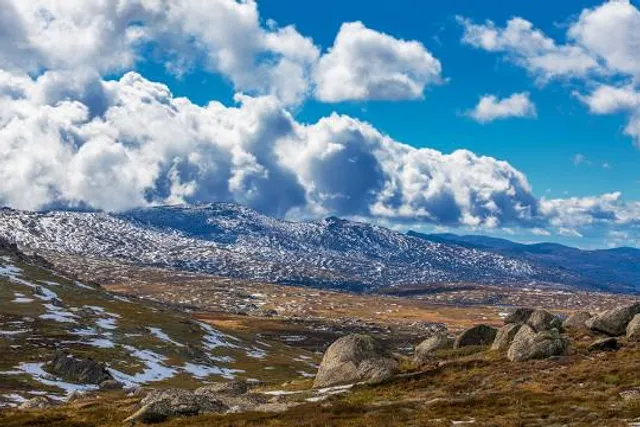

 Learn more insights from Wanderboat AI.








