The Abbey Museum of Art and Archaeology has its roots in the Abbey Folk Park, established by Rev. JSM Ward at New Barnet, England, in 1934.
John SM Ward, founder of the Abbey Museum collection Born in British Honduras in 1885 and educated at Cambridge, John Ward developed an interest in collecting antiquities as a child. In 1929, following a profound spiritual experience, he founded a utopian religious community at Hadley Abbey and established the Abbey Folk Park, Britain’s first social history museum.
War, migration and death “The man who collects houses“ A pioneer of modern museology, Ward displayed artefacts in sympathetic historic settings. Dubbed “the man who collects houses” by the press, Ward amassed 30 salvaged historic buildings at the folk park, where he displayed his substantial collection of prehistoric, classical and medieval antiquities. Ward constructed a replica prehistoric village, making him an innovator of experimental archaeology and open air museums.
In 1940 during the London Blitz, the Abbey Folk Park was forced to close; it never reopened. In 1945 the museum buildings and the bulk of the collections were sold to finance the migration of Ward and members of his community to Cyprus where he died in 1949. The escalation of violence as Greek Cypriots campaigned for union with Greece forced the community to relocate again to Australia in 1956; they eventually settled in Caboolture, Queensland, in 1965.
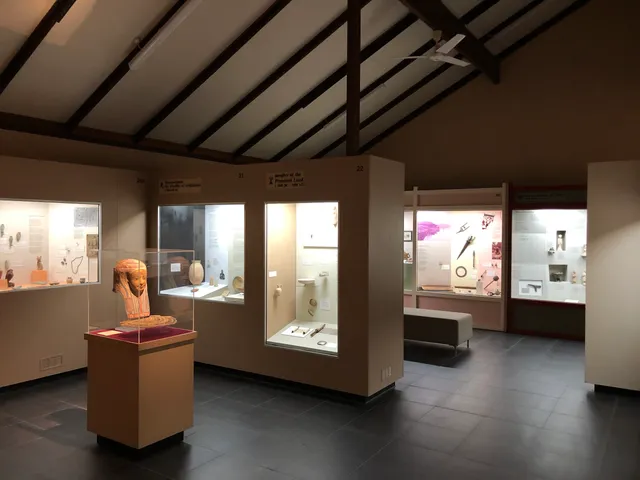
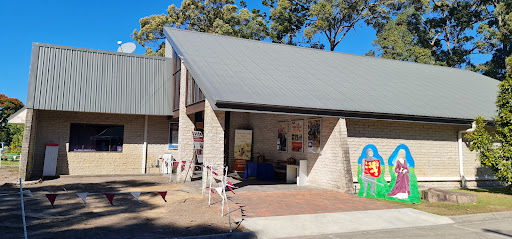
Ward’s Museum reborn at Caboolture In 1978 it was decided to make the remaining collection available to the public and the Museum Board was formed, appointing Michael Strong (M.A. Archaeology & Heritage) as Director. A selection of the collection was displayed in a temporary building while funding was sought to build a permanent museum. With the securing of assistance from government and public sources, construction commenced in 1983. In June 1986 the Abbey Museum of Art and Archaeology was officially opened. In 1999 a small manuscript gallery was opened, named in honour of Professor Richard Stephens who served as Board chairman...
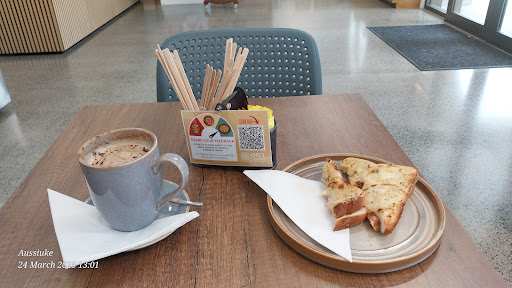
Read moreA little Gem of international history (actually athousand plus pieces) have had an addition, opened this Saturday afternoon.The much anticipated Gallery and redesigned entry has boosted this iconic and eclectic collection right up there with world museums.Maybe not that huge or expansive as the big boys the collection has its uniqueness in pieces that give a very nice snapshot of history, both local and world.Well worth a half day visit with coffee and snacks plus the required trinkets of takeaway memories.Or, come during the annual Medieval Tournament/Festival (midyear) and also enjoy a couple of days with jousting,battles,exhibitions and ancient living and the museum can be a quiet respite before more revelry of Medieval times.Enjoy, but book early on site and view the collection of photos they have there also.For the weary traveller on your way North it is a welcome stop. Medieval may be the focus but don't expect an earthen bowl of week long brewing stew with a slab of crusty black bread.The Cafe is new, clean and fresh with the basic snacks and tastiest.The coffee is distinctive.Well worth the short diversion and casual stroll...
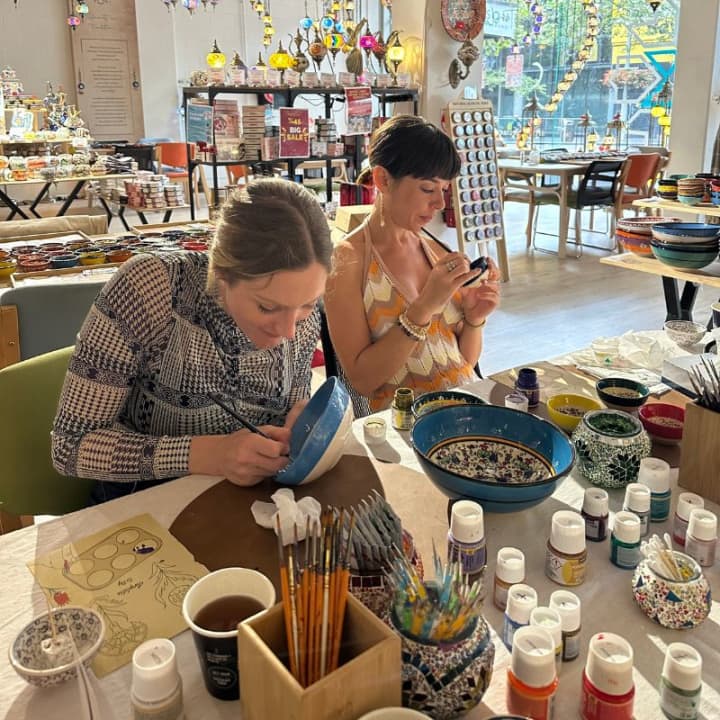
Read moreI have been to the Abbey Medieval Festival several times and the Abbey Medieval Banquet twice, thoroughly enjoyed all of them. This is the first time I have been to the Abbey Museum and I really liked it. It is small compared to a city museum, but the information walls explain a great deal about the different era's and there are lots of various exhibits, all of which have information cards which are quite detailed. They have a special room dedicated to manuscripts. They even run kids activities there during school holidays. It's a great little museum and well worth seeing. There is parking off to the side and it appears they are planning an extension to the...
Read more