The living ghost town of Gwalia is the doorway to a unique experience of Western Australia’s rich mining history.
The little settlement that grew up around the Sons of Gwalia Mine in the late 1890s thrived until the final whistle blew on 28 December 1963, closing the mine and putting 250 men out of work. Gwalia’s 1200-strong population fell to just 40 in less than three weeks.
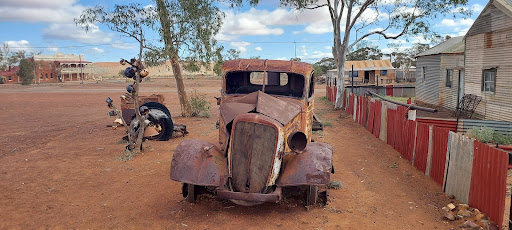
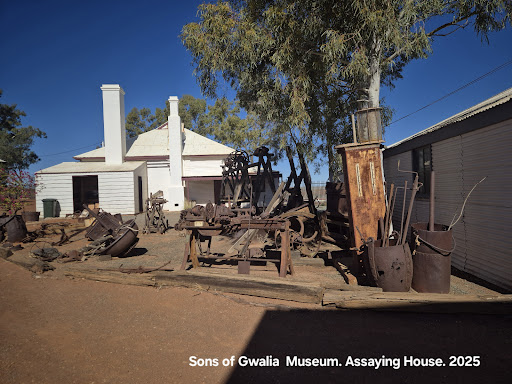
Today, the abandoned homes and businesses of Gwalia create a tangible snapshot of a vanished era and way of life.
The Gwalia experience is three-dimensional: step inside the quaint cottages built of corrugated iron, timber and whitewashed hessian and imagine a miner’s wife cooking dinner on the cast iron range, while her husband toils far underground to support his family and their children recite their lessons in the State school. Look through the windows of Mazza’s Store, where the shopper could buy everything from two pounds of flour for the day’s baking to a length of fabric to make a frock for a dance at the State Hotel – or wander through Patroni’s Guest Home next door, for decades a home from home for single men employed at the Sons of Gwalia Mine.
Once one of the largest gold mines in Australia, the Sons of Gwalia Ltd operated from 1897 to 1963. Its first mine manager was a young American mining engineer named Herbert Hoover, who later became the 31st President of the United States. The mine manager’s house Hoover designed and which bears his name stands on the summit of “Staff Hill” in the Museum Complex.
Nearby, the old mine administration buildings in the shadow of Australia’s only surviving timber incline headframe now house the Gwalia Museum’s extensive collection of objects, documents and photographs which sketch the history of the mine and showcase the diverse cultures and commercial and domestic life that created Gwalia’s enduring legacy.
Step back to the days of steam when ‘Midland’, one of five similar steam engines, operated on the Woodlines supplying the Sons of Gwalia mine with timber – or imagine yourself aboard the first passenger tram that transported commuters between Gwalia and Leonora from 1903 to 1921. The 1912 Fraser and Chalmers steam-operated winder, which lowered miners underground for their daily shifts and raised the precious gold ore from the shaft, is one of only three remaining in the world and a fine example of the technology of the time.
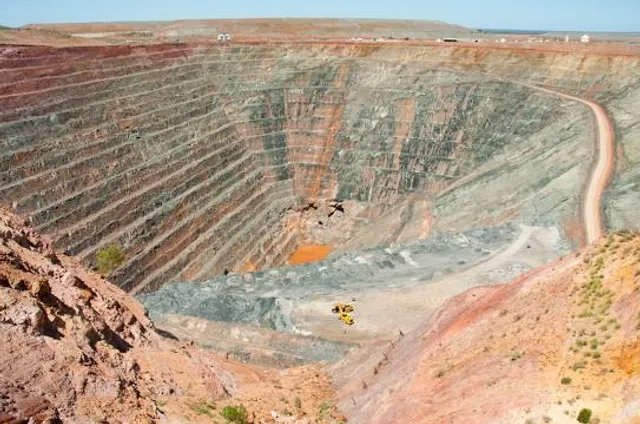
Today, Hoover House is a luxury Bed and Breakfast and function venue where guests, museum visitors and travellers can enjoy coffee on the verandah overlooking the vast open pit of the modern gold mine on the site of the historical Sons of...
Read more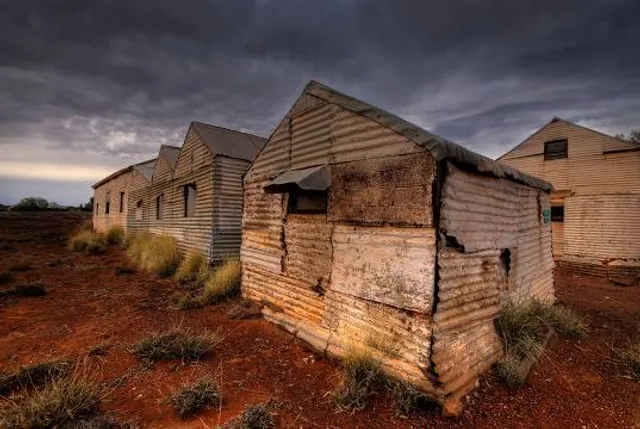
 Learn more insights from Wanderboat AI.