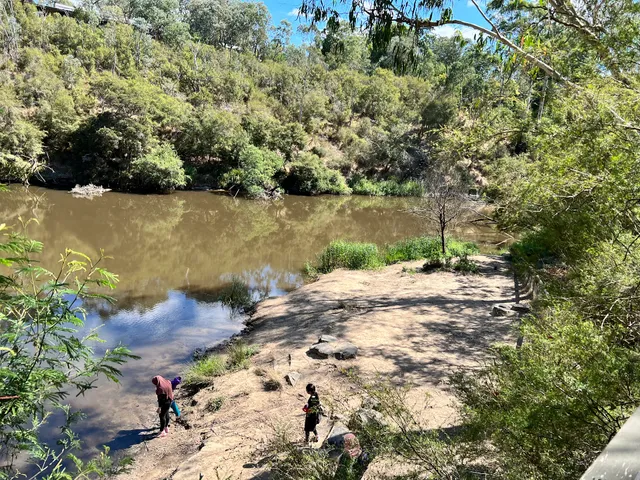
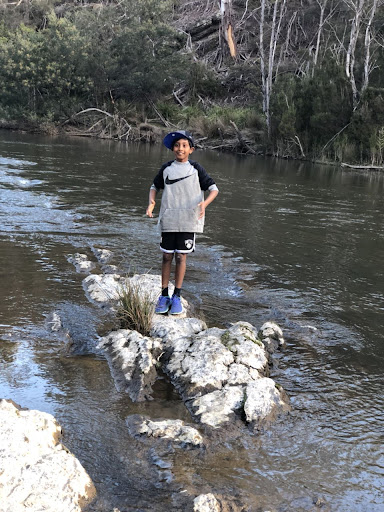
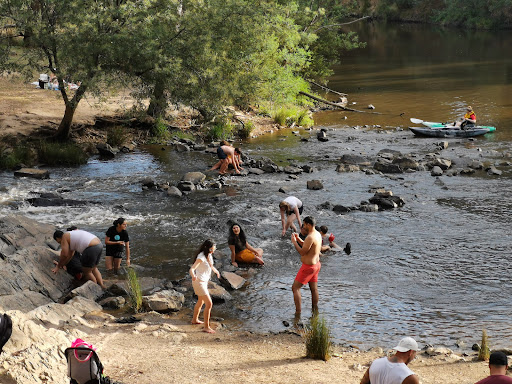
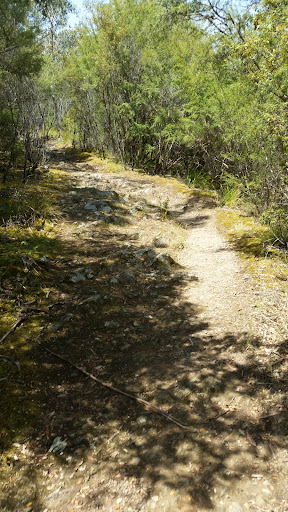
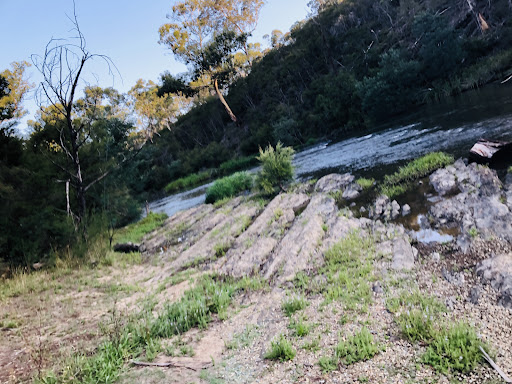
Warrandyte State Park is a state park, located in Warrandyte, east of Melbourne, Victoria on the banks of the Yarra River and surroundings. The park comprises 586 hectares of remnant bushland in various locations throughout Warrandyte and Wonga Park around Pound Bend, Fourth Hill, Black Flat, Yarra Brae and various other locations in the area. It hosts many significant geographical, environmental, archaeological and historical sites, such as the site of the first gold discovery in Victoria in 1851 and preserves the sites of former gold mines and tunnels. It is a popular destination for school and community groups and is frequented by local bush walkers and hikers.
Land now occupied by the park was initially occupied by Indigenous Australians of the Wurundjeri nation. After European settlement, gold was discovered in Warrandyte, and the area was mined for a number of years. Frequent clearing had at one stage removed all the vegetation in the area, and bushfires have erased much of the recent human architectural history of the area. However, they have ensured the health of the bushland and reduced the impact of human settlements, enabling the vegetation to recover throughout the 20th century. The major threats to the park's ecology are introduced species of flora and fauna such as foxes, rabbits, dogs and cats. Being located close to suburban settlements, backburning is regularly undertaken within the park to minimise risk of bushfires.
Land now occupied by the park was initially occupied by Indigenous Australians of the Wurundjeri nation. After European settlement in Melbourne, settlers were slow to spread out into the hills east of Melbourne into the Warrandyte area, but with the discovery of gold at Andersons Creek in July 1851, the first gold licences in Victoria were issued. At the turn of the century, the settlement at Warrandyte, employed about 250 miners. Much of the area was mined heavily throughout the late 19th and early 20th centuries, this was done in sections leaving large slots or "stopes" underground where the reef had been. Many of these mine shafts, structures and stopes remain as ruins throughout the park.
The park itself was established in 1975 in an effort to protect areas geographic, environmental, historical and archeological significance around Warrandyte. Stane Brae and Yarra Brae, were later added because of their conservation value. The most recent addition to the park was the Mount Lofty area in 1997.
The wildlife, so diverse on the fringe of such a big city, includes kangaroos, wallabies, wombats, platypus and koalas. Over 100 bird species have been recorded as well as many reptiles, frogs, fish and insects. Vegetation in the area was almost totally cleared during the late 19th and early 20th centuries, most of the vegetation seen today has regrown since then. Smooth-barked Manna Gums and Silver Wattles line the Yarra River, while an assortment of Box Eucalypts and other Wattles cover the hills. Much of the hilly area is characterised by open, forested country, with an understorey of native grasses, creepers, orchids and other...
Read more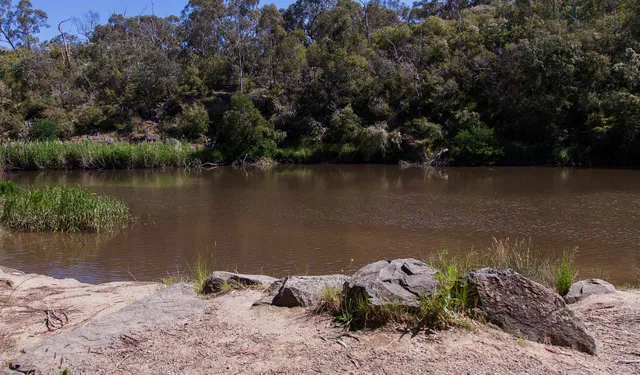
 Learn more insights from Wanderboat AI.