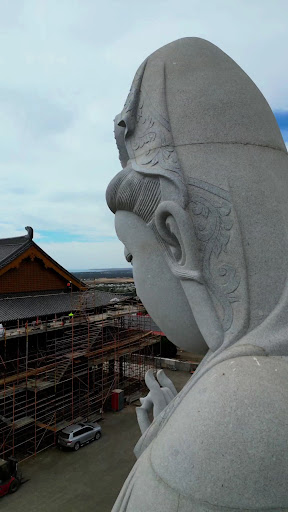
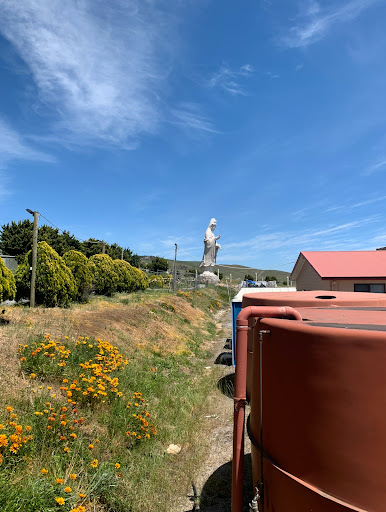
The Nan Hai Pu Tuo Temple of Australia, with its grand statue of Guan Yin, the Buddha Goddess of Mercy, stands on the coastline of South Australia, a land known to the Kaurna people as Tarntanya (Adelaide Plains). For thousands of generations, the Kaurna people have been custodians of these lands and waters, holding deep spiritual connections to the sky, sea, and country. From a Kaurna perspective, the temple and its towering figure of Guan Yin evoke reflections on spirituality, place, and cultural continuity.
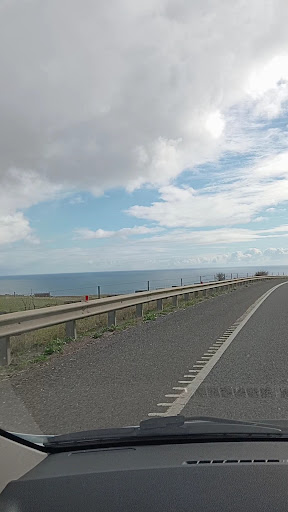
The Kaurna people believe in the interconnectedness of all things—Ngaitalyaityangka (respect for country) and Yartangka Turrunthi (spiritual presence in the land). Just as the teachings of Guan Yin embody compassion and care, Kaurna spiritual traditions honour the land as a living entity that nurtures and sustains. The temple’s location by the ocean aligns with Kaurna stories of the Yarlupirti (great waters) that shape life and movement, reminding us that water is a giver of knowledge, a path of connection, and a carrier of spirits.
While Nan Hai Pu Tuo Temple is a Buddhist place of worship from Chinese tradition, its presence on Kaurna land invites contemplation on how different cultures find ways to coexist respectfully. Just as Kaurna people practice Wodli Turrunthi (welcoming spirit), the temple offers a place of refuge, reflection, and harmony. Yet, any sacred site on Kaurna country should acknowledge the original custodians. Recognizing Kaurna sovereignty and embedding Indigenous perspectives in such spaces would strengthen respect and reconciliation.
The statue of Guan Yin, with her watchful gaze over the sea, carries a message of mercy and compassion—values that resonate with Kaurna principles of caring for Yarta (Country) and all beings. However, the development of large structures must also consider the land’s sacredness and the impact on Tjirbruke's (creator ancestor’s) pathways. In Kaurna tradition, there are places where spirits move freely, and these must be honoured. The temple’s presence offers an opportunity for dialogue about how built environments can align with the spirit of the land rather than overpower it.
For true cultural respect, spaces like Nan Hai Pu Tuo Temple should embrace the voices of First Nations people. Incorporating Kaurna language, stories, and ceremonial practices could create a bridge between cultures, where mutual respect and learning flourish. Imagine if the temple grounds included a Kaurna Tjirbruki story site or a place for Nunga (First Nations) ceremonies alongside the Buddhist prayers—this would deepen its meaning as a space of spiritual unity.
From a Kaurna perspective, the Nan Hai Pu Tuo Temple and the statue of Guan Yin remind us of the importance of honouring land, spirituality, and coexisting traditions. If approached with genuine respect for Country and the First Peoples, such spaces can be more than symbols of faith—they can become places of reconciliation, healing, and shared wisdom. In the spirit of Ngaitalyaityangka, we invite all who visit to not only reflect on mercy and compassion but also to acknowledge and respect the living culture and sovereignty of the Kaurna people, who have cared for this land since the...
Read more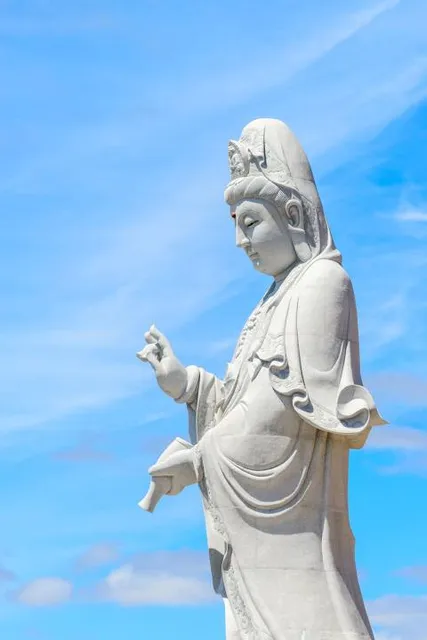
 Learn more insights from Wanderboat AI.