Waddamana Power Station was the vision of three amazing men who saw the potential for a hydro electric scheme. It began as private venture in 1910. They were granted permission but had to raise the money themselves. Potential investors were sought and the project started.
Physicist Professor Alexander McAulay, Metallurgist James Gillies & Engineer John Butters worked hard to get the project up and running. However, after a severe winter in 1912, the remote location and the rumblings of what would be World War 1, they couldn’t continue.
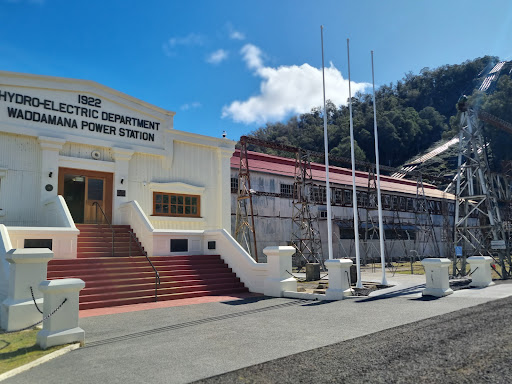
John Butters began this project as a 25 year old and would continue on when the Tasmanian Government took control. The Hydro-Electric Department was established and Waddamana was completed in 1922, with the plant becoming operational on 18 January 1923.
(After Tasmania, Butters would go on to Canberra to help build the capital. He is sometimes referred to as ‘the founder of Canberra’ for his role in several significant buildings, including the old government house, which looks strangely like the Waddamana Power Station. Funny that! John Butters was so successful he was knighted for his efforts.)
It was Australia’s first major hydro-electric scheme, it announced the beginning of the industrial age for Tasmania and is the historical centrepiece of Tasmanian hydro-electricity.
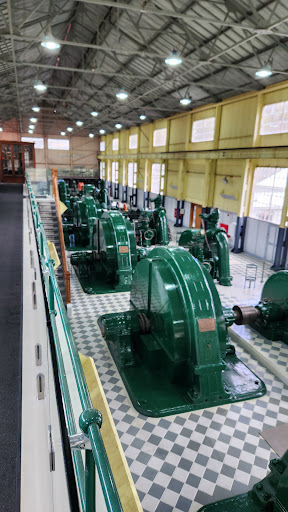
Visiting Waddamana was like stepping back in time. The offices of the manager and staff were as they were back then, blue prints and all. The decor? untouched. Just extraordinary. The whole power station is left pretty much as it was the day it shut down.
Ian, met us at the door, and was so good to listen to. He had all the history and delivered it in such a way that kept a non technical person, like myself, interested. Thankyou Ian! I hope I have recollected the information correctly, albeit, condensed.
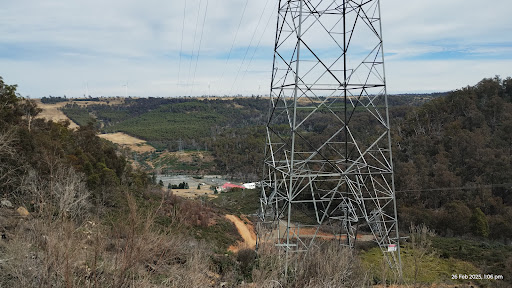
The blend of old and new hit me before we even stopped the car. Cattle Hill windfarm looks over the power station. There are of 48 towers each standing 170m tall. They feed into the Waddamana substation.
I really enjoyed our visit and would recommend you leave at least an hour to have a good look around. Say ‘Hi’ to Ian for me ;-)
YouTube @jabindajoey like & subscribe to follow adventures...
   Read moreAs several reviewers have commented - surely one of Tasmania's best kept secrets. Incredible range of exhibitions to satisfy not just the technical curious, but anyone with an interest in the history of the mid 1900's
The electrical and technical items on display - everything from the smallest insulator or electronic component to the impeccably maintained main hall with all machines intact - would see an enthusiast happily while away several hours, or the simply curious a quick whip around in 30 minutes or so.
A fascinating social history time capsule too thanks to the extensive display of memorabilia, kitchen appliances, household items from that same period will engage the non-technical inclined visitor for an hour easily. It really is that good.
Friendly volunteers on site give a quick, but very worthwhile introduction to the history of the facility before you head in to a self direct wander through the extensive facility.
Two things I would do differently on a return trip. Firstly have several hours to just wander and, frankly, geek out. Secondly - would make a point of driving in and out on the C178 from the Shannon/Steppes end. An easier drive with more sealed roads and breathtaking alpine scenery along the way including the two lakes that provided water to the plant when in operation.
That said, the route from the south/Hobart end is very well maintained, but it does warrant more measured driving as much of it is single lane with limited visibility.
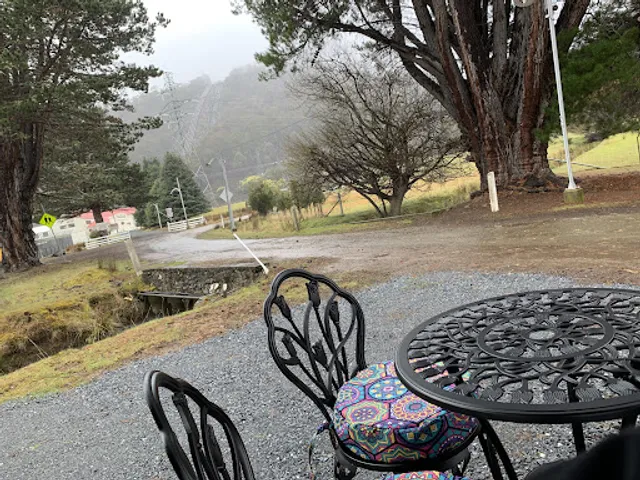
The cafe in the township appears to be a weekend only thing, but a packed lunch would solve that issue any other day. Absolutely a must visit - not an observation I make lightly.
Free public Wifi on site is welcome given the patchy/non-existent...
   Read more*Advice! If you’re using Google Maps, download offline maps before coming here because there is no service. Found this location after looking at map of Tasmania and lists of unique places. This caught my attention as it seemed like such an interesting spot! There are two ways going to the Power Station - make sure to select which one suits you (northern or southern road). The road to the south is longer, but the road is in better condition as the north road is well used. Roads are unsealed. We managed fine in a sedan but weather was mild today.
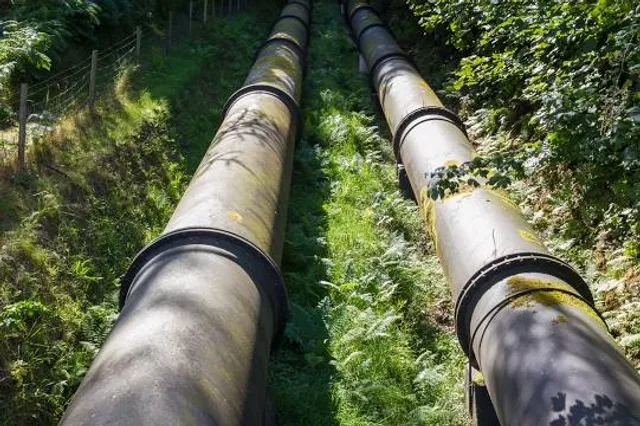
I was quite awestruck as we approach the station as the view up the hill of the pipes and the sizes of everything!! An amazing sight. A beautiful heritage building. On arrival, we were greeted by a gentleman that gave us a detailed description of the history and important facts of the location. He was very knowledgeable and we were able to ask any questions we needed. You could tell he is passionate about this location which was made our experience great! Thank you very much!
The site was really fascinating to walk through. So much history in the one location. I loved all of the old photos on display and being able to stand in the same location a photo was taken. I was in the switch room and was able to imagine the workers years ago and it was a powerful experience. I was able to learn how hydro power works! Everything was great! Thank you for having us.
Even though this location is out the way, if you have time - I recommend coming to have a look. I’m glad I can remember going...
   Read more