Hale Conservation Park things to do, attractions, restaurants, events info and trip planning
Basic Info
Hale Conservation Park
Warren Rd, Williamstown SA 5351, Australia
4.7(58)
Open until 12:00 AM
Save
spot
spot
Ratings & Description
Info
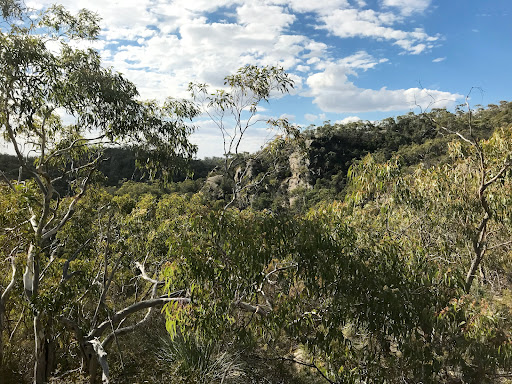
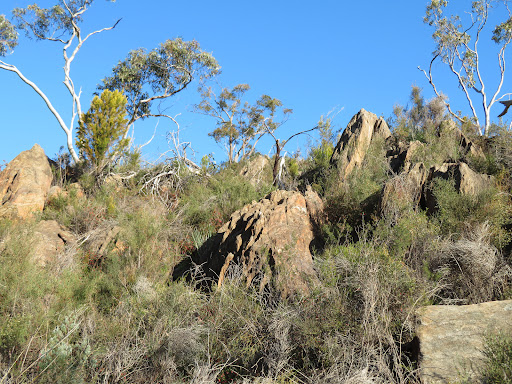
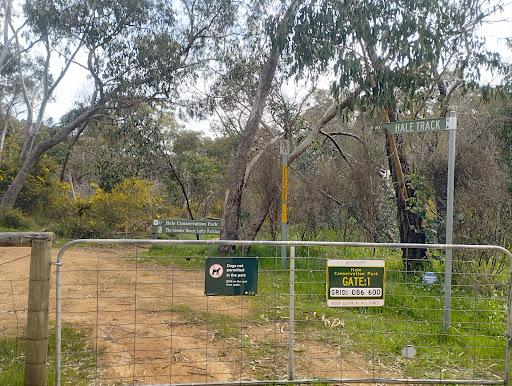
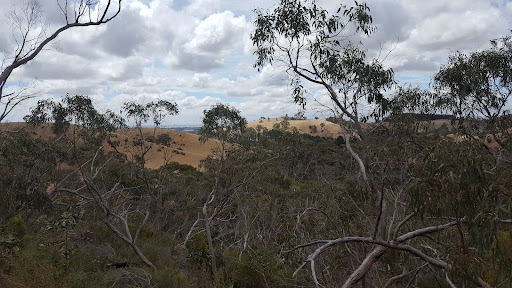
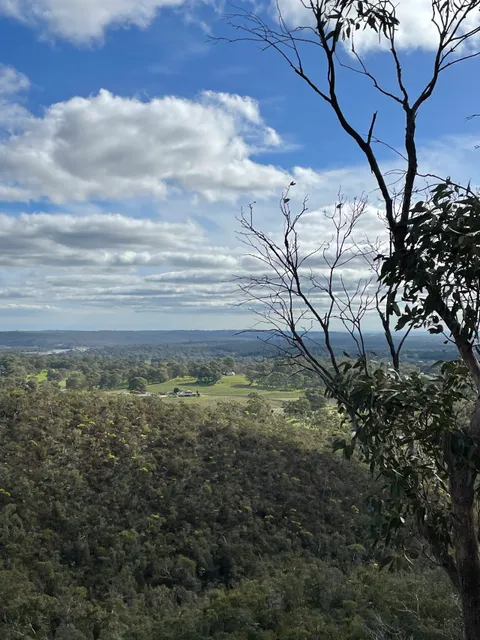
Hale Conservation Park is a protected area in the Australian state of South Australia located in the locality of Williamstown about 60 kilometres north-east of the state capital of Adelaide and about 2 kilometres south-east of the town centre in Williamstown.
Outdoor
Adventure
Scenic
Family friendly
Pet friendly
Off the beaten path
attractions: , restaurants: , local businesses:
 Learn more insights from Wanderboat AI.
Phone
+61 8 8523 7700
Website
parks.sa.gov.au
Open hoursSee all hours
SatOpen 24 hoursOpen
Plan your stay

Pet-friendly Hotels in Williamstown
Find a cozy hotel nearby and make it a full experience.

Affordable Hotels in Williamstown
Find a cozy hotel nearby and make it a full experience.

The Coolest Hotels You Haven't Heard Of (Yet)
Find a cozy hotel nearby and make it a full experience.

Trending Stays Worth the Hype in Williamstown
Find a cozy hotel nearby and make it a full experience.
Reviews
Live events

Salisbury Fringe Carnival
Fri, Feb 20 • 8:30 AM
Carisbrooke Park, Main N Rd, Salisbury Park SA 5109, Carisbrooke Park, Salisbury Park SA 5109, Australia, Elizabeth
View details

Sat 21 Feb - The Brush Bar will be at Vine & Dine, Angle Vale
Fri, Feb 20 • 11:30 PM
Vine & Dine, 143 Heaslip Rd,Playford,SA,Australia, Elizabeth
View details

Vine & Dine February 2026
Sat, Feb 21 • 1:30 AM
143 Heaslip Rd, Playford, SA, Australia, 143 Heaslip Rd, Angle Vale SA 5117, Australia, Elizabeth
View details