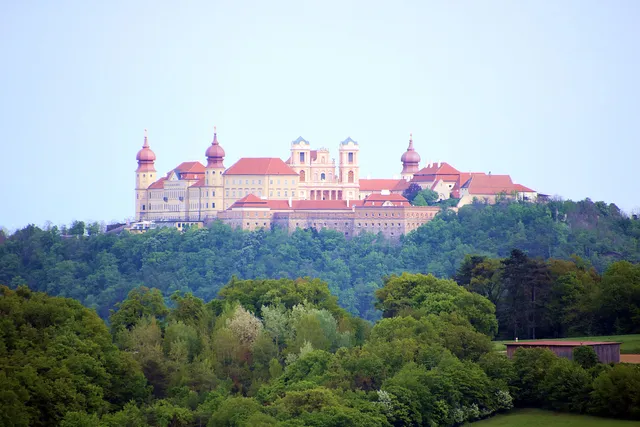
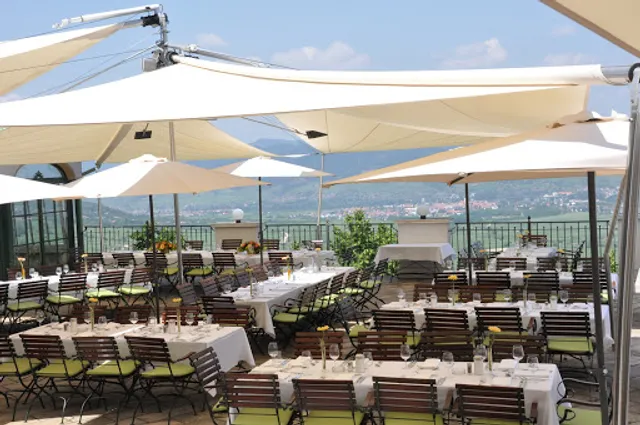
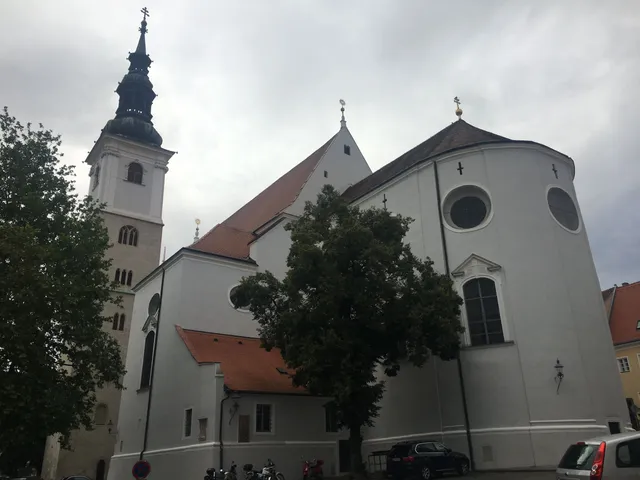
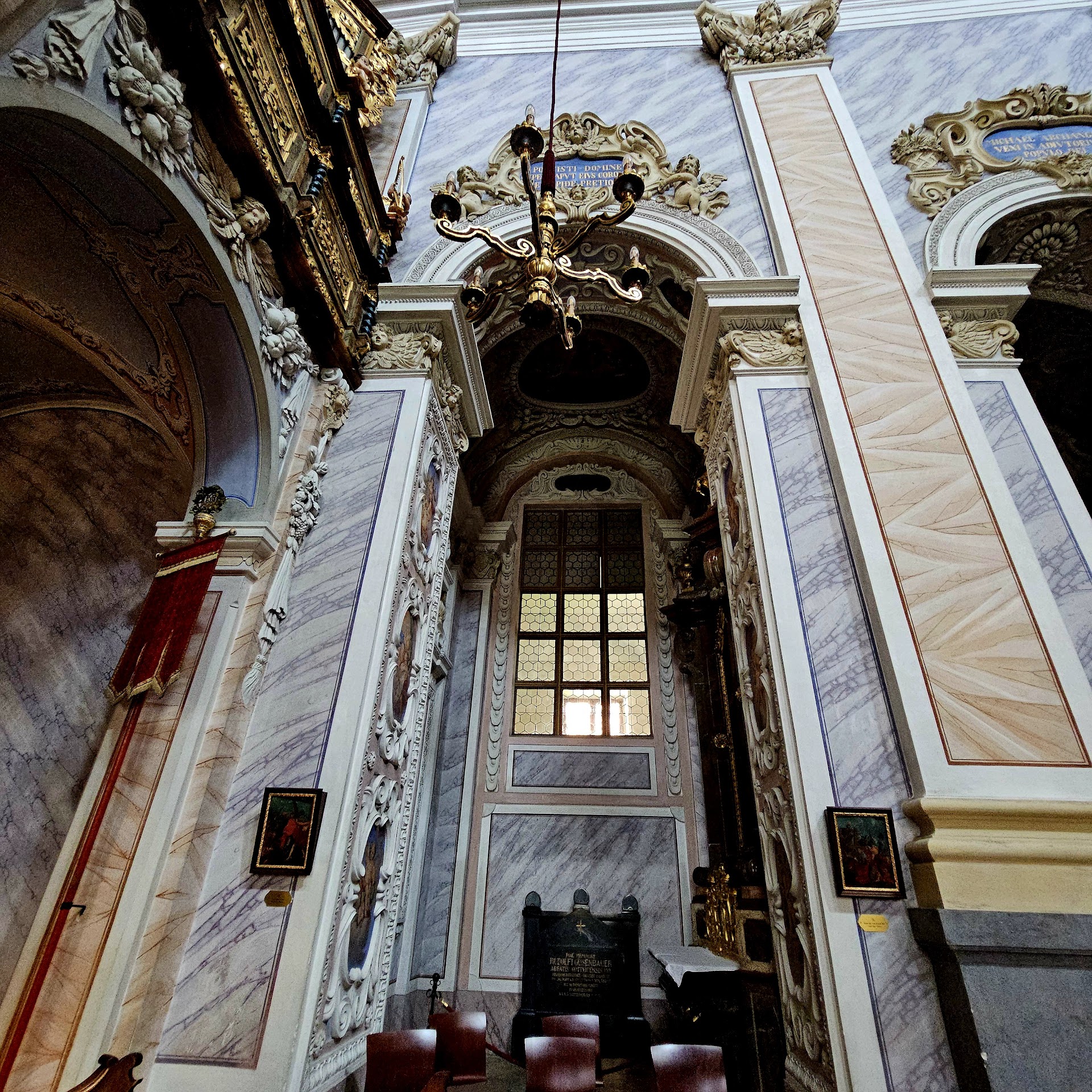
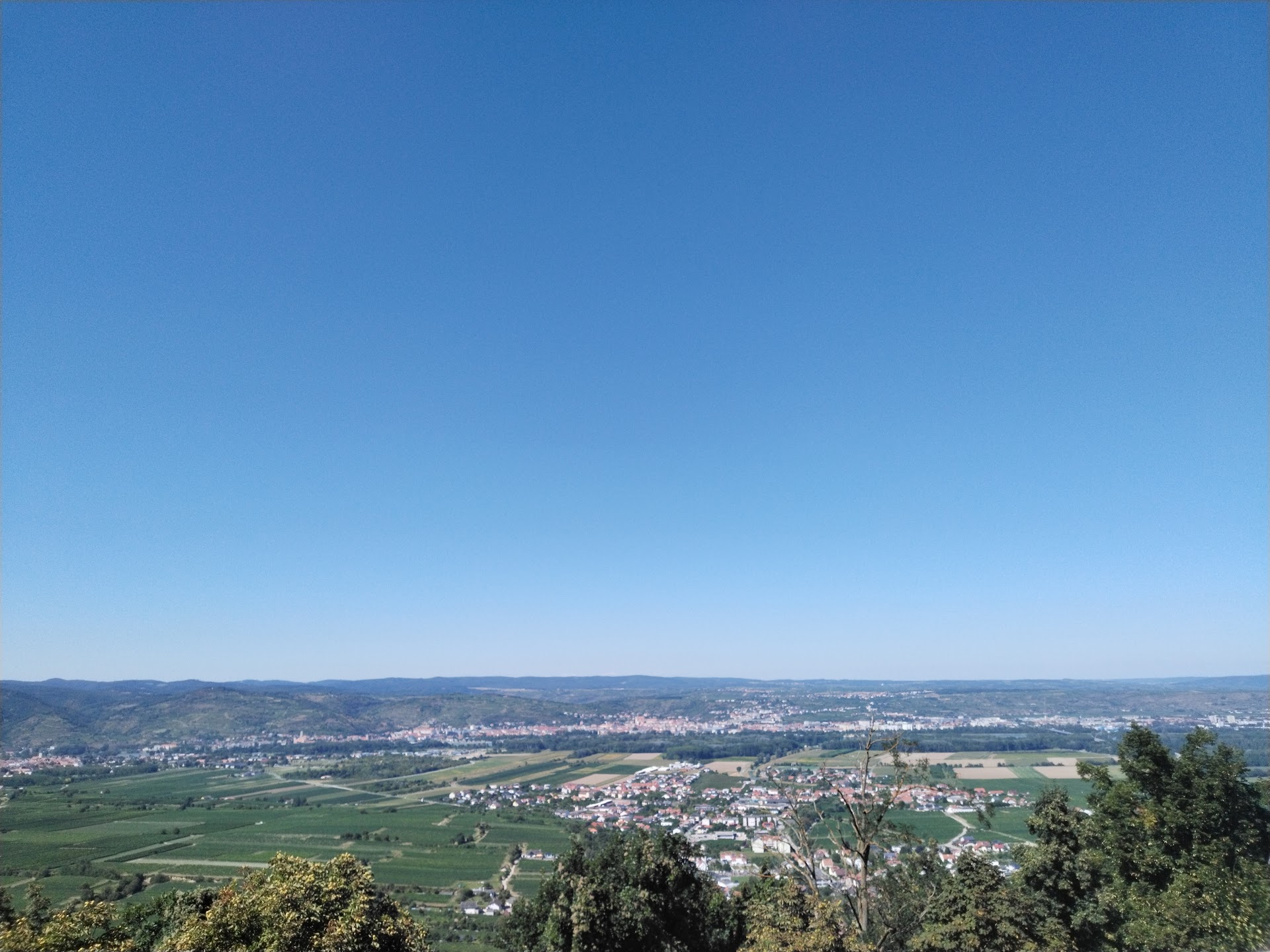
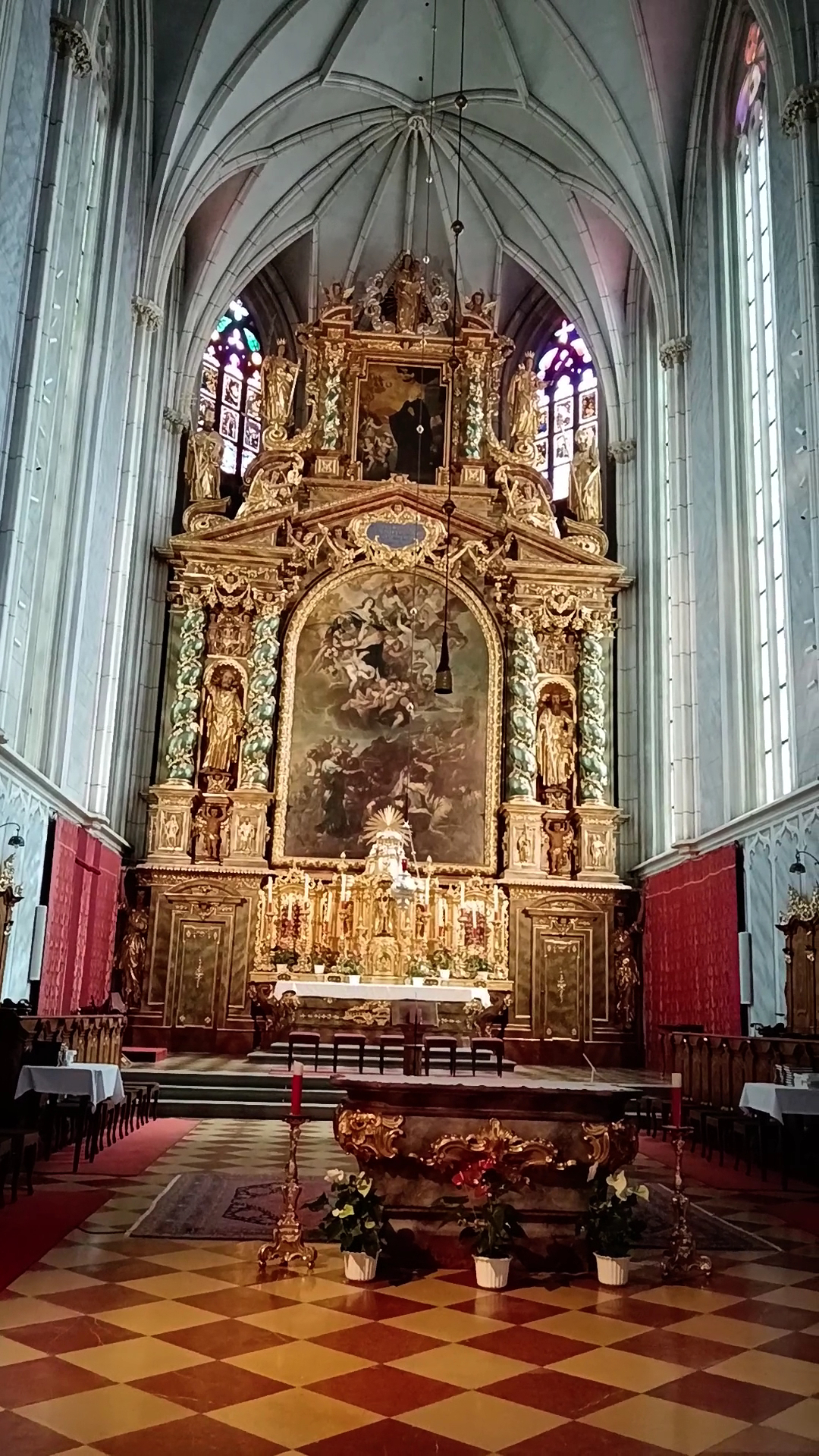
Perched high above the Danube River, Göttweig Abbey is a sight to behold from a distance. Its two-towered facade and imposing Baroque structure dominate the landscape, earning it the nickname "the Austrian Montecassino." The journey up the hill builds a sense of anticipation that is richly rewarded upon arrival. The highlight for most visitors is undoubtedly the Imperial Staircase, an architectural and artistic marvel. Adorned with a colossal ceiling fresco by Paul Troger, it is considered one of the most beautiful and largest Baroque staircases in all of Europe. Walking up its sweeping steps, you can't help but feel a sense of grandeur and history, imagining the guests of honor, from Maria Theresa to Napoleon, who once ascended this very same staircase. The abbey church is a feast for the eyes, with its intricate stucco work and beautiful altar. The abbey museum, located in the Imperial Wing, offers a fascinating look into the monastery's nearly 1,000-year history and its vast art collections, including a significant graphic art collection. What truly sets Göttweig apart is its spectacular location. The panoramic views from the abbey's terrace are simply breathtaking. From here, you can gaze out over the vast vineyards and picturesque villages of the Wachau Valley, a UNESCO World Heritage site. Göttweig Abbey is still a working monastery, home to a community of Benedictine monks. This lends a quiet, spiritual authenticity to the experience. Visitors have the option of taking a guided tour, which offers a deeper insight into the history and daily life of the monks, or exploring at their own pace with an audio guide. Göttweig Abbey is more than just a historical site; it’s a place where art, history, and nature converge in perfect harmony. While it may be less crowded than other famous sites, its grandeur, artistic treasures, and the awe-inspiring views make it an unmissable destination for anyone traveling...
Read moreBenedictine Abbey Göttweig towers 422 m above sea level on the eastern edge of the world-famous Danube valley of the Wachau. Since 2001 World Heritage Site , it is today not only an attraction for guests from all over the world, but also a spiritual center in the heart of Lower Austria, supported by a community of about 45 monks.
The monastery - also called the "Austrian Montecassino" due to its magnificent mountain location - was founded in 1083 as a monastery for a community of canons, who lived according to the Augustinian rule. In 1094 Göttweig was handed over to the » Benedictines .
Today, only remains of the medieval buildings of Göttweig are present (Erentrudiskapelle from 1072, Old Castle, crypt and choir of the church), as after a devastating fire in 1718, the baroque reconstruction of the monastery was necessary.
The imperial court architect Johann Lucas von Hildebrandt provided the plans for the grandiose monastery, which was begun in 1720 under Abbot Gottfried Bessel and could be completed to two-thirds.
In the museum in the Kaisertrakt , the visitor experiences this baroque splendor, such as: For example, the monumental Kaiserstiege with the ceiling fresco Paul Trogers from 1739, which is one of the most beautiful and largest Baroque staircases in Europe. In the adjoining royal and imperial rooms, the art collections of the monastery show annual special exhibitions.
On the way from the entrance to the gate at the gatehouse reception to the Stiftshof, the guest will be accompanied by the permanent exhibition " Klosterleben " , which informs about the life and work of the...
Read moreWe loved our visit here and very much recommend this stunning hilltop monastery. We were made extremely welcome by the staff, especially the gentleman in the museum entrance. The church and grounds are free, and we were unsure whether to pay for the museum, but we delighted we did as it was so interesting! Beautiful rooms and decor and the main staircase is absolutely stunning, reallyjaw dropping! Do get an audio guide if you don't speak German. I preferred our visit here to Melk's monastery. It was much less crowded and felt more spiritual and peaceful, but was just as beautiful. Thank you for a...
Read more