This national park lies on the plains at the heart of Europe. It can be reached from both Austria and Hungary, and the lake is proof that nature knows no boundaries. The park aims for the long-term preservation of habitats for a wide variety of bird and plant life in the area where the Alps meet the Euro-Asiatic plains.
Water, rippling reed beds, small fields with flat saltwater pools, this is the Neusiedler Lakes National Park. The Pannonian climate, withdrawal of its long growing period and its position between the Alps and the Puszta, determines the type of plant
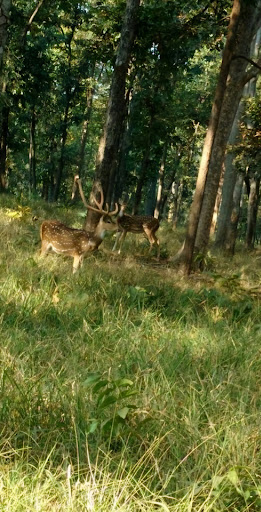
life: dry meadows surrounded by wetlands and salt marshes. The National Park is full of wildlife, mainly birds: meadow sandpipers, geese, herons, storks, curlews, and birds of prey.
Large parts of the National Park are extre- mely important for the migration of birds. The meadows and marshes are places where many migratory species choose to rest in winter. European reports into endangered bird species refer to the
importance of the Neusiedler Lake Area. The work of the National Park is also important to preserve this bird paradise, which draws birds from across the globe.
In conservation areas, people should be allowed to make use of the land to educational and leisure purposes. People who live in the region, holiday-makers, or people on day trips are asked to treat nature's creatures with consideration in
return to what has now become a rare natural experience. Nature needs a
home, but man
should not lose their place in nature.
The combination of the original natural landscape and man-made landscape provides for a wide variety of plant and animal life that is unparalleled in Europe. Being located where several climatic
zones meet, the area is home to Alpine species as well as those from the Mediterranean and Central Asia. Scientists have long since made the National-Park area into an open-air laboratory on
which their research is focused.
Conservationists and scientists had wanted a National Park in the Neusiedler Lakes Area for decades. The joint Austrian - Hungarian planning commission formed in 1987 has operated across national boundaries. Negotiations with the government of the Republic of Hungary took five years, and once the contracts had been signed,
the Regional Parliament of Burgenland was able to pass the National Park Act in November 1992.
A major duty of the National Park is the
preservation of a natural landscape where
humans no longer make use of the land, but
instead, nature has been allowed to take over again. For example, the area of small, shallow saltwater pools with reed beds and wide meadows supports a variety of animal and plant life, which were for centuries, used for cattle...
Read more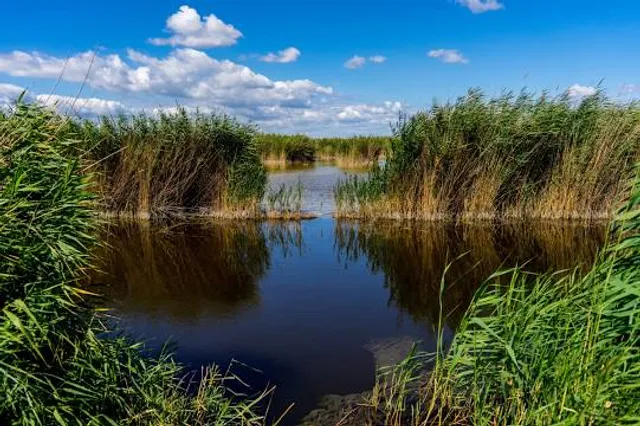
 Learn more insights from Wanderboat AI.