HTML SitemapExplore
Find Things to DoFind The Best Restaurants

Seruwawila Rajamaha Viharaya — Attraction in Eastern Province

Name
Seruwawila Rajamaha Viharaya
Description
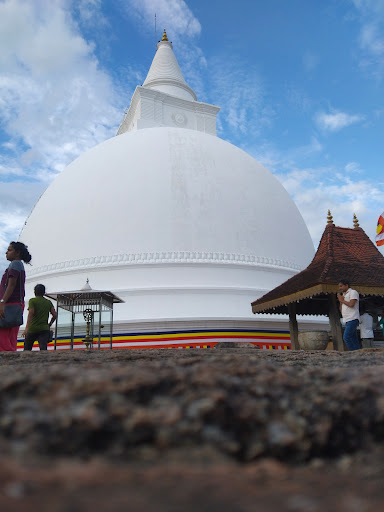
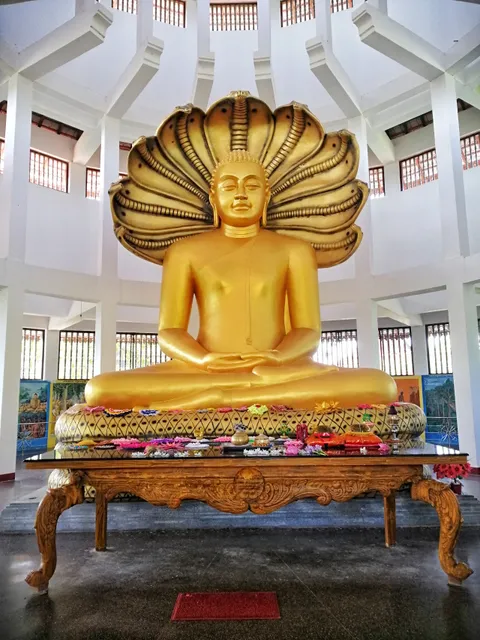
Seruwawila Mangala Raja Maha Vihara is an ancient Buddhist temple in Trincomalee district in Eastern Province, which is among the sixteen or seventeen holiest Buddhist shrines in Sri Lanka. It was built during the reign of King Kavan Tissa, Prince of Ruhuna, containing the Lalata Dathun Wahanse of Buddha.
Nearby attractions
Nearby restaurants
Nearby hotels
Related posts
Keywords
Seruwawila Rajamaha Viharaya tourism.Seruwawila Rajamaha Viharaya hotels.Seruwawila Rajamaha Viharaya bed and breakfast. flights to Seruwawila Rajamaha Viharaya.Seruwawila Rajamaha Viharaya attractions.Seruwawila Rajamaha Viharaya restaurants.Seruwawila Rajamaha Viharaya travel.Seruwawila Rajamaha Viharaya travel guide.Seruwawila Rajamaha Viharaya travel blog.Seruwawila Rajamaha Viharaya pictures.Seruwawila Rajamaha Viharaya photos.Seruwawila Rajamaha Viharaya travel tips.Seruwawila Rajamaha Viharaya maps.Seruwawila Rajamaha Viharaya things to do.
Seruwawila Rajamaha Viharaya things to do, attractions, restaurants, events info and trip planning
Seruwawila Rajamaha Viharaya
Sri LankaEastern ProvinceSeruwawila Rajamaha Viharaya

Basic Info

Seruwawila Rajamaha Viharaya

Seruwawila 31260, Sri Lanka
4.7(582)
Open 24 hours
Save
spot

Ratings & Description

Info

Seruwawila Mangala Raja Maha Vihara is an ancient Buddhist temple in Trincomalee district in Eastern Province, which is among the sixteen or seventeen holiest Buddhist shrines in Sri Lanka. It was built during the reign of King Kavan Tissa, Prince of Ruhuna, containing the Lalata Dathun Wahanse of Buddha.

Cultural
Scenic
Relaxation
Family friendly
Off the beaten path
attractions: , restaurants:
logoLearn more insights from Wanderboat AI.
Phone
+94 262 226 400

Plan your stay

hotel
Pet-friendly Hotels in Eastern Province
Find a cozy hotel nearby and make it a full experience.
hotel
Affordable Hotels in Eastern Province
Find a cozy hotel nearby and make it a full experience.
hotel
The Coolest Hotels You Haven't Heard Of (Yet)
Find a cozy hotel nearby and make it a full experience.
hotel
Trending Stays Worth the Hype in Eastern Province
Find a cozy hotel nearby and make it a full experience.

Reviews

Get the Appoverlay
Get the AppOne tap to find yournext favorite spots!
Wanderboat LogoWanderboat

Your everyday Al companion for getaway ideas

CompanyAbout Us
InformationAI Trip PlannerSitemap
SocialXInstagramTiktokLinkedin
LegalTerms of ServicePrivacy Policy

Get the app

© 2025 Wanderboat. All rights reserved.

Reviews of Seruwawila Rajamaha Viharaya

4.7
(582)
avatar
5.0
7y

Seruwawila Mangala Raja Maha Vihara is an ancient Buddhist temple in Trincomalee district in Eastern Province, which is among the sixteen or seventeen holiest Buddhist shrines (Solosmasthana) in Sri Lanka. It was built during the reign of King Kavantissa (2nd century BC) containing the Lalata Dathun Wahanse (sacred forehead bone) of Lord Buddha. It can be reached by land and sea. The sea route begins at Trincomalee to Muttur on boat and another 16 km by roads and the land route is via Kantale, to Allai which is approximately 45 km through dense forest.

According to the late Dr. R. L. Brohier, the Seruwila region was a vast swamp or villu where the flood waters of the Mahaweli Ganga collected. This villu was the home of large flocks of teals (seru) during migratory period. That perhaps was how the place came to be known as Seruwawila.

It is believed that three viharas existed at this particular spot built during the periods of three former Buddhas named Kakusandha, Koṇāgamana and Kassapa with their relics enshrined. Gautama Buddha, who was the last Buddha in this eon, had personally visited this place and offered eight handfuls of 'sapu' flowers, then wished that the temple which constructing in future should be named as Mangala viharaya. Copied - Wikipedia

සේරුවාවිල මංගල රාජා මහා විහාර යනු නැගෙනහිර පළාතේ ත්‍රිකුණාමල දිස්ත්‍රික්කයේ පිහිටි පුරාණ බෞද්ධ විහාරස්ථානයකි. එය ශ්‍රී ලංකාවේ ශුද්ධ වූ බෞද්ධ සිද්ධස්ථාන 16 ක් හෝ දහහතක් අතර වේ. එය ඉදිකර ඇත්තේ බුදුරජාණන් වහන්සේගේ ලලතා දතුන් වහන්ස් (පූජනීය නළල අස්ථිය) අඩංගු කවන්තිස්ස රජුගේ (ක්‍රි.පූ 2 වන සියවස) පාලන සමයේදී ය. ගොඩබිම සහ මුහුදෙන් එය ළඟා විය හැකිය. මුහුදු මාර්ගය ආරම්භ වන්නේ ත්‍රිකුණාමලයේ සිට මුත්තූර් දක්වා බෝට්ටුවකින් වන අතර තවත් කිලෝමීටර 16 ක් මාර්ග ඔස්සේ ගමන් කරන අතර ගොඩබිම කන්තලේ හරහා අල්ලෙයි දක්වා කිලෝමීටර 45 ක් පමණ forest න වනාන්තර හරහා ගමන් කරයි.

අභාවප්‍රාප්ත ආචාර්ය ආර්. එල්. බ්‍රොහියර්ට අනුව, සේරුවිල ප්‍රදේශය මහවැලි ගඟේ ගංවතුර ජලය එක්රැස් වූ විශාල මඩ වගුරක් හෝ විලූ එකක් විය. මෙම විලූ සංක්‍රමණික කාලය තුළ විශාල දත් රැළවල් (සේරු) වාසස්ථානය විය. සමහර විට එම ස්ථානය සෙරුවාවිල ලෙස හැදින්විය.

හිටපු බුදුවරුන් තිදෙනෙකු වූ කකුසන්ධ, කොගමන සහ කස්සප යන අයගේ ධාතූන් සහිතව ඉදිකරන ලද මෙම ස්ථානයේ විහාර තුනක් පැවති බව විශ්වාස කෙරේ. මෙම ඉයන් හි අවසාන බුදුන් වහන්සේ වූ ගෞතම බුදුරජාණන් වහන්සේ පෞද්ගලිකව මෙම ස්ථානයට ගොස් 'සපු' මල් අටක් පූජා කළ අතර, අනාගතයේ දී ඉදිකරන පන්සල මංගල විහාරය ලෙස නම් කළ යුතු යැයි ප්‍රාර්ථනා කළේය.

පසුකාලීනව දකුණු ඉන්දියානු චෝළ හා පාණ්ඩ්‍ය ආක්‍රමණිකයන් විසින් රුහූනා රාජධානියට තර්ජනයක් එල්ල විය (ක්‍රි.පූ 2 වන සියවස) කාවන්තිස්ස රජුගේ පාලන සමයේදී රජුට මෙම ව්‍යසනය වැළැක්වීම සඳහා උපාය මාර්ගයක් සකස් කිරීමට සිදුවිය.

කාවන්තිස්සා රජුට සිංහල වංශාධිපතීන්ගේ පක්ෂපාතිත්වය හා ගෞරවය ප්‍රයෝජනයට ගත හැකි වූ අතර බුද්ධාගමට ශිව කුමරු සහ ඔහුගේ සගයා වූ අභය ජය ගැනීමට බුද්ධාගමට ජනතාවට තිබුණි. කවාන්තිස්සා රජු සන්තකයේ තිබූ බුදුන් ලලතා දතුන් වහන්ස්ගේ පූජනීය ධාතූන් වහන්සේ විසින් පුද්ගලිකව සේරූ හි ඉදි කිරීමට නියමිත ස්ථූපයක ඔහු විසින් තැන්පත් කළ යුතු බව බෞද්ධ භික්ෂූන් වහන්සේලාට දන්වා සිටියහ. මෙය සිදුවනු ඇතැයි බුදුරජාණන් වහන්සේ අනාවැකි පළ කර තිබුණි. මෙයින් පසු කවන්තිස්සා රජ සිය හමුදාව සමඟ සේරු දෙසට ගමන් කළ අතර ඔහුගේ සංචාරයේ අරමුණ ප්‍රකාශ කළේ සේරු සහ ඒ අවට සිටින සියලුම ඉඩම් හිමියන්ගෙන් තමාට උදව් කරන ලෙස ඉල්ලා සිටිමිනි. බුදුරජාණන් වහන්සේගේ පූජනීය ධාතූන් තිස්සමහාරාම රාජා මහා විහාරය ලෙස හැඳින්වෙන ස්ථූපයේ තැන්පත් කර ඇත. ස්තූපය ඉදිකිරීමෙන් පසු කවන්තිස්ස රජු රටේ මුළු කොටසම මහවේලි සහ කෙලනි ගංගාවලට දකුණින් එක්සත් කළේය. ඉන්පසු ඔහුගේ අගනුවර මහගමෙහි පිහිටුවයි. මේ අතර, සේරුවාවිල දේවස්ථානයේ කීර්තිය බොහෝ දුරට ව්‍යාප්ත වී ඇති අතර එය විශාල වන්දනා ස්ථානයක් හා වන්දනා ස්ථානයක් බවට පත්විය.

වසර ගණනාවක් පුරා උතුරේ දෙමළ ආක්‍රමණවල පීඩනය යටතේ ස්ථූපය දිරාපත් විය. නමුත් මෙම ප්‍රදේශය 17 වන සියවසේදී කන්දියානු භූමි ප්‍රදේශය යටතේ පැවති බවටත් මෙම ස්ථූපයේ පැවැත්මටත් සාහිත්‍යයේ සාක්ෂි තිබේ. බටහිර යටත් විජිත වාඩිලෑමේදී දිවයිනේ සාරවත් බටහිර කොටසට ප්‍රමුඛතාවය ලබා දුන් අතර එහි ප්‍රතිඵලයක් ලෙස වියළි වියළි කලාපය නොසලකා හැර...

   Read more
avatar
5.0
26w

Seruwawila Mangala Raja Maha Viharaya is an ancient Buddhist temple located in the Trincomalee District of the Eastern Province of Sri Lanka. It is recognized as the ninth of the Sixteen Sacred Solosmasthana—the holiest Buddhist pilgrimage sites in the country—and is identified with the historic Thissamaha Viharaya.This sacred site was constructed by King Kavantissa in the 2nd century BCE, and it enshrines two revered relics of Gautama Buddha: the forehead relic/frontal bone relic (Lalata Dhatu) and the hair relics (Kesha Dhatu).

The temple can be accessed by both land and sea. The sea route begins with a boat journey from Trincomalee to Muttur, followed by an additional 16 kilometers through connecting roads. The land route leads through Kantale via the Allai road, covering approximately 45 kilometers through dense forest.

This is a sacred and sanctified land where Gautama Buddha, during His third visit to Sri Lanka, is believed to have stepped foot along with 500 Arahants, entering a brief period of meditative absorption (nirodha samapatti) on this very soil. According to the Dhatuvamsa (Chronicle of the Sacred Relics), it is also recorded that Prince Sumana of the Sakya clan, known as Samiddhisumana Na Raja, who accompanied the Buddha on this visit to Seruwila, made a floral offering of “Sapumal” (fragrant flowers) to the Blessed One at this location. This is the only instance where such an event is recorded. Seruwila is the only known site where the forehead relic (Lalata Dhatu)—the largest of the Buddha’s relics—is enshrined. Furthermore, it is said that a portion of the Buddha’s hair relic (Kesha Dhatu)—gifted during His lifetime to the merchant brothers Tapassu and Bhalluka—is also enshrined within the Seruwila stupa. Historical sources affirm that in ancient times, 500 Arahants resided at this sacred monastery. Some archaeologists even suggest that this is the very site referred to as Tissamaharama, where historical sources mention 12,000 Arahants once dwelled. According to Dhatuvamsa(Chronical of the Sacred Relics),After the Parinibbāna (passing away) of the Buddha, the sacred relics of the Blessed One were divided by the Brahmin named Dona among eight kings who came from different regions. Among them, one portion was received by the Malla Kings of Kusinara. It is said that within this portion, the sacred forehead relic (Lalāta Dhātu) was enshrined. The Third Great Disciple of the Buddha, the [[Mahākāśyapa |Maha Arahant Mahākassapa Thera]], requested this sacred relic from the Malla Kings and received it. This was in accordance with a solemn prediction made by the Buddha regarding the forehead relic.

According to that prediction, it is stated in the sources that in the future, a king named Kavantissa would enshrine the sacred forehead relic on the southern bank of the great Mahāvāluka River in the island of Lanka, at the edge of a lake called Seru, near a rocky hill known as Varāhasoṇḍa.

Accordingly, the Maha Arahant Mahākassapa, after receiving the sacred forehead relic from the Mallas, foretold this prophecy and entrusted the relic to his disciple, the Venerable Nanda Thera. He enshrined the sacred relic in the Gandhakuti (fragrant chamber) where the Buddha had resided, inside the Kūṭāgāra Hall in the grand city of Viśālā, and continued to offer veneration there.

When time passed, and as Nanda Thera grew old and neared Parinibbāna after attaining Arahantship, he related the story to his disciple Chandragupta Thera and handed over the forehead relic to him. Chandragupta Thera too enshrined it in another Gandhakuti of the Buddha and continued the veneration. Later, through an unbroken lineage of disciples, the relic passed on to Bhaddasena, Jayasena, Saṅgharakkhita, Mahāsena, and Mahādeva Theras. They also enshrined and venerated the sacred forehead relic in various Gandhakutis in...

   Read more

avatar
4.0
7y

Seruwawila Mangala Raja Maha Vihara is an ancient Buddhist temple in Trincomalee district in Eastern Province, which is among the sixteen or seventeen holiest Buddhist shrines (Solosmasthana) in Sri Lanka.

It was built during the reign of King Kavantissa (2nd century BC) containing the Lalata Dathun Wahanse (sacred forehead bone) of Lord Buddha. It can be reached by land and sea. The sea route begins at Trincomalee to Muttur on boat and another 16 km by roads and the land route is via Kantale, to Allai which is approximately 45 km through dense forest.

According to the late Dr. R. L. Brohier, the Seruwila region was a vast swamp or villu where the flood waters of the Mahaweli Ganga collected. This villu was the home of large flocks of teals (seru) during migratory period. That perhaps was how the place came to be known as Seruwawila. It is believed that three viharas existed at this particular spot built during the periods of three former Buddhas named Kakusandha, Koṇāgamana and Kassapa with their relics enshrined. Gautama Buddha, who was the last Buddha in this eon, had personally visited this place and offered eight handfuls of 'sapu' flowers, then wished that the temple which constructing in future should be named as Mangala viharaya.

Later the Kingdom of Ruhuna was threatened by South Indian Chola and Pandya invaders during the reign of King Kavantissa (2nd century BC) then the king had to evolve a strategy to prevent the disaster.

The King Kavantissa could make use of the loyalty and respect of the Sinhala nobles and the populace had for Buddhism to win over Princes Siva and Abhaya, his ally. The Buddhist monks informed that sacred relic of Lord Buddha Lalata Dathun Wahanse which was in the possession of King Kavantissa was destined to be enshrined by him personally in a stupa to be built at Seru; Lord Buddha had prophesied this would happen. After this, King Kavantissa marched with his army towards Seru and proclaiming the purpose of his visit asking all the landowners in and around Seru to come to his assistance. The sacred relics of the Lord Buddha was enshrined in the stupa which was known as Tissamaharama Raja Maha Viharaya. After the construction of the stupa King Kavantissa unified the entire portion of the country to the south of the Mahaweli and Kelani rivers then establish his capital at Mahagama. Meanwhile, the fame of the Seruwawila shrine had spread far and wide and it became a great place of worship...

   Read more
Page 1 of 7
Previous
Next

Posts

Madurange LakmalMadurange Lakmal
Seruwawila Mangala Raja Maha Vihara is an ancient Buddhist temple in Trincomalee district in Eastern Province, which is among the sixteen or seventeen holiest Buddhist shrines (Solosmasthana) in Sri Lanka. It was built during the reign of King Kavantissa (2nd century BC) containing the Lalata Dathun Wahanse (sacred forehead bone) of Lord Buddha. It can be reached by land and sea. The sea route begins at Trincomalee to Muttur on boat and another 16 km by roads and the land route is via Kantale, to Allai which is approximately 45 km through dense forest. According to the late Dr. R. L. Brohier, the Seruwila region was a vast swamp or villu where the flood waters of the Mahaweli Ganga collected. This villu was the home of large flocks of teals (seru) during migratory period. That perhaps was how the place came to be known as Seruwawila. It is believed that three viharas existed at this particular spot built during the periods of three former Buddhas named Kakusandha, Koṇāgamana and Kassapa with their relics enshrined. Gautama Buddha, who was the last Buddha in this eon, had personally visited this place and offered eight handfuls of 'sapu' flowers, then wished that the temple which constructing in future should be named as Mangala viharaya. Copied - Wikipedia සේරුවාවිල මංගල රාජා මහා විහාර යනු නැගෙනහිර පළාතේ ත්‍රිකුණාමල දිස්ත්‍රික්කයේ පිහිටි පුරාණ බෞද්ධ විහාරස්ථානයකි. එය ශ්‍රී ලංකාවේ ශුද්ධ වූ බෞද්ධ සිද්ධස්ථාන 16 ක් හෝ දහහතක් අතර වේ. එය ඉදිකර ඇත්තේ බුදුරජාණන් වහන්සේගේ ලලතා දතුන් වහන්ස් (පූජනීය නළල අස්ථිය) අඩංගු කවන්තිස්ස රජුගේ (ක්‍රි.පූ 2 වන සියවස) පාලන සමයේදී ය. ගොඩබිම සහ මුහුදෙන් එය ළඟා විය හැකිය. මුහුදු මාර්ගය ආරම්භ වන්නේ ත්‍රිකුණාමලයේ සිට මුත්තූර් දක්වා බෝට්ටුවකින් වන අතර තවත් කිලෝමීටර 16 ක් මාර්ග ඔස්සේ ගමන් කරන අතර ගොඩබිම කන්තලේ හරහා අල්ලෙයි දක්වා කිලෝමීටර 45 ක් පමණ forest න වනාන්තර හරහා ගමන් කරයි. අභාවප්‍රාප්ත ආචාර්ය ආර්. එල්. බ්‍රොහියර්ට අනුව, සේරුවිල ප්‍රදේශය මහවැලි ගඟේ ගංවතුර ජලය එක්රැස් වූ විශාල මඩ වගුරක් හෝ විලූ එකක් විය. මෙම විලූ සංක්‍රමණික කාලය තුළ විශාල දත් රැළවල් (සේරු) වාසස්ථානය විය. සමහර විට එම ස්ථානය සෙරුවාවිල ලෙස හැදින්විය. හිටපු බුදුවරුන් තිදෙනෙකු වූ කකුසන්ධ, කොගමන සහ කස්සප යන අයගේ ධාතූන් සහිතව ඉදිකරන ලද මෙම ස්ථානයේ විහාර තුනක් පැවති බව විශ්වාස කෙරේ. මෙම ඉයන් හි අවසාන බුදුන් වහන්සේ වූ ගෞතම බුදුරජාණන් වහන්සේ පෞද්ගලිකව මෙම ස්ථානයට ගොස් 'සපු' මල් අටක් පූජා කළ අතර, අනාගතයේ දී ඉදිකරන පන්සල මංගල විහාරය ලෙස නම් කළ යුතු යැයි ප්‍රාර්ථනා කළේය. පසුකාලීනව දකුණු ඉන්දියානු චෝළ හා පාණ්ඩ්‍ය ආක්‍රමණිකයන් විසින් රුහූනා රාජධානියට තර්ජනයක් එල්ල විය (ක්‍රි.පූ 2 වන සියවස) කාවන්තිස්ස රජුගේ පාලන සමයේදී රජුට මෙම ව්‍යසනය වැළැක්වීම සඳහා උපාය මාර්ගයක් සකස් කිරීමට සිදුවිය. කාවන්තිස්සා රජුට සිංහල වංශාධිපතීන්ගේ පක්ෂපාතිත්වය හා ගෞරවය ප්‍රයෝජනයට ගත හැකි වූ අතර බුද්ධාගමට ශිව කුමරු සහ ඔහුගේ සගයා වූ අභය ජය ගැනීමට බුද්ධාගමට ජනතාවට තිබුණි. කවාන්තිස්සා රජු සන්තකයේ තිබූ බුදුන් ලලතා දතුන් වහන්ස්ගේ පූජනීය ධාතූන් වහන්සේ විසින් පුද්ගලිකව සේරූ හි ඉදි කිරීමට නියමිත ස්ථූපයක ඔහු විසින් තැන්පත් කළ යුතු බව බෞද්ධ භික්ෂූන් වහන්සේලාට දන්වා සිටියහ. මෙය සිදුවනු ඇතැයි බුදුරජාණන් වහන්සේ අනාවැකි පළ කර තිබුණි. මෙයින් පසු කවන්තිස්සා රජ සිය හමුදාව සමඟ සේරු දෙසට ගමන් කළ අතර ඔහුගේ සංචාරයේ අරමුණ ප්‍රකාශ කළේ සේරු සහ ඒ අවට සිටින සියලුම ඉඩම් හිමියන්ගෙන් තමාට උදව් කරන ලෙස ඉල්ලා සිටිමිනි. බුදුරජාණන් වහන්සේගේ පූජනීය ධාතූන් තිස්සමහාරාම රාජා මහා විහාරය ලෙස හැඳින්වෙන ස්ථූපයේ තැන්පත් කර ඇත. ස්තූපය ඉදිකිරීමෙන් පසු කවන්තිස්ස රජු රටේ මුළු කොටසම මහවේලි සහ කෙලනි ගංගාවලට දකුණින් එක්සත් කළේය. ඉන්පසු ඔහුගේ අගනුවර මහගමෙහි පිහිටුවයි. මේ අතර, සේරුවාවිල දේවස්ථානයේ කීර්තිය බොහෝ දුරට ව්‍යාප්ත වී ඇති අතර එය විශාල වන්දනා ස්ථානයක් හා වන්දනා ස්ථානයක් බවට පත්විය. වසර ගණනාවක් පුරා උතුරේ දෙමළ ආක්‍රමණවල පීඩනය යටතේ ස්ථූපය දිරාපත් විය. නමුත් මෙම ප්‍රදේශය 17 වන සියවසේදී කන්දියානු භූමි ප්‍රදේශය යටතේ පැවති බවටත් මෙම ස්ථූපයේ පැවැත්මටත් සාහිත්‍යයේ සාක්ෂි තිබේ. බටහිර යටත් විජිත වාඩිලෑමේදී දිවයිනේ සාරවත් බටහිර කොටසට ප්‍රමුඛතාවය ලබා දුන් අතර එහි ප්‍රතිඵලයක් ලෙස වියළි වියළි කලාපය නොසලකා හැර පාළුකරයට ගියේය.
Sudila ButhsaraSudila Buthsara
Significance The Seruvawila Mangala Raja Maha Viharaya is a sacred site held in great esteem by Buddhist devotees in Sri Lanka, as it houses the forehead relic and hair relic of the Buddha. Its historical and religious significance has made it a prominent sacred site in Sri Lanka.❤️😊Seruvawila Mangala Raja Maha Viharaya Seruvawila Mangala Raja Maha Viharaya is an ancient Buddhist temple located in the Trincomalee District of the Eastern Province of Sri Lanka. It is identified as the Tissamaha Viharaya, the 9th of the Solosmasthana (16 sacred Buddhist shrines in Sri Lanka). The temple is said to have been built by King Kavantissa in the 2nd century BCE. Speciality Forehead and Hair Relics: The Dhatuvamsa states that the forehead relic (forehead bone) of Gautama Buddha and a portion of the hair relic given by the Buddha to the merchant brothers Thapassu-Bhalluka during his lifetime are enshrined in the Maha Seya of this temple. Mangala Maha Seya: This stupa was built under the patronage of the Magama royal family, and was built on the advice of the Chulla Pindapathika Tissa and Sagala monks of the Tissa Viharaya. Dethis Phalaruha Bodhi: Archaeological findings have revealed that a Dethis Phalaruha Bodhi was planted near Seruvila during the reign of King Devanampiyatissa, and it was planted in the village of Kiliveddi. However, the Bodhi was destroyed by terrorists. History Construction: This temple was built by King Kavantissa, and it was located at the edge of the Ruhuna Kingdom. It is mentioned in the Buddhist history of Sri Lanka that five hundred great arahants resided here at that time. Destruction and reconstruction: 1911 AD This sacred site fell into disrepair with the Kalinga Magha invasion around 1215, and in 1921, this site, which was covered in dense jungle, was rediscovered by Venerable Sri Sumedhankara Mahanayake Thero of Dambagasare. Since then, restoration work has been carried out.❤️❤️
udaya silvaudaya silva
Seruwawila Mangala Raja Maha Vihara is an ancient Buddhist temple in Trincomalee district in Eastern Province, which is among the sixteen or seventeen holiest Buddhist shrines (Solosmasthana) in Sri Lanka. It was built during the reign of King Kavan Tissa, Prince of Ruhuna, (2nd century BC) containing the Lalata Dathun Wahanse (sacred forehead bone) of Buddha. It can be reached by land and sea. The sea route begins at Trincomalee to Muttur on boat and another 16 km by roads and the land route is via Kantale, to Allai which is approximately 45 km through dense forest. According to Richard Leslie Brohier, the Seruwila region was a vast swamp or villu where the flood waters of the Mahaweli Ganga collected. This villu was the home of large flocks of teals (seru) during migratory period. That perhaps was how the place came to be known as Seruwawila. The area around Trincomalee was known as Nagadeepa in the past. This can be seen written in the maps of Taprobana as early as of Ptolemy (100CE) and until the time of 17th century CE. Nowadays, this region is not identified by Nagadeepa. It is believed that three viharas existed at this particular spot built during the periods of three former Buddhas named Kakusandha, Koṇāgamana and Kassapa with their relics enshrined. Gautama Buddha, who was the last Buddha in this eon, had personally visited this place and offered eight handfuls of 'sapu' flowers, then wished that the temple which constructing in future should be named as Mangala viharaya.[4] Later the Kingdom of Ruhuna was threatened by South Indian Chola and Pandya invaders during the reign of King Kavantissa (2nd century BC) then the king had to evolve a strategy to prevent the disaster.
See more posts
See more posts
hotel
Find your stay

Pet-friendly Hotels in Eastern Province

Find a cozy hotel nearby and make it a full experience.

Seruwawila Mangala Raja Maha Vihara is an ancient Buddhist temple in Trincomalee district in Eastern Province, which is among the sixteen or seventeen holiest Buddhist shrines (Solosmasthana) in Sri Lanka. It was built during the reign of King Kavantissa (2nd century BC) containing the Lalata Dathun Wahanse (sacred forehead bone) of Lord Buddha. It can be reached by land and sea. The sea route begins at Trincomalee to Muttur on boat and another 16 km by roads and the land route is via Kantale, to Allai which is approximately 45 km through dense forest. According to the late Dr. R. L. Brohier, the Seruwila region was a vast swamp or villu where the flood waters of the Mahaweli Ganga collected. This villu was the home of large flocks of teals (seru) during migratory period. That perhaps was how the place came to be known as Seruwawila. It is believed that three viharas existed at this particular spot built during the periods of three former Buddhas named Kakusandha, Koṇāgamana and Kassapa with their relics enshrined. Gautama Buddha, who was the last Buddha in this eon, had personally visited this place and offered eight handfuls of 'sapu' flowers, then wished that the temple which constructing in future should be named as Mangala viharaya. Copied - Wikipedia සේරුවාවිල මංගල රාජා මහා විහාර යනු නැගෙනහිර පළාතේ ත්‍රිකුණාමල දිස්ත්‍රික්කයේ පිහිටි පුරාණ බෞද්ධ විහාරස්ථානයකි. එය ශ්‍රී ලංකාවේ ශුද්ධ වූ බෞද්ධ සිද්ධස්ථාන 16 ක් හෝ දහහතක් අතර වේ. එය ඉදිකර ඇත්තේ බුදුරජාණන් වහන්සේගේ ලලතා දතුන් වහන්ස් (පූජනීය නළල අස්ථිය) අඩංගු කවන්තිස්ස රජුගේ (ක්‍රි.පූ 2 වන සියවස) පාලන සමයේදී ය. ගොඩබිම සහ මුහුදෙන් එය ළඟා විය හැකිය. මුහුදු මාර්ගය ආරම්භ වන්නේ ත්‍රිකුණාමලයේ සිට මුත්තූර් දක්වා බෝට්ටුවකින් වන අතර තවත් කිලෝමීටර 16 ක් මාර්ග ඔස්සේ ගමන් කරන අතර ගොඩබිම කන්තලේ හරහා අල්ලෙයි දක්වා කිලෝමීටර 45 ක් පමණ forest න වනාන්තර හරහා ගමන් කරයි. අභාවප්‍රාප්ත ආචාර්ය ආර්. එල්. බ්‍රොහියර්ට අනුව, සේරුවිල ප්‍රදේශය මහවැලි ගඟේ ගංවතුර ජලය එක්රැස් වූ විශාල මඩ වගුරක් හෝ විලූ එකක් විය. මෙම විලූ සංක්‍රමණික කාලය තුළ විශාල දත් රැළවල් (සේරු) වාසස්ථානය විය. සමහර විට එම ස්ථානය සෙරුවාවිල ලෙස හැදින්විය. හිටපු බුදුවරුන් තිදෙනෙකු වූ කකුසන්ධ, කොගමන සහ කස්සප යන අයගේ ධාතූන් සහිතව ඉදිකරන ලද මෙම ස්ථානයේ විහාර තුනක් පැවති බව විශ්වාස කෙරේ. මෙම ඉයන් හි අවසාන බුදුන් වහන්සේ වූ ගෞතම බුදුරජාණන් වහන්සේ පෞද්ගලිකව මෙම ස්ථානයට ගොස් 'සපු' මල් අටක් පූජා කළ අතර, අනාගතයේ දී ඉදිකරන පන්සල මංගල විහාරය ලෙස නම් කළ යුතු යැයි ප්‍රාර්ථනා කළේය. පසුකාලීනව දකුණු ඉන්දියානු චෝළ හා පාණ්ඩ්‍ය ආක්‍රමණිකයන් විසින් රුහූනා රාජධානියට තර්ජනයක් එල්ල විය (ක්‍රි.පූ 2 වන සියවස) කාවන්තිස්ස රජුගේ පාලන සමයේදී රජුට මෙම ව්‍යසනය වැළැක්වීම සඳහා උපාය මාර්ගයක් සකස් කිරීමට සිදුවිය. කාවන්තිස්සා රජුට සිංහල වංශාධිපතීන්ගේ පක්ෂපාතිත්වය හා ගෞරවය ප්‍රයෝජනයට ගත හැකි වූ අතර බුද්ධාගමට ශිව කුමරු සහ ඔහුගේ සගයා වූ අභය ජය ගැනීමට බුද්ධාගමට ජනතාවට තිබුණි. කවාන්තිස්සා රජු සන්තකයේ තිබූ බුදුන් ලලතා දතුන් වහන්ස්ගේ පූජනීය ධාතූන් වහන්සේ විසින් පුද්ගලිකව සේරූ හි ඉදි කිරීමට නියමිත ස්ථූපයක ඔහු විසින් තැන්පත් කළ යුතු බව බෞද්ධ භික්ෂූන් වහන්සේලාට දන්වා සිටියහ. මෙය සිදුවනු ඇතැයි බුදුරජාණන් වහන්සේ අනාවැකි පළ කර තිබුණි. මෙයින් පසු කවන්තිස්සා රජ සිය හමුදාව සමඟ සේරු දෙසට ගමන් කළ අතර ඔහුගේ සංචාරයේ අරමුණ ප්‍රකාශ කළේ සේරු සහ ඒ අවට සිටින සියලුම ඉඩම් හිමියන්ගෙන් තමාට උදව් කරන ලෙස ඉල්ලා සිටිමිනි. බුදුරජාණන් වහන්සේගේ පූජනීය ධාතූන් තිස්සමහාරාම රාජා මහා විහාරය ලෙස හැඳින්වෙන ස්ථූපයේ තැන්පත් කර ඇත. ස්තූපය ඉදිකිරීමෙන් පසු කවන්තිස්ස රජු රටේ මුළු කොටසම මහවේලි සහ කෙලනි ගංගාවලට දකුණින් එක්සත් කළේය. ඉන්පසු ඔහුගේ අගනුවර මහගමෙහි පිහිටුවයි. මේ අතර, සේරුවාවිල දේවස්ථානයේ කීර්තිය බොහෝ දුරට ව්‍යාප්ත වී ඇති අතර එය විශාල වන්දනා ස්ථානයක් හා වන්දනා ස්ථානයක් බවට පත්විය. වසර ගණනාවක් පුරා උතුරේ දෙමළ ආක්‍රමණවල පීඩනය යටතේ ස්ථූපය දිරාපත් විය. නමුත් මෙම ප්‍රදේශය 17 වන සියවසේදී කන්දියානු භූමි ප්‍රදේශය යටතේ පැවති බවටත් මෙම ස්ථූපයේ පැවැත්මටත් සාහිත්‍යයේ සාක්ෂි තිබේ. බටහිර යටත් විජිත වාඩිලෑමේදී දිවයිනේ සාරවත් බටහිර කොටසට ප්‍රමුඛතාවය ලබා දුන් අතර එහි ප්‍රතිඵලයක් ලෙස වියළි වියළි කලාපය නොසලකා හැර පාළුකරයට ගියේය.
Madurange Lakmal

Madurange Lakmal

hotel
Find your stay

Affordable Hotels in Eastern Province

Find a cozy hotel nearby and make it a full experience.

Get the Appoverlay
Get the AppOne tap to find yournext favorite spots!
Significance The Seruvawila Mangala Raja Maha Viharaya is a sacred site held in great esteem by Buddhist devotees in Sri Lanka, as it houses the forehead relic and hair relic of the Buddha. Its historical and religious significance has made it a prominent sacred site in Sri Lanka.❤️😊Seruvawila Mangala Raja Maha Viharaya Seruvawila Mangala Raja Maha Viharaya is an ancient Buddhist temple located in the Trincomalee District of the Eastern Province of Sri Lanka. It is identified as the Tissamaha Viharaya, the 9th of the Solosmasthana (16 sacred Buddhist shrines in Sri Lanka). The temple is said to have been built by King Kavantissa in the 2nd century BCE. Speciality Forehead and Hair Relics: The Dhatuvamsa states that the forehead relic (forehead bone) of Gautama Buddha and a portion of the hair relic given by the Buddha to the merchant brothers Thapassu-Bhalluka during his lifetime are enshrined in the Maha Seya of this temple. Mangala Maha Seya: This stupa was built under the patronage of the Magama royal family, and was built on the advice of the Chulla Pindapathika Tissa and Sagala monks of the Tissa Viharaya. Dethis Phalaruha Bodhi: Archaeological findings have revealed that a Dethis Phalaruha Bodhi was planted near Seruvila during the reign of King Devanampiyatissa, and it was planted in the village of Kiliveddi. However, the Bodhi was destroyed by terrorists. History Construction: This temple was built by King Kavantissa, and it was located at the edge of the Ruhuna Kingdom. It is mentioned in the Buddhist history of Sri Lanka that five hundred great arahants resided here at that time. Destruction and reconstruction: 1911 AD This sacred site fell into disrepair with the Kalinga Magha invasion around 1215, and in 1921, this site, which was covered in dense jungle, was rediscovered by Venerable Sri Sumedhankara Mahanayake Thero of Dambagasare. Since then, restoration work has been carried out.❤️❤️
Sudila Buthsara

Sudila Buthsara

hotel
Find your stay

The Coolest Hotels You Haven't Heard Of (Yet)

Find a cozy hotel nearby and make it a full experience.

hotel
Find your stay

Trending Stays Worth the Hype in Eastern Province

Find a cozy hotel nearby and make it a full experience.

Seruwawila Mangala Raja Maha Vihara is an ancient Buddhist temple in Trincomalee district in Eastern Province, which is among the sixteen or seventeen holiest Buddhist shrines (Solosmasthana) in Sri Lanka. It was built during the reign of King Kavan Tissa, Prince of Ruhuna, (2nd century BC) containing the Lalata Dathun Wahanse (sacred forehead bone) of Buddha. It can be reached by land and sea. The sea route begins at Trincomalee to Muttur on boat and another 16 km by roads and the land route is via Kantale, to Allai which is approximately 45 km through dense forest. According to Richard Leslie Brohier, the Seruwila region was a vast swamp or villu where the flood waters of the Mahaweli Ganga collected. This villu was the home of large flocks of teals (seru) during migratory period. That perhaps was how the place came to be known as Seruwawila. The area around Trincomalee was known as Nagadeepa in the past. This can be seen written in the maps of Taprobana as early as of Ptolemy (100CE) and until the time of 17th century CE. Nowadays, this region is not identified by Nagadeepa. It is believed that three viharas existed at this particular spot built during the periods of three former Buddhas named Kakusandha, Koṇāgamana and Kassapa with their relics enshrined. Gautama Buddha, who was the last Buddha in this eon, had personally visited this place and offered eight handfuls of 'sapu' flowers, then wished that the temple which constructing in future should be named as Mangala viharaya.[4] Later the Kingdom of Ruhuna was threatened by South Indian Chola and Pandya invaders during the reign of King Kavantissa (2nd century BC) then the king had to evolve a strategy to prevent the disaster.
udaya silva

udaya silva

See more posts
See more posts