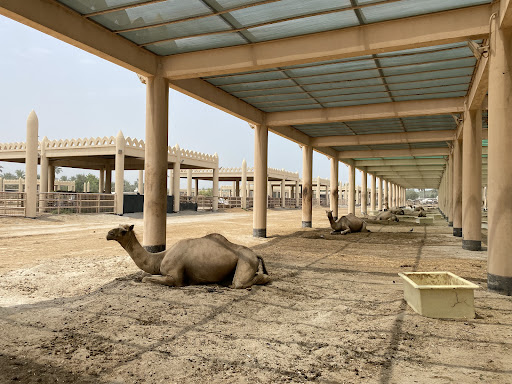
When visiting Bahrain, be sure to take a visit to the Royal Camel Farm. Providing tourists with an unique insight into a treasured element of Bahraini culture, the farm is home to over 600 camels of all ages and sizes. The farm was created by the King of Bahrain, Sheik Mohammad as a means of preserving camels in Bahrain.
Despite being called a farm, the camels are not bred for eating or production, merely preservation. Before the introduction of cars to the country camels were the primary means of transport for the people of Bahrain, as they are ideal to travel distances in the humid and dry climate. However, their numbers dwindled as other methods of transport became more practical, hence why the Sheik decide to create the Royal Camel Farm to protect the native species of the Arabian Peninsula.
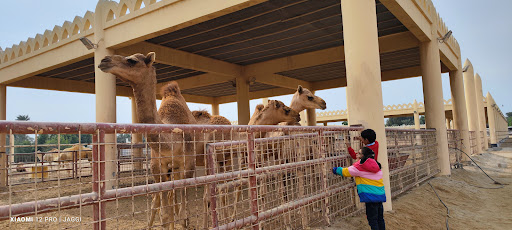
Bahrainis have had a deep routed cultural connection to camels for centuries. Worshipped as a sacred symbol of life and prosperity in the harsh desert environment by their ancestors, for many in Bahrain and indeed the Middle East in general, camels are still regarded as a symbol of power, wealth and fertility. As a result, only the wealthiest and most prestigious families in Bahrain own a camel at the Royal Camel Farm. A great family day out, visitors have the opportunity to get up close and personal with the camels, feeding and touching them. It is even possible to arrange a camel ride around the compound if you pre-arrange it with your guide and are willing to pay a small fee. The camels are separated into male and female pens with the older and younger camels separated from the main pens. During your visit you will have access to all of these pens including seeing up close the baby camels.
Located in Manama, just off the Janabiyah highway, from Fraser Suites Bahrain the Royal Camel Farm is just a 20 minute drive west from the hotel. If you don’t have access to a car the journey will cost between 3-5 Bahraini Dinars ($8-$14) in an Uber taxi. The Royal Camel Farm is open every day from 8am to 5pm and is free to enter. There is no reception area however there are keepers available to show you...
Read moreWelcome to Royal camel farm , Janabiya . When visiting Bahrain, be sure to take a visit to the Royal Camel Farm which is a unique sanctuary for several hundred camels. Here visitors can get up, close and personal with the camels can taste camel milk as well as feed the babies.
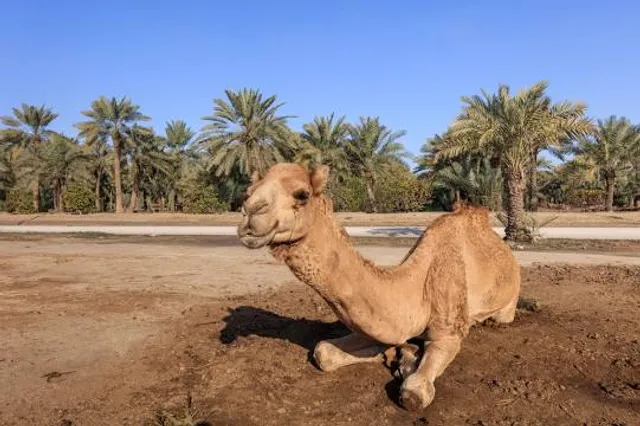
This is a privately owned Camel Farm and it is a must for people whose only contact with camels has been at a zoo or on television. The camel is a large, strong desert animal. Camels can travel great distances across hot, dry deserts with little food or water. They walk easily on soft sand where trucks would get stuck, and carry people and heavy loads to places that have no roads. Camels also serve the people of the desert in many other ways. The camel carries its own built-in food supply on its back in the form of a hump. The hump is a large lump of fat that provides energy if food is hard to find.
This farm is open every day from sunrise to sunset. The Royal Camel Farm on the outskirts of Manama was founded by the late Sheikh Mohammed Bin Salman Al Khalifa, uncle of the current ruler of Bahrain. This place also has washroom, free car parking etc. No entry tickets needed. The entry to the farm is absolutely free for any nationality.
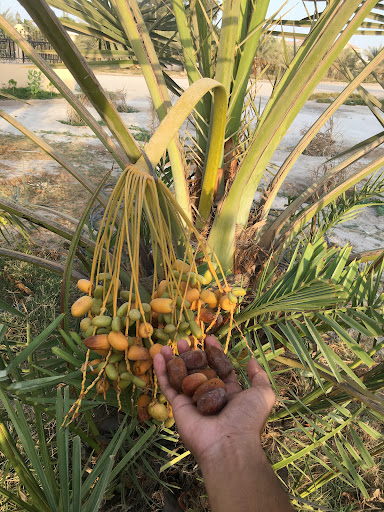
There are hundreds of camels both male and female and baby camels there in royal camel farm . There is also dates tree in the sides of the farm and a very big land is also occupied for dates trees. You can see camels chained there but that is not for cruelty but its for preventing camels hurting and killing from each other and only male camels are put in chains. This will be a perfect place for families to visit and will be a great experience seeing hundreds of camels in a single place . You can also feed the baby camels in the farm.
This beautiful farm is located about 15 km from the Grand Swiss-Belhotel...
Read moreCamels are known as “the ship of the desert”, but nowadays travelers are not as dependent on the camel as they once were. These days, camels are valued more as thoroughbred racing animals and sentimental images of the past than as the mainstay of transportation.
Camels come in every shade of brown, from cream to almost black. They do not pant, and they perspire very little. They can raise their bodies' temperature tolerance level as much as 6°C before perspiring, thereby conserving body fluids and avoiding unnecessary water loss. Moreover, camels can go 5-7 days with little or no food and water. The camel's body temperature is also often lower than the surrounding air temperature.
This farm/sanctuary was founded by the late uncle of the current ruler of Bahrain and the camels are all still under the ownership of the...
Read more