HTML SitemapExplore

Sher-e-Bangla Memorial Museum — Attraction in Barisal District

Name
Sher-e-Bangla Memorial Museum
Description
Nearby attractions
Nearby restaurants
Nearby hotels
Related posts
Keywords
Sher-e-Bangla Memorial Museum tourism.Sher-e-Bangla Memorial Museum hotels.Sher-e-Bangla Memorial Museum bed and breakfast. flights to Sher-e-Bangla Memorial Museum.Sher-e-Bangla Memorial Museum attractions.Sher-e-Bangla Memorial Museum restaurants.Sher-e-Bangla Memorial Museum travel.Sher-e-Bangla Memorial Museum travel guide.Sher-e-Bangla Memorial Museum travel blog.Sher-e-Bangla Memorial Museum pictures.Sher-e-Bangla Memorial Museum photos.Sher-e-Bangla Memorial Museum travel tips.Sher-e-Bangla Memorial Museum maps.Sher-e-Bangla Memorial Museum things to do.
Sher-e-Bangla Memorial Museum things to do, attractions, restaurants, events info and trip planning
Sher-e-Bangla Memorial Museum
BangladeshBarishal DivisionBarisal DistrictSher-e-Bangla Memorial Museum

Basic Info

Sher-e-Bangla Memorial Museum

R54V+MGM, Chakhar Union, Bangladesh
4.3(212)
Open until 6:00 PM
Save
spot

Ratings & Description

Info

Cultural
Family friendly
Accessibility
attractions: , restaurants:
logoLearn more insights from Wanderboat AI.

Website
archaeology.gov.bd
Open hoursSee all hours
Thu10 AM - 6 PMOpen

Plan your stay

hotel
Pet-friendly Hotels in Barisal District
Find a cozy hotel nearby and make it a full experience.
hotel
Affordable Hotels in Barisal District
Find a cozy hotel nearby and make it a full experience.
hotel
The Coolest Hotels You Haven't Heard Of (Yet)
Find a cozy hotel nearby and make it a full experience.
hotel
Trending Stays Worth the Hype in Barisal District
Find a cozy hotel nearby and make it a full experience.

Reviews

Get the Appoverlay
Get the AppOne tap to find yournext favorite spots!
Wanderboat LogoWanderboat

Your everyday Al companion for getaway ideas

CompanyAbout Us
InformationAI Trip PlannerSitemap
SocialXInstagramTiktokLinkedin
LegalTerms of ServicePrivacy Policy

Get the app

Š 2025 Wanderboat. All rights reserved.

Posts

Md Aminur RashidMd Aminur Rashid
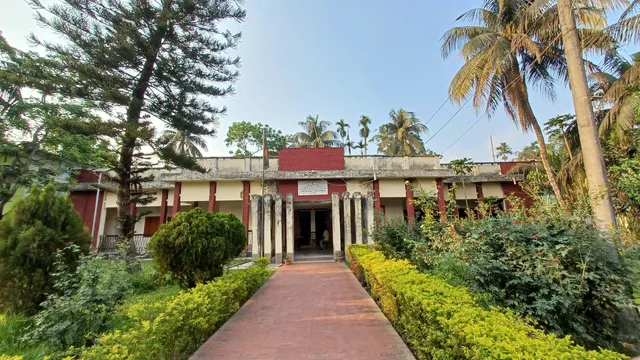
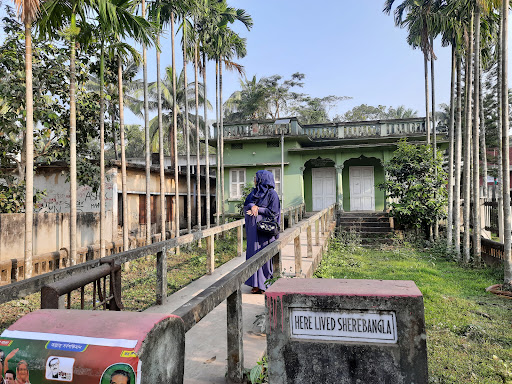
Alada ekta onuvuti kaj kore. Khub simple ekta jadhughor.... but ekta vab gambirjo ace. Sher-e-Bangla Memorial Museum has been established on 27 decimals of land of Chakhar Boys’ High School and Memorial Girls’ High School in Barishal district. The eminent politician and public leader of the Indian subcontinent and undivided Bengal, Abul Kashem Fazlul Huq, who was better known as Sher-e-Bangla (Tiger of Bengal) A K Fazlul Huq was born in 1873 at Saturia village under the then Bakerganj district
Shahin KabirShahin Kabir
A very important man for the history of this country was borne and bought up here. Sher e bangla museum is a must visit place for the learning sake of the children if you ever visit barishal with them. Roads to the museum from barishal is very smooth and eye soothing. There is a local bazar nearby. btw, the museum itself doesn’t look much. But the journey towards is enjoyble.
Md. Saidur RahmanMd. Saidur Rahman
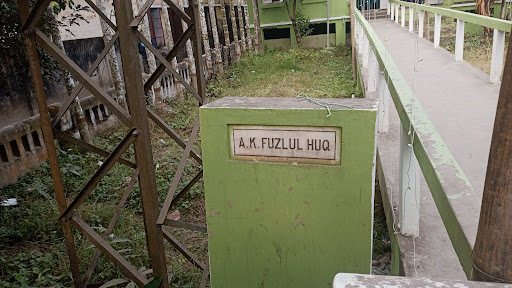
Abul Kasem Fazlul Huq, also known as Sher-e-Bangla, was a prominent Bengali political leader and statesman in British India. He was born on October 26, 1873, and passed away on April 27, 1962. Fazlul Huq played a significant role in the Indian independence movement and was a staunch advocate for the rights and autonomy of the Bengali-speaking population.
See more posts
See more posts
hotel
Find your stay

Pet-friendly Hotels in Barisal District

Find a cozy hotel nearby and make it a full experience.

Alada ekta onuvuti kaj kore. Khub simple ekta jadhughor.... but ekta vab gambirjo ace. Sher-e-Bangla Memorial Museum has been established on 27 decimals of land of Chakhar Boys’ High School and Memorial Girls’ High School in Barishal district. The eminent politician and public leader of the Indian subcontinent and undivided Bengal, Abul Kashem Fazlul Huq, who was better known as Sher-e-Bangla (Tiger of Bengal) A K Fazlul Huq was born in 1873 at Saturia village under the then Bakerganj district
Md Aminur Rashid

Md Aminur Rashid

hotel
Find your stay

Affordable Hotels in Barisal District

Find a cozy hotel nearby and make it a full experience.

Get the Appoverlay
Get the AppOne tap to find yournext favorite spots!
A very important man for the history of this country was borne and bought up here. Sher e bangla museum is a must visit place for the learning sake of the children if you ever visit barishal with them. Roads to the museum from barishal is very smooth and eye soothing. There is a local bazar nearby. btw, the museum itself doesn’t look much. But the journey towards is enjoyble.
Shahin Kabir

Shahin Kabir

hotel
Find your stay

The Coolest Hotels You Haven't Heard Of (Yet)

Find a cozy hotel nearby and make it a full experience.

hotel
Find your stay

Trending Stays Worth the Hype in Barisal District

Find a cozy hotel nearby and make it a full experience.

Abul Kasem Fazlul Huq, also known as Sher-e-Bangla, was a prominent Bengali political leader and statesman in British India. He was born on October 26, 1873, and passed away on April 27, 1962. Fazlul Huq played a significant role in the Indian independence movement and was a staunch advocate for the rights and autonomy of the Bengali-speaking population.
Md. Saidur Rahman

Md. Saidur Rahman

See more posts
See more posts

Reviews of Sher-e-Bangla Memorial Museum

4.3
(212)
avatar
5.0
5y

āĻ. āϕ⧇. āĻĢāϜāϞ⧁āĻ• āĻšāĻ• (āĻĒāĻžāĻ•āĻŋāĻ¸ā§āϤāĻžāύ⧇āϰ āĻĒā§āϰāĻ•ā§ƒāϤ āĻ¸ā§āĻĨāĻĒāϤāĻŋ) ā§§ā§Žā§­ā§Š āϏāĻžāϞ⧇ ⧍ā§Ŧ āĻ…āĻ•ā§āĻŸā§‹āĻŦāĻ°Â āĻŦāϰāĻŋāĻļāĻžāϞ āĻœā§‡āϞāĻžāĻ°Â āϰāĻžāϜāĻžāĻĒ⧁āϰ āĻĨāĻžāύāĻžāϰ āϏāĻžāϤ⧁āϰāĻŋāϝāĻŧāĻž āĻ—ā§āϰāĻžāĻŽā§‡ āĻŽāĻžāĻŽāĻžāϰ āĻŦāĻžāĻĄāĻŧāĻŋāϤ⧇ āϜāĻ¨ā§āĻŽāĻ—ā§āϰāĻšāĻŖ āĻ•āϰ⧇āύāĨ¤ āϤāĻžāρāϰ āφāĻĻāĻŋ āĻĒ⧈āϤ⧃āĻ• āύāĻŋāĻŦāĻžāĻ¸Â āĻĒāϟ⧁āϝāĻŧāĻžāĻ–āĻžāϞ⧀ āĻœā§‡āϞāĻžāĻ°Â āĻŦāĻžāωāĻĢāϞ āωāĻĒāĻœā§‡āϞāĻžāϝāĻŧāĨ¤[ā§Š] āϤāĻŋāύāĻŋ āĻ•āĻžāĻœā§€ āĻŽā§āĻšāĻŽā§āĻŽāĻĻ āĻ“āϝāĻŧāĻžāĻœā§‡āĻĻ āĻāĻŦāĻ‚ āϏāĻžāχāĻĻ⧁āĻ¨ā§āύ⧇āϏāĻž āĻ–āĻžāϤ⧁āύ⧇āϰ āĻāĻ•āĻŽāĻžāĻ¤ā§āϰ āĻĒ⧁āĻ¤ā§āϰ āĻ›āĻŋāϞ⧇āύāĨ¤

āĻ. āϕ⧇. āĻĢāϜāϞ⧁āĻ• āĻšāϕ⧇āϰ āĻĒā§āϰāĻžāĻĨāĻŽāĻŋāĻ•Â āĻļāĻŋāĻ•ā§āώāĻžÂ āĻŦāĻžāĻĄāĻŧāĻŋāϤ⧇āχ āĻļ⧁āϰ⧁ āĻšāϝāĻŧāĨ¤ āĻĒāϰ⧇ āϤāĻŋāύāĻŋ āĻ—ā§āϰāĻžāĻŽā§āϝ āĻĒāĻžāĻ āĻļāĻžāϞāĻžāϝāĻŧ āĻ­āĻ°ā§āϤāĻŋ āĻšāϝāĻŧ⧇āĻ›āĻŋāϞ⧇āύāĨ¤ āĻ—ā§ƒāĻš āĻļāĻŋāĻ•ā§āώāĻ•āĻĻ⧇āϰ āĻ•āĻžāϛ⧇ āϤāĻŋāύāĻŋ āφāϰāĻŦāĻŋ, āĻĢāĻžāĻ°ā§āϏāĻŋ āĻāĻŦāĻ‚Â āĻŦāĻžāĻ‚āϞāĻžÂ āĻ­āĻžāώāĻž āĻļāĻŋāĻ•ā§āώāĻž āϞāĻžāĻ­ āĻ•āϰ⧇āύāĨ¤ ā§§ā§Žā§Žā§§ āϏāĻžāϞ⧇ āϤāĻŋāύāĻŋ āĻŦāϰāĻŋāĻļāĻžāϞ āϜāĻŋāϞāĻž āĻ¸ā§āϕ⧁āĻ˛ā§‡Â āϤ⧃āϤ⧀āϝāĻŧ āĻļā§āϰ⧇āĻŖāĻŋāϤ⧇ āĻ­āĻ°ā§āϤāĻŋ āĻšāύāĨ¤ ā§§ā§Žā§Žā§Ŧ āϏāĻžāϞ⧇ āĻ…āĻˇā§āϟāĻŽ āĻļā§āϰ⧇āĻŖāĻŋāϤ⧇ āϤāĻŋāύāĻŋ āĻŦ⧃āĻ¤ā§āϤāĻŋ āϞāĻžāĻ­ āĻ•āϰ⧇āύ āĻāĻŦāĻ‚ ā§§ā§Žā§Žā§¯ āϏāĻžāϞ⧇ āĻĢāϜāϞ⧁āϞ āĻšāĻ• āĻĒā§āϰāĻŦ⧇āĻļāĻŋāĻ•āĻž āĻĒāϰ⧀āĻ•ā§āώāĻžāϝāĻŧ āĻ¤ā§ŽāĻ•āĻžāϞ⧀āĻ¨Â āĻĸāĻžāĻ•āĻž āĻŦāĻŋāĻ­āĻžāĻ—ā§‡Â āĻŽā§āϏāϞāĻŽāĻžāύāĻĻ⧇āϰ āĻŽāĻ§ā§āϝ⧇ āĻĒā§āϰāĻĨāĻŽ āĻ¸ā§āĻĨāĻžāύ āĻĻāĻ–āϞ āĻ•āϰ⧇āύāĨ¤ āĻĢāϜāϞ⧁āϞ āĻšāĻ• āϤāĻžāϰ āĻĒā§āϰāĻ–āϰ āĻ¸ā§āĻŽā§ƒāϤāĻŋāĻļāĻ•ā§āϤāĻŋāϰ āĻ•āĻžāϰāϪ⧇ āĻļāĻŋāĻ•ā§āώāĻ•āĻĻ⧇āϰ āϖ⧁āĻŦāχ āĻ¸ā§āύ⧇āĻšāĻ­āĻžāϜāύ āĻ›āĻŋāϞ⧇āύāĨ¤ āĻĒā§āϰāĻŦ⧇āĻļāĻŋāĻ•āĻž āĻĒāĻžāĻļ āĻ•āϰāĻžāϰ āĻĒāϰ āωāĻšā§āϚāĻļāĻŋāĻ•ā§āώāĻž āϞāĻžāϭ⧇āϰ āϜāĻ¨ā§āϝ⧇ āϤāĻŋāύāĻŋ āĻ•āϞāĻ•āĻžāϤāĻžāϝāĻŧ āĻ—āĻŽāύ āĻ•āϰ⧇āύāĨ¤ ā§§ā§Žā§¯ā§§ āϏāĻžāĻ˛ā§‡Â āĻ•āϞāĻ•āĻžāϤāĻž āĻĒā§āϰ⧇āϏāĻŋāĻĄā§‡āĻ¨ā§āϏāĻŋ āĻ•āϞ⧇āĻœÂ āĻĨ⧇āϕ⧇ āĻāĻĢ.āĻ. āĻĒāϰ⧀āĻ•ā§āώāĻžāϝāĻŧ āĻĒā§āϰāĻĨāĻŽ āĻŦāĻŋāĻ­āĻžāϗ⧇ āωāĻ¤ā§āϤ⧀āĻ°ā§āĻŖ āĻšāύāĨ¤ āϏ⧇ āϏāĻŽāϝāĻŧ āĻĒā§āϰ⧇āϏāĻŋāĻĄā§‡āĻ¨ā§āϏāĻŋ āĻ•āϞ⧇āĻœā§‡Â āϰāϏāĻžāϝāĻŧāύ āĻļāĻžāĻ¸ā§āĻ¤ā§āϰ⧇āĻ°Â āĻ…āĻ§ā§āϝāĻžāĻĒāĻ• āĻ›āĻŋāϞ⧇āύ āφāϚāĻžāĻ°ā§āĻ¯Â āĻĒā§āϰāĻĢ⧁āĻ˛ā§āϞāϚāĻ¨ā§āĻĻā§āϰ āϰāĻžāϝāĻŧāĨ¤ āύāĻŋāĻœā§‡āϰ āĻŽā§‡āϧāĻžāϰ āĻŦāϞ⧇ āϤāĻŋāύāĻŋ āĻĒā§āϰāĻĢ⧁āĻ˛ā§āϞāϚāĻ¨ā§āĻĻā§āϰ āϰāĻžāϝāĻŧ⧇āϰ āĻĻ⧃āĻˇā§āϟāĻŋ āφāĻ•āĻ°ā§āώāĻŖ āĻ•āϰ⧇āύāĨ¤ āĻāĻĢ.āĻ. āĻĒāĻžāĻļ āĻ•āϰāĻžāϰ āĻĒāϰ āϤāĻŋāύāĻŋ āĻ—āĻŖāĻŋāϤ, āϰāϏāĻžāϝāĻŧāĻ¨Â āĻ“ āĻĒāĻĻāĻžāĻ°ā§āĻĨ āĻŦāĻŋāĻĻā§āϝāĻžāϝāĻŧ āĻ…āύāĻžāĻ°ā§āϏāϏāĻš āĻāĻ•āχ āĻ•āϞ⧇āĻœā§‡ āĻŦāĻŋ.āĻ. āĻ•ā§āϞāĻžāϏ⧇ āĻ­āĻ°ā§āϤāĻŋ āĻšāύāĨ¤ ā§§ā§Žā§¯ā§Š āϏāĻžāϞ⧇ āϤāĻŋāύāĻŋ āϤāĻŋāύāϟāĻŋ āĻŦāĻŋāώāϝāĻŧ⧇ āĻ…āύāĻžāĻ°ā§āϏāϏāĻš āĻĒā§āϰāĻĨāĻŽ āĻļā§āϰ⧇āĻŖāĻŋāϤ⧇ āĻŦāĻŋ.āĻ. āĻĒāĻžāĻļ āĻ•āϰ⧇āύāĨ¤ āĻŦāĻŋ.āĻ. āĻĒāĻžāĻļ āĻ•āϰāĻžāϰ āĻĒāϰ āĻāĻŽ.āĻ. āĻ•ā§āϞāĻžāϏ⧇ āĻĒā§āϰāĻĨāĻŽā§‡ āĻ­āĻ°ā§āϤāĻŋ āĻšāϝāĻŧ⧇āĻ›āĻŋāϞ⧇āύ āχāĻ‚āϰ⧇āϜāĻŋ āĻ­āĻžāώāĻžāϝāĻŧāĨ¤ āĻĒāϰ⧀āĻ•ā§āώāĻžāϰ āĻŽāĻžāĻ¤ā§āϰ āĻ›āϝāĻŧ āĻŽāĻžāϏ āφāϗ⧇ āϤāĻžāϕ⧇ āĻāĻ• āĻŦāĻ¨ā§āϧ⧁ āĻŦā§āϝāĻ™ā§āĻ— āĻ•āϰ⧇ āĻŦāϞ⧇āĻ›āĻŋāϞ⧇āύ āϝ⧇, āĻŽā§āϏāϞāĻŽāĻžāύ āĻ›āĻžāĻ¤ā§āϰāϰāĻž āĻ…āĻ™ā§āĻ• āύāĻŋāϝāĻŧ⧇ āĻĒāĻĄāĻŧ⧇ āύāĻž, āĻ•āĻžāϰāĻŖ āϤāĻžāϰāĻž āĻŽā§‡āϧāĻžāĻŦā§€ āύāϝāĻŧāĨ¤ āĻāχ āĻ•āĻĨāĻž āĻļ⧁āύ⧇ āĻ. āϕ⧇. āĻĢāϜāϞ⧁āĻ• āĻšāϕ⧇āϰ āĻœā§‡āĻĻ āϚāĻĄāĻŧ⧇ āϝāĻžāϝāĻŧāĨ¤ āϤāĻŋāύāĻŋ āĻĒā§āϰāϤāĻŋāĻœā§āĻžāĻžāĻŦāĻĻā§āϧ āĻšāύ āϝ⧇, āĻ…āĻ™ā§āĻ•āĻļāĻžāĻ¸ā§āĻ¤ā§āϰ⧇āχ āĻĒāϰ⧀āĻ•ā§āώāĻž āĻĻ⧇āĻŦ⧇āύāĨ¤ āĻāϰāĻĒāϰ, āĻŽāĻžāĻ¤ā§āϰ āĻ›āϝāĻŧ āĻŽāĻžāϏ āĻ…āĻ™ā§āĻ• āĻĒāĻĄāĻŧ⧇āχ āϤāĻŋāύāĻŋ āĻĒā§āϰāĻĨāĻŽ āĻļā§āϰ⧇āĻŖāĻŋ āϞāĻžāĻ­ āĻ•āϰ⧇āύāĨ¤Â [ā§Ē]

āϖ⧇āϞāĻžāϧ⧁āϞāĻžāϰ āĻĒā§āϰāϤāĻŋ āĻĢāϜāϞ⧁āϞ āĻšāĻ• āϖ⧁āĻŦāχ āφāĻ—ā§āϰāĻšā§€ āĻ›āĻŋāϞ⧇āύāĨ¤ āϤāĻŋāύāĻŋ āĻĒā§āϰāĻĨāĻŽ āĻœā§€āĻŦāύ⧇ āύāĻŋāĻœā§‡ āĻŦāĻŋāĻ­āĻŋāĻ¨ā§āύ āϖ⧇āϞāĻžāϧ⧁āϞāĻžāϰ āϏāĻžāĻĨ⧇ āϜāĻĄāĻŧāĻŋāϤ āĻ›āĻŋāϞ⧇āύ āĻāĻŦāĻ‚ āĻĒāϰāĻŦāĻ°ā§āϤ⧀āĻ•āĻžāϞ⧇ āĻŦāĻŋāĻ­āĻŋāĻ¨ā§āύ āϖ⧇āϞāĻžāϧ⧁āϞāĻžāϰ āĻĒ⧃āĻˇā§āĻ āĻĒā§‹āώāĻ• āĻšāĻŋāϏ⧇āĻŦ⧇āĻ“ āϤāĻŋāύāĻŋ āĻĒāϰāĻŋāϚāĻŋāϤ āĻ›āĻŋāϞ⧇āύāĨ¤ āϤāĻŋāύāĻŋ āĻŽā§‹āĻšāĻžāĻŽā§‡āĻĄāĻžāύ āĻĢ⧁āϟāĻŦāϞ āĻ•ā§āϞāĻžāĻŦ⧇āϰ āĻĒā§āϰāϤāĻŋāĻˇā§āĻ āĻžāϰ āϏāĻŽāϝāĻŧ āĻĨ⧇āϕ⧇ āĻāϰ āϏāĻžāĻĨ⧇ āϜāĻĄāĻŧāĻŋāϤ āĻ›āĻŋāϞ⧇āύāĨ¤ āĻāĻ›āĻžāĻĄāĻŧāĻž āϤāĻŋāύāĻŋ āĻĻāĻžāĻŦāĻž, āϏāĻžāρāϤāĻžāĻ°Â āϏāĻš āĻŦāĻŋāĻ­āĻŋāĻ¨ā§āύ āϖ⧇āϞāĻž āĻĒāĻ›āĻ¨ā§āĻĻ āĻ•āϰāϤ⧇āύāĨ¤[ā§Ģ]

āĻ. āϕ⧇. āĻĢāϜāϞ⧁āĻ• āĻšāϕ⧇āϰ āĻĒā§‚āĻ°ā§āĻŦāĻĒ⧁āϰ⧁āώ āφāĻ āĻžāϰ⧋ āĻļāϤāϕ⧇ āĻ­āĻžāϰāϤ⧇āĻ°Â āĻ­āĻžāĻ—āϞāĻĒ⧁āĻ°Â āĻšāĻ¤ā§‡Â āĻĒāϟ⧁āϝāĻŧāĻžāĻ–āĻžāĻ˛ā§€Â āĻœā§‡āϞāĻžāϰ āĻŦāĻžāωāĻĢāϞ āĻĨāĻžāύāĻžāϰ āĻŦāĻŋāϞāĻŦāĻŋāϞāĻžāϏ āĻ—ā§āϰāĻžāĻŽā§‡ āĻŦāϏāϤāĻŋ āĻ¸ā§āĻĨāĻžāĻĒāύ āĻ•āϰ⧇āύāĨ¤ āĻ āĻŦāĻ‚āĻļ⧇āϰ āĻ•āĻžāĻœā§€ āĻŽā§āĻ°ā§āϤāϜāĻž āĻāĻ•āϜāύ āϏāĻŽā§āĻ­ā§āϰāĻžāĻ¨ā§āϤ āĻŦā§āϝāĻ•ā§āϤāĻŋ āĻ›āĻŋāϞ⧇āύāĨ¤ āϤāĻžāϰ āĻĒ⧁āĻ¤ā§āϰ āĻ•āĻžāĻœā§€ āĻŽā§āĻšāĻŽā§āĻŽāĻĻ āφāĻŽāĻŋāύāĨ¤ āĻ•āĻžāĻœā§€ āĻŽā§āĻšāĻŽā§āĻŽāĻĻ āφāĻŽāĻŋāύ⧇āϰ āĻĒ⧁āĻ¤ā§āϰ āĻŽā§āĻšāĻŽā§āĻŽāĻĻ āφāĻ•āϰāĻžāĻŽ āφāĻ˛ā§€Â āĻŦāϰāĻŋāĻļāĻžāĻ˛Â āϕ⧋āĻ°ā§āĻŸā§‡ āφāχāύ āĻŦā§āϝāĻŦāϏāĻž āĻ•āϰāϤ⧇āύāĨ¤ āϤāĻžāϰ āĻĻ⧁āχ āĻĒ⧁āĻ¤ā§āĻ°Â āĻ•āĻžāĻœā§€ āĻŽā§āĻšāĻŽā§āĻŽāĻĻ āĻ“āϝāĻŧāĻžāĻœā§‡āĻĻ, āĻ•āĻžāĻœā§€ āφāĻŦāĻĻ⧁āϞ āĻ•āĻžāĻĻ⧇āϰ āĻ“ āĻĒāĻžāρāϚ āĻ•āĻ¨ā§āϝāĻžāĨ¤Â āĻ•āĻžāĻœā§€ āĻŽā§āĻšāĻŽā§āĻŽāĻĻ āĻ“āϝāĻŧāĻžāĻœā§‡āĻĻ⧇āĻ°Â āĻāĻ•āĻŽāĻžāĻ¤ā§āϰ āĻĒ⧁āĻ¤ā§āϰ āĻ›āĻŋāϞ⧇āύ āĻ. āϕ⧇. āĻĢāϜāϞ⧁āĻ• āĻšāĻ•āĨ¤Â āĻ•āĻžāĻœā§€ āĻŽā§āĻšāĻŽā§āĻŽāĻĻ āĻ“āϝāĻŧāĻžāĻœā§‡āĻĻÂ ā§§ā§Žā§Ēā§Š āϏāĻžāĻ˛ā§‡Â āϚāĻžāĻ–āĻžāĻ°ā§‡Â āϜāĻ¨ā§āĻŽ āĻ—ā§āϰāĻšāĻŖ āĻ•āϰ⧇āύāĨ¤ āϤāĻŋāύāĻŋ āĻ•āϞāĻ•āĻžāϤāĻž āĻĒā§āϰ⧇āϏāĻŋāĻĄā§‡āĻ¨ā§āϏāĻŋ āĻ•āϞ⧇āĻœā§‡Â āĻĒāĻĄāĻŧāĻžāϞ⧇āĻ–āĻž āĻ•āϰ⧇āύāĨ¤ āĻŦāĻžāĻ‚āϞāĻžāϰ āĻŽā§āϏāϞāĻŽāĻžāύāĻĻ⧇āϰ āĻŽāĻ§ā§āϝ⧇ āϤāĻŋāύāĻŋ āώāĻˇā§āĻ  āĻ—ā§āϰāĻžāϜ⧁āϝāĻŧ⧇āϟ āĻ›āĻŋāϞ⧇āύāĨ¤ ā§§ā§Žā§­ā§§ āϏāĻžāĻ˛ā§‡Â āĻ•āϞāĻ•āĻžāϤāĻž āĻĒā§āϰ⧇āϏāĻŋāĻĄā§‡āĻ¨ā§āϏāĻŋ āĻ•āϞ⧇āĻœÂ āĻĨ⧇āϕ⧇ āϤāĻŋāύāĻŋ āĻŦāĻŋ. āĻāϞ. āĻĒāĻžāĻļ āĻ•āϰ⧇ āφāχāύ āĻŦā§āϝāĻŦāϏāĻž āĻļ⧁āϰ⧁ āĻ•āϰ⧇āύāĨ¤ āĻŽā§āĻšāĻŽā§āĻŽāĻĻ āĻ“āϝāĻŧāĻžāĻœā§‡āĻĻ āϰāĻžāϜāĻžāĻĒ⧁āϰ āĻĨāĻžāύāĻžāϰ āϏāĻžāϤ⧁āϰāĻŋāϝāĻŧāĻž āĻŽāĻŋāϝāĻŧāĻž āĻŦāĻžāĻĄāĻŧāĻŋāϰ āφāĻšāĻŽāĻĻ āφāϞ⧀ āĻŽāĻŋāϝāĻŧāĻžāϰ āĻ•āĻ¨ā§āϝāĻž āĻŦ⧇āĻ—āĻŽ āϏ⧈āϝāĻŧāĻĻ⧁āĻ¨ā§āύ⧇āĻ›āĻžāϕ⧇ (āĻļ⧇āϰ⧇ āĻŦāĻžāĻ‚āϞāĻžāϰ āĻŽāĻž) āĻŦāĻŋāϝāĻŧ⧇ āĻ•āϰ⧇āύāĨ¤ āĻŽā§āĻšāĻŽā§āĻŽāĻĻ āĻ“āϝāĻŧāĻžāĻœā§‡āĻĻ ā§§ā§¯ā§Ļā§§ āϏāĻžāϞ⧇āϰ ā§¯Â āĻĢ⧇āĻŦā§āϰ⧁āϝāĻŧāĻžāϰāĻŋ āĻŦāϰāĻŋāĻļāĻžāĻ˛ā§‡Â āĻŽā§ƒāĻ¤ā§āϝ⧁āĻŦāϰāĻŖ āĻ•āϰ⧇āύāĨ¤

āĻ. āϕ⧇. āĻĢāϜāϞ⧁āĻ• āĻšāĻ• āĻāĻŽ.āĻ. āĻĒāĻžāĻļ āĻ•āϰāĻžāϰ āĻĒāϰ āĻĻāĻžāĻŽā§āĻĒāĻ¤ā§āϝ āĻœā§€āĻŦāύ⧇ āĻĒā§āϰāĻŦ⧇āĻļ āĻ•āϰ⧇āύāĨ¤ āĻ āϏāĻŽāϝāĻŧ āύāĻŦāĻžāĻŦ āφāĻŦāĻĻ⧁āϞ āϞāϤāĻŋāĻĢ āϏāĻŋ. āφāχ. āχ.-āĻāϰ āĻĒ⧌āĻ¤ā§āϰ⧀ āϖ⧁āϰāĻļāĻŋāĻĻ āϤāĻžāϞāĻžāϤ āĻŦ⧇āĻ—āĻŽā§‡āϰ āϏāĻžāĻĨ⧇ āϤāĻžāϰ āĻŦāĻŋāϝāĻŧ⧇ āĻšāϝāĻŧāĨ¤ āϖ⧁āϰāĻļāĻŋāĻĻ āϤāĻžāϞāĻžāϤ āĻŦ⧇āĻ—āĻŽ āĻĻ⧁āϟāĻŋ āĻ•āĻ¨ā§āϝāĻž āϏāĻ¨ā§āϤāĻžāύ⧇āϰ āϜāĻ¨ā§āĻŽ āĻĻ⧇āύāĨ¤ āϖ⧁āϰāĻļāĻŋāĻĻ āϤāĻžāϞāĻžāϤ āĻŦ⧇āĻ—āĻŽā§‡āϰ āĻ…āĻ•āĻžāϞ āĻŽā§ƒāĻ¤ā§āϝ⧁āϰ āĻĒāϰ āϤāĻŋāύāĻŋ āĻšā§āĻ—āĻ˛ā§€Â āĻœā§‡āϞāĻžāϰ āĻ…āϧāĻŋāĻŦāĻžāϏ⧀ āĻāĻŦāĻ‚Â āĻ•āϞāĻ•āĻžāϤāĻžÂ āĻ…āĻŦāĻ¸ā§āĻĨāĻžāύāĻ•āĻžāϰ⧀ āχāĻŦāύ⧇ āφāĻšāĻŽāĻĻ⧇āϰ āĻ•āĻ¨ā§āϝāĻž āϜāĻŋāύāĻžāϤ⧁āĻ¨ā§āύ⧇āϏāĻž āĻŦ⧇āĻ—āĻŽāϕ⧇ āĻŦāĻŋāϝāĻŧ⧇ āĻ•āϰ⧇āύāĨ¤ āĻ•āĻŋāĻ¨ā§āϤ⧁, āϜāĻŋāύāĻžāϤ⧁āĻ¨ā§āύ⧇āϏāĻžāĻ“ āύāĻŋāσāϏāĻ¨ā§āϤāĻžāύ āĻ…āĻŦāĻ¸ā§āĻĨāĻžāϝāĻŧ āĻĒāϰāϞ⧋āĻ• āĻ—āĻŽāύ āĻ•āϰ⧇āύ āĻāĻŦāĻ‚ ⧧⧝ā§Ēā§Š āϏāĻžāϞ⧇ āĻ. āϕ⧇. āĻĢāϜāϞ⧁āĻ• āĻšāĻ• āĻŽā§€āϰāĻžāĻŸā§‡āϰ āĻāĻ• āĻ­āĻĻā§āϰ āĻŽāĻšāĻŋāϞāĻžāϕ⧇ āĻĒāĻ¤ā§āύ⧀āĻ¤ā§āĻŦ⧇ āĻŦāϰāĻŖ āĻ•āϰ⧇āύāĨ¤Â [ā§Ŧ] āϤāĻžāĻĻ⧇āϰ āϏāĻ¨ā§āϤāĻžāύ āĻ. āϕ⧇. āĻĢāĻžāχāϜ⧁āϞ āĻšāĻ• ⧧⧝⧝ā§Ŧ āϏāĻžāϞ⧇ āφāĻ“āϝāĻŧāĻžāĻŽā§€ āϞ⧀āĻ— āϏāϰāĻ•āĻžāϰ⧇āϰ āĻĒāĻžāϟ āĻĒā§āϰāϤāĻŋāĻŽāĻ¨ā§āĻ¤ā§āϰ⧀ āĻ›āĻŋāϞ⧇āύāĨ¤ āϤāĻŋāύāĻŋ ⧍ā§Ļā§Ļā§­ āϏāĻžāϞ⧇ āĻŽāĻžāϰāĻž āϝāĻžāύāĨ¤[ā§­]

ā§§ā§Žā§¯ā§­ āϏāĻžāϞ⧇ āĻ•āϞāĻ•āĻžāϤāĻžāϰ āϰāĻŋāĻĒāύ āĻ•āϞ⧇āϜ āĻĨ⧇āϕ⧇ āĻŦāĻŋ.āĻāϞ. āĻĒāĻžāĻļ āĻ•āϰ⧇ āĻ¸ā§āϝāĻžāϰ āφāĻļ⧁āϤ⧋āώ āĻŽā§āĻ–āĻžāĻ°ā§āϜāĻŋāϰ āĻļāĻŋāĻ•ā§āώāĻžāύāĻŦāĻŋāĻļ āĻšāĻŋāϏ⧇āĻŦ⧇ āĻ•āϞāĻ•āĻžāϤāĻž āĻšāĻžāχāϕ⧋āĻ°ā§āĻŸā§‡ āύāĻŋāĻœā§‡āϰ āύāĻžāĻŽ āϤāĻžāϞāĻŋāĻ•āĻžāϭ⧁āĻ•ā§āϤ āĻ•āϰ⧇āύ āĻ. āϕ⧇. āĻĢāϜāϞ⧁āĻ• āĻšāĻ•āĨ¤ āĻĻ⧁āĻŦāĻ›āϰ āĻļāĻŋāĻ–āĻžāύāĻŦāĻŋāĻļ āĻšāĻŋāϏ⧇āĻŦ⧇ āĻ•āĻžāϜ āĻ•āϰāĻžāϰ āĻĒāϰ ⧧⧝ā§Ļā§Ļ āϏāĻžāϞ⧇ āϤāĻŋāύāĻŋ āϏāϰāĻžāϏāϰāĻŋ āφāχāύ āĻŦā§āϝāĻŦāϏāĻž āĻļ⧁āϰ⧁ āĻ•āϰ⧇āύāĨ¤ āĻĒāĻŋāϤāĻžāϰ āĻŽā§ƒāĻ¤ā§āϝ⧁āϰ āĻĒāϰ ⧧⧝ā§Ļā§§ āϏāĻžāϞ⧇ āϤāĻŋāύāĻŋ āĻŦāϰāĻŋāĻļāĻžāϞ⧇ āĻĢāĻŋāϰ⧇ āφāϏ⧇āύ āĻāĻŦāĻ‚ āĻŦāϰāĻŋāĻļāĻžāϞ āφāĻĻāĻžāϞāϤ⧇ āϝ⧋āĻ—āĻĻāĻžāύ āĻ•āϰ⧇āύāĨ¤ ⧧⧝ā§Ļā§Š - ⧧⧝ā§Ļā§Ē āϏāĻžāϞ⧇ āĻŦāϰāĻŋāĻļāĻžāϞ āĻŦāĻžāϰ āĻāϏ⧋āϏāĻŋāϝāĻŧ⧇āĻļāύ⧇āϰ āϏāĻšāĻ•āĻžāϰ⧀ āϏāĻŽā§āĻĒāĻžāĻĻāĻ• āĻĒāĻĻ⧇ āĻŦāĻŋāĻĒ⧁āϞ āĻ­ā§‹āĻŸā§‡ āύāĻŋāĻ°ā§āĻŦāĻžāϚāĻŋāϤ āĻšāύāĨ¤ āĻ āϏāĻŽāϝāĻŧāχ āϤāĻŋāύāĻŋ āĻŦāϰāĻŋāĻļāĻžāϞ āϰāĻžāϜāϚāĻ¨ā§āĻĻā§āϰ āĻ•āϞ⧇āĻœā§‡āϰ āĻ…āĻ§ā§āϝāĻ•ā§āώ āĻĄāĻ•ā§āϟāϰ āĻšāϰ⧇āĻ¨ā§āĻĻā§āϰāύāĻžāĻĨ āĻŽā§āĻ–āĻžāĻ°ā§āϜāĻŋāϰ āĻ…āύ⧁āϰ⧋āϧ⧇ āϐ āĻ•āϞ⧇āĻœā§‡ āĻ…āĻ™ā§āĻ•āĻļāĻžāĻ¸ā§āĻ¤ā§āϰ⧇āϰ āĻ…āĻ§ā§āϝāĻžāĻĒāĻ• āĻšāĻŋāϏ⧇āĻŦ⧇ āϝ⧋āĻ— āĻĻ⧇āύāĨ¤ ⧧⧝ā§Ļā§Ŧ āϏāĻžāϞ⧇ āφāχāύ āĻŦā§āϝāĻŦāϏāĻž āϛ⧇āĻĄāĻŧ⧇ āĻĢāϜāϞ⧁āϞ āĻšāĻ• āϏāϰāĻ•āĻžāϰāĻŋ āϚāĻžāĻ•āϰāĻŋ āĻ—ā§āϰāĻšāĻŖ āĻ•āϰ⧇āύāĨ¤ āĻĒā§‚āĻ°ā§āĻŦ-āĻŦāĻžāĻ‚āϞāĻžāϰ āĻ—āĻ­āĻ°ā§āύāĻ°Â āĻŦā§āϝāĻžāĻŽāĻĢāĻŋāĻ˛ā§āĻĄ āĻĢ⧁āϞāĻžāĻ°Â āϤāĻžāϕ⧇ āĻĄā§‡āϕ⧇ āϏāĻŽā§āĻŽāĻžāύ⧇āϰ āϏāĻžāĻĨ⧇ āĻĄā§‡āĻĒ⧁āϟāĻŋ āĻŽā§āϝāĻžāϜāĻŋāĻ¸ā§āĻŸā§āϰ⧇āϟ āĻšāĻŋāϏ⧇āĻŦ⧇ āύāĻŋāϝāĻŧā§‹āĻ— āĻĻ⧇āύāĨ¤ āϏāϰāĻ•āĻžāϰāĻŋ āϚāĻžāϕ⧁āϰāĻŋāϤ⧇ āϤāĻŋāύāĻŋ āĻ•āĻŋāϛ⧁āĻĻāĻŋāĻ¨Â āĻĸāĻžāĻ•āĻžÂ āĻ“Â āĻŽāϝāĻŧāĻŽāύāϏāĻŋāĻ‚āĻšā§‡Â āĻ•āĻžāϜ āĻ•āϰ⧇āύāĨ¤ āĻāϰāĻĒāϰ āϤāĻžāϕ⧇ āϜāĻžāĻŽāĻžāϞāĻĒ⧁āϰ āĻŽāĻšāϕ⧁āĻŽāĻžāϰ āĻāϏ.āĻĄāĻŋ.āĻ“ āĻšāĻŋāϏ⧇āĻŦ⧇...

   Read more
avatar
5.0
6y

This is the museum built in a memoir of Sher-e-Bangla A.K. Fazlul Haque. Sher-e-Bangla is not just a name it's a title of honor. Sher-e-Bangla means tiger of Bengal. A.K. Fazlul Haque, a famous and praiseworthy politician got this title for his bravery. In this museum some personal belongings of Sher-e-Bangla such as bed he slept on, dressing table he used for getting ready or check if he is properly dressed, mug he used for drink water, a stick to help him walk when he was old and many more. There are some historical letters he wrote to some aristocrats and politicians. The most attractive thing in this museum is a crocodile he got as a gift. He has some pictures with Bangladesh's Father of the nation Bangabandhu Sheik Mujibur Rahman depicts that they were very close to each other. This is a very good place for history lovers and fans of Sher-e-Bangla. Sher-e-Bangla is a legendary person and to know about and learn about him is fun. Many students and teachers from schools, colleges, universities come here...

   Read more
avatar
5.0
2y

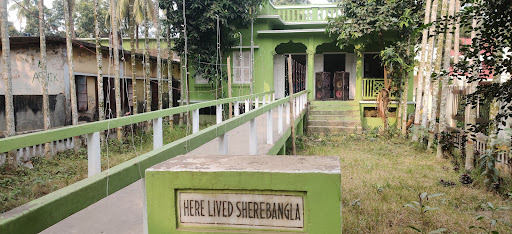
The five-room Sher-e-Bangla Memorial Museum has three exhibition rooms, an office room, a restroom and a library. On the left side of the museum there is a huge portrait of Sher-e-Bangla and next to it there is a brief history of life work, social, political and family pictures and various features and pictures of Sher-e-Bangla Fazlul Huq published in newspapers. The Sher-e-Bangla Memorial Museum also has rare photographs, used furniture, letters, crocodile mummy hunted in the Sundarbans, octagonal Marichi Devi statues, black stone Shivlings, bronze Buddhist statues, gold coins, small stone Shiva linga statues, silver coins, silver coins Copper coins and various archeological...

   Read more
Page 1 of 7
Previous
Next