HTML SitemapExplore
logo
Find Things to DoFind The Best Restaurants

Behular Bashor Ghor - Gokul Medh — Attraction in Bogura

Name
Behular Bashor Ghor - Gokul Medh
Description
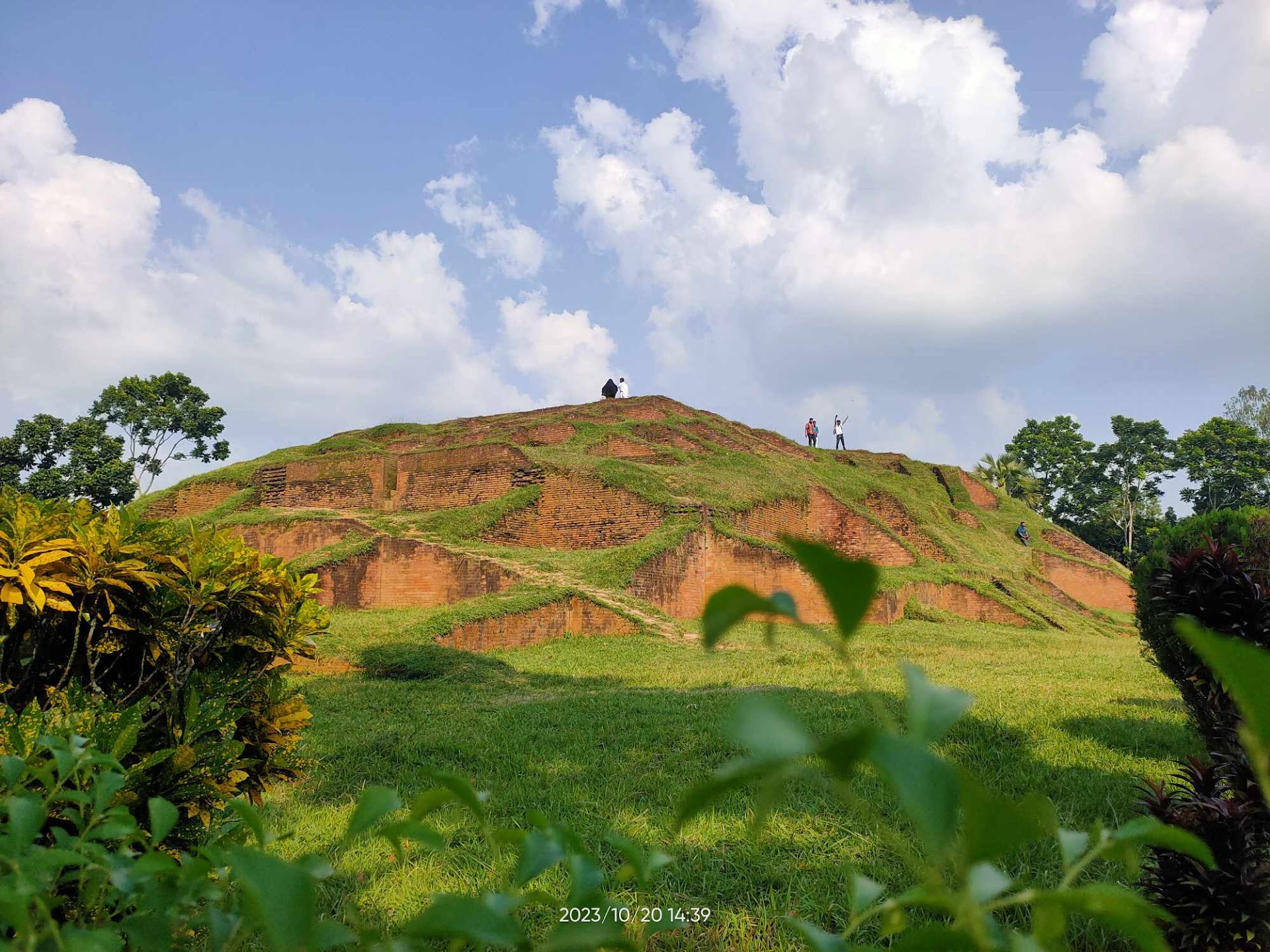
Gokul Medh is an archaeological site in Bangladesh. It is an excavated mound in the village of Gokul in Bogra Sadar Upazila, Bogra, about 2 km southwest of Mahasthangarh. It is also known as Lakshindar Medh, as it is known in folklore as the bridal chamber of Behula and Lakshinder, protagonists of a ballad.
Nearby attractions
Nearby restaurants
Nearby hotels
Related posts
Keywords
Behular Bashor Ghor - Gokul Medh tourism.Behular Bashor Ghor - Gokul Medh hotels.Behular Bashor Ghor - Gokul Medh bed and breakfast. flights to Behular Bashor Ghor - Gokul Medh.Behular Bashor Ghor - Gokul Medh attractions.Behular Bashor Ghor - Gokul Medh restaurants.Behular Bashor Ghor - Gokul Medh travel.Behular Bashor Ghor - Gokul Medh travel guide.Behular Bashor Ghor - Gokul Medh travel blog.Behular Bashor Ghor - Gokul Medh pictures.Behular Bashor Ghor - Gokul Medh photos.Behular Bashor Ghor - Gokul Medh travel tips.Behular Bashor Ghor - Gokul Medh maps.Behular Bashor Ghor - Gokul Medh things to do.
Behular Bashor Ghor - Gokul Medh things to do, attractions, restaurants, events info and trip planning
Behular Bashor Ghor - Gokul Medh
BangladeshRajshahi DivisionBoguraBehular Bashor Ghor - Gokul Medh

Basic Info

Behular Bashor Ghor - Gokul Medh

W8PP+FMR, Gokul 5810, Bangladesh
4.4(1.7K)
Open until 5:00 PM
Save
spot

Ratings & Description

Info

Gokul Medh is an archaeological site in Bangladesh. It is an excavated mound in the village of Gokul in Bogra Sadar Upazila, Bogra, about 2 km southwest of Mahasthangarh. It is also known as Lakshindar Medh, as it is known in folklore as the bridal chamber of Behula and Lakshinder, protagonists of a ballad.

Cultural
Family friendly
attractions: , restaurants:
logoLearn more insights from Wanderboat AI.
Phone
+880 2-58315954
Open hoursSee all hours
Mon9 AM - 5 PMOpen

Plan your stay

hotel
Pet-friendly Hotels in Bogura
Find a cozy hotel nearby and make it a full experience.
hotel
Affordable Hotels in Bogura
Find a cozy hotel nearby and make it a full experience.
hotel
The Coolest Hotels You Haven't Heard Of (Yet)
Find a cozy hotel nearby and make it a full experience.
hotel
Trending Stays Worth the Hype in Bogura
Find a cozy hotel nearby and make it a full experience.

Reviews

Get the Appoverlay
Get the AppOne tap to find yournext favorite spots!
Wanderboat LogoWanderboat

Your everyday Al companion for getaway ideas

CompanyAbout Us
InformationAI Trip PlannerSitemap
SocialXInstagramTiktokLinkedin
LegalTerms of ServicePrivacy Policy

Get the app

© 2025 Wanderboat. All rights reserved.
logo

Reviews of Behular Bashor Ghor - Gokul Medh

4.4
(1,716)
avatar
5.0
9y

The name Lakshindarer Gokul Medh is taken from famous folk tale Laksinder and Behula. It was excavated in 1934-1936 and it exposed the antique of a temple. It has a high podium and it can hold 172 rectangular blind cell of different types. Terracotta plaques and other objects were found while digging during the Pala period (6th-7th) century.

The mound derived its name from the popular romantic folk tale entitled Behula and Lakshindar. Connected with the same story is found another smaller mound, locally known as ‘Netai Dhopanir Pat’, situated to the close east of the Medh.

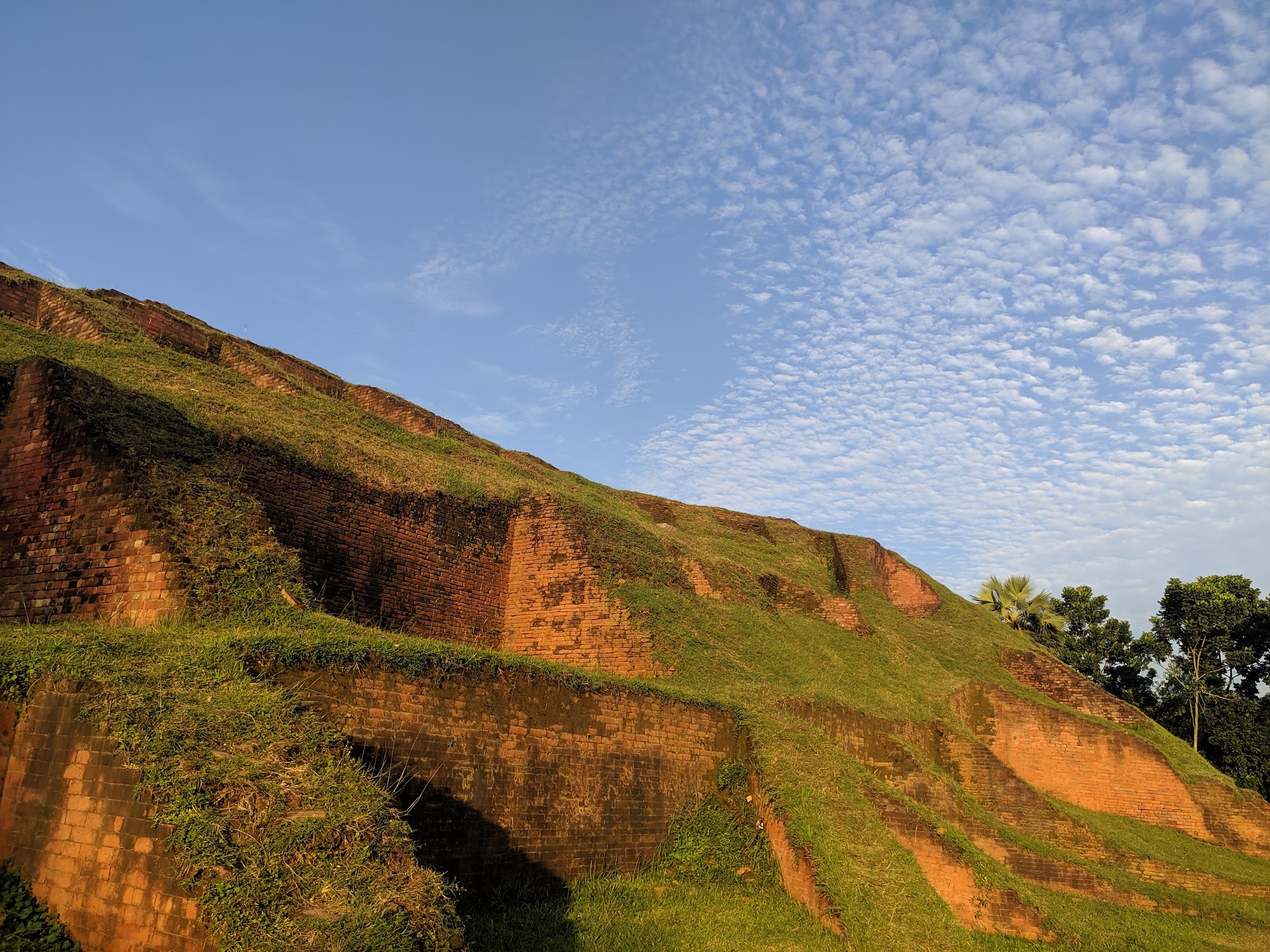
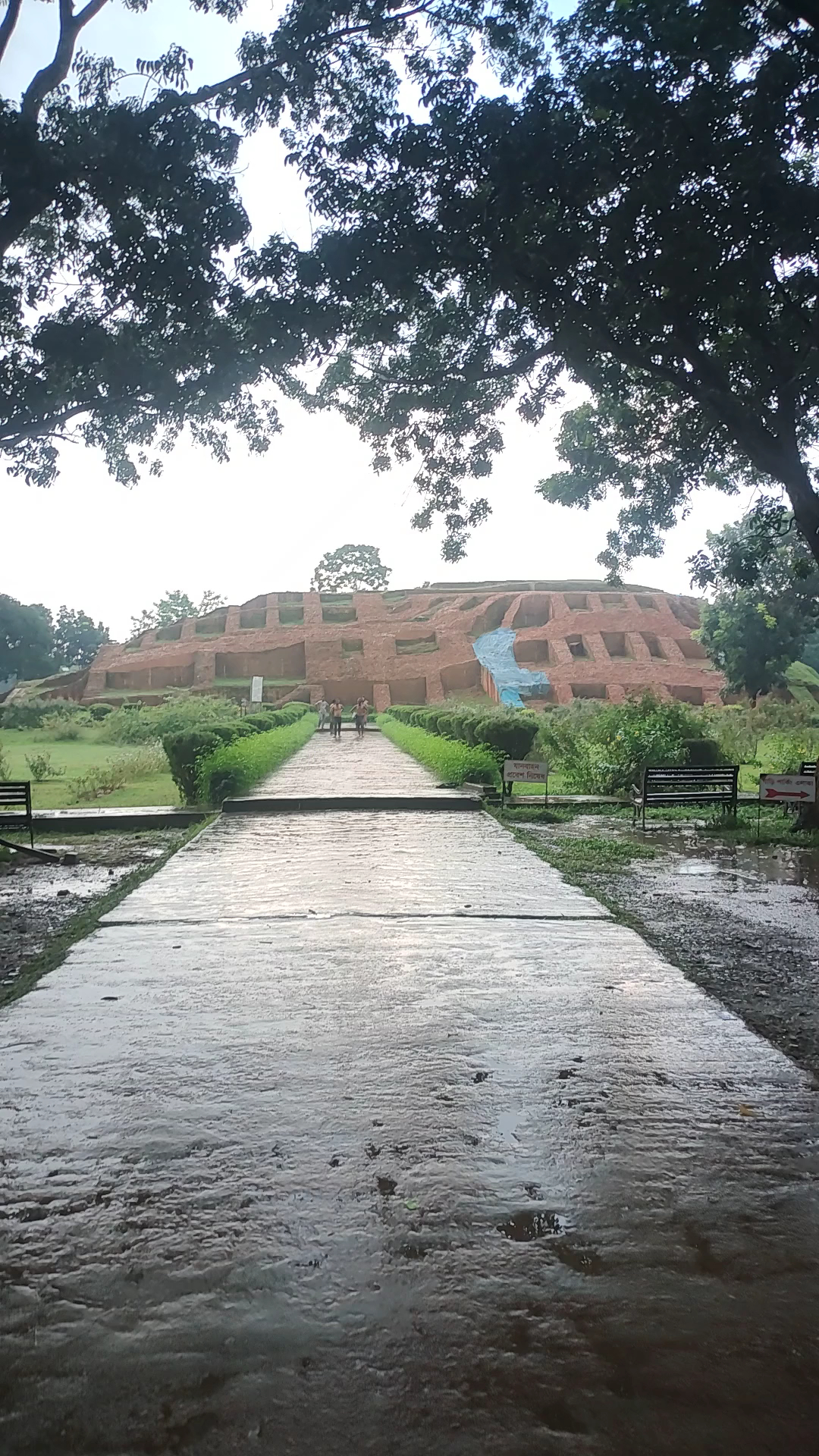
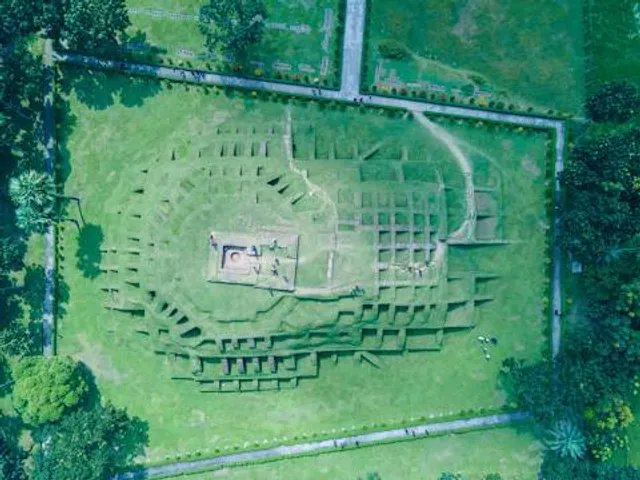
The mound is situated on the west of village Gokul which is about 2km to the southwest of Mahasthangarh. It was excavated in 1934-36 and has revealed the derelict relics of a temple. The remarkable feature of this temple is its high plinth accommodating 172 rectangular blind cells of various dimensions. They rise in tiers and packed solidly with earth, so as to form a lofty massive podium, crowned originally either by a shrine or a stupa, now lost.

This novel device, functionally comparable to our modern piling system, liberally used in Bengal during five centuries preceding the Muslim conquest, was found particularly suitable for the alluvial soil of Bengal by the builders to erect their sacred buildings to an imposing height much above the flood level. However, the cellular construction is not confined to Bengal only but parallel examples occur far to the west at Ahichhatra in the Bereilly district of U.P.

Terracotta plaques and other associated objects unearthed during the excavation, which are ascribed to the late Gupta period (6th-7th century A.D.), indicate that originally this stupendous ruin at the Medh constituted an imposing terraced sub-structure of a roughly cruciform plan surmounted with a central shrine of complex outline, dedicated probably to the Buddhist Faith. Over the sub-structure is an octagonal plinth which, as mentioned, may originally have carried a stupa, but now completely gone. This stupa was replaced by a square shrine ( 8.17m square outside) and porch during the Sena period (11th-12th century A.D.).

A grand staircase on the west gave access to the shrine, but the doorway of the shrine and porch was later blocked and the floor level raised to an unknown height. The excavation inside the shrine revealed a small intrusive cell containing human skeleton-probably of an anchorite-and underlying that was found a circular brick-paved pit of 3.86m in diameter. A stone-slab of 51.2cm × 46.1cm was discovered at the center of the shrine which bore 12 shallow holes with a larger hole in the center containing a tiny gold left, about an inch square. However, nothing note worthy was discovered underneath...

   Read more
avatar
4.0
2y

"Behular Bashor Ghar" is a traditional folk narrative and cultural celebration in Bangladesh, primarily among the Bengali Hindu community. It's a significant part of the Bengali cultural heritage, often passed down through generations. This narrative is associated with the legend of Behula and her journey to bring her husband, Lakhindar, back to life.

Key features and aspects of Behular Bashor Ghar include:

Folk Narrative: Behular Bashor Ghar is a narrative of love, devotion, and resilience. It tells the story of Behula, a young bride, who embarks on a journey to rescue her husband's life after he dies from a snakebite on their wedding night.

Cultural Relevance: This narrative is an integral part of Bengali culture, particularly among the Hindu community. It is performed through songs, dances, and theatrical reenactments during various celebrations, such as weddings, fairs, and other cultural events.

Theatrical Performances: The story is often dramatized through traditional theatrical performances, where actors and dancers take on the roles of Behula, Lakhindar, and other characters. The performances are accompanied by live music and vibrant costumes.

Fairs and Festivals: Behular Bashor Ghar is a significant element of various fairs and festivals, such as the Rash Mela. These events feature processions, dance performances, and other cultural activities that celebrate the enduring love of Behula for her husband.

Devotional Elements: The narrative has a strong devotional aspect, as it emphasizes the power of love, faith, and perseverance. Behula's journey is seen as a symbol of devotion and the strength of a wife's commitment to her husband.

Social Bonding: The celebration of Behular Bashor Ghar provides an opportunity for communities to come together, strengthen social bonds, and preserve their cultural heritage. It is an occasion for sharing stories, songs, and traditions.

Cultural Preservation: Efforts have been made to preserve and promote Behular Bashor Ghar as part of Bangladesh's cultural heritage. Various cultural organizations and institutions work to document, showcase, and pass down this narrative to future generations.

Behular Bashor Ghar is not just a folk narrative; it's a cultural treasure that reflects the depth of Bengali traditions and values. It continues to be celebrated and cherished, serving as a reminder of the enduring power of love and devotion within the rich tapestry of...

   Read more

avatar
5.0
32w

Behular Bashor Ghor: A Journey into Myth and Ancient Architecture

Located in Gokul village, near Mahasthangarh in Bogura, Behular Bashor Ghor is a fascinating historical and mythological site that attracts both history lovers and folklore enthusiasts. This ancient structure is deeply tied to the legendary Bengali love story of Behula and Lakshindar, which is one of the most famous epics in Bengali culture.

The site, believed to be the wedding chamber of Behula and Lakshindar, is also known as Gokul Medh. The architectural remains at the site date back to between the 7th and 12th centuries CE, offering an exceptional example of ancient construction and design. The structure consists of a stepped pyramid-like formation, with numerous chambers connected in a remarkable layout, reflecting the advanced building techniques of the time.

Things to See and Do:

Stepped Pyramid Structure: Explore the impressive multi-tiered platform, featuring 172 interconnected chambers. These chambers represent the grandeur of ancient architecture and the rich cultural heritage of the region.

Bathing Area: Visit the 24-cornered bathhouse, a unique feature at the eastern end of the site. The well here is believed to have been used by Behula to purify herself after the death of her husband, Lakshindar, according to local legends.

Learn the Folklore: While walking through the site, you can immerse yourself in the rich history and myths surrounding Behula and Lakshindar, an integral part of Bengali folklore.

Best Time to Visit: The best time to visit Behular Bashor Ghor is between November and February when the weather is cooler, making it more comfortable for outdoor exploration.

How to Get There: The site is easily accessible from Bogura city by auto-rickshaw or private vehicle, located just 10 km north of the city.

Nearby Attractions:

Mahasthangarh: Visit the ancient ruins of Mahasthangarh, the capital of the Pundra Kingdom, located nearby.

Shah Sultan Balkhi Mahisawar Shrine: Explore the famous shrine of a local saint in the vicinity.

Whether you are a history buff, a folklore enthusiast, or a curious traveler seeking to explore the wonders of ancient Bangladesh, Behular Bashor Ghor is an unforgettable destination that beautifully blends mythology...

   Read more
Page 1 of 7
Previous
Next

Posts

Md ShahadatMd Shahadat
"Behular Bashor Ghar" is a traditional folk narrative and cultural celebration in Bangladesh, primarily among the Bengali Hindu community. It's a significant part of the Bengali cultural heritage, often passed down through generations. This narrative is associated with the legend of Behula and her journey to bring her husband, Lakhindar, back to life. Key features and aspects of Behular Bashor Ghar include: 1. **Folk Narrative**: Behular Bashor Ghar is a narrative of love, devotion, and resilience. It tells the story of Behula, a young bride, who embarks on a journey to rescue her husband's life after he dies from a snakebite on their wedding night. 2. **Cultural Relevance**: This narrative is an integral part of Bengali culture, particularly among the Hindu community. It is performed through songs, dances, and theatrical reenactments during various celebrations, such as weddings, fairs, and other cultural events. 3. **Theatrical Performances**: The story is often dramatized through traditional theatrical performances, where actors and dancers take on the roles of Behula, Lakhindar, and other characters. The performances are accompanied by live music and vibrant costumes. 4. **Fairs and Festivals**: Behular Bashor Ghar is a significant element of various fairs and festivals, such as the Rash Mela. These events feature processions, dance performances, and other cultural activities that celebrate the enduring love of Behula for her husband. 5. **Devotional Elements**: The narrative has a strong devotional aspect, as it emphasizes the power of love, faith, and perseverance. Behula's journey is seen as a symbol of devotion and the strength of a wife's commitment to her husband. 6. **Social Bonding**: The celebration of Behular Bashor Ghar provides an opportunity for communities to come together, strengthen social bonds, and preserve their cultural heritage. It is an occasion for sharing stories, songs, and traditions. 7. **Cultural Preservation**: Efforts have been made to preserve and promote Behular Bashor Ghar as part of Bangladesh's cultural heritage. Various cultural organizations and institutions work to document, showcase, and pass down this narrative to future generations. Behular Bashor Ghar is not just a folk narrative; it's a cultural treasure that reflects the depth of Bengali traditions and values. It continues to be celebrated and cherished, serving as a reminder of the enduring power of love and devotion within the rich tapestry of Bengali culture.
Navid Mustasim WrishuNavid Mustasim Wrishu
Behular Bashor Ghor: A Journey into Myth and Ancient Architecture Located in Gokul village, near Mahasthangarh in Bogura, Behular Bashor Ghor is a fascinating historical and mythological site that attracts both history lovers and folklore enthusiasts. This ancient structure is deeply tied to the legendary Bengali love story of Behula and Lakshindar, which is one of the most famous epics in Bengali culture. The site, believed to be the wedding chamber of Behula and Lakshindar, is also known as Gokul Medh. The architectural remains at the site date back to between the 7th and 12th centuries CE, offering an exceptional example of ancient construction and design. The structure consists of a stepped pyramid-like formation, with numerous chambers connected in a remarkable layout, reflecting the advanced building techniques of the time. Things to See and Do: Stepped Pyramid Structure: Explore the impressive multi-tiered platform, featuring 172 interconnected chambers. These chambers represent the grandeur of ancient architecture and the rich cultural heritage of the region. Bathing Area: Visit the 24-cornered bathhouse, a unique feature at the eastern end of the site. The well here is believed to have been used by Behula to purify herself after the death of her husband, Lakshindar, according to local legends. Learn the Folklore: While walking through the site, you can immerse yourself in the rich history and myths surrounding Behula and Lakshindar, an integral part of Bengali folklore. Best Time to Visit: The best time to visit Behular Bashor Ghor is between November and February when the weather is cooler, making it more comfortable for outdoor exploration. How to Get There: The site is easily accessible from Bogura city by auto-rickshaw or private vehicle, located just 10 km north of the city. Nearby Attractions: Mahasthangarh: Visit the ancient ruins of Mahasthangarh, the capital of the Pundra Kingdom, located nearby. Shah Sultan Balkhi Mahisawar Shrine: Explore the famous shrine of a local saint in the vicinity. Whether you are a history buff, a folklore enthusiast, or a curious traveler seeking to explore the wonders of ancient Bangladesh, Behular Bashor Ghor is an unforgettable destination that beautifully blends mythology with history.
Md Amirul IslamMd Amirul Islam
Behular Bashor Ghor is a site excavated in Gokul village under Sadar thana of Bogra (Bogra) which is known as Gokul Medh. Gokul village is situated half a kilometer south of Mahasthangarh. The site is popularly known as the house of the famous Lok Gandhatha hero-heroine Behula-Laksmindar. This place is also known as Laksmindar. In 1934-36 excavation by NG Mazumdar found the foundation of a huge temple or a stupa. This foundation is built on a level-level basis for the construction of the staircase. In Behula Basor ghar, 172 rooms were filled with filling of soil in different areas, so that they were descended from top to bottom so that they could be used as the foundation of a high temple or a stack. This architectural structure of the architectural style of the ancient architecture of ancient Bangladesh is a significant architectural feature of the ancient architectural style on the parallel surface wall. There are several terracotta plaques in the next Gupta period (6-7th century) with this temple. A square temple with verandas built in the Sena period (11th-12th century) was built here. In this temple, a gold plate inscribed with a small stone fragment of bulls, found in the temple. From this it is assumed that it was a Shiva temple. Behula Basor Ghar is an unimaginable monument. According to current researchers, a monument of Devampur 809 to 847 AD has been made by Devapala. This stupa is not basor ghar. Basharghar's proverb memorial is in the middle of this stupa. In the east there is a bathroom similar to a 24-carved quartette. There was a well 8 feet deep in the bathroom. It has been said that after the arrival of Behula Lakhindar Madhu, he would be able to get the purity in the well after bathing in the well maintained water. You can return to the idle house by returning to Mahasthangarh in Bogra.
See more posts
See more posts
hotel
Find your stay

Pet-friendly Hotels in Bogura

Find a cozy hotel nearby and make it a full experience.

"Behular Bashor Ghar" is a traditional folk narrative and cultural celebration in Bangladesh, primarily among the Bengali Hindu community. It's a significant part of the Bengali cultural heritage, often passed down through generations. This narrative is associated with the legend of Behula and her journey to bring her husband, Lakhindar, back to life. Key features and aspects of Behular Bashor Ghar include: 1. **Folk Narrative**: Behular Bashor Ghar is a narrative of love, devotion, and resilience. It tells the story of Behula, a young bride, who embarks on a journey to rescue her husband's life after he dies from a snakebite on their wedding night. 2. **Cultural Relevance**: This narrative is an integral part of Bengali culture, particularly among the Hindu community. It is performed through songs, dances, and theatrical reenactments during various celebrations, such as weddings, fairs, and other cultural events. 3. **Theatrical Performances**: The story is often dramatized through traditional theatrical performances, where actors and dancers take on the roles of Behula, Lakhindar, and other characters. The performances are accompanied by live music and vibrant costumes. 4. **Fairs and Festivals**: Behular Bashor Ghar is a significant element of various fairs and festivals, such as the Rash Mela. These events feature processions, dance performances, and other cultural activities that celebrate the enduring love of Behula for her husband. 5. **Devotional Elements**: The narrative has a strong devotional aspect, as it emphasizes the power of love, faith, and perseverance. Behula's journey is seen as a symbol of devotion and the strength of a wife's commitment to her husband. 6. **Social Bonding**: The celebration of Behular Bashor Ghar provides an opportunity for communities to come together, strengthen social bonds, and preserve their cultural heritage. It is an occasion for sharing stories, songs, and traditions. 7. **Cultural Preservation**: Efforts have been made to preserve and promote Behular Bashor Ghar as part of Bangladesh's cultural heritage. Various cultural organizations and institutions work to document, showcase, and pass down this narrative to future generations. Behular Bashor Ghar is not just a folk narrative; it's a cultural treasure that reflects the depth of Bengali traditions and values. It continues to be celebrated and cherished, serving as a reminder of the enduring power of love and devotion within the rich tapestry of Bengali culture.
Md Shahadat

Md Shahadat

hotel
Find your stay

Affordable Hotels in Bogura

Find a cozy hotel nearby and make it a full experience.

Get the Appoverlay
Get the AppOne tap to find yournext favorite spots!
Behular Bashor Ghor: A Journey into Myth and Ancient Architecture Located in Gokul village, near Mahasthangarh in Bogura, Behular Bashor Ghor is a fascinating historical and mythological site that attracts both history lovers and folklore enthusiasts. This ancient structure is deeply tied to the legendary Bengali love story of Behula and Lakshindar, which is one of the most famous epics in Bengali culture. The site, believed to be the wedding chamber of Behula and Lakshindar, is also known as Gokul Medh. The architectural remains at the site date back to between the 7th and 12th centuries CE, offering an exceptional example of ancient construction and design. The structure consists of a stepped pyramid-like formation, with numerous chambers connected in a remarkable layout, reflecting the advanced building techniques of the time. Things to See and Do: Stepped Pyramid Structure: Explore the impressive multi-tiered platform, featuring 172 interconnected chambers. These chambers represent the grandeur of ancient architecture and the rich cultural heritage of the region. Bathing Area: Visit the 24-cornered bathhouse, a unique feature at the eastern end of the site. The well here is believed to have been used by Behula to purify herself after the death of her husband, Lakshindar, according to local legends. Learn the Folklore: While walking through the site, you can immerse yourself in the rich history and myths surrounding Behula and Lakshindar, an integral part of Bengali folklore. Best Time to Visit: The best time to visit Behular Bashor Ghor is between November and February when the weather is cooler, making it more comfortable for outdoor exploration. How to Get There: The site is easily accessible from Bogura city by auto-rickshaw or private vehicle, located just 10 km north of the city. Nearby Attractions: Mahasthangarh: Visit the ancient ruins of Mahasthangarh, the capital of the Pundra Kingdom, located nearby. Shah Sultan Balkhi Mahisawar Shrine: Explore the famous shrine of a local saint in the vicinity. Whether you are a history buff, a folklore enthusiast, or a curious traveler seeking to explore the wonders of ancient Bangladesh, Behular Bashor Ghor is an unforgettable destination that beautifully blends mythology with history.
Navid Mustasim Wrishu

Navid Mustasim Wrishu

hotel
Find your stay

The Coolest Hotels You Haven't Heard Of (Yet)

Find a cozy hotel nearby and make it a full experience.

hotel
Find your stay

Trending Stays Worth the Hype in Bogura

Find a cozy hotel nearby and make it a full experience.

Behular Bashor Ghor is a site excavated in Gokul village under Sadar thana of Bogra (Bogra) which is known as Gokul Medh. Gokul village is situated half a kilometer south of Mahasthangarh. The site is popularly known as the house of the famous Lok Gandhatha hero-heroine Behula-Laksmindar. This place is also known as Laksmindar. In 1934-36 excavation by NG Mazumdar found the foundation of a huge temple or a stupa. This foundation is built on a level-level basis for the construction of the staircase. In Behula Basor ghar, 172 rooms were filled with filling of soil in different areas, so that they were descended from top to bottom so that they could be used as the foundation of a high temple or a stack. This architectural structure of the architectural style of the ancient architecture of ancient Bangladesh is a significant architectural feature of the ancient architectural style on the parallel surface wall. There are several terracotta plaques in the next Gupta period (6-7th century) with this temple. A square temple with verandas built in the Sena period (11th-12th century) was built here. In this temple, a gold plate inscribed with a small stone fragment of bulls, found in the temple. From this it is assumed that it was a Shiva temple. Behula Basor Ghar is an unimaginable monument. According to current researchers, a monument of Devampur 809 to 847 AD has been made by Devapala. This stupa is not basor ghar. Basharghar's proverb memorial is in the middle of this stupa. In the east there is a bathroom similar to a 24-carved quartette. There was a well 8 feet deep in the bathroom. It has been said that after the arrival of Behula Lakhindar Madhu, he would be able to get the purity in the well after bathing in the well maintained water. You can return to the idle house by returning to Mahasthangarh in Bogra.
Md Amirul Islam

Md Amirul Islam

See more posts
See more posts