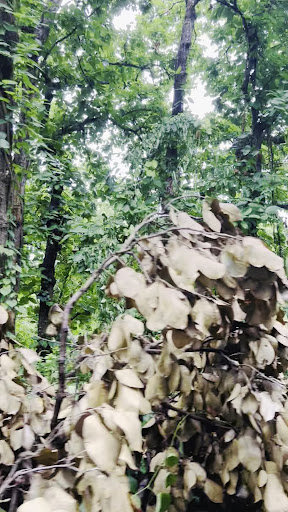
Bhawal National Park is one of the most important national parks in Bangladesh. The park is located in Gazipur Sadar and Sripur upazila of Gazipur district, about 4 km north of the capital Dhaka. According to the Bangladesh Wildlife Conservation Act (1974), the government of Bangladesh built this garden in Bhawal Shalban in the mold of the sanctuary in the form of other developed countries of the world, covering 5,222 hectares land. It was not officially declared a national park before 1982. Once upon a time there were tigers, blackfish, leopards, cloudy leopards, elephants, peacocks, maya deer and sambar deer. In the 7th year, the forest has seen snakes such as khanksiyal, baghdas, beji, kathibiri, guisap and several species. According to one estimate, the Bhawal is built on an average of 3 species of animals, including 3 species of mammals, 3 species of reptiles, 3 species of amphibians and 3 species of birds. The forest department has left the dragon, peacock, deer and raven in the forest. In addition, there were 5 inspectors in Bhawal National Park. Bhawal National Park is mainly a tropical falling forest forest. There are 224 species of plants in this forest, of which 26 species of shrubs, 21 species of grasses, 5 species of shrubs, 5 species of herbs, 5 species of shrubs, 3 species of trees. Shawl, the main tree of the garden in (Shorea robusta). Among other trees, jackfruit, ajuli, kumbi, Gandhi gajari etc. are notable. In addition to this forest artificial eucalyptus and rubber have been made. Bhawal National Park is an attractive tourist destination of Bangladesh. There are several picnic spots here. The spots are: Joy, Kanchan, Sonalu, Vacation, Leisure, Entertainment. The cottages here are: Bakul, Malanch, Madhvi, Chameli, Bailey, Jasmine etc. There are 3 cottages and 4 resthouses. Night accommodations are not allowed here. In order to use a picnic spot or rest house, you have to book in advance from the forest department's Mohakhali office. Entry fee to Bhawal National Park is 1 taka. About 100,000 tourists visit the country every year.
āĻāĻžāĻāϝāĻŧāĻžāϞ āĻāĻžāϤā§āϝāĻŧ āĻāĻĻā§āϝāĻžāύ āĻŦāĻžāĻāϞāĻžāĻĻā§āĻļā§āϰ āĻāĻāĻāĻŋ āĻ āύā§āϝāϤāĻŽ āĻā§āϰā§āϤā§āĻŦāĻĒā§āϰā§āĻŖ āĻāĻžāϤā§āϝāĻŧ āĻāĻĻā§āϝāĻžāύāĨ¤ āĻāĻ āĻāĻĻā§āϝāĻžāύāĻāĻŋ āϰāĻžāĻāϧāĻžāύ⧠āĻĸāĻžāĻāĻž āĻĨā§āĻā§ āĻāϤā§āϤāϰ⧠āĻĒā§āϰāĻžāϝāĻŧ ā§Ēā§Ļ āĻāĻŋāϞā§āĻŽāĻŋāĻāĻžāϰ āĻĻā§āϰ⧠āĻāĻžāĻā§āĻĒā§āϰ āĻā§āϞāĻžāϰ āĻāĻžāĻā§āĻĒā§āϰ āϏāĻĻāϰ āĻ āĻļā§āϰā§āĻĒā§āϰ āĻāĻĒāĻā§āϞāĻžāϝāĻŧ āĻ āĻŦāϏā§āĻĨāĻŋāϤāĨ¤ āĻŦāĻžāĻāϞāĻžāĻĻā§āĻļ āϏāϰāĻāĻžāϰ ⧧⧝ā§ā§Ē āϏāĻžāϞ⧠āĻŦāĻžāĻāϞāĻžāĻĻā§āĻļ āĻŦāύā§āϝāĻĒā§āϰāĻžāĻŖā§ āϏāĻāϰāĻā§āώāĻŖ āĻāĻāύ (⧧⧝ā§ā§Ē) āĻ āύā§āϝāĻžāϝāĻŧā§ ā§Ģ,ā§Ļ⧍⧍ āĻšā§āĻā§āĻāϰ āĻāĻžāϝāĻŧāĻāĻž āĻā§āĻĄāĻŧā§ āĻĒā§āĻĨāĻŋāĻŦā§āϰ āĻ āύā§āϝāĻžāύā§āϝ āĻāύā§āύāϤ āĻĻā§āĻļā§āϰ āĻāĻĻāϞ⧠āĻ āĻāϝāĻŧāĻžāϰāĻŖā§āϝā§āϰ āĻāĻžāĻāĻā§ āĻāĻžāĻāϝāĻŧāĻžāϞ āĻļāĻžāϞāĻŦāύ⧠āĻāĻ āĻāĻĻā§āϝāĻžāύ āĻāĻĄāĻŧā§ āϤā§āϞā§āĨ¤ ā§§ā§¯ā§Žā§¨ āϏāĻžāϞā§āϰ āĻāĻā§ āĻāĻāĻŋ āĻāύā§āώā§āĻ āĻžāύāĻŋāĻāĻāĻžāĻŦā§ āĻāĻžāϤā§āϝāĻŧ āĻāĻĻā§āϝāĻžāύ āĻšāĻŋāϏā§āĻŦā§ āĻā§āώāĻŋāϤ āĻšāϝāĻŧāύāĻŋāĨ¤
āĻāĻāĻžāύ⧠āĻāĻāϏāĻŽāϝāĻŧ āĻŦāĻžāĻ, āĻāĻžāϞā§āĻāĻŋāϤāĻž, āĻāĻŋāϤāĻžāĻŦāĻžāĻ, āĻŽā§āĻāϞāĻž āĻāĻŋāϤāĻž, āĻšāĻžāϤāĻŋ, āĻŽāϝāĻŧā§āϰ, āĻŽāĻžāϝāĻŧāĻž āĻšāϰāĻŋāĻŖ āĻ āϏāĻŽā§āĻŦāϰ āĻšāϰāĻŋāĻŖ āĻĻā§āĻāĻž āϝā§āϤāĨ¤ ā§§ā§¯ā§Žā§Ģ āϏāĻžāϞ⧠āĻ āĻŦāύ⧠āĻā§āĻāĻāĻļāĻŋāϝāĻŧāĻžāϞ, āĻŦāĻžāĻāĻĄāĻžāϏ, āĻŦā§āĻā§, āĻāĻžāĻ āĻŦāĻŋāĻĄāĻŧāĻžāϞā§, āĻā§āĻāĻāϏāĻžāĻĒ āĻāϰ āĻāϝāĻŧā§āĻ āĻĒā§āϰāĻāĻžāϤāĻŋāϰ āϏāĻžāĻĒ āĻĻā§āĻāĻž āĻā§āĻā§āĨ¤ āĻāĻāĻāĻŋ āĻšāĻŋāϏāĻžāĻŦ āĻ āύā§āϝāĻžāϝāĻŧā§, āĻāĻžāĻāϝāĻŧāĻžāϞ āĻāĻĄāĻŧā§ ā§Ŧā§Ē āĻĒā§āϰāĻāĻžāϤāĻŋāϰ āĻĒā§āϰāĻžāĻŖā§ āϰāϝāĻŧā§āĻā§ āϝāĻžāϰ āĻŽāϧā§āϝ⧠ā§Ŧ āĻĒā§āϰāĻāĻžāϤāĻŋāϰ āϏā§āϤāύā§āϝāĻĒāĻžāϝāĻŧā§, ⧝ āĻĒā§āϰāĻāĻžāϤāĻŋāϰ āϏāϰā§āϏā§āĻĒ, ā§§ā§Ļ āĻĒā§āϰāĻāĻžāϤāĻŋāϰ āĻāĻāĻāϰ āĻ ā§Šā§¯ āĻĒā§āϰāĻāĻžāϤāĻŋāϰ āĻĒāĻžāĻāĻŋ āϰāϝāĻŧā§āĻā§āĨ¤ āĻŦāύāĻŦāĻŋāĻāĻžāĻ āĻ āĻŦāύ⧠āĻ āĻāĻāϰ, āĻŽāϝāĻŧā§āϰ, āĻšāϰāĻŋāĻŖ āĻ āĻŽā§āĻā§āĻŦāĻžāĻ āĻā§āĻĄāĻŧā§āĻā§āĨ¤ āĻāĻāĻžāĻĄāĻŧāĻž ⧍ā§Ļ⧧⧍ āϏāĻžāϞ⧠āĻāĻžāĻāϝāĻŧāĻžāϞ āĻāĻžāϤā§āϝāĻŧ āĻāĻĻā§āϝāĻžāύ⧠⧧ā§ŦāĻāĻŋ āϤāĻā§āώāĻ āĻāĻžāĻĄāĻŧāĻž āĻšāϝāĻŧāĨ¤ āĻāĻžāĻāϝāĻŧāĻžāϞ āĻāĻžāϤā§āϝāĻŧ āĻāĻĻā§āϝāĻžāύ āĻŽā§āϞāϤ āĻā§āϰāĻžāύā§āϤā§āϝāĻŧ āĻĒāϤāύāĻļā§āϞ āĻĒāϤā§āϰāϝā§āĻā§āϤ āĻŦā§āĻā§āώā§āϰ āĻŦāύāĻā§āĻŽāĻŋāĨ¤ āĻ āĻŦāύ⧠⧍⧍⧧ āĻĒā§āϰāĻāĻžāϤāĻŋāϰ āĻāĻĻā§āĻāĻŋāĻĻ āϰāϝāĻŧā§āĻā§ āϝāĻžāϰ āĻŽāϧā§āϝ⧠⧍ā§Ē āĻĒā§āϰāĻāĻžāϤāĻŋāϰ āϞāϤāĻž, ⧍⧠āĻĒā§āϰāĻāĻžāϤāĻŋāϰ āϤā§āĻŖ, ā§Š āĻĒā§āϰāĻāĻžāϤāĻŋāϰ āĻĒāĻžāĻŽāĻāĻžāϤā§āϝāĻŧ āĻŦā§āĻā§āώ, ā§§ā§Ļā§Ģ āĻĒā§āϰāĻāĻžāϤāĻŋāϰ āĻāώāϧāĻŋ, ⧧⧝ āĻĒā§āϰāĻāĻžāϤāĻŋāϰ āĻā§āϞā§āĻŽ, ā§Ēā§Š āĻĒā§āϰāĻāĻžāϤāĻŋāϰ āĻŦā§āĻā§āώāĨ¤ āĻļāĻžāϞ, (Shorea robusta) āĻ āĻāĻĻā§āϝāĻžāύā§āϰ āĻĒā§āϰāϧāĻžāύ āĻŦā§āĻā§āώāĨ¤ āĻ āύā§āϝāĻžāύā§āϝ āĻŦā§āĻā§āώā§āϰ āĻŽāϧā§āϝ⧠āĻāĻžāĻāĻ āĻžāϞ, āĻāĻā§āϞāĻŋ, āĻā§āĻŽā§āĻā§, āĻāĻžāύā§āϧ⧠āĻāĻāĻžāϰāĻŋ āĻāϤā§āϝāĻžāĻĻāĻŋ āĻāϞā§āϞā§āĻāϝā§āĻā§āϝāĨ¤ āĻāĻāĻžāĻĄāĻŧāĻž āĻ āĻŦāύ⧠āĻā§āϤā§āϰāĻŋāĻŽāĻāĻžāĻŦā§ āĻāĻāĻā§āϝāĻžāϞāĻŋāĻĒāĻāĻžāϏ āĻāϰ āϰāĻžāĻŦāĻžāϰā§āϰ āĻŦāύāĻžāϝāĻŧāύ āĻāϰāĻž āĻšāϝāĻŧā§āĻā§āĨ¤ āĻāĻžāĻāϝāĻŧāĻžāϞ āĻāĻžāϤā§āϝāĻŧ āĻāĻĻā§āϝāĻžāύ āĻŦāĻžāĻāϞāĻžāĻĻā§āĻļā§āϰ āĻāĻāϰā§āώāĻŖā§āϝāĻŧ āĻāĻāĻāĻŋ āĻĒāϰā§āϝāĻāύ āĻā§āύā§āĻĻā§āϰāĨ¤ āĻāĻāĻžāύ⧠āĻŦā§āĻļ āĻāϝāĻŧā§āĻāĻāĻŋ āĻĒāĻŋāĻāύāĻŋāĻ āϏā§āĻĒāĻ āϰāϝāĻŧā§āĻā§āĨ¤ āϏā§āĻĒāĻāĻā§āϞā§āϰ āĻšāϞā§: āĻāύāύā§āĻĻ, āĻāĻžāĻā§āĻāύ, āϏā§āύāĻžāϞā§, āĻ āĻŦāĻāĻžāĻļ, āĻ āĻŦāϏāϰ, āĻŦāĻŋāύā§āĻĻāύāĨ¤ āĻāĻāĻžāύāĻāĻžāϰ āĻāĻā§āĻāĻā§āϞ⧠āĻšāϞā§: āĻŦāĻā§āϞ, āĻŽāĻžāϞāĻā§āĻ, āĻŽāĻžāϧāĻŦāĻŋ, āĻāĻžāĻŽā§āϞā§, āĻŦā§āϞā§, āĻā§āĻāĻ āĻāϤā§āϝāĻžāĻĻāĻŋāĨ¤ āĻāĻāĻžāĻ¨ā§ ā§§ā§ŠāĻāĻŋ āĻāĻā§āĻ āĻ ā§ŦāĻāĻŋ āϰā§āϏā§āĻāĻšāĻžāĻāĻ āϰāϝāĻŧā§āĻā§āĨ¤ āϰāĻžāϤā§āϰāĻŋ āϝāĻžāĻĒāύā§āϰ āĻāύā§āϝ āĻāĻāĻžāύ⧠āĻ āύā§āĻŽāϤāĻŋ āĻĻā§āĻāϝāĻŧāĻž āĻšāϝāĻŧ āύāĻžāĨ¤ āĻĒāĻŋāĻāύāĻŋāĻ āϏā§āĻĒāĻ āĻāĻŋāĻāĻŦāĻž āϰā§āϏā§āĻ āĻšāĻžāĻāϏ āĻŦā§āϝāĻŦāĻšāĻžāϰ āĻāϰāϤ⧠āĻšāϞ⧠āĻŦāύ āĻŦāĻŋāĻāĻžāĻā§āϰ āĻŽāĻšāĻžāĻāĻžāϞ⧠āĻāĻžāϰā§āϝāĻžāϞāϝāĻŧ āĻĨā§āĻā§ āĻāĻāĻžāĻŽ āĻŦā§āĻāĻŋāĻ āĻĻāĻŋāϤ⧠āĻšāϝāĻŧāĨ¤ āĻāĻžāĻāϝāĻŧāĻžāϞ āĻāĻžāϤā§āϝāĻŧ āĻāĻĻā§āϝāĻžāύ⧠āĻĒā§āϰāĻŦā§āĻļ āĻĢāĻŋ ā§§ā§Ļ āĻāĻžāĻāĻžāĨ¤ āĻĒā§āϰāϤāĻŋāĻŦāĻāϰ āĻĒā§āϰāĻžāϝāĻŧ ā§§ā§Ģ,ā§Ļā§Ļ,ā§Ļā§Ļā§Ļ āĻĻā§āĻļā§-āĻŦāĻŋāĻĻā§āĻļā§ āĻĒāϰā§āϝāĻāĻ āĻāĻāĻžāύā§...
   Read moreBhawal National Park is a nature reserve and the national park of Bangladesh. One of the most attractive picnic spots in Gazipur. This National Park covers an interesting tourist destination. There is a Playground for sports stars.
There is also a zoo here. Sal is the original plant in Bhawal. Also in the park is full of the various tree. Here are several picnic spots. Like: Anando, Kanchan, Sonalu, Abakash, Aboshor, Binodon.
There are 13 cottages and 6 rest house here. Like: Bakul, Maloncho, Madhabi, Cameli, Belly, Jasmin, etc.
This spot is not allowed to spend the night here. To use the picnic spot, you have to take advance booking from the forest department of Mohakhali office (02-8814700) in the park once we see tiger, leopard, meghabagha, elephants, peacocks and Sambar deer. Nearly 1,500,000 local and foreign tourists visited here.
History of Bhawal National Park: Bhawal National Park was established and maintained as a National Park in 1974; it was officially declared in 1982 under the wildlife Act of 1974. By origin, it was the forest of Madhupur under the rule of Bhawal Estate. It is located in Gazipur, Dhaka Division of Bangladesh, approximately 40 Km North of Dhaka city, only 20 km drive from Gazipur and 20 km from kapasia. The core area of the park covers 940 hectares but extends to 5022 ha of the surrounding forest.
Its purpose is to protect important habitats as well as to provide opportunities for recreation. It has been kept under IUCN Management Category V, as a protected landscape. The most common flora is the unique coppice sal forest. The area was noted for peacocks, tiger, leopard, Black Panther, elephant, clouded leopard, and sambar deer. However much of the wildlife had disappeared and only a few species remain. Also, most of the forest has been denuded and is now occupied by forestry companies or displaced people.
Most of this area was covered by forests fifty years ago and the dominant species was Sal (Shorea robusta). Illegal deforestation has left only 600 km of the forest and new trees and woodlands have been planted.
Bhawal National ParkTicket Price: The entry cost of Bhawal National Park is Tk. 6. Private cars or motorbuses will cost 30 taka and the entry fee for the minibusses 50 taka
Opening Hour of Bhawal National Park: Bhawal National Park is open on all weekdays between 8:00 AM to 5:00 PM. Thereâs no restriction and police are always there to protect general people.
Bhawal National Park Off Day: This National Park is open for 7 days and every day from the very morning to...
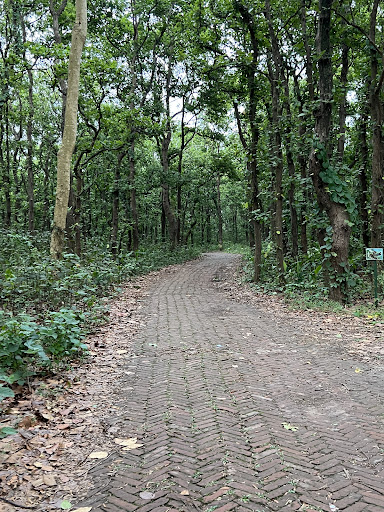
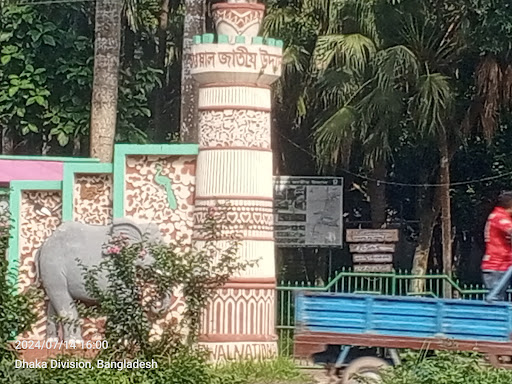
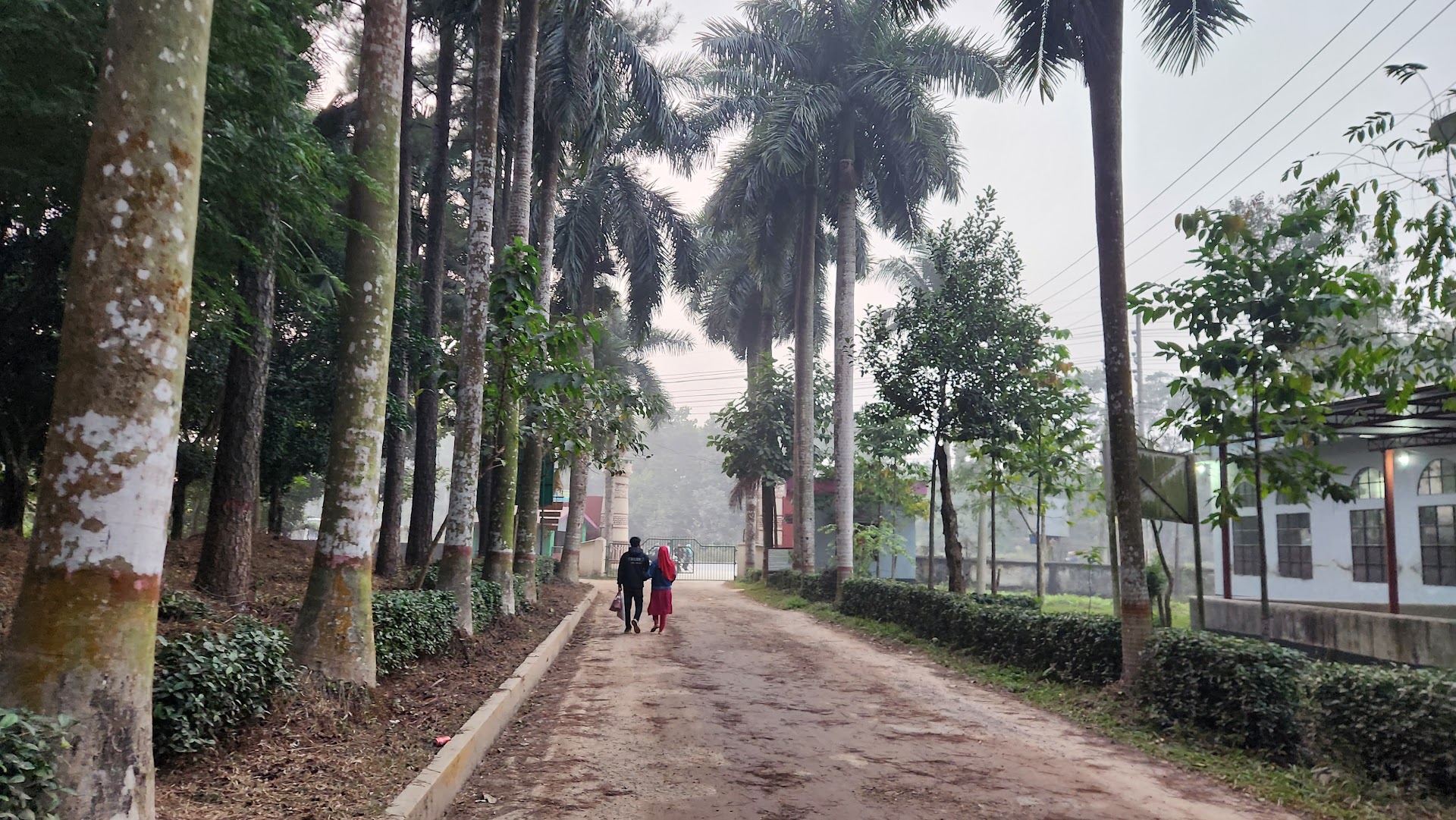
   Read moreLocated in the Bhawal National Park, about forty kilometers from Dhaka. The gardens of Gazipur district and Sripur upazilas are spread over the park. There are several gateways on the right hand side of the Joydebpur intersection to go some distance towards Moin Singh. There are several entrances, but the one at the right of the hand is the one that catches the eye. Two standing elephants on either side of the terraced gate at Terracotta - this is the main gate of Bhawal National Park. Bhawal National Park is mainly a tropical falling forest forest. Everywhere in this garden is covered with trees. The sidewalk is a walk in the middle of the tree. If you are tired of walking, have a seat or a tent for rest. Rice fields will be seen somewhere in the forest. Somewhere in the pond or the lake again.
Besides, there are six restrooms and cottages inside Bhawal National Park. Their names are also interesting. Champa, Jasmine, Orchid, Rajinigandha, Shapala, Malach, Golap, Madhvi, Bakul, Jasmine, Chameli, Bailey, Anand-1, Anand-2, Anand-2, Anranti-3, Shranti and Keya. In addition to the forest there are 3 forest center. These are: Sonalu, Palash, Kanchan, Mahua, Shimul-1, Shimul-2, Shuli-1, Shuli-2, Niribili-1, Niribili-2, Niribili-1, Niribili-1, Banasree-1, Banasree-2, Banasree- 3, Banasree-1, Banarupa-1, Banarupa-2, Banarupa-3, Kadam, Vacation-1, Vacation-2, Vacation-3, Vacation-3, Vacation-3, Vacation-1, Vacation-1, Vacation- 3, Vacation-3, Vacation-3 and Joy. They have a different environment than the names. In order to use a picnic spot or cottage, you have to book in advance from the Forest Department's Mohakhali office (12-5). Once upon a time Bhawal was found in the park, Black Panther, Cheetah Tiger, Peacock, Elephant. This is history now. Various wildlife have disappeared from the forest due to continuous deforestation. However, the government of Bangladesh took initiative to conserve this forest at a later time. In addition to other national parks of the world, the park was officially established in 5-6 hectares of land in 5-6 hectares. However, it was formally declared as a national park in...
   Read more