Madhupur, Tangail: The Land of Sal Forests & Pineapples
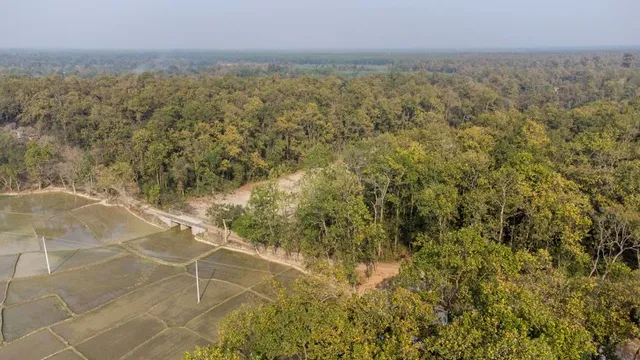
Madhupur, located in Tangail district, is famous for its lush sal forests, agricultural richness, and indigenous communities. It is home to the Madhupur National Park, one of the largest natural forests in Bangladesh, and is renowned for its pineapple and banana cultivation.
Natural Beauty & Wildlife
Madhupur National Park spans about 8,436 hectares, covered with sal (Shorea robusta) trees and diverse wildlife.
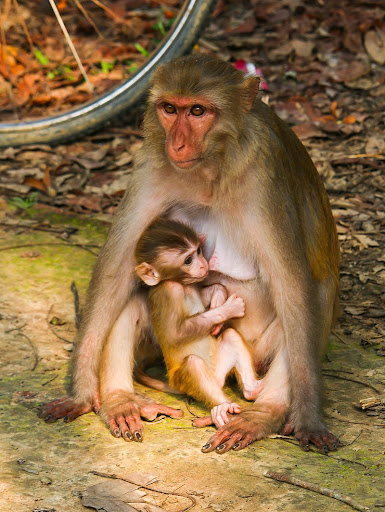
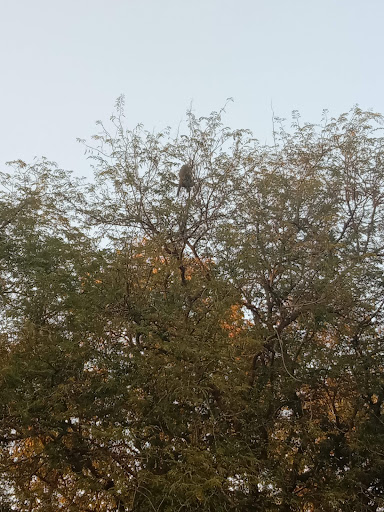
The forest is home to monkeys, deer, wild boars, and various bird species, making it a great spot for nature lovers and photographers.
The Madhupur Tract, a slightly elevated upland area, gives the region a unique geographical character.
Agricultural Significance
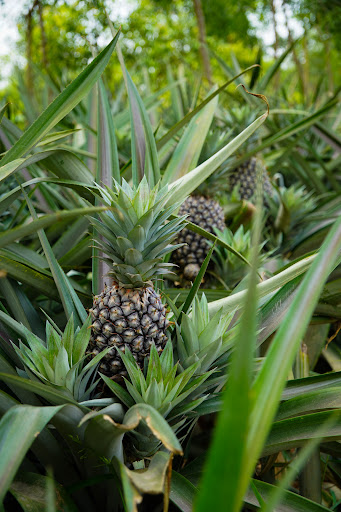
Known as Bangladesh’s Pineapple Capital, Madhupur produces some of the country’s sweetest pineapples.
The region is also famous for its banana, jackfruit, and rubber plantations.
Cultural & Indigenous Heritage
Home to the Garo and Koch indigenous communities, who have a rich cultural heritage.
The Garo people have unique traditions, and visitors can experience their traditional lifestyle and cuisine.
The region celebrates indigenous festivals, showcasing colorful dances and rituals.
Tourist Attractions & Activities
Madhupur National Park: Ideal for trekking, birdwatching, and exploring the forest.
Rasulpur Eco Park: A beautiful spot with picnic areas and scenic landscapes.
Indigenous Villages: Experience Garo culture, traditional food, and handicrafts.
Best Time to Visit
Winter (November–February) is the best season for visiting, as the weather is cooler and perfect for outdoor activities.
Madhupur is a hidden gem in Bangladesh, offering a mix of natural beauty, adventure, and cultural diversity, making it a must-visit destination...
Read moreMadhupur National Park one of the earliest national parks of Bangladesh. It is situated in a forest of large timber trees, about 125 km away from Dhaka on the Mymensingh-Tangail highway in the district of Tangail. The Department of forest administers this park. It was established in 1962 and now occupies a land area of 20,837 acres. Of its 176 botanical species, 73 are trees, 22 shrubs, 1 palm, 8 grasses, 27 climbers and 45 medicinal plants. Some species of foreign origin are also planted in this park. Once the Madhupur National Park was full of elephants, tigers, cheetahs, peacocks, and other wild animals. However, most of them are now extinct. At present, the Park has about 190 types of animals of which 21 are mammals, 140 birds and 29 snakes. Notables among them are entellus, monkeys, phantom deer, porcupines, wild pigs, and different types of birds.
This park is quite suitable as a tourist spot, as it has an ecological variety, indigenous peoples and enticing natural and scenic beauty. It has different facilities like rest houses, picnic spots, artificial lakes and other means of entertainment. The forest department in Tangail maintains an advanced booking system for the visitors to avail...
Read moreIt is located in Madhupur Upazila of Tangail, 125 km from the capital city Dhaka. On the way from Tangail district town to Mymensingh, at a place called Rasulpur Mazar, the main gate of Madhupur National Park can be seen on the left. The Madhupur National Park Range Office and the Assistant Conservator of Forests office are located next to the gate. From there, you have to get permission to enter the forest. According to the 1982 estimate, this park was spread over an area of 8,436 hectares. It has become much smaller than its previous size, according to many, it is almost half. This park is mainly made up of a small part of the extensive Sal forest.
Plant diversity: This park is adorned with various types of trees such as Sal, Bahera, Amalki, Halud, Amra, Jiga, Bhadi, Ashwath, Bat Sarpagandha, Shatamuli, Joyna, Bidha, Azuki/Hargaja, Behula etc. There are also various species of mountain potatoes, yams, and various unknown...
Read more