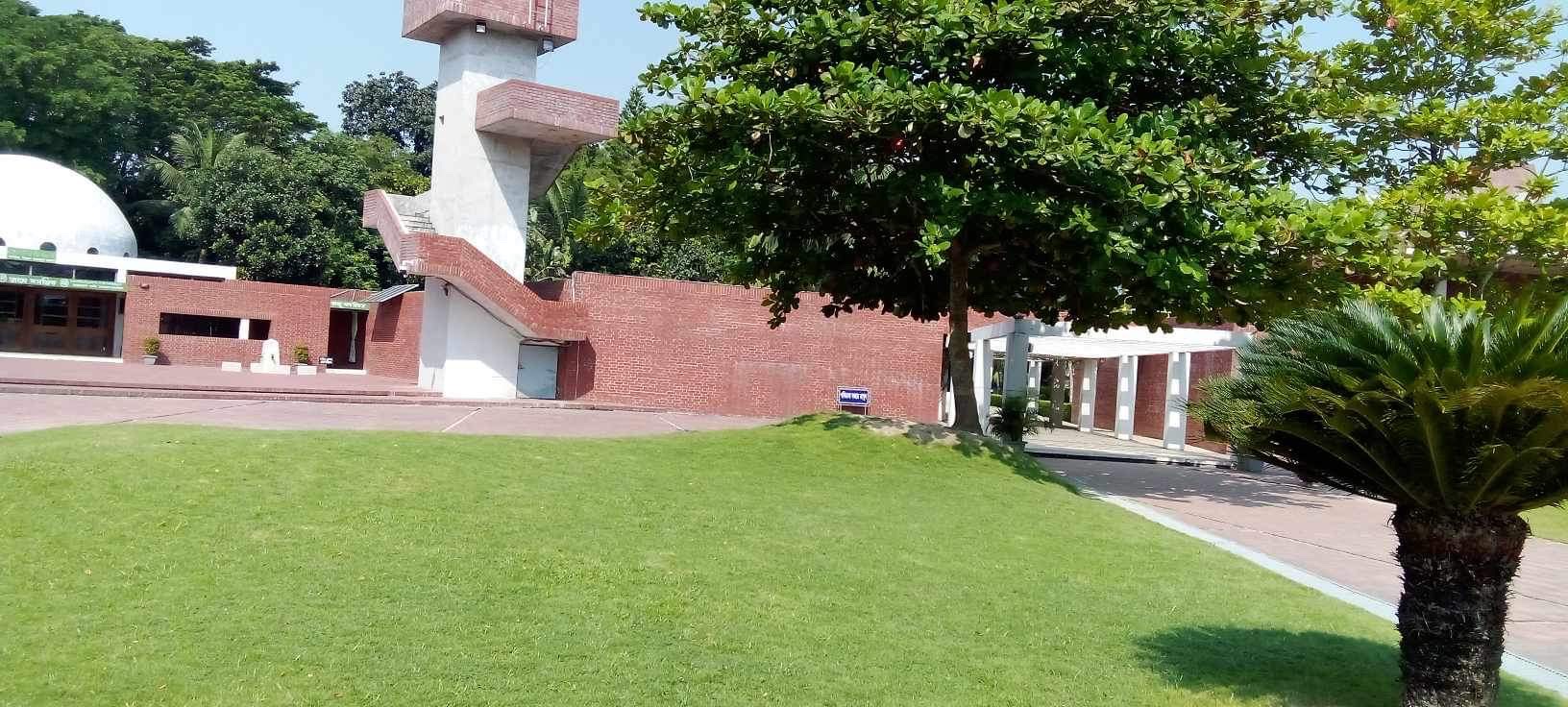
Tungipara under Gopalganj district is the birthplace of Bangabandhu Sheikh Mujibur Rahman. Here also lies Bangabandhu in peace. About 421 km away from Dhaka, this is an importance place. The Bangabandhu tomb is an important architecture in terms of deep respect as well as aesthetic and historic value.
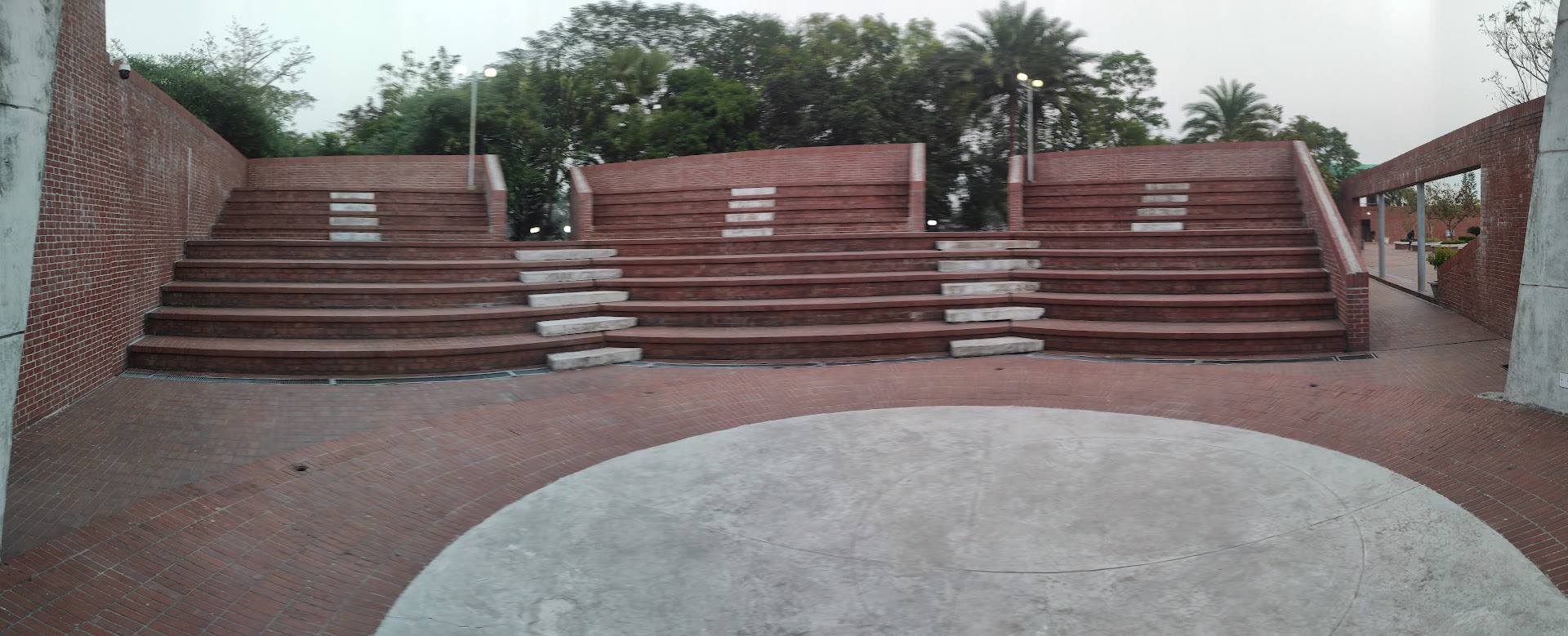
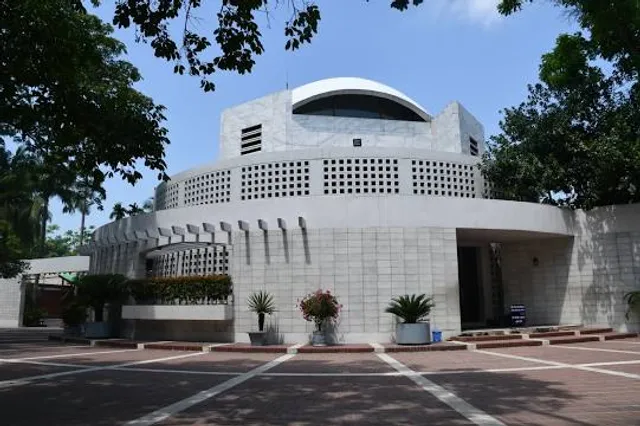
The objective of the design of tomb is to disseminate the philosophy and personality of Bangabandhu Sheikh Mujibur Rahman. It intends to convey the national history, culture and tradition of Bangladesh and in the process conveying the struggle for right and independence of the bereft nation inspiring the future generation to build a better future. The mausoleum complex is comprised of a museum, a library, temporary and permanent exhibition spaces, open-air theatre with green rooms, souvenir shops, a mosque, information center, security guard room and public plaza. In the museum, tourists will find many pictures of Bangabandhu Sheikh Mujibur Rahman. Inside the memorial, there is a paternal house filled with childhood memories of Bangabandhu. The house has now turned into a complex for the visitors and tourists to see some amazing childhood memories of this historical figure.
The entire project is built with exposed red bricks and fare face concrete representing the modesty in design approach. The plan integrated with surrounding landscape causing minimal disruption to the natural setting, as the design evolved from geographical context.
The grave of the Father of the Nation is covered under a nicely designed structure. Visitors are allowed to enter inside the structure. They need to abide by a few rules while entering into the tomb. Outside the wall of the tomb, there is a place for offering floral wreaths.
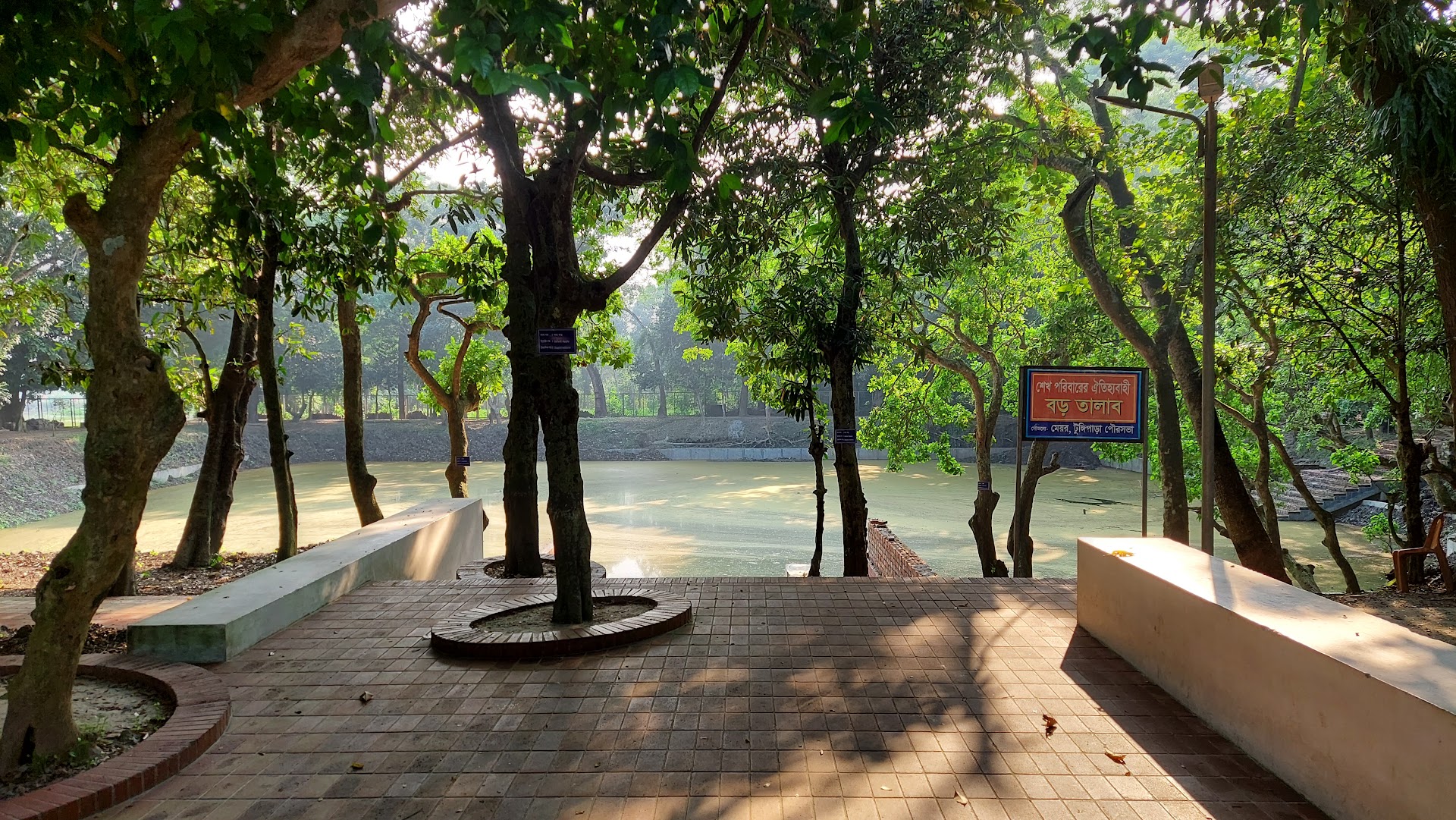
There are many large trees that make the place genuinely subliminal. The large trees with dark green leaves provide a relaxing shade for the tourists. Also there is a beautiful pond beside the mosque inside the memorial. The pond soothes the eyes of visitors by its tranquility. Tourists can sit beside the pond and relax for some time. Right on the left-hand side of the memorial there is a canteen where tourists can have their lunch or breakfast before starting the tour of the memorial.
There are many artificial small mounds made out of stone and gardens filled with artificial flowers just beside this house. There are benches all over the memorial for tourists to sit and relax. This place is truly an ideal place for tourists to visit and see the remains of some rare and up-close events of the excellent Bengali of all time.
At the frontier of the main entrance of the tomb the extensive croplands will seduce you immensely. The vastness and the beauty of the croplands will take your mind to the horizon and immerse you into a deep thought for a while. You can perceive the real beauty of Bangabandhu's Golden Bangla. Bangladesh Parjatan Corporation has established a motel at Tungipara just a few minutes away from the mausoleum. Tourists can nicely make overnight stay...
Read morethe founding leader of Bangladesh. He served twice as the country's President and was its strongman premier between 1972 and 1975. Rahman was the leader of the Awami League. He is popularly known as the Bangabandhu (Friend of Bengal). He is credited as the central figure in Bangladesh's liberation movement and is considered the founding father of Bangladesh. His daughter Sheikh Hasina is the current Prime Minister of Bangladesh.
An advocate of socialism, Rahman rose with the ranks of the Awami League and East Pakistani politics as a charismatic and forceful orator. He became popular for his opposition to the ethnic and institutional discrimination of Bengalis in Pakistan, who compromised the majority of the state's population. At the heightening of sectional tensions, he outlined a 6-point autonomy plan and was jailed by the regime of Field Marshal Ayub Khan for treason. Rahman led the Awami League to win the first democratic election of Pakistan in 1970. Despite gaining a majority, the League was not invited by the ruling military junta to form a government. As civil disobedience erupted across East Pakistan, Rahman announced the Bangladeshi struggle for independence during a landmark speech on 7 March 1971. On 26 March 1971, the Pakistan Army responded to the mass protests with Operation Searchlight, in which Prime Minister-elect Rahman was arrested and flown to solitary confinement in West Pakistan,[1] while Bengali civilians, students, intellectuals, politicians and military defectors were murdered as part of the 1971 Bangladesh genocide. After Bangladesh's liberation, Rahman was released from Pakistani custody and returned to Dhaka in January 1972.
Rahman became the Prime Minister of Bangladesh under a parliamentary system adopted by the new country. His government enacted a constitution proclaiming socialism and secular democracy. The Awami League won a huge mandate in the country's first general election in 1973. However, Rahman faced challenges of rampant unemployment, poverty and corruption. A famine took place in 1974. The government was criticized for denying constitutional recognition to indigenous minorities and human rights violations by its security forces, notably the National Defense Force paramilitia. Amid rising political agitation, Rahman initiated one party socialist rule in January 1975. Six months later, he and most of his family were assassinated by renegade army officers during a coup. A martial law government was...
Read moreThe Darkest Part in the History of Bangladesh: In the early morning of 15 August 1975, the conspirators were divided into four groups. One group, consisting of members of the Bengal Lancers of the First Armoured Division and 535 Infantry Division under Major Huda, attacked Mujibur's (Father of Nation) residence. Sukharanjan Dasgupta, correspondent for Anandabazar Patrika during the Liberation War and in Dhaka until 1974, writes in his book Midnight Massacre in Dacca that "the exact details of the massacre will always remain shrouded in mystery". He goes on to say, however, that the army platoon protecting the President's house offered no resistance. Sheikh Kamal, son of Mujib was shot at the reception area on the ground floor. Mujibur was asked to resign and allowed time to consider his position. He telephoned Colonel Jamil Uddin Ahmad, the new chief of Military Intelligence. When Jamil arrived and ordered the troops back to barracks, he was gunned down at the gate. Mujibur was shot and killed. Other occupants killed in the attack were Sheikh Fazilatunnesa Mujib, wife of Mujibur (killed upstairs); Sheikh Nasser, younger brother of Mujibur and a couple of servants (in the lavatories); Sheikh Jamal; 10-year-old Sheikh Russel; and two daughters-in-law of Mujibur. Two daughters, Sheikh Hasina and Sheikh Rehana, were in West Germany at that time. They took refuge with the Indian government and were flown to India. She lived in New Delhi, in a self-imposed exile. She returned to Bangladesh on 17 May 1981. Two other groups of soldiers killed Sheikh Fazlul Haque (Mani), Mujib's nephew and influential leader of the Awami League along with his pregnant wife at 13/1, Dhanmondi, and Abdur Rab Serniabat, Mujibur's brother-in-law, and a minister of the Government along with 13 family members at Mintu Road. The fourth and most powerful group was sent towards Savar to block the expected counter-attack by the Security Forces stationed there. After a brief fight and the loss of eleven men, the security forces surrendered. Four of the founding leaders of the Awami League, first Prime Minister of Bangladesh Tajuddin Ahmed, former Prime Minister Mansur Ali, former Vice-President Syed Nazrul Islam and former Home Minister A. H. M. Qamaruzzaman, were arrested. Three months later, on 3 November 1975, they were murdered in Dhaka...
Read more