HTML SitemapExplore

Zinda Park — Attraction in Dhaka Division

Name
Zinda Park
Description
Zinda Park or Oikotan Eco Resort is an amusement park and leisure center located in Narayanganj District of Bangladesh. The area of the park is 33 acres. The park is a tourist attraction of Narayanganj district.
Nearby attractions
Nearby restaurants
Nearby hotels
Related posts
Keywords
Zinda Park tourism.Zinda Park hotels.Zinda Park bed and breakfast. flights to Zinda Park.Zinda Park attractions.Zinda Park restaurants.Zinda Park travel.Zinda Park travel guide.Zinda Park travel blog.Zinda Park pictures.Zinda Park photos.Zinda Park travel tips.Zinda Park maps.Zinda Park things to do.
Zinda Park things to do, attractions, restaurants, events info and trip planning
Zinda Park
BangladeshDhaka DivisionZinda Park

Basic Info

Zinda Park

Zinda Park Rd, Dhaka 1460, Bangladesh
4.4(5K)
Open 24 hours
Save
spot

Ratings & Description

Info

Zinda Park or Oikotan Eco Resort is an amusement park and leisure center located in Narayanganj District of Bangladesh. The area of the park is 33 acres. The park is a tourist attraction of Narayanganj district.

Outdoor
Relaxation
Family friendly
attractions: , restaurants:
logoLearn more insights from Wanderboat AI.
Phone
+880 1716-260908
Website
zindapark.com

Plan your stay

hotel
Pet-friendly Hotels in Dhaka Division
Find a cozy hotel nearby and make it a full experience.
hotel
Affordable Hotels in Dhaka Division
Find a cozy hotel nearby and make it a full experience.
hotel
The Coolest Hotels You Haven't Heard Of (Yet)
Find a cozy hotel nearby and make it a full experience.
hotel
Trending Stays Worth the Hype in Dhaka Division
Find a cozy hotel nearby and make it a full experience.

Reviews

Get the Appoverlay
Get the AppOne tap to find yournext favorite spots!
Wanderboat LogoWanderboat

Your everyday Al companion for getaway ideas

CompanyAbout Us
InformationAI Trip PlannerSitemap
SocialXInstagramTiktokLinkedin
LegalTerms of ServicePrivacy Policy

Get the app

Š 2025 Wanderboat. All rights reserved.

Reviews of Zinda Park

4.4
(5,025)
avatar
5.0
2y

Zinda Park - An Enchanting Haven of Natural Beauty

Nestled near Purbachal, Zinda Park is an absolute gem that captivates visitors with its breathtaking natural wonders and untouched splendor. As a nature enthusiast, I recently had the pleasure of exploring this hidden paradise, and I must say that it left an indelible mark on my soul.

One of the most remarkable aspects of Zinda Park is its amazing natural beauty. As soon as you step foot into this sanctuary, you are greeted by lush greenery as far as the eye can see. Towering trees, vibrant flora, and the gentle rustling of leaves create a serene atmosphere that instantly transports you to a different world. It's a haven for nature lovers seeking solace and a much-needed break from the chaos of city life.

What sets Zinda Park apart is its raw, untouched beauty. Unlike many other tourist destinations that have been heavily commercialized, this park maintains its pristine charm. The authenticity and unspoiled allure of the place make it a true haven for those who yearn for a genuine forest experience. Every step you take within the park reveals new wonders, from hidden trails to picturesque streams that add a touch of magic to the surroundings.

The forest vibe at Zinda Park is truly enchanting. The cool, crisp air carries with it a sense of tranquility that instantly relaxes the mind and body. Walking along the winding paths, you can't help but feel a deep connection with nature. The symphony of bird songs that resonates through the air is nothing short of mesmerizing, and it serves as a constant reminder of the park's rich biodiversity.

Apart from its natural allure, Zinda Park also offers a delightful culinary experience. The food quality here is exceptional, with a wide range of options to satisfy all taste buds. From mouthwatering local delicacies to international cuisines, the park's eateries cater to every palate. Whether you prefer a hearty meal or a quick snack, you'll find the food to be both delicious and reasonably priced, adding to the overall appeal of the place.

Zinda Park's charming ambiance is another highlight worth mentioning. The park's design seamlessly blends with its surroundings, creating a harmonious environment that invites visitors to unwind and soak in the beauty around them. There are various seating areas scattered throughout the park, providing perfect spots to relax and bask in the serenity. Whether you're seeking solitude or quality time with loved ones, Zinda Park offers an idyllic setting for both.

In conclusion, Zinda Park is a haven for nature enthusiasts and those seeking respite from the hustle and bustle of city life. Its breathtaking natural beauty, raw charm, forest vibes, and soothing ambiance make it a true sanctuary. With its excellent food quality, reasonable prices, and enriching experience, Zinda Park is an ideal destination for a day trip or a weekend getaway. It's a place where you can immerse yourself in the raw beauty of the forest, listen to the melodic symphony of birdsong, and truly reconnect...

   Read more
avatar
5.0
51w

Exploring Zinda Park in Narayanganj: A Green Oasis Near Dhaka đŸŒŋ

Zinda Park, located in the heart of Rupganj, Narayanganj, is a serene retreat for nature enthusiasts and those seeking a break from the bustling city life of Dhaka. đŸŒŗ Known for its lush greenery, tranquil environment, and unique community-driven model, Zinda Park is more than just a recreational area—it’s a testament to sustainable living and social responsibility. 🌾

The Vision Behind Zinda Park 🌟

Zinda Park was envisioned and developed by a group of dedicated volunteers led by Md. Shafiqul Islam, a school teacher turned philanthropist. This eco-friendly project spans over 150 acres and has been designed to integrate nature, education, and community development. đŸĢđŸŒŋ Its unique model revolves around self-reliance and communal well-being, making it a hub for both recreation and inspiration.

What to Expect at Zinda Park? 🎒

Breathtaking Natural Beauty đŸŒŗ Zinda Park is adorned with countless trees, flower gardens, and small water bodies. The soothing sound of birds chirping and the gentle rustling of leaves provide a peaceful escape from urban chaos. 🌸🌴

Man-Made Lakes and Bridges 🌊 The park features several artificial lakes with picturesque wooden and bamboo bridges. Visitors often enjoy boat rides, making it an ideal spot for families and couples alike. 🚤

Educational Institutions 📚 True to its roots, Zinda Park houses schools, libraries, and vocational training centers aimed at empowering the local community. Education remains a core focus of the park’s mission. đŸĢ

Cultural and Historical Essence 🎭 Zinda Park showcases traditional Bangladeshi architecture through its cottages and community halls. These structures are built using natural materials, offering a rustic charm that reflects the country’s heritage. 🛖

Organic Farming and Local Cuisine 🍲 The park encourages sustainable farming practices. Visitors can enjoy fresh produce and delicious Bangladeshi dishes at local eateries within the premises. 🌾🍛

Why Visit Zinda Park? 🌏

Eco-Tourism Destination: It is a perfect spot for a day trip, combining relaxation with environmental awareness.

Affordable Entry: The entry fee is minimal, making it accessible to a wide range of visitors.

Photography Haven: With its natural beauty and charming landscapes, Zinda Park is a favorite among photographers. 📸

How to Get There? 🚗

Located just 35 kilometers from Dhaka, Zinda Park is easily accessible by car or public transport. The journey typically takes about 1-1.5 hours depending on traffic. đŸšĻ

Final Thoughts 🌟

Zinda Park stands as a beacon of hope for sustainable development and community-driven initiatives in Bangladesh. Whether you're looking to unwind amidst nature or learn from its inspiring model, Zinda Park is a destination worth exploring. đŸŒŋ

Plan your visit today and immerse yourself in this eco-friendly...

   Read more
avatar
3.0
2y

Zinda_park. Suddenly decided to go there. Today (06/01/2023) I went for a trip as per decision, with my school friends. First of all that bone-chilling winter! Wanted to leave home at 7:30,a.m. However, we Started our journey at around 8:30 a.m. I boarded the Achim bus, bound for Kuril Bishwa Road. The fare was 35 ā§ŗ per person. Even though the road was empty, the bus was driving so slowly that if you could walk from it, you could go faster. After reaching Kuril Bishwar Road, the BRTC bus ticket was cut,we got the bus ticket for Kanchan Bridge. Bus fare was 40 tk per person. But it was tough to get a seat on the bus, and there was a huge line to get on the bus. Probably it was crowded because of the holidays. After that it took about half an hour to reach Kanchan Bridge, CNG, autorickshaws are available there, they were asking 40 ā§ŗ. Reserve 200 ā§ŗ. A two-seater autorickshaw was reserved for 5 people by bargaining for 180 tk (36 tk per person). It is not possible to explain how severe the winter was when going by autorickshaw. Then reached Zindapark at approx 11:07. 2 more people (friend and his younger sister) will come from Demra.

However, we hesitated while buying the tickets, because we knew the entrance fee was 100 tk, but it was 150 tk ( 50 tk off for other days except holidays).

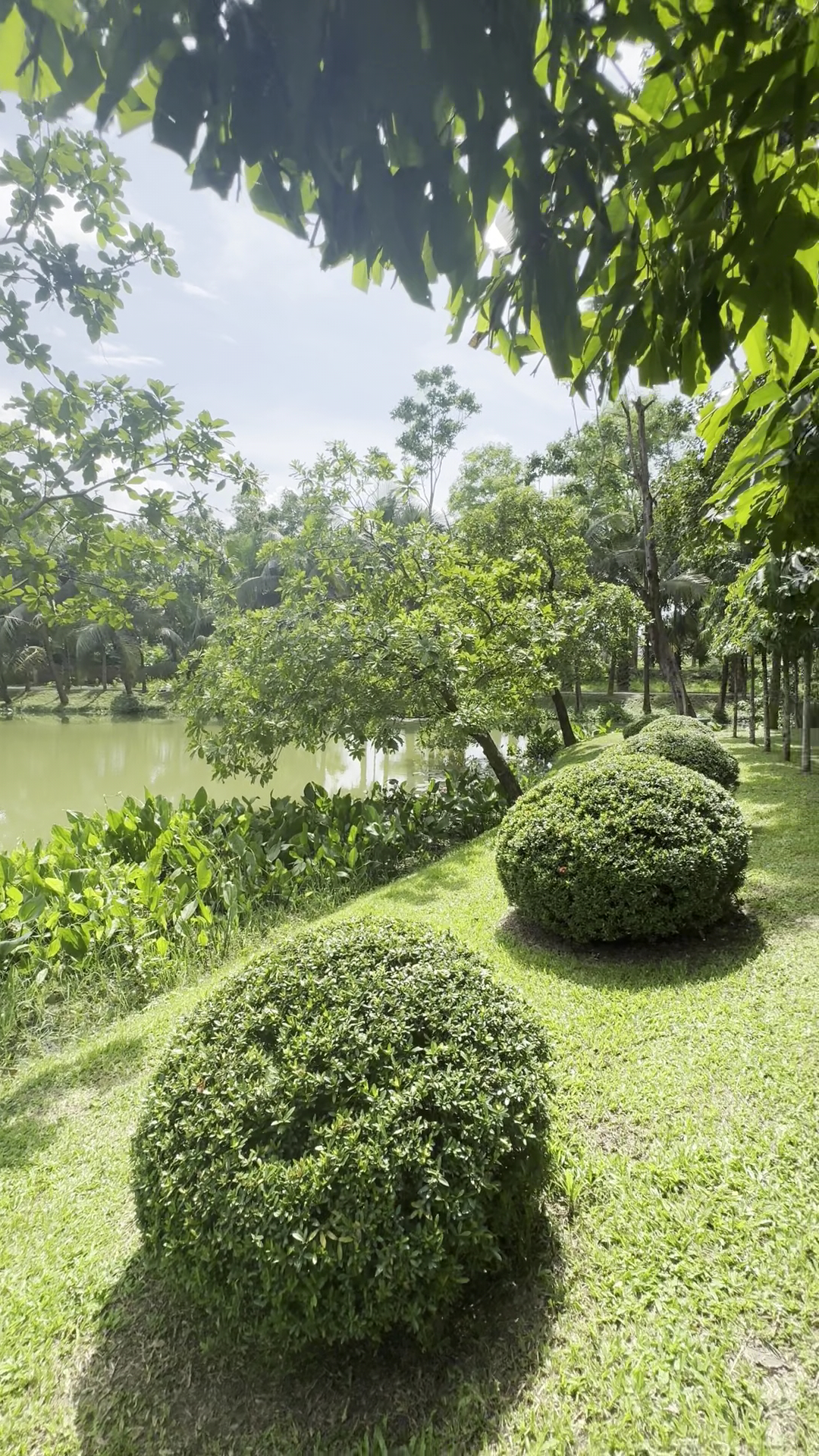
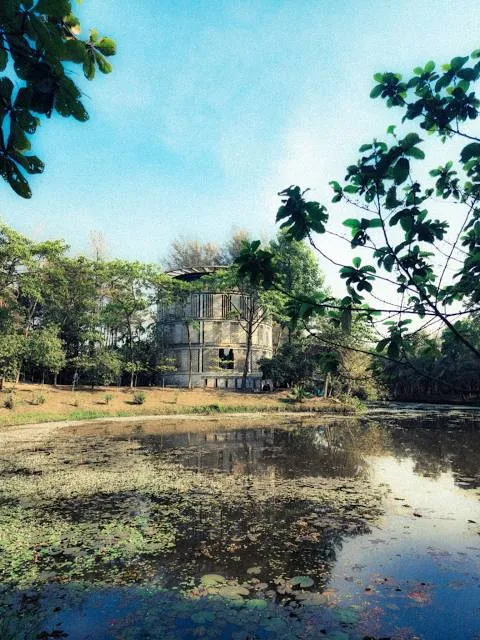
What else to do, cut the ticket and my friends who froze in the cold, took 2 cups of tea, Each cup of tea cost 15 tk, coffee 30 tk. It's like watching their reaction after drinking tea. (Didn't like the taste of tea ). But one thing must be admitted, Zinda Park is a very beautiful place to visit. There is a vast field, children and adults were playing peacefully, there were many picnic groups. The most interesting to me are the small islands in the middle of the lake. The drum-bridge was quite thrilling, there was a vibe of riding a boat.

We were exploring each place, and taking pictures at will. Very hungry, when it was 2:30. I went to Mahua restaurant inside the park, there set menu A,B,C,D,I was available. The price of food has increased, where the price of set menu A was 230 ā§ŗ, it has become 270 ā§ŗ. Mashed potatoes with hot steamed rice,chicken roast was very good. Two of friends took set menu C. Polao was good in quantity, enough for 2 people. 5 set menu A, and 1 set menu C, total bill came to 1730 ā§ŗ.

Then I started wandering again, even though I wanted to climb the tree-house, I didn't climb the steep tree where the long dress falls, so I didn't get up. We explored a lot of Zinda Park for about 6-7 hours. Then it was about 7:30 to return home.

Tips: If you want to get a discount of ā§ŗ50 on the entrance fee, you have to go to other zindaparks except on holidays. If you take food from outside, you have to pay 25 ā§ŗ. It is better to take food from outside,...

   Read more
Page 1 of 7
Previous
Next

Posts

Habib RahmanHabib Rahman
Zinda Park, located in Narayanganj near Dhaka, is a beautiful eco-park known for its serene environment and natural beauty. It's a popular destination for nature lovers, families, and picnic enthusiasts. Here's all about it: Key Features 1. Natural Beauty: The park is filled with lush greenery, large lakes, and diverse plant species. Peaceful walking paths and bamboo bridges enhance the natural vibe. 2. Eco-Friendly Environment: Maintained by the "Manobotar Deho" cooperative, focusing on eco-tourism and sustainability. The park promotes a green lifestyle and harmony with nature. 3. Picnic and Recreational Facilities: Multiple picnic spots with seating arrangements. Boating facilities in the lakes. 4. Traditional Village Vibes: Thatched huts and rural-style architecture give a glimpse of traditional Bangladeshi culture. 5. Educational Purpose: The park also serves as an educational space to teach visitors about the importance of preserving nature. Entry Fee and Timing Entry Fee: Around BDT 100-150 per person (subject to change). Opening Hours: Usually open from morning to evening (8:00 AM - 5:00 PM). How to Reach Zinda Park From Dhaka: It is about 35-40 km away. You can take a private car, CNG, or local transport towards Rupganj, Narayanganj. Best Time to Visit Winter (November to February) is the ideal time due to pleasant weather. presented by - habib Rahman Local guide, home - Sylhet city
Sudeepta KkrSudeepta Kkr
Zindapark is a very good place to travel around in low-cost neighborhoods, with family or friends, to reduce costs. This Zinda Park is a different exception than I have seen and 8/10 the park. There is no racket here, no bothersome trouble. The park, which is spread over a vast area, is surrounded by shade, greens. On the rainy day the atmosphere of the park became more green. There are lots of species of trees in the whole area around the whole tree. The birds can be heard in the ears. There are large water bodies. Artificial Island between the pond. In such a situation, sitting in the place of friends can sit across the whole of the story! The park is quite clean. Inside the park there are a number of infrastructures including schools, libraries, restaurants, mosques. The most interesting aspect of these infrastructure is that the structure of each infrastructure has a touch of tastes. Not just the infrastructures but every aspect of the park has the taste and touch of the plan. Anyone who can freely visit Zindapark on holidays with family members. How to go: The Kurild World Road from any corner of Dhaka. You will get BRTC bus to go to Kanchan Bridge with 300 ft from there. In addition to buses, CNG cars are available. The rent will be charged at a maximum of 60 to 70 rupees. Going to Kanchan Bridge and going back to Zinda Park, the auto will be rented. Auto rent per person Rs 30/40 You can also take Direct Cars / CNG Residences from Kuril Biswar Road to Zindapark. They can also be taken with private cars. There are parking arrangements. Parking fee of 50 rupees Other: Jindapar entrance fee is 100 rupees per person. There are restaurants inside for eating. Besides, if you want to go to Kanchal from Kanchan or on the way, you can fill in Bhavna, fish, meat and rice in Purbachal. At the end of the meal there is a chance to look at the different hot hot tastes there. B: Be aware of the environment while traveling. Avoid garbage and remove them at a certain place. Especially avoid refraining from extracting waste products. Respect the locals. ------------------------------------------------------------------------------------------------------------------ āĻĒāϰāĻŋāĻŦāĻžāϰ āĻĒāϰāĻŋāϜāύ āĻŦāĻž āĻŦāĻ¨ā§āϧ⧁ āĻŦāĻžāĻ¨ā§āϧāĻŦ āύāĻŋā§Ÿā§‡ āĻĸāĻžāĻ•āĻžāϰ āφāĻļ⧇āĻĒāĻžāĻļ⧇ āĻ•āĻŽ āϏāĻŽā§Ÿā§‡, āĻ•āĻŽ āĻ–āϰāĻšā§‡ āĻ˜ā§‹āϰāĻžāϰ āϜāĻ¨ā§āϝ āϜāĻŋāĻ¨ā§āĻĻāĻžāĻĒāĻžāĻ°ā§āĻ• āϖ⧁āĻŦāχ āĻ­āĻžāϞ⧋ āĻāĻ•āϟāĻŋ āϜāĻžā§ŸāĻ—āĻžāĨ¤ āφāĻŽāĻžāϰ āĻĻ⧇āĻ–āĻž āφāϰ ā§Ž/ā§§ā§Ļ āϟāĻž āĻĒāĻžāĻ°ā§āϕ⧇āϰ āĻĨ⧇āϕ⧇ āĻāχ āϜāĻŋāĻ¨ā§āĻĻāĻž āĻĒāĻžāĻ°ā§āĻ• āĻ…āύ⧇āĻ•āϟāĻžāχ āĻŦā§āϝāϤāĻŋāĻ•ā§āϰāĻŽāĨ¤ āĻāĻ–āĻžāύ⧇ āύ⧇āχ āϕ⧋āύ āϕ⧋āϞāĻžāĻšāϞ, āύ⧇āχ āϕ⧋āύ āωāϟāϕ⧋ āĻāĻžāĻŽā§‡āϞāĻžāĨ¤ āĻŦāĻŋāĻļāĻžāϞ āĻāϞāĻžāĻ•āĻž āĻœā§ā§œā§‡ āĻ—ā§œā§‡ āĻ“āĻ āĻž āĻāχ āĻĒāĻžāĻ°ā§āĻ•āϟāĻŋ āĻ›āĻžā§ŸāĻžā§Ÿ āĻ˜ā§‡āϰāĻž, āϏāĻŦ⧁āĻœā§‡ āĻŽā§‹ā§œāĻžāĨ¤ āĻŦ⧃āĻˇā§āϟāĻŋāϰ āĻĻāĻŋāύ⧇ āĻĒāĻžāĻ°ā§āϕ⧇āϰ āĻĒāϰāĻŋāĻŦ⧇āĻļ āĻšā§Ÿā§‡ āĻ“āϠ⧇ āφāϰ⧋ āϏāĻŦ⧁āϜāĨ¤ āĻĒ⧁āϰ⧋ āĻāϞāĻžāĻ•āĻžāĻœā§ā§œā§‡āχ āĻ°ā§Ÿā§‡āϛ⧇ āύāĻžāύāĻž āĻĒā§āϰāϜāĻžāϤāĻŋāϰ āĻĒā§āϰāϚ⧁āϰ āĻ—āĻžāĻ›āĻ—āĻžāĻ›āĻžāϞāĻŋāĨ¤ āĻ•āĻžāύ āĻĒāĻžāϤāϞ⧇āχ āĻļā§‹āύāĻž āϝāĻžā§Ÿ āĻĒāĻžāĻ–āĻŋāĻĻ⧇āϰ āĻ•āϞāĻ•āĻžāĻ•āϞāĻŋāĨ¤ āφāϛ⧇ āĻŦ⧜ āĻŦ⧜ āϜāϞāĻžāĻļ⧟āĨ¤ āϜāϞāĻžāĻļā§Ÿā§‡āϰ āĻŽāĻžāĻā§‡ āĻ•ā§ƒāĻ¤ā§āϰāĻŋāĻŽ āĻĻā§āĻŦā§€āĻĒāĨ¤ āĻāϰāĻ•āĻŽ āĻĒāϰāĻŋāĻŦ⧇āĻļ⧇ āĻāĻŽāύ āϏāĻŦ āϜāĻžā§ŸāĻ—āĻžā§Ÿ āĻŦāϏ⧇ āĻĒā§āϰāĻŋ⧟āϜāύ⧇āϰ āϏāĻžāĻĨ⧇ āĻŦāϏ⧇ āĻ—āĻ˛ā§āĻĒ āĻ•āϰ⧇āχ āϤ⧋ āϏāĻžāϰāĻžāĻŦ⧇āϞāĻž āĻĒāĻžāϰ āĻ•āϰ⧇ āĻĻā§‡ā§ŸāĻž āϝāĻžā§Ÿ! āĻĒāĻžāĻ°ā§āĻ•āϟāĻŋ āĻŦ⧇āĻļ āĻĒāϰāĻŋāĻˇā§āĻ•āĻžāϰ āĻĒāϰāĻŋāĻšā§āĻ›āĻ¨ā§āύāĨ¤ āĻĒāĻžāĻ°ā§āϕ⧇āϰ āϭ⧇āϤāϰ⧇ āĻ¸ā§āϕ⧁āϞ, āϞāĻžāχāĻŦā§āϰ⧇āϰāĻŋ, āϰ⧇āĻ¸ā§āϟ⧁āϰ⧇āĻ¨ā§āϟ, āĻŽāϏāϜāĻŋāĻĻāϏāĻš āĻ°ā§Ÿā§‡āϛ⧇ āĻŦ⧇āĻļ āĻ•āĻŋāϛ⧁ āĻ…āĻŦāĻ•āĻžāĻ āĻžāĻŽā§‹āĨ¤ āĻāχ āĻ…āĻŦāĻ•āĻžāĻ āĻžāĻŽā§‹āϗ⧁āϞ⧋āϰ āϝ⧇ āĻŦāĻŋāώ⧟āϟāĻŋ āϏāĻŦāĻšā§‡ā§Ÿā§‡ āĻŦ⧇āĻļāĻŋ āĻ­āĻžāϞ⧋ āϞ⧇āϗ⧇āϛ⧇ āϤāĻž āĻšāϞ⧋ āĻĒā§āϰāϤāĻŋāϟāĻŋ āĻ…āĻŦāĻ•āĻžāĻ āĻžāĻŽā§‹āϰ āύāĻŋāĻ°ā§āĻŽāĻžāĻŖāĻļ⧈āϞ⧀āϤ⧇ āĻ°ā§Ÿā§‡āϛ⧇ āϰ⧁āϚāĻŋāĻļā§€āϞāϤāĻžāϰ āϛ⧋āρ⧟āĻžāĨ¤ āĻļ⧁āϧ⧁ āĻ āĻ…āĻŦāĻ•āĻžāĻ āĻžāĻŽā§‹āϗ⧁āϞ⧋ āύ⧟, āĻĒāĻžāĻ°ā§āϕ⧇āϰ āĻĒā§āϰāϤāĻŋāϟāĻŋ āϜāĻŋāύāĻŋāϏ⧇āχ āĻ°ā§Ÿā§‡āϛ⧇ āϰ⧁āϚāĻŋāĻļā§€āϞāϤāĻž āĻ“ āĻĒāϰāĻŋāĻ•āĻ˛ā§āĻĒāύāĻžāϰ āϛ⧋āρ⧟āĻžāĨ¤ āϝ⧇ āϕ⧇āω āύāĻŋāĻ°ā§āĻĻā§āĻŦāĻŋāϧāĻžā§Ÿ āĻĒāϰāĻŋāĻŦāĻžāϰ āĻĒāϰāĻŋāϜāύ āύāĻŋā§Ÿā§‡ āϛ⧁āϟāĻŋāϰ āĻĻāĻŋāύ⧇ āϜāĻŋāĻ¨ā§āĻĻāĻžāĻĒāĻžāĻ°ā§āĻ• āϘ⧁āϰ⧇ āφāϏāϤ⧇ āĻĒāĻžāϰ⧇āύāĨ¤ āϝ⧇āĻ­āĻžāĻŦ⧇ āϝāĻžāĻŦ⧇āύ: āĻĸāĻžāĻ•āĻžāϰ āϝ⧇āϕ⧋āύ āĻĒā§āϰāĻžāĻ¨ā§āϤ āĻĨ⧇āϕ⧇ āĻ•ā§ā§œāĻŋāϞ āĻŦāĻŋāĻļā§āĻŦāϰ⧋āĻĄāĨ¤ āϏ⧇āĻ–āĻžāύ⧇ āĻĨ⧇āϕ⧇ ā§Šā§Ļā§Ļ āĻĢāĻŋāϟ āĻĻāĻŋā§Ÿā§‡ āĻ•āĻžāĻžā§āϚāύ āĻŦā§āϰāĻŋāϜ āĻĒāĻ°ā§āϝāĻ¨ā§āϤ āϝāĻžāĻ“ā§ŸāĻžāϰ āϜāĻ¨ā§āϝ āĻŦāĻŋāφāϰāϟāĻŋāϏāĻŋ'āϰ āĻŦāĻžāϏ āĻĒāĻžāĻŦ⧇āύāĨ¤ āĻŦāĻžāϏ āĻ›āĻžā§œāĻžāĻ“ āϏāĻŋāĻāύāϜāĻŋ, āĻ—āĻžā§œāĻŋ āĻĒāĻžāĻ“ā§ŸāĻž āϝāĻžā§ŸāĨ¤ āĻ­āĻžā§œāĻž āϜāύāĻĒā§āϰāϤāĻŋ āϏāĻ°ā§āĻŦā§‹āĻšā§āϚ ā§Ŧā§Ļ/ā§­ā§Ļ āϟāĻžāĻ•āĻž āĻĒ⧜āĻŦ⧇āĨ¤ āĻ•āĻžāĻžā§āϚāύ āĻŦā§āϰāĻŋāϜ āĻ—āĻŋā§Ÿā§‡ āφāĻŦāĻžāϰ āϜāĻŋāĻ¨ā§āĻĻāĻž āĻĒāĻžāĻ°ā§āĻ• āϝāĻžāĻ“ā§ŸāĻžāϰ āϜāĻ¨ā§āϝ āĻ…āĻŸā§‹ āĻ­āĻžā§œāĻž āĻ•āϰāϤ⧇ āĻšāĻŦ⧇āĨ¤ āĻ…āĻŸā§‹ āĻ­āĻžā§œāĻž āϜāύāĻĒā§āϰāϤāĻŋ ā§Šā§Ļ/ā§Ēā§Ļ āϟāĻžāĻ•āĻžāĨ¤ āĻ•ā§ā§œāĻŋāϞ āĻŦāĻŋāĻļā§āĻŦāϰ⧋āĻĄ āĻĨ⧇āϕ⧇ āϜāĻŋāĻ¨ā§āĻĻāĻžāĻĒāĻžāĻ°ā§āĻ• āĻĒāĻ°ā§āϝāĻ¨ā§āϤ āϏāϰāĻžāϏāϰāĻŋ āĻ—āĻžā§œāĻŋ/āϏāĻŋāĻāύāϜāĻŋ āϰāĻŋāϜāĻžāĻ°ā§āĻ­āĻ“ āύāĻŋāϤ⧇ āĻĒāĻžāϰ⧇āύāĨ¤ āφāĻŦāĻžāϰ āĻŦā§āϝāĻ•ā§āϤāĻŋāĻ—āϤ āĻ—āĻžā§œāĻŋ āύāĻŋā§Ÿā§‡āĻ“ āϝāĻžāĻ“ā§ŸāĻž āϝāĻžā§ŸāĨ¤ āĻĒāĻžāĻ°ā§āĻ•āĻŋāĻ‚ āĻŦā§āϝāĻŦāĻ¸ā§āĻĨāĻž āφāϛ⧇āĨ¤ āĻĒāĻžāĻ°ā§āĻ•āĻŋāĻ‚ āĻĢāĻŋ ā§Ģā§Ļ āϟāĻžāĻ•āĻžāĨ¤ āĻ…āĻ¨ā§āϝāĻžāĻ¨ā§āϝ: āϜāĻŋāĻ¨ā§āĻĻāĻžāĻĒāĻžāĻ°ā§āϕ⧇ āĻĒā§āϰāĻŦ⧇āĻļ āĻĢāĻŋ āϜāύāĻĒā§āϰāϤāĻŋ ā§§ā§Ļā§Ļ āϟāĻžāĻ•āĻžāĨ¤ āĻ–āĻžāĻ“ā§ŸāĻžāϰ āϜāĻ¨ā§āϝ āϭ⧇āϤāϰ⧇ āϰ⧇āĻ¸ā§āϟ⧁āϰ⧇āĻ¨ā§āϟ āφāϛ⧇āĨ¤ āĻāĻ›āĻžā§œāĻž āφāĻĒāύāĻŋ āϚāĻžāχāϞ⧇ āĻ•ā§ā§œāĻŋāϞ āĻĨ⧇āϕ⧇ āĻ•āĻžāĻžā§āϚāύ āϝāĻžāĻ“ā§ŸāĻžāϰ āĻŦāĻž āφāϏāĻžāϰ āĻĒāĻĨ⧇ āĻĒā§‚āĻ°ā§āĻŦāĻžāϚāϞ⧇ āĻšāϰ⧇āĻ• āĻĒāĻĻ⧇āϰ āĻ­āĻ°ā§āϤāĻž, āĻŽāĻžāĻ›, āĻŽāĻžāĻ‚āϏ, āĻ­āĻžāϤ āĻĻāĻŋā§Ÿā§‡ āωāĻĻāϰāĻĒā§‚āĻ°ā§āϤāĻŋ āĻ•āϰāϤ⧇ āĻĒāĻžāϰ⧇āύāĨ¤ āĻ–āĻžāĻ“ā§ŸāĻž āĻļ⧇āώ⧇ āĻ“āĻ–āĻžāύ⧇ āĻŦāĻŋāĻ­āĻŋāĻ¨ā§āύ āϰāĻ•āĻŽā§‡āϰ āĻ—āϰāĻŽ āĻ—āϰāĻŽ āĻŽāĻŋāĻˇā§āϟāĻŋ āĻšā§‡āϖ⧇ āĻĻ⧇āĻ–āĻžāϰāĻ“ āϏ⧁āϝ⧋āĻ— āφāϛ⧇āĨ¤ āĻŦāĻŋ:āĻĻā§āϰ: āĻ­ā§āϰāĻŽāĻŖāĻ•āĻžāϞ⧇ āĻĒāϰāĻŋāĻŦ⧇āĻļ⧇āϰ āĻĒā§āϰāϤāĻŋ āϏāĻšā§‡āϤāύ āĻšā§‹āύāĨ¤ āϝāĻ¤ā§āϰāϤāĻ¤ā§āϰ āĻŽā§ŸāϞāĻž āφāĻŦāĻ°ā§āϜāύāĻž āĻĢ⧇āϞāĻž āύāĻž āĻĢ⧇āϞ⧇ āύāĻŋāĻ°ā§āĻĻāĻŋāĻˇā§āϟ āĻ¸ā§āĻĨāĻžāύ⧇ āĻĢ⧇āϞ⧁āύāĨ¤ āĻŦāĻŋāĻļ⧇āώ āĻ•āϰ⧇ āĻ…āĻĒāϚāύāĻļā§€āϞ āĻĻā§āϰāĻŦā§āϝ āĻĢ⧇āϞāĻž āĻĨ⧇āϕ⧇ āĻŦāĻŋāϰāϤ āĻĨāĻžāϕ⧁āύāĨ¤ āĻ¸ā§āĻĨāĻžāĻ¨ā§€ā§ŸāĻĻ⧇āϰ āĻĒā§āϰāϤāĻŋ āĻļā§āϰāĻĻā§āϧāĻžāĻļā§€āϞ āĻšā§‹āύāĨ¤
āĻŽāĻŋāϜāĻžāύ⧁āϰ āϰāĻšāĻŽāĻžāύāĻŽāĻŋāϜāĻžāύ⧁āϰ āϰāĻšāĻŽāĻžāύ
āϜāĻŋāĻ¨ā§āĻĻāĻž āĻĒāĻžāĻ°ā§āĻ• āĨ¤ āĻĸāĻžāĻ•āĻžāϰ āĻĒāĻžāĻļ⧇ āύāĻžāϰāĻžā§ŸāĻŖāĻ—āĻžā§āĻœā§‡āϰ āĻĻāĻ°ā§āĻļāĻ¨ā§€ā§Ÿ ā§§āϟāĻŋ āĻ¸ā§āĻĨāĻžāύ āĻĸāĻžāĻ•āĻžāϰ āĻĒāĻžāĻļ⧇ āύāĻžāϰāĻžā§ŸāĻŖāĻ—āĻžā§āĻœā§‡āϰ āĻĻāĻžāωāĻĻāĻĒ⧁āϰ āχāωāύāĻŋ⧟āύ⧇ āĻĒā§āϰāĻžā§Ÿ ā§§ā§Ģā§Ļ āĻāĻ•āϰ āϜāĻŽāĻŋāϰ āωāĻĒāϰ āĻ…āĻŦāĻ¸ā§āĻĨāĻŋāϤ āĻĒā§āϰāĻžāĻ•ā§ƒāϤāĻŋāĻ• āϏ⧌āĻ¨ā§āĻĻāĻ°ā§āϝ⧇ āĻ˜ā§‡āϰāĻž āϜāĻŋāĻ¨ā§āĻĻāĻž āĻĒāĻžāĻ°ā§āĻ•āĨ¤ āĻ—āĻžāĻ›āĻĒāĻžāϞāĻž, āĻĒāĻžāĻ–āĻĒāĻžāĻ–āĻžāϞāĻŋ, āϜāϞāĻžāϧāĻžāϰ⧇ āĻ­āϰāĻĒ⧁āϰ āĻāχ āĻĒāĻžāĻ°ā§āĻ•āϟāĻŋāϤ⧇ āϗ⧇āϞ⧇ āφāĻĒāύāĻžāϰ āĻŽāύ āĻĒā§āϰāĻļāĻžāĻ¨ā§āϤāĻŋāϤ⧇ āĻ­āϰ⧇ āωāĻ āĻŦ⧇āĨ¤ āĻĒāĻžāĻ°ā§āĻ•āϟāĻŋ āϏāĻŦ āϧāϰāύ⧇āϰ āωāϟāϕ⧋ āĻāĻžāĻŽā§‡āϞāĻž āĻĨ⧇āϕ⧇ āύāĻŋāϰāĻžāĻĒāĻĻāĨ¤ āĻāϟāĻŋ āĻāϞāĻžāĻ•āĻžāĻŦāĻžāϏ⧀āϰ āĻ¸ā§āĻŦāϤāσāĻ¸ā§āĻĢā§‚āĻ°ā§āϤ āĻ…āĻ‚āĻļāĻ—ā§āϰāĻšāϪ⧇ āĻ—ā§œā§‡ āωāϠ⧇āϛ⧇āĨ¤ āĻĒā§āϰāĻžā§Ÿ ā§Šā§Ģ āĻŦāĻ›āϰ āĻĒā§‚āĻ°ā§āĻŦ⧇ ā§§ā§¯ā§Žā§Ļ āϏāĻžāϞ⧇ ā§Ģā§Ļā§Ļā§Ļ āϜāύ āϏāĻĻāĻ¸ā§āϝ āύāĻŋā§Ÿā§‡ āĻāχ āĻĒāĻžāĻ°ā§āϕ⧇āϰ āϝāĻžāĻ¤ā§āϰāĻž āĻļ⧁āϰ⧁ āĻšā§ŸāĨ¤ āϏ⧇āχ āĻĨ⧇āϕ⧇ āĻļ⧁āϰ⧁ āĻ•āϰ⧇ āĻāϞāĻžāĻ•āĻžāĻŦāĻžāϏ⧀āϰ āĻ…āĻ•ā§āϞāĻžāĻ¨ā§āϤ āĻĒāϰāĻŋāĻļā§āϰāĻŽā§‡āϰ āĻĢāϞ⧇ āĻ—ā§œā§‡ āωāϠ⧇āϛ⧇ āĻāχ āĻĒāĻžāĻ°ā§āĻ•āϟāĻŋāĨ¤ āĻŽāĻžāϟāĻŋāϰ āϰāĻžāĻ¸ā§āϤāĻž āĻāĻŦāĻ‚ āϚāĻžāϰāĻŋāĻĻāĻŋāϕ⧇ āϏāĻŦ⧁āϜ āφāϰ āϏāĻŦ⧁āĻœā§‡āϰ āĻ…āϰāĻŖā§āϝāĨ¤ āĻĒā§āϰāĻžāĻ•ā§ƒāϤāĻŋāĻ• āϏ⧌āĻ¨ā§āĻĻāĻ°ā§āϝ āωāĻĒāĻ­ā§‹āĻ— āĻ•āϰāĻžāϰ āϜāĻ¨ā§āϝ āĻāϰ āĻšā§‡ā§Ÿā§‡ āĻ­āĻžāϞ⧋ āĻ•āĻŋāϛ⧁ āϝ⧇āύ āφāϰ āĻšāϤ⧇āχ āĻĒāĻžāϰ⧇ āύāĻžāĨ¤ (ā§§) āĻ—āĻžāĻ›āĻĒāĻžāϞāĻž āĻĒā§āϰāĻžāĻ•ā§ƒāϤāĻŋāĻ• āϏ⧌āĻ¨ā§āĻĻāĻ°ā§āϝ⧇ āĻ­āϰāĻĒ⧁āϰ āϜāĻŋāĻ¨ā§āĻĻāĻž āĻĒāĻžāĻ°ā§āϕ⧇ āĻ°ā§Ÿā§‡āϛ⧇ āĻ…āύ⧇āĻ• āĻ—āĻžāĻ›āĻĒāĻžāϞāĻžāĨ¤ āĻĒā§āϰāĻžā§Ÿ ⧍ā§Ģā§Ļ āĻĒā§āϰāϜāĻžāϤāĻŋāϰ āĻ—āĻžāĻ› āĻ°ā§Ÿā§‡āϛ⧇ āĻāχāĻ–āĻžāύ⧇āĨ¤ āĻĒ⧁āϰ⧋ āĻĒāĻžāĻ°ā§āĻ• āĻœā§ā§œā§‡ āĻĒā§āϰāĻžā§Ÿ āĻĻāĻļ āĻšāĻžāϜāĻžāϰ⧇āϰ āĻŦ⧇āĻļāĻŋ āĻ—āĻžāĻ› āĻ°ā§Ÿā§‡āϛ⧇āĨ¤ (⧍) āĻĒāĻžāĻ–āĻŋ āĻĸāĻžāĻ•āĻž āĻļāĻšāϰ⧇āϰ āϕ⧋āϞāĻžāĻšāϞāĻĒā§‚āĻ°ā§āĻŖ āĻĒāϰāĻŋāĻŦ⧇āĻļ⧇ āĻĒāĻžāĻ–āĻŋāϰ āĻ•āĻŋāϚāĻŋāϰāĻŽāĻŋāϚāĻŋāϰ āĻļā§‹āύāĻžāϤ⧋ āφāϜāĻ•āĻžāϞ āϖ⧁āĻŦāχ āĻĻ⧁āĻˇā§āĻ•āϰāĨ¤ āϜāĻŋāĻ¨ā§āĻĻāĻžāĻĒāĻžāĻ°ā§āϕ⧇ āĻ°ā§Ÿā§‡āϛ⧇ āĻ…āϏāĻ‚āĻ–ā§āϝ āĻĒāĻžāĻ–āĻĒāĻžāĻ–āĻžāϞāĻŋ āϝāĻž āφāĻĒāύāĻžāϕ⧇ āύāĻŋā§Ÿā§‡ āϝāĻžāĻŦ⧇ āĻĒā§āϰāĻ•ā§ƒāϤāĻŋāϰ āϖ⧁āĻŦ āύāĻŋāĻ•āĻŸā§‡āĨ¤ āϕ⧋āϞāĻžāĻšāϞāĻĒā§‚āĻ°ā§āĻŖ āĻœā§€āĻŦāύ⧇ āĻĒāĻžāĻ–āĻŋāϰ āĻĄāĻžāĻ• āĻļ⧁āύāϤ⧇ āϚāĻžāχāϞ⧇ āĻ…āĻŦāĻļā§āϝāχ āϘ⧁āϰ⧇ āφāϏāĻŦ⧇āύ āĻĒāĻžāĻ–āĻĒāĻžāĻ–āĻžāϞāĻŋāϤ⧇ āĻ­āϰāĻĒ⧁āϰ āϜāĻŋāĻ¨ā§āĻĻāĻž āĻĒāĻžāĻ°ā§āϕ⧇āĨ¤ (ā§Š) āϜāϞāĻžāϧāĻžāϰ āĻāχ āĻĒāĻžāĻ°ā§āϕ⧇ āĻ—āĻžāĻ›āĻĒāĻžāϞāĻž āĻāĻŦāĻ‚ āĻĒāĻžāĻ–āĻŋ āĻ›āĻžā§œāĻžāĻ“ āφāϛ⧇ āĻŦāĻŋāĻļāĻžāϞ āϜāϞāĻžāϧāĻžāϰāĨ¤ āĻĒā§āϰāĻžā§Ÿ ā§ĢāϟāĻŋ āϜāϞāĻžāϧāĻžāϰ āύāĻŋā§Ÿā§‡ āĻ˜ā§‡ā§œāĻžāύ⧋ āφāϛ⧇ āĻāχ āĻĒāĻžāĻ°ā§āĻ•āϟāĻŋāĨ¤ (ā§Ģ) āĻŦāϏāĻžāϰ āĻŦ⧇āĻžā§āϚ āĻĒā§āϰāĻžāĻ•ā§ƒāϤāĻŋāĻ• āϏ⧌āĻ¨ā§āĻĻāĻ°ā§āϝ⧇ āĻ˜ā§‡ā§œāĻž āĻāχ āĻĒāĻžāĻ°ā§āϕ⧇ āĻ°ā§Ÿā§‡āϛ⧇ āĻŦāϏāĻžāϰ āϜāĻ¨ā§āϝ āĻŦ⧇āĻžā§āĻšā§‡āϰ (Bench) āĻŦā§āϝāĻŦāĻ¸ā§āĻĨāĻžāĨ¤ āĻĒ⧁āϰ⧋ āĻĒāĻžāĻ°ā§āϕ⧇ āϘ⧁āϰ⧇ āĻŦā§‡ā§œāĻžāύ⧋ āĻ›āĻžā§œāĻžāĻ“ āφāĻĒāύāĻŋ āϚāĻžāχāϞ⧇ āĻ—āĻžāĻ›āĻĒāĻžāϞāĻžāϰ āύāĻŋāĻšā§‡ āĻŦ⧇āĻžā§āĻšā§‡ āĻŦāϏ⧇ āĻāĻ•āϟ⧁ āϰ⧇āĻ¸ā§āϟ (Rest) āύāĻŋāϤ⧇ āĻĒāĻžāϰ⧇āύ āĻāĻŦāĻ‚ āωāĻĒāĻ­ā§‹āĻ— āĻ•āϰāϤ⧇ āĻĒāĻžāϰ⧇āύ āĻĒā§āϰāĻ•ā§ƒāϤāĻŋāϰ āĻ…āĻĒāϰ⧂āĻĒ āϏ⧌āĻ¨ā§āĻĻāĻ°ā§āϝāĨ¤ (ā§Ŧ) āύ⧌āĻ•āĻž āϜāĻŋāĻ¨ā§āĻĻāĻž āĻĒāĻžāĻ°ā§āϕ⧇ āĻŦāĻŋāĻļāĻžāϞ āϞ⧇āϕ⧇ (lake) āύ⧌āĻŦāĻŋāĻšāĻžāϰ⧇āϰāĻ“ āĻŦā§āϝāĻŦāĻ¸ā§āĻĨāĻž āĻ°ā§Ÿā§‡āϛ⧇āĨ¤ āϞ⧇āϕ⧇āϰ āĻĒāĻžāĻļ⧇ ā§ŽāϟāĻŋ āύ⧌āĻ•āĻž āϰāĻžāĻ–āĻž āφāϛ⧇ āĻ…āϤāĻŋāĻĨāĻŋāĻĻ⧇āϰ āϜāĻ¨ā§āϝāĨ¤ āφāĻĒāύāĻŋ āϚāĻžāχāϞ⧇ āύ⧌āĻ•āĻž āĻ­ā§āϰāĻŽāĻŖāĻ“ āĻ•āϰāϤ⧇ āĻĒāĻžāϰāĻŦ⧇āύāĨ¤ (ā§­) āϞāĻžāχāĻŦā§āϰ⧇āϰ⧀ āĻŦāχāĻĒā§‹āĻ•āĻžāĻĻ⧇āϰ āϜāĻ¨ā§āϝ āĻāχ āĻĒāĻžāĻ°ā§āϕ⧇ āĻ°ā§Ÿā§‡āϛ⧇ āĻŦāĻŋāĻļāĻžāϞ āϞāĻžāχāĻŦā§āϰ⧇āϰ⧀ (Library)āĨ¤ āĻĒā§āϰāĻžāĻ•ā§ƒāϤāĻŋāĻ• āϏ⧌āĻ¨ā§āĻĻāĻ°ā§āϝ⧇ āĻ˜ā§‡āϰāĻž āĻāχ āĻĒāĻžāĻ°ā§āϕ⧇ āĻŦāϏ⧇ āφāĻĒāύāĻŋ āφāĻĒāύāĻžāϰ āĻĒāĻ›āĻ¨ā§āĻĻ⧇āϰ āĻŦāχāϟāĻŋāĻ“ āĻĒ⧜āϤ⧇ āĻĒāĻžāϰāĻŦ⧇āύāĨ¤ (ā§Ž) āĻŸā§āϰāĻŋ āĻšāĻžāωāϏ āĻŽāύ⧋āϰāĻŽ āĻĒāϰāĻŋāĻŦ⧇āĻļ⧇ āĻ…āĻŦāĻ¸ā§āĻĨāĻŋāϤ āĻāχ āĻĒāĻžāĻ°ā§āϕ⧇ āĻ°ā§Ÿā§‡āϛ⧇ āĻŸā§āϰāĻŋ āĻšāĻžāωāϏ (Tree house)āĨ¤ āĻ—āĻžāϛ⧇āϰ āωāĻĒāϰ āϛ⧋āϟ āĻ•āϰ⧇ āϘāϰ āĻŦāĻžāύāĻŋā§Ÿā§‡ āϰāĻžāĻ–āĻž āĻšā§Ÿā§‡āϛ⧇ āĻŦāĻžāĻšā§āϚāĻžāĻĻ⧇āϰ āϜāĻ¨ā§āϝāĨ¤ āϛ⧋āϟ āϛ⧋āϟ āĻŦāĻžāĻšā§āϚāĻžāϰāĻž āĻāχāĻ–āĻžāύ⧇ āϖ⧇āϞāĻžāϧ⧁āϞāĻž āĻ•āϰāϤ⧇ āĻĒāĻžāϰāĻŦ⧇āĨ¤ (⧝) āĻĒāϰāĻŋāĻŦ⧇āĻļāĻŦāĻžāĻ¨ā§āϧāĻŦ āϏāĻžāρāϕ⧋ āϜāϞāĻžāϧāĻžāϰ⧇āϰ āϭ⧇āϤāϰ āϘ⧁āϰ⧇ āĻŦā§‡ā§œāĻžāύ⧋āϰ āϜāĻ¨ā§āϝ āĻāχ āĻĒāĻžāĻ°ā§āϕ⧇ āφāϛ⧇ āĻĒāϰāĻŋāĻŦ⧇āĻļāĻŦāĻžāĻ¨ā§āϧāĻŦ āϏāĻžāρāϕ⧋āĨ¤ āĻŦāĻŋāĻļāĻžāϞ āϜāϞāĻžāϧāĻžāϰ⧇ āϘ⧁āϰ⧇ āĻŦā§‡ā§œāĻžāϤ⧇ āϚāĻžāχāϞ⧇ āφāĻĒāύāĻŋ āĻāχ āϏāĻžāρāϕ⧋ āĻŦā§āϝāĻŦāĻšāĻžāϰ āĻ•āϰāϤ⧇ āĻĒāĻžāϰ⧇āύāĨ¤ (⧝) āĻ–āĻžāĻŦāĻžāϰ⧇āϰ āĻŦā§āϝāĻŦāĻ¸ā§āĻĨāĻž āϜāĻŋāĻ¨ā§āĻĻāĻžāĻĒāĻžāĻ°ā§āϕ⧇āϰ āĻ­āĻŋāϤāϰ⧇ āĻ–āĻžāĻŦāĻžāϰ⧇āϰ āϏ⧁āĻŦā§āϝāĻŦāĻ¸ā§āĻĨāĻž āĻ°ā§Ÿā§‡āϛ⧇āĨ¤ āĻĒāĻžāĻ°ā§āϕ⧇āϰ āĻ­āĻŋāϤāϰ⧇āχ āĻ°ā§Ÿā§‡āϛ⧇ āϰ⧇āĻ¸ā§āϟ⧁āϰ⧇āĻ¨ā§āϟ(Restaurant)āĨ¤ āĻāχ āϰ⧇āĻ¸ā§āϟ⧁āϰ⧇āĻ¨ā§āĻŸā§‡ āφāϛ⧇ āĻŦāĻŋāĻ­āĻŋāĻ¨ā§āύ āĻĒā§āϝāĻžāϕ⧇āĻœā§‡āϰ (package) āĻŦā§āϝāĻŦāĻ¸ā§āĻĨāĻžāĨ¤ āĻ•āĻŽ āĻ–āϰāĻšā§‡ āĻāχāϏāĻŦ āĻĒā§āϝāĻžāϕ⧇āϜāϗ⧁āϞ⧋āϤ⧇ āφāĻĒāύāĻŋ āĻ­āĻžāϤ, āĻĄāĻžāϞ, āϏāĻŦāϜāĻŋ, āĻŽā§āϰāĻ—āĻŋ, āĻ—āϰ⧁, āĻ–āĻžāϏāĻŋ āχāĻ¤ā§āϝāĻžāĻĻāĻŋ āĻĒāĻžāĻŦ⧇āύāĨ¤ āφāĻĒāύāĻŋ āϚāĻžāχāϞ⧇ āĻŦāĻžāĻšāĻŋāϰ āĻĨ⧇āϕ⧇āĻ“ āĻ–āĻžāĻŦāĻžāϰ āύāĻŋā§Ÿā§‡ āφāϏāϤ⧇ āĻĒāĻžāϰ⧇āύāĨ¤ āĻāϜāĻ¨ā§āϝ āφāĻĒāύāĻžāϕ⧇ ⧍ā§Ģ āϟāĻžāĻ•āĻž āĻĢā§€ āĻĻāĻŋāϤ⧇ āĻšāĻŦ⧇āĨ¤ āϜāĻŋāĻ¨ā§āĻĻāĻž āĻĒāĻžāĻ°ā§āϕ⧇āϰ āĻĒā§āϰāĻŦ⧇āĻļāĻŽā§‚āĻ˛ā§āϝ āϜāĻŋāĻ¨ā§āĻĻāĻžāĻĒāĻžāĻ°ā§āϕ⧇ āĻĒā§āϰāĻŦ⧇āĻļ āĻ•āϰāϤ⧇ āĻŦ⧜āĻĻ⧇āϰ āϞāĻžāĻ—āĻŦ⧇ ā§§ā§Ļā§Ļ āϟāĻžāĻ•āĻž āĻāĻŦāĻ‚ āĻŦāĻžāĻšā§āϚāĻžāĻĻ⧇āϰ āϞāĻžāĻ—āĻŦ⧇ ā§Ģā§Ļ āϟāĻžāĻ•āĻž āĻ•āϰ⧇āĨ¤ āĻāĻ›āĻžā§œāĻž āĻĒāĻžāĻ°ā§āĻ•āĻŋāĻ‚ (parking)-āĻāϰ āĻŦā§āϝāĻŦāĻ¸ā§āĻĨāĻžāĻ“ āφāϛ⧇ āĻāχ āĻĒāĻžāĻ°ā§āϕ⧇āĨ¤ āĻĒāĻžāĻ°ā§āĻ•āĻŋāĻ‚ āĻāϰ āϜāĻ¨ā§āϝ ā§Ģā§Ļ āϟāĻžāĻ•āĻž āĻ•āϰ⧇ āĻĻāĻŋāϤ⧇ āĻšāĻŦ⧇āĨ¤ āĻ•āĻŋāĻ­āĻžāĻŦ⧇ āϝāĻžāĻŦ⧇āύ āϜāĻŋāĻ¨ā§āĻĻāĻž āĻĒāĻžāĻ°ā§āĻ• āĻŽāĻžāĻ¤ā§āϰ ā§Šā§­ āĻ•āĻŋāϞ⧋āĻŽāĻŋāϟāĻžāϰ āĻĻā§‚āϰāĻ¤ā§āĻŦ⧇ āĻ…āĻŦāĻ¸ā§āĻĨāĻŋāϤ āϜāĻŋāĻ¨ā§āĻĻāĻž āĻĒāĻžāĻ°ā§āĻ• āϝāĻžāĻ“ā§ŸāĻžāϰ āϏāĻŦāĻšā§‡ā§Ÿā§‡ āϏāĻšāϜ āĻāĻŦāĻ‚ āϏ⧁āĻ¨ā§āĻĻāϰ āϰāĻžāĻ¸ā§āϤāĻž āĻšāϞ⧋ āĻ•ā§ā§œāĻŋāϞ āĻŦāĻŋāĻļā§āĻŦāϰ⧋āĻĄā§‡ āĻĒ⧁āĻ°ā§āĻŦāĻžāϚāϞ āĻšāĻžāχāĻ“ā§Ÿā§‡āĨ¤ āĻ…āĻ°ā§āĻĨāĻžā§Ž ā§Šā§Ļā§Ļ āĻĢāĻŋāϟ āϰ⧋āĻĄ āĻĻāĻŋā§Ÿā§‡ āϗ⧇āϞ⧇ āϏāĻŦāĻšā§‡ā§Ÿā§‡ āϏāĻšāϜ āωāĻĒāĻžā§Ÿā§‡ āϝ⧇āϤ⧇ āĻĒāĻžāϰāĻŦ⧇āύ āĻāχ āĻĒāĻžāĻ°ā§āϕ⧇āĨ¤ āĻĒā§āϰāĻĨāĻŽā§‡ āĻ•ā§ā§œāĻŋāϞ āĻŦāĻŋāĻļā§āĻŦāϰ⧋āĻĄ āϚāϞ⧇ āφāϏ⧁āύāĨ¤ ā§Šā§Ļā§Ļ āĻĢāĻŋāϟ āϰāĻžāĻ¸ā§āϤāĻžāϰ āĻŽāĻžāĻĨāĻžā§Ÿ āϞ⧋āĻ•āĻžāϞ āĻĒā§āϰāĻžāχāϭ⧇āϟ āĻ•āĻžāϰ (privet car), āϏāĻŋ āĻāύ āϜāĻŋ (C.N.G) āĻŦāĻž āϞ⧇āϗ⧁āύāĻž āĻĻāĻŋā§Ÿā§‡ āĻ•āĻžāĻžā§āϚāύ āĻŦā§āϰāĻŋāϜ āϝāĻžāĻŦ⧇āύāĨ¤ āĻ•āĻžāĻžā§āϚāύ āĻŦā§āϰāĻŋāĻœā§‡āϰ āφāϗ⧇ āĻŦāĻžāχāĻĒāĻžāϏ āĻŽā§‹ā§œā§‡ āĻ—āĻŋā§Ÿā§‡ āϞ⧋āĻ•āĻžāϞ āĻ…āĻŸā§‹āϤ⧇ āĻ•āϰ⧇ āϜāĻŋāĻ¨ā§āĻĻāĻžāĻĒāĻžāĻ°ā§āĻ• āϝ⧇āϤ⧇ ā§Ģ āĻĨ⧇āϕ⧇ ā§§ā§Ļ āĻŽāĻŋāύāĻŋāϟ āϞāĻžāĻ—āĻŦ⧇āĨ¤ āĻāĻ›āĻžā§œāĻžāĻ“ āĻ•ā§ā§œāĻŋāϞ ā§Šā§Ļā§Ļ āĻĢāĻŋāϟ āϰāĻžāĻ¸ā§āϤāĻž āĻĨ⧇āϕ⧇ āϏāĻŋ āĻāύ āϜāĻŋ āĻ•āĻŋāĻ‚āĻŦāĻž āĻ…āĻŸā§‹āϰāĻŋāĻ•ā§āϏāĻž āϰāĻŋāϜāĻžāĻ°ā§āĻ­ āĻ•āϰ⧇ āύāĻŋā§Ÿā§‡āĻ“ āĻāϕ⧇āĻŦāĻžāϰ⧇ āϝ⧇āϤ⧇ āĻĒāĻžāϰ⧇āύāĨ¤ āϏāĻŋ āĻāύ āϜāĻŋ āĻ•āĻŋāĻ‚āĻŦāĻž āĻ…āĻŸā§‹āϰāĻŋāĻ•ā§āϏāĻžā§Ÿ āϗ⧇āϞ⧇ āĻāĻ•āϟ⧁ āϏāĻŽā§Ÿ āύāĻŋāϞ⧇āĻ“ āϚāĻžāϰāĻĒāĻžāĻļ⧇āϰ āϏ⧌āĻ¨ā§āĻĻāĻ°ā§āϝ āωāĻĒāĻ­ā§‹āĻ— āĻ•āϰ⧇ āϝ⧇āϤ⧇ āĻĒāĻžāϰāĻŦ⧇āύāĨ¤ āϟāĻ™ā§āĻ—ā§€ āĻĨ⧇āϕ⧇ āϜāĻŋāĻ¨ā§āĻĻāĻž āĻĒāĻžāĻ°ā§āϕ⧇āϰ āĻĻā§‚āϰāĻ¤ā§āĻŦ ā§¨ā§Ž āĻ•āĻŋāϞ⧋āĻŽāĻŋāϟāĻžāϰāĨ¤ āφāĻĒāύāĻŋ āϚāĻžāχāϞ⧇ āĻĸāĻžāĻ•āĻž āĻĨ⧇āϕ⧇ āϟāĻ™ā§āĻ—ā§€ āĻŽā§€āϰ⧇āϰāĻŦāĻžāϜāĻžāϰ āĻ—āĻŋā§Ÿā§‡ āĻŦāĻžāχāĻĒāĻžāϏ āϰāĻžāĻ¸ā§āϤāĻž āĻĻāĻŋā§Ÿā§‡āĻ“ āϜāĻŋāĻ¨ā§āĻĻāĻž āĻĒāĻžāĻ°ā§āĻ• āϝ⧇āϤ⧇ āĻĒāĻžāϰ⧇āύāĨ¤ āĻāĻ›āĻžā§œāĻžāĻ“ āϚāĻžāχāϞ⧇ āĻĸāĻžāĻ•āĻž āĻĨ⧇āϕ⧇ āĻ•āĻžāρāϚāĻĒ⧁āϰ āĻŦā§āϰ⧀āϜ āĻĒāĻžā§œ āĻšā§Ÿā§‡ āϭ⧁āϞāϤāĻž āϝāĻžāĻŦ⧇āύ āϤāĻžāϰāĻĒāϰ āĻŦāĻžāχāĻĒāĻžāϏ āĻšā§Ÿā§‡ āϜāĻŋāĻ¨ā§āĻĻāĻž āĻĒāĻžāĻ°ā§āĻ• āϝ⧇āϤ⧇ āĻĒāĻžāϰ⧇āύāĨ¤ āϭ⧁āϞāϤāĻž āĻĨ⧇āϕ⧇ āϜāĻŋāĻ¨ā§āĻĻāĻž āĻĒāĻžāĻ°ā§āϕ⧇āϰ āĻĻā§‚āϰāĻ¤ā§āĻŦ ⧧⧍ āĻ•āĻŋāϞ⧋āĻŽāĻŋāϟāĻžāϰāĨ¤ āĻāχāĻ–āĻžāύ⧇ āϞ⧋āĻ•āĻžāϞ āĻ•āĻžāϰ (Local car), āϏāĻŋ āĻāύ āϜāĻŋ āĻāĻŦāĻ‚ āĻ…āĻŸā§‹ (Auto) āφāϛ⧇āĨ¤ āφāĻĒāύāĻŋ āϚāĻžāχāϞ⧇ āϰāĻŋāϜāĻžāĻ°ā§āĻ­ āύāĻŋā§Ÿā§‡ āĻāϕ⧇āĻŦāĻžāϰ⧇ āĻĒāĻžāĻ°ā§āϕ⧇ āϝ⧇āϤ⧇ āĻĒāĻžāϰ⧇āύāĨ¤ āĻĒā§āϰāϤāĻŋāĻĻāĻŋāύ āϏāĻ•āĻžāϞ ⧝āϟāĻžā§Ÿ āĻ–ā§‹āϞāĻž āĻšā§Ÿ āĻāχ āĻĒāĻžāĻ°ā§āĻ• āĻāĻŦāĻ‚ āϏāĻĒā§āϤāĻžāĻšā§‡ āĻĒā§āϰāϤāĻŋāĻĻāĻŋāύāχ āĻ–ā§‹āϞāĻž āĻĨāĻžāϕ⧇āĨ¤ āĻŦā§āϝāĻ¸ā§āϤāϤāĻžāĻĒā§‚āĻ°ā§āĻŖ āĻœā§€āĻŦāύ āĻĨ⧇āϕ⧇ āĻāĻ•āϟ⧁ āĻ¸ā§āĻŦāĻ¸ā§āϤāĻŋ āĻĒ⧇āϤ⧇ āĻĒāϰāĻŋāĻŦāĻžāϰ āύāĻŋā§Ÿā§‡ āϝ⧇āϤ⧇ āĻĒāĻžāϰ⧇āύ āĻāχ āĻĒāĻžāĻ°ā§āĻ•āϟāĻŋāϤ⧇āĨ¤ āĻĒā§āϰāĻžāĻ•ā§ƒāϤāĻŋāĻ• āϏ⧌āĻ¨ā§āĻĻāĻ°ā§āϝ⧇ āĻ˜ā§‡āϰāĻž āĻāχ āϜāĻŋāĻ¨ā§āĻĻāĻž āĻĒāĻžāĻ°ā§āϕ⧇ āĻĒāĻžā§Ÿā§‡āϰ āύāĻŋāĻšā§‡ āĻŽāĻžāϟāĻŋāϰ āϛ⧋āρ⧟āĻž āĻāĻŦāĻ‚ āϏāĻŦ⧁āĻœā§‡āϰ āϏāĻŽāĻžāϰ⧋āĻšā§‡ āφāĻĒāύāĻžāĻĻ⧇āϰ āĻŽāύ⧇ āφāύāĻŦ⧇ āĻāĻ• āĻ…āĻĻā§āĻ­ā§‚āϤ āĻĒā§āϰāĻļāĻžāĻ¨ā§āϤāĻŋāĨ¤ āĻāĻ•āĻĻāĻŋāύ⧇āϰ āĻŽāĻ§ā§āϝ⧇ āϘ⧁āϰ⧇ āφāϏāĻžāϰ āϜāĻ¨ā§āϝ āφāĻĒāύāĻŋ āύāĻŋāĻļā§āϚāĻŋāĻ¨ā§āϤ⧇ āĻŦ⧇āϛ⧇ āύāĻŋāϤ⧇ āĻĒāĻžāϰ⧇āύ āĻŽāύ⧋āϰāĻŽ āĻĒāϰāĻŋāĻŦ⧇āĻļ⧇ āĻ…āĻŦāĻ¸ā§āĻĨāĻŋāϤ āĻĒāĻžāĻ°ā§āĻ•āϟāĻŋāĨ¤
See more posts
See more posts
hotel
Find your stay

Pet-friendly Hotels in Dhaka Division

Find a cozy hotel nearby and make it a full experience.

Zinda Park, located in Narayanganj near Dhaka, is a beautiful eco-park known for its serene environment and natural beauty. It's a popular destination for nature lovers, families, and picnic enthusiasts. Here's all about it: Key Features 1. Natural Beauty: The park is filled with lush greenery, large lakes, and diverse plant species. Peaceful walking paths and bamboo bridges enhance the natural vibe. 2. Eco-Friendly Environment: Maintained by the "Manobotar Deho" cooperative, focusing on eco-tourism and sustainability. The park promotes a green lifestyle and harmony with nature. 3. Picnic and Recreational Facilities: Multiple picnic spots with seating arrangements. Boating facilities in the lakes. 4. Traditional Village Vibes: Thatched huts and rural-style architecture give a glimpse of traditional Bangladeshi culture. 5. Educational Purpose: The park also serves as an educational space to teach visitors about the importance of preserving nature. Entry Fee and Timing Entry Fee: Around BDT 100-150 per person (subject to change). Opening Hours: Usually open from morning to evening (8:00 AM - 5:00 PM). How to Reach Zinda Park From Dhaka: It is about 35-40 km away. You can take a private car, CNG, or local transport towards Rupganj, Narayanganj. Best Time to Visit Winter (November to February) is the ideal time due to pleasant weather. presented by - habib Rahman Local guide, home - Sylhet city
Habib Rahman

Habib Rahman

hotel
Find your stay

Affordable Hotels in Dhaka Division

Find a cozy hotel nearby and make it a full experience.

Get the Appoverlay
Get the AppOne tap to find yournext favorite spots!
Zindapark is a very good place to travel around in low-cost neighborhoods, with family or friends, to reduce costs. This Zinda Park is a different exception than I have seen and 8/10 the park. There is no racket here, no bothersome trouble. The park, which is spread over a vast area, is surrounded by shade, greens. On the rainy day the atmosphere of the park became more green. There are lots of species of trees in the whole area around the whole tree. The birds can be heard in the ears. There are large water bodies. Artificial Island between the pond. In such a situation, sitting in the place of friends can sit across the whole of the story! The park is quite clean. Inside the park there are a number of infrastructures including schools, libraries, restaurants, mosques. The most interesting aspect of these infrastructure is that the structure of each infrastructure has a touch of tastes. Not just the infrastructures but every aspect of the park has the taste and touch of the plan. Anyone who can freely visit Zindapark on holidays with family members. How to go: The Kurild World Road from any corner of Dhaka. You will get BRTC bus to go to Kanchan Bridge with 300 ft from there. In addition to buses, CNG cars are available. The rent will be charged at a maximum of 60 to 70 rupees. Going to Kanchan Bridge and going back to Zinda Park, the auto will be rented. Auto rent per person Rs 30/40 You can also take Direct Cars / CNG Residences from Kuril Biswar Road to Zindapark. They can also be taken with private cars. There are parking arrangements. Parking fee of 50 rupees Other: Jindapar entrance fee is 100 rupees per person. There are restaurants inside for eating. Besides, if you want to go to Kanchal from Kanchan or on the way, you can fill in Bhavna, fish, meat and rice in Purbachal. At the end of the meal there is a chance to look at the different hot hot tastes there. B: Be aware of the environment while traveling. Avoid garbage and remove them at a certain place. Especially avoid refraining from extracting waste products. Respect the locals. ------------------------------------------------------------------------------------------------------------------ āĻĒāϰāĻŋāĻŦāĻžāϰ āĻĒāϰāĻŋāϜāύ āĻŦāĻž āĻŦāĻ¨ā§āϧ⧁ āĻŦāĻžāĻ¨ā§āϧāĻŦ āύāĻŋā§Ÿā§‡ āĻĸāĻžāĻ•āĻžāϰ āφāĻļ⧇āĻĒāĻžāĻļ⧇ āĻ•āĻŽ āϏāĻŽā§Ÿā§‡, āĻ•āĻŽ āĻ–āϰāĻšā§‡ āĻ˜ā§‹āϰāĻžāϰ āϜāĻ¨ā§āϝ āϜāĻŋāĻ¨ā§āĻĻāĻžāĻĒāĻžāĻ°ā§āĻ• āϖ⧁āĻŦāχ āĻ­āĻžāϞ⧋ āĻāĻ•āϟāĻŋ āϜāĻžā§ŸāĻ—āĻžāĨ¤ āφāĻŽāĻžāϰ āĻĻ⧇āĻ–āĻž āφāϰ ā§Ž/ā§§ā§Ļ āϟāĻž āĻĒāĻžāĻ°ā§āϕ⧇āϰ āĻĨ⧇āϕ⧇ āĻāχ āϜāĻŋāĻ¨ā§āĻĻāĻž āĻĒāĻžāĻ°ā§āĻ• āĻ…āύ⧇āĻ•āϟāĻžāχ āĻŦā§āϝāϤāĻŋāĻ•ā§āϰāĻŽāĨ¤ āĻāĻ–āĻžāύ⧇ āύ⧇āχ āϕ⧋āύ āϕ⧋āϞāĻžāĻšāϞ, āύ⧇āχ āϕ⧋āύ āωāϟāϕ⧋ āĻāĻžāĻŽā§‡āϞāĻžāĨ¤ āĻŦāĻŋāĻļāĻžāϞ āĻāϞāĻžāĻ•āĻž āĻœā§ā§œā§‡ āĻ—ā§œā§‡ āĻ“āĻ āĻž āĻāχ āĻĒāĻžāĻ°ā§āĻ•āϟāĻŋ āĻ›āĻžā§ŸāĻžā§Ÿ āĻ˜ā§‡āϰāĻž, āϏāĻŦ⧁āĻœā§‡ āĻŽā§‹ā§œāĻžāĨ¤ āĻŦ⧃āĻˇā§āϟāĻŋāϰ āĻĻāĻŋāύ⧇ āĻĒāĻžāĻ°ā§āϕ⧇āϰ āĻĒāϰāĻŋāĻŦ⧇āĻļ āĻšā§Ÿā§‡ āĻ“āϠ⧇ āφāϰ⧋ āϏāĻŦ⧁āϜāĨ¤ āĻĒ⧁āϰ⧋ āĻāϞāĻžāĻ•āĻžāĻœā§ā§œā§‡āχ āĻ°ā§Ÿā§‡āϛ⧇ āύāĻžāύāĻž āĻĒā§āϰāϜāĻžāϤāĻŋāϰ āĻĒā§āϰāϚ⧁āϰ āĻ—āĻžāĻ›āĻ—āĻžāĻ›āĻžāϞāĻŋāĨ¤ āĻ•āĻžāύ āĻĒāĻžāϤāϞ⧇āχ āĻļā§‹āύāĻž āϝāĻžā§Ÿ āĻĒāĻžāĻ–āĻŋāĻĻ⧇āϰ āĻ•āϞāĻ•āĻžāĻ•āϞāĻŋāĨ¤ āφāϛ⧇ āĻŦ⧜ āĻŦ⧜ āϜāϞāĻžāĻļ⧟āĨ¤ āϜāϞāĻžāĻļā§Ÿā§‡āϰ āĻŽāĻžāĻā§‡ āĻ•ā§ƒāĻ¤ā§āϰāĻŋāĻŽ āĻĻā§āĻŦā§€āĻĒāĨ¤ āĻāϰāĻ•āĻŽ āĻĒāϰāĻŋāĻŦ⧇āĻļ⧇ āĻāĻŽāύ āϏāĻŦ āϜāĻžā§ŸāĻ—āĻžā§Ÿ āĻŦāϏ⧇ āĻĒā§āϰāĻŋ⧟āϜāύ⧇āϰ āϏāĻžāĻĨ⧇ āĻŦāϏ⧇ āĻ—āĻ˛ā§āĻĒ āĻ•āϰ⧇āχ āϤ⧋ āϏāĻžāϰāĻžāĻŦ⧇āϞāĻž āĻĒāĻžāϰ āĻ•āϰ⧇ āĻĻā§‡ā§ŸāĻž āϝāĻžā§Ÿ! āĻĒāĻžāĻ°ā§āĻ•āϟāĻŋ āĻŦ⧇āĻļ āĻĒāϰāĻŋāĻˇā§āĻ•āĻžāϰ āĻĒāϰāĻŋāĻšā§āĻ›āĻ¨ā§āύāĨ¤ āĻĒāĻžāĻ°ā§āϕ⧇āϰ āϭ⧇āϤāϰ⧇ āĻ¸ā§āϕ⧁āϞ, āϞāĻžāχāĻŦā§āϰ⧇āϰāĻŋ, āϰ⧇āĻ¸ā§āϟ⧁āϰ⧇āĻ¨ā§āϟ, āĻŽāϏāϜāĻŋāĻĻāϏāĻš āĻ°ā§Ÿā§‡āϛ⧇ āĻŦ⧇āĻļ āĻ•āĻŋāϛ⧁ āĻ…āĻŦāĻ•āĻžāĻ āĻžāĻŽā§‹āĨ¤ āĻāχ āĻ…āĻŦāĻ•āĻžāĻ āĻžāĻŽā§‹āϗ⧁āϞ⧋āϰ āϝ⧇ āĻŦāĻŋāώ⧟āϟāĻŋ āϏāĻŦāĻšā§‡ā§Ÿā§‡ āĻŦ⧇āĻļāĻŋ āĻ­āĻžāϞ⧋ āϞ⧇āϗ⧇āϛ⧇ āϤāĻž āĻšāϞ⧋ āĻĒā§āϰāϤāĻŋāϟāĻŋ āĻ…āĻŦāĻ•āĻžāĻ āĻžāĻŽā§‹āϰ āύāĻŋāĻ°ā§āĻŽāĻžāĻŖāĻļ⧈āϞ⧀āϤ⧇ āĻ°ā§Ÿā§‡āϛ⧇ āϰ⧁āϚāĻŋāĻļā§€āϞāϤāĻžāϰ āϛ⧋āρ⧟āĻžāĨ¤ āĻļ⧁āϧ⧁ āĻ āĻ…āĻŦāĻ•āĻžāĻ āĻžāĻŽā§‹āϗ⧁āϞ⧋ āύ⧟, āĻĒāĻžāĻ°ā§āϕ⧇āϰ āĻĒā§āϰāϤāĻŋāϟāĻŋ āϜāĻŋāύāĻŋāϏ⧇āχ āĻ°ā§Ÿā§‡āϛ⧇ āϰ⧁āϚāĻŋāĻļā§€āϞāϤāĻž āĻ“ āĻĒāϰāĻŋāĻ•āĻ˛ā§āĻĒāύāĻžāϰ āϛ⧋āρ⧟āĻžāĨ¤ āϝ⧇ āϕ⧇āω āύāĻŋāĻ°ā§āĻĻā§āĻŦāĻŋāϧāĻžā§Ÿ āĻĒāϰāĻŋāĻŦāĻžāϰ āĻĒāϰāĻŋāϜāύ āύāĻŋā§Ÿā§‡ āϛ⧁āϟāĻŋāϰ āĻĻāĻŋāύ⧇ āϜāĻŋāĻ¨ā§āĻĻāĻžāĻĒāĻžāĻ°ā§āĻ• āϘ⧁āϰ⧇ āφāϏāϤ⧇ āĻĒāĻžāϰ⧇āύāĨ¤ āϝ⧇āĻ­āĻžāĻŦ⧇ āϝāĻžāĻŦ⧇āύ: āĻĸāĻžāĻ•āĻžāϰ āϝ⧇āϕ⧋āύ āĻĒā§āϰāĻžāĻ¨ā§āϤ āĻĨ⧇āϕ⧇ āĻ•ā§ā§œāĻŋāϞ āĻŦāĻŋāĻļā§āĻŦāϰ⧋āĻĄāĨ¤ āϏ⧇āĻ–āĻžāύ⧇ āĻĨ⧇āϕ⧇ ā§Šā§Ļā§Ļ āĻĢāĻŋāϟ āĻĻāĻŋā§Ÿā§‡ āĻ•āĻžāĻžā§āϚāύ āĻŦā§āϰāĻŋāϜ āĻĒāĻ°ā§āϝāĻ¨ā§āϤ āϝāĻžāĻ“ā§ŸāĻžāϰ āϜāĻ¨ā§āϝ āĻŦāĻŋāφāϰāϟāĻŋāϏāĻŋ'āϰ āĻŦāĻžāϏ āĻĒāĻžāĻŦ⧇āύāĨ¤ āĻŦāĻžāϏ āĻ›āĻžā§œāĻžāĻ“ āϏāĻŋāĻāύāϜāĻŋ, āĻ—āĻžā§œāĻŋ āĻĒāĻžāĻ“ā§ŸāĻž āϝāĻžā§ŸāĨ¤ āĻ­āĻžā§œāĻž āϜāύāĻĒā§āϰāϤāĻŋ āϏāĻ°ā§āĻŦā§‹āĻšā§āϚ ā§Ŧā§Ļ/ā§­ā§Ļ āϟāĻžāĻ•āĻž āĻĒ⧜āĻŦ⧇āĨ¤ āĻ•āĻžāĻžā§āϚāύ āĻŦā§āϰāĻŋāϜ āĻ—āĻŋā§Ÿā§‡ āφāĻŦāĻžāϰ āϜāĻŋāĻ¨ā§āĻĻāĻž āĻĒāĻžāĻ°ā§āĻ• āϝāĻžāĻ“ā§ŸāĻžāϰ āϜāĻ¨ā§āϝ āĻ…āĻŸā§‹ āĻ­āĻžā§œāĻž āĻ•āϰāϤ⧇ āĻšāĻŦ⧇āĨ¤ āĻ…āĻŸā§‹ āĻ­āĻžā§œāĻž āϜāύāĻĒā§āϰāϤāĻŋ ā§Šā§Ļ/ā§Ēā§Ļ āϟāĻžāĻ•āĻžāĨ¤ āĻ•ā§ā§œāĻŋāϞ āĻŦāĻŋāĻļā§āĻŦāϰ⧋āĻĄ āĻĨ⧇āϕ⧇ āϜāĻŋāĻ¨ā§āĻĻāĻžāĻĒāĻžāĻ°ā§āĻ• āĻĒāĻ°ā§āϝāĻ¨ā§āϤ āϏāϰāĻžāϏāϰāĻŋ āĻ—āĻžā§œāĻŋ/āϏāĻŋāĻāύāϜāĻŋ āϰāĻŋāϜāĻžāĻ°ā§āĻ­āĻ“ āύāĻŋāϤ⧇ āĻĒāĻžāϰ⧇āύāĨ¤ āφāĻŦāĻžāϰ āĻŦā§āϝāĻ•ā§āϤāĻŋāĻ—āϤ āĻ—āĻžā§œāĻŋ āύāĻŋā§Ÿā§‡āĻ“ āϝāĻžāĻ“ā§ŸāĻž āϝāĻžā§ŸāĨ¤ āĻĒāĻžāĻ°ā§āĻ•āĻŋāĻ‚ āĻŦā§āϝāĻŦāĻ¸ā§āĻĨāĻž āφāϛ⧇āĨ¤ āĻĒāĻžāĻ°ā§āĻ•āĻŋāĻ‚ āĻĢāĻŋ ā§Ģā§Ļ āϟāĻžāĻ•āĻžāĨ¤ āĻ…āĻ¨ā§āϝāĻžāĻ¨ā§āϝ: āϜāĻŋāĻ¨ā§āĻĻāĻžāĻĒāĻžāĻ°ā§āϕ⧇ āĻĒā§āϰāĻŦ⧇āĻļ āĻĢāĻŋ āϜāύāĻĒā§āϰāϤāĻŋ ā§§ā§Ļā§Ļ āϟāĻžāĻ•āĻžāĨ¤ āĻ–āĻžāĻ“ā§ŸāĻžāϰ āϜāĻ¨ā§āϝ āϭ⧇āϤāϰ⧇ āϰ⧇āĻ¸ā§āϟ⧁āϰ⧇āĻ¨ā§āϟ āφāϛ⧇āĨ¤ āĻāĻ›āĻžā§œāĻž āφāĻĒāύāĻŋ āϚāĻžāχāϞ⧇ āĻ•ā§ā§œāĻŋāϞ āĻĨ⧇āϕ⧇ āĻ•āĻžāĻžā§āϚāύ āϝāĻžāĻ“ā§ŸāĻžāϰ āĻŦāĻž āφāϏāĻžāϰ āĻĒāĻĨ⧇ āĻĒā§‚āĻ°ā§āĻŦāĻžāϚāϞ⧇ āĻšāϰ⧇āĻ• āĻĒāĻĻ⧇āϰ āĻ­āĻ°ā§āϤāĻž, āĻŽāĻžāĻ›, āĻŽāĻžāĻ‚āϏ, āĻ­āĻžāϤ āĻĻāĻŋā§Ÿā§‡ āωāĻĻāϰāĻĒā§‚āĻ°ā§āϤāĻŋ āĻ•āϰāϤ⧇ āĻĒāĻžāϰ⧇āύāĨ¤ āĻ–āĻžāĻ“ā§ŸāĻž āĻļ⧇āώ⧇ āĻ“āĻ–āĻžāύ⧇ āĻŦāĻŋāĻ­āĻŋāĻ¨ā§āύ āϰāĻ•āĻŽā§‡āϰ āĻ—āϰāĻŽ āĻ—āϰāĻŽ āĻŽāĻŋāĻˇā§āϟāĻŋ āĻšā§‡āϖ⧇ āĻĻ⧇āĻ–āĻžāϰāĻ“ āϏ⧁āϝ⧋āĻ— āφāϛ⧇āĨ¤ āĻŦāĻŋ:āĻĻā§āϰ: āĻ­ā§āϰāĻŽāĻŖāĻ•āĻžāϞ⧇ āĻĒāϰāĻŋāĻŦ⧇āĻļ⧇āϰ āĻĒā§āϰāϤāĻŋ āϏāĻšā§‡āϤāύ āĻšā§‹āύāĨ¤ āϝāĻ¤ā§āϰāϤāĻ¤ā§āϰ āĻŽā§ŸāϞāĻž āφāĻŦāĻ°ā§āϜāύāĻž āĻĢ⧇āϞāĻž āύāĻž āĻĢ⧇āϞ⧇ āύāĻŋāĻ°ā§āĻĻāĻŋāĻˇā§āϟ āĻ¸ā§āĻĨāĻžāύ⧇ āĻĢ⧇āϞ⧁āύāĨ¤ āĻŦāĻŋāĻļ⧇āώ āĻ•āϰ⧇ āĻ…āĻĒāϚāύāĻļā§€āϞ āĻĻā§āϰāĻŦā§āϝ āĻĢ⧇āϞāĻž āĻĨ⧇āϕ⧇ āĻŦāĻŋāϰāϤ āĻĨāĻžāϕ⧁āύāĨ¤ āĻ¸ā§āĻĨāĻžāĻ¨ā§€ā§ŸāĻĻ⧇āϰ āĻĒā§āϰāϤāĻŋ āĻļā§āϰāĻĻā§āϧāĻžāĻļā§€āϞ āĻšā§‹āύāĨ¤
Sudeepta Kkr

Sudeepta Kkr

hotel
Find your stay

The Coolest Hotels You Haven't Heard Of (Yet)

Find a cozy hotel nearby and make it a full experience.

hotel
Find your stay

Trending Stays Worth the Hype in Dhaka Division

Find a cozy hotel nearby and make it a full experience.

āϜāĻŋāĻ¨ā§āĻĻāĻž āĻĒāĻžāĻ°ā§āĻ• āĨ¤ āĻĸāĻžāĻ•āĻžāϰ āĻĒāĻžāĻļ⧇ āύāĻžāϰāĻžā§ŸāĻŖāĻ—āĻžā§āĻœā§‡āϰ āĻĻāĻ°ā§āĻļāĻ¨ā§€ā§Ÿ ā§§āϟāĻŋ āĻ¸ā§āĻĨāĻžāύ āĻĸāĻžāĻ•āĻžāϰ āĻĒāĻžāĻļ⧇ āύāĻžāϰāĻžā§ŸāĻŖāĻ—āĻžā§āĻœā§‡āϰ āĻĻāĻžāωāĻĻāĻĒ⧁āϰ āχāωāύāĻŋ⧟āύ⧇ āĻĒā§āϰāĻžā§Ÿ ā§§ā§Ģā§Ļ āĻāĻ•āϰ āϜāĻŽāĻŋāϰ āωāĻĒāϰ āĻ…āĻŦāĻ¸ā§āĻĨāĻŋāϤ āĻĒā§āϰāĻžāĻ•ā§ƒāϤāĻŋāĻ• āϏ⧌āĻ¨ā§āĻĻāĻ°ā§āϝ⧇ āĻ˜ā§‡āϰāĻž āϜāĻŋāĻ¨ā§āĻĻāĻž āĻĒāĻžāĻ°ā§āĻ•āĨ¤ āĻ—āĻžāĻ›āĻĒāĻžāϞāĻž, āĻĒāĻžāĻ–āĻĒāĻžāĻ–āĻžāϞāĻŋ, āϜāϞāĻžāϧāĻžāϰ⧇ āĻ­āϰāĻĒ⧁āϰ āĻāχ āĻĒāĻžāĻ°ā§āĻ•āϟāĻŋāϤ⧇ āϗ⧇āϞ⧇ āφāĻĒāύāĻžāϰ āĻŽāύ āĻĒā§āϰāĻļāĻžāĻ¨ā§āϤāĻŋāϤ⧇ āĻ­āϰ⧇ āωāĻ āĻŦ⧇āĨ¤ āĻĒāĻžāĻ°ā§āĻ•āϟāĻŋ āϏāĻŦ āϧāϰāύ⧇āϰ āωāϟāϕ⧋ āĻāĻžāĻŽā§‡āϞāĻž āĻĨ⧇āϕ⧇ āύāĻŋāϰāĻžāĻĒāĻĻāĨ¤ āĻāϟāĻŋ āĻāϞāĻžāĻ•āĻžāĻŦāĻžāϏ⧀āϰ āĻ¸ā§āĻŦāϤāσāĻ¸ā§āĻĢā§‚āĻ°ā§āϤ āĻ…āĻ‚āĻļāĻ—ā§āϰāĻšāϪ⧇ āĻ—ā§œā§‡ āωāϠ⧇āϛ⧇āĨ¤ āĻĒā§āϰāĻžā§Ÿ ā§Šā§Ģ āĻŦāĻ›āϰ āĻĒā§‚āĻ°ā§āĻŦ⧇ ā§§ā§¯ā§Žā§Ļ āϏāĻžāϞ⧇ ā§Ģā§Ļā§Ļā§Ļ āϜāύ āϏāĻĻāĻ¸ā§āϝ āύāĻŋā§Ÿā§‡ āĻāχ āĻĒāĻžāĻ°ā§āϕ⧇āϰ āϝāĻžāĻ¤ā§āϰāĻž āĻļ⧁āϰ⧁ āĻšā§ŸāĨ¤ āϏ⧇āχ āĻĨ⧇āϕ⧇ āĻļ⧁āϰ⧁ āĻ•āϰ⧇ āĻāϞāĻžāĻ•āĻžāĻŦāĻžāϏ⧀āϰ āĻ…āĻ•ā§āϞāĻžāĻ¨ā§āϤ āĻĒāϰāĻŋāĻļā§āϰāĻŽā§‡āϰ āĻĢāϞ⧇ āĻ—ā§œā§‡ āωāϠ⧇āϛ⧇ āĻāχ āĻĒāĻžāĻ°ā§āĻ•āϟāĻŋāĨ¤ āĻŽāĻžāϟāĻŋāϰ āϰāĻžāĻ¸ā§āϤāĻž āĻāĻŦāĻ‚ āϚāĻžāϰāĻŋāĻĻāĻŋāϕ⧇ āϏāĻŦ⧁āϜ āφāϰ āϏāĻŦ⧁āĻœā§‡āϰ āĻ…āϰāĻŖā§āϝāĨ¤ āĻĒā§āϰāĻžāĻ•ā§ƒāϤāĻŋāĻ• āϏ⧌āĻ¨ā§āĻĻāĻ°ā§āϝ āωāĻĒāĻ­ā§‹āĻ— āĻ•āϰāĻžāϰ āϜāĻ¨ā§āϝ āĻāϰ āĻšā§‡ā§Ÿā§‡ āĻ­āĻžāϞ⧋ āĻ•āĻŋāϛ⧁ āϝ⧇āύ āφāϰ āĻšāϤ⧇āχ āĻĒāĻžāϰ⧇ āύāĻžāĨ¤ (ā§§) āĻ—āĻžāĻ›āĻĒāĻžāϞāĻž āĻĒā§āϰāĻžāĻ•ā§ƒāϤāĻŋāĻ• āϏ⧌āĻ¨ā§āĻĻāĻ°ā§āϝ⧇ āĻ­āϰāĻĒ⧁āϰ āϜāĻŋāĻ¨ā§āĻĻāĻž āĻĒāĻžāĻ°ā§āϕ⧇ āĻ°ā§Ÿā§‡āϛ⧇ āĻ…āύ⧇āĻ• āĻ—āĻžāĻ›āĻĒāĻžāϞāĻžāĨ¤ āĻĒā§āϰāĻžā§Ÿ ⧍ā§Ģā§Ļ āĻĒā§āϰāϜāĻžāϤāĻŋāϰ āĻ—āĻžāĻ› āĻ°ā§Ÿā§‡āϛ⧇ āĻāχāĻ–āĻžāύ⧇āĨ¤ āĻĒ⧁āϰ⧋ āĻĒāĻžāĻ°ā§āĻ• āĻœā§ā§œā§‡ āĻĒā§āϰāĻžā§Ÿ āĻĻāĻļ āĻšāĻžāϜāĻžāϰ⧇āϰ āĻŦ⧇āĻļāĻŋ āĻ—āĻžāĻ› āĻ°ā§Ÿā§‡āϛ⧇āĨ¤ (⧍) āĻĒāĻžāĻ–āĻŋ āĻĸāĻžāĻ•āĻž āĻļāĻšāϰ⧇āϰ āϕ⧋āϞāĻžāĻšāϞāĻĒā§‚āĻ°ā§āĻŖ āĻĒāϰāĻŋāĻŦ⧇āĻļ⧇ āĻĒāĻžāĻ–āĻŋāϰ āĻ•āĻŋāϚāĻŋāϰāĻŽāĻŋāϚāĻŋāϰ āĻļā§‹āύāĻžāϤ⧋ āφāϜāĻ•āĻžāϞ āϖ⧁āĻŦāχ āĻĻ⧁āĻˇā§āĻ•āϰāĨ¤ āϜāĻŋāĻ¨ā§āĻĻāĻžāĻĒāĻžāĻ°ā§āϕ⧇ āĻ°ā§Ÿā§‡āϛ⧇ āĻ…āϏāĻ‚āĻ–ā§āϝ āĻĒāĻžāĻ–āĻĒāĻžāĻ–āĻžāϞāĻŋ āϝāĻž āφāĻĒāύāĻžāϕ⧇ āύāĻŋā§Ÿā§‡ āϝāĻžāĻŦ⧇ āĻĒā§āϰāĻ•ā§ƒāϤāĻŋāϰ āϖ⧁āĻŦ āύāĻŋāĻ•āĻŸā§‡āĨ¤ āϕ⧋āϞāĻžāĻšāϞāĻĒā§‚āĻ°ā§āĻŖ āĻœā§€āĻŦāύ⧇ āĻĒāĻžāĻ–āĻŋāϰ āĻĄāĻžāĻ• āĻļ⧁āύāϤ⧇ āϚāĻžāχāϞ⧇ āĻ…āĻŦāĻļā§āϝāχ āϘ⧁āϰ⧇ āφāϏāĻŦ⧇āύ āĻĒāĻžāĻ–āĻĒāĻžāĻ–āĻžāϞāĻŋāϤ⧇ āĻ­āϰāĻĒ⧁āϰ āϜāĻŋāĻ¨ā§āĻĻāĻž āĻĒāĻžāĻ°ā§āϕ⧇āĨ¤ (ā§Š) āϜāϞāĻžāϧāĻžāϰ āĻāχ āĻĒāĻžāĻ°ā§āϕ⧇ āĻ—āĻžāĻ›āĻĒāĻžāϞāĻž āĻāĻŦāĻ‚ āĻĒāĻžāĻ–āĻŋ āĻ›āĻžā§œāĻžāĻ“ āφāϛ⧇ āĻŦāĻŋāĻļāĻžāϞ āϜāϞāĻžāϧāĻžāϰāĨ¤ āĻĒā§āϰāĻžā§Ÿ ā§ĢāϟāĻŋ āϜāϞāĻžāϧāĻžāϰ āύāĻŋā§Ÿā§‡ āĻ˜ā§‡ā§œāĻžāύ⧋ āφāϛ⧇ āĻāχ āĻĒāĻžāĻ°ā§āĻ•āϟāĻŋāĨ¤ (ā§Ģ) āĻŦāϏāĻžāϰ āĻŦ⧇āĻžā§āϚ āĻĒā§āϰāĻžāĻ•ā§ƒāϤāĻŋāĻ• āϏ⧌āĻ¨ā§āĻĻāĻ°ā§āϝ⧇ āĻ˜ā§‡ā§œāĻž āĻāχ āĻĒāĻžāĻ°ā§āϕ⧇ āĻ°ā§Ÿā§‡āϛ⧇ āĻŦāϏāĻžāϰ āϜāĻ¨ā§āϝ āĻŦ⧇āĻžā§āĻšā§‡āϰ (Bench) āĻŦā§āϝāĻŦāĻ¸ā§āĻĨāĻžāĨ¤ āĻĒ⧁āϰ⧋ āĻĒāĻžāĻ°ā§āϕ⧇ āϘ⧁āϰ⧇ āĻŦā§‡ā§œāĻžāύ⧋ āĻ›āĻžā§œāĻžāĻ“ āφāĻĒāύāĻŋ āϚāĻžāχāϞ⧇ āĻ—āĻžāĻ›āĻĒāĻžāϞāĻžāϰ āύāĻŋāĻšā§‡ āĻŦ⧇āĻžā§āĻšā§‡ āĻŦāϏ⧇ āĻāĻ•āϟ⧁ āϰ⧇āĻ¸ā§āϟ (Rest) āύāĻŋāϤ⧇ āĻĒāĻžāϰ⧇āύ āĻāĻŦāĻ‚ āωāĻĒāĻ­ā§‹āĻ— āĻ•āϰāϤ⧇ āĻĒāĻžāϰ⧇āύ āĻĒā§āϰāĻ•ā§ƒāϤāĻŋāϰ āĻ…āĻĒāϰ⧂āĻĒ āϏ⧌āĻ¨ā§āĻĻāĻ°ā§āϝāĨ¤ (ā§Ŧ) āύ⧌āĻ•āĻž āϜāĻŋāĻ¨ā§āĻĻāĻž āĻĒāĻžāĻ°ā§āϕ⧇ āĻŦāĻŋāĻļāĻžāϞ āϞ⧇āϕ⧇ (lake) āύ⧌āĻŦāĻŋāĻšāĻžāϰ⧇āϰāĻ“ āĻŦā§āϝāĻŦāĻ¸ā§āĻĨāĻž āĻ°ā§Ÿā§‡āϛ⧇āĨ¤ āϞ⧇āϕ⧇āϰ āĻĒāĻžāĻļ⧇ ā§ŽāϟāĻŋ āύ⧌āĻ•āĻž āϰāĻžāĻ–āĻž āφāϛ⧇ āĻ…āϤāĻŋāĻĨāĻŋāĻĻ⧇āϰ āϜāĻ¨ā§āϝāĨ¤ āφāĻĒāύāĻŋ āϚāĻžāχāϞ⧇ āύ⧌āĻ•āĻž āĻ­ā§āϰāĻŽāĻŖāĻ“ āĻ•āϰāϤ⧇ āĻĒāĻžāϰāĻŦ⧇āύāĨ¤ (ā§­) āϞāĻžāχāĻŦā§āϰ⧇āϰ⧀ āĻŦāχāĻĒā§‹āĻ•āĻžāĻĻ⧇āϰ āϜāĻ¨ā§āϝ āĻāχ āĻĒāĻžāĻ°ā§āϕ⧇ āĻ°ā§Ÿā§‡āϛ⧇ āĻŦāĻŋāĻļāĻžāϞ āϞāĻžāχāĻŦā§āϰ⧇āϰ⧀ (Library)āĨ¤ āĻĒā§āϰāĻžāĻ•ā§ƒāϤāĻŋāĻ• āϏ⧌āĻ¨ā§āĻĻāĻ°ā§āϝ⧇ āĻ˜ā§‡āϰāĻž āĻāχ āĻĒāĻžāĻ°ā§āϕ⧇ āĻŦāϏ⧇ āφāĻĒāύāĻŋ āφāĻĒāύāĻžāϰ āĻĒāĻ›āĻ¨ā§āĻĻ⧇āϰ āĻŦāχāϟāĻŋāĻ“ āĻĒ⧜āϤ⧇ āĻĒāĻžāϰāĻŦ⧇āύāĨ¤ (ā§Ž) āĻŸā§āϰāĻŋ āĻšāĻžāωāϏ āĻŽāύ⧋āϰāĻŽ āĻĒāϰāĻŋāĻŦ⧇āĻļ⧇ āĻ…āĻŦāĻ¸ā§āĻĨāĻŋāϤ āĻāχ āĻĒāĻžāĻ°ā§āϕ⧇ āĻ°ā§Ÿā§‡āϛ⧇ āĻŸā§āϰāĻŋ āĻšāĻžāωāϏ (Tree house)āĨ¤ āĻ—āĻžāϛ⧇āϰ āωāĻĒāϰ āϛ⧋āϟ āĻ•āϰ⧇ āϘāϰ āĻŦāĻžāύāĻŋā§Ÿā§‡ āϰāĻžāĻ–āĻž āĻšā§Ÿā§‡āϛ⧇ āĻŦāĻžāĻšā§āϚāĻžāĻĻ⧇āϰ āϜāĻ¨ā§āϝāĨ¤ āϛ⧋āϟ āϛ⧋āϟ āĻŦāĻžāĻšā§āϚāĻžāϰāĻž āĻāχāĻ–āĻžāύ⧇ āϖ⧇āϞāĻžāϧ⧁āϞāĻž āĻ•āϰāϤ⧇ āĻĒāĻžāϰāĻŦ⧇āĨ¤ (⧝) āĻĒāϰāĻŋāĻŦ⧇āĻļāĻŦāĻžāĻ¨ā§āϧāĻŦ āϏāĻžāρāϕ⧋ āϜāϞāĻžāϧāĻžāϰ⧇āϰ āϭ⧇āϤāϰ āϘ⧁āϰ⧇ āĻŦā§‡ā§œāĻžāύ⧋āϰ āϜāĻ¨ā§āϝ āĻāχ āĻĒāĻžāĻ°ā§āϕ⧇ āφāϛ⧇ āĻĒāϰāĻŋāĻŦ⧇āĻļāĻŦāĻžāĻ¨ā§āϧāĻŦ āϏāĻžāρāϕ⧋āĨ¤ āĻŦāĻŋāĻļāĻžāϞ āϜāϞāĻžāϧāĻžāϰ⧇ āϘ⧁āϰ⧇ āĻŦā§‡ā§œāĻžāϤ⧇ āϚāĻžāχāϞ⧇ āφāĻĒāύāĻŋ āĻāχ āϏāĻžāρāϕ⧋ āĻŦā§āϝāĻŦāĻšāĻžāϰ āĻ•āϰāϤ⧇ āĻĒāĻžāϰ⧇āύāĨ¤ (⧝) āĻ–āĻžāĻŦāĻžāϰ⧇āϰ āĻŦā§āϝāĻŦāĻ¸ā§āĻĨāĻž āϜāĻŋāĻ¨ā§āĻĻāĻžāĻĒāĻžāĻ°ā§āϕ⧇āϰ āĻ­āĻŋāϤāϰ⧇ āĻ–āĻžāĻŦāĻžāϰ⧇āϰ āϏ⧁āĻŦā§āϝāĻŦāĻ¸ā§āĻĨāĻž āĻ°ā§Ÿā§‡āϛ⧇āĨ¤ āĻĒāĻžāĻ°ā§āϕ⧇āϰ āĻ­āĻŋāϤāϰ⧇āχ āĻ°ā§Ÿā§‡āϛ⧇ āϰ⧇āĻ¸ā§āϟ⧁āϰ⧇āĻ¨ā§āϟ(Restaurant)āĨ¤ āĻāχ āϰ⧇āĻ¸ā§āϟ⧁āϰ⧇āĻ¨ā§āĻŸā§‡ āφāϛ⧇ āĻŦāĻŋāĻ­āĻŋāĻ¨ā§āύ āĻĒā§āϝāĻžāϕ⧇āĻœā§‡āϰ (package) āĻŦā§āϝāĻŦāĻ¸ā§āĻĨāĻžāĨ¤ āĻ•āĻŽ āĻ–āϰāĻšā§‡ āĻāχāϏāĻŦ āĻĒā§āϝāĻžāϕ⧇āϜāϗ⧁āϞ⧋āϤ⧇ āφāĻĒāύāĻŋ āĻ­āĻžāϤ, āĻĄāĻžāϞ, āϏāĻŦāϜāĻŋ, āĻŽā§āϰāĻ—āĻŋ, āĻ—āϰ⧁, āĻ–āĻžāϏāĻŋ āχāĻ¤ā§āϝāĻžāĻĻāĻŋ āĻĒāĻžāĻŦ⧇āύāĨ¤ āφāĻĒāύāĻŋ āϚāĻžāχāϞ⧇ āĻŦāĻžāĻšāĻŋāϰ āĻĨ⧇āϕ⧇āĻ“ āĻ–āĻžāĻŦāĻžāϰ āύāĻŋā§Ÿā§‡ āφāϏāϤ⧇ āĻĒāĻžāϰ⧇āύāĨ¤ āĻāϜāĻ¨ā§āϝ āφāĻĒāύāĻžāϕ⧇ ⧍ā§Ģ āϟāĻžāĻ•āĻž āĻĢā§€ āĻĻāĻŋāϤ⧇ āĻšāĻŦ⧇āĨ¤ āϜāĻŋāĻ¨ā§āĻĻāĻž āĻĒāĻžāĻ°ā§āϕ⧇āϰ āĻĒā§āϰāĻŦ⧇āĻļāĻŽā§‚āĻ˛ā§āϝ āϜāĻŋāĻ¨ā§āĻĻāĻžāĻĒāĻžāĻ°ā§āϕ⧇ āĻĒā§āϰāĻŦ⧇āĻļ āĻ•āϰāϤ⧇ āĻŦ⧜āĻĻ⧇āϰ āϞāĻžāĻ—āĻŦ⧇ ā§§ā§Ļā§Ļ āϟāĻžāĻ•āĻž āĻāĻŦāĻ‚ āĻŦāĻžāĻšā§āϚāĻžāĻĻ⧇āϰ āϞāĻžāĻ—āĻŦ⧇ ā§Ģā§Ļ āϟāĻžāĻ•āĻž āĻ•āϰ⧇āĨ¤ āĻāĻ›āĻžā§œāĻž āĻĒāĻžāĻ°ā§āĻ•āĻŋāĻ‚ (parking)-āĻāϰ āĻŦā§āϝāĻŦāĻ¸ā§āĻĨāĻžāĻ“ āφāϛ⧇ āĻāχ āĻĒāĻžāĻ°ā§āϕ⧇āĨ¤ āĻĒāĻžāĻ°ā§āĻ•āĻŋāĻ‚ āĻāϰ āϜāĻ¨ā§āϝ ā§Ģā§Ļ āϟāĻžāĻ•āĻž āĻ•āϰ⧇ āĻĻāĻŋāϤ⧇ āĻšāĻŦ⧇āĨ¤ āĻ•āĻŋāĻ­āĻžāĻŦ⧇ āϝāĻžāĻŦ⧇āύ āϜāĻŋāĻ¨ā§āĻĻāĻž āĻĒāĻžāĻ°ā§āĻ• āĻŽāĻžāĻ¤ā§āϰ ā§Šā§­ āĻ•āĻŋāϞ⧋āĻŽāĻŋāϟāĻžāϰ āĻĻā§‚āϰāĻ¤ā§āĻŦ⧇ āĻ…āĻŦāĻ¸ā§āĻĨāĻŋāϤ āϜāĻŋāĻ¨ā§āĻĻāĻž āĻĒāĻžāĻ°ā§āĻ• āϝāĻžāĻ“ā§ŸāĻžāϰ āϏāĻŦāĻšā§‡ā§Ÿā§‡ āϏāĻšāϜ āĻāĻŦāĻ‚ āϏ⧁āĻ¨ā§āĻĻāϰ āϰāĻžāĻ¸ā§āϤāĻž āĻšāϞ⧋ āĻ•ā§ā§œāĻŋāϞ āĻŦāĻŋāĻļā§āĻŦāϰ⧋āĻĄā§‡ āĻĒ⧁āĻ°ā§āĻŦāĻžāϚāϞ āĻšāĻžāχāĻ“ā§Ÿā§‡āĨ¤ āĻ…āĻ°ā§āĻĨāĻžā§Ž ā§Šā§Ļā§Ļ āĻĢāĻŋāϟ āϰ⧋āĻĄ āĻĻāĻŋā§Ÿā§‡ āϗ⧇āϞ⧇ āϏāĻŦāĻšā§‡ā§Ÿā§‡ āϏāĻšāϜ āωāĻĒāĻžā§Ÿā§‡ āϝ⧇āϤ⧇ āĻĒāĻžāϰāĻŦ⧇āύ āĻāχ āĻĒāĻžāĻ°ā§āϕ⧇āĨ¤ āĻĒā§āϰāĻĨāĻŽā§‡ āĻ•ā§ā§œāĻŋāϞ āĻŦāĻŋāĻļā§āĻŦāϰ⧋āĻĄ āϚāϞ⧇ āφāϏ⧁āύāĨ¤ ā§Šā§Ļā§Ļ āĻĢāĻŋāϟ āϰāĻžāĻ¸ā§āϤāĻžāϰ āĻŽāĻžāĻĨāĻžā§Ÿ āϞ⧋āĻ•āĻžāϞ āĻĒā§āϰāĻžāχāϭ⧇āϟ āĻ•āĻžāϰ (privet car), āϏāĻŋ āĻāύ āϜāĻŋ (C.N.G) āĻŦāĻž āϞ⧇āϗ⧁āύāĻž āĻĻāĻŋā§Ÿā§‡ āĻ•āĻžāĻžā§āϚāύ āĻŦā§āϰāĻŋāϜ āϝāĻžāĻŦ⧇āύāĨ¤ āĻ•āĻžāĻžā§āϚāύ āĻŦā§āϰāĻŋāĻœā§‡āϰ āφāϗ⧇ āĻŦāĻžāχāĻĒāĻžāϏ āĻŽā§‹ā§œā§‡ āĻ—āĻŋā§Ÿā§‡ āϞ⧋āĻ•āĻžāϞ āĻ…āĻŸā§‹āϤ⧇ āĻ•āϰ⧇ āϜāĻŋāĻ¨ā§āĻĻāĻžāĻĒāĻžāĻ°ā§āĻ• āϝ⧇āϤ⧇ ā§Ģ āĻĨ⧇āϕ⧇ ā§§ā§Ļ āĻŽāĻŋāύāĻŋāϟ āϞāĻžāĻ—āĻŦ⧇āĨ¤ āĻāĻ›āĻžā§œāĻžāĻ“ āĻ•ā§ā§œāĻŋāϞ ā§Šā§Ļā§Ļ āĻĢāĻŋāϟ āϰāĻžāĻ¸ā§āϤāĻž āĻĨ⧇āϕ⧇ āϏāĻŋ āĻāύ āϜāĻŋ āĻ•āĻŋāĻ‚āĻŦāĻž āĻ…āĻŸā§‹āϰāĻŋāĻ•ā§āϏāĻž āϰāĻŋāϜāĻžāĻ°ā§āĻ­ āĻ•āϰ⧇ āύāĻŋā§Ÿā§‡āĻ“ āĻāϕ⧇āĻŦāĻžāϰ⧇ āϝ⧇āϤ⧇ āĻĒāĻžāϰ⧇āύāĨ¤ āϏāĻŋ āĻāύ āϜāĻŋ āĻ•āĻŋāĻ‚āĻŦāĻž āĻ…āĻŸā§‹āϰāĻŋāĻ•ā§āϏāĻžā§Ÿ āϗ⧇āϞ⧇ āĻāĻ•āϟ⧁ āϏāĻŽā§Ÿ āύāĻŋāϞ⧇āĻ“ āϚāĻžāϰāĻĒāĻžāĻļ⧇āϰ āϏ⧌āĻ¨ā§āĻĻāĻ°ā§āϝ āωāĻĒāĻ­ā§‹āĻ— āĻ•āϰ⧇ āϝ⧇āϤ⧇ āĻĒāĻžāϰāĻŦ⧇āύāĨ¤ āϟāĻ™ā§āĻ—ā§€ āĻĨ⧇āϕ⧇ āϜāĻŋāĻ¨ā§āĻĻāĻž āĻĒāĻžāĻ°ā§āϕ⧇āϰ āĻĻā§‚āϰāĻ¤ā§āĻŦ ā§¨ā§Ž āĻ•āĻŋāϞ⧋āĻŽāĻŋāϟāĻžāϰāĨ¤ āφāĻĒāύāĻŋ āϚāĻžāχāϞ⧇ āĻĸāĻžāĻ•āĻž āĻĨ⧇āϕ⧇ āϟāĻ™ā§āĻ—ā§€ āĻŽā§€āϰ⧇āϰāĻŦāĻžāϜāĻžāϰ āĻ—āĻŋā§Ÿā§‡ āĻŦāĻžāχāĻĒāĻžāϏ āϰāĻžāĻ¸ā§āϤāĻž āĻĻāĻŋā§Ÿā§‡āĻ“ āϜāĻŋāĻ¨ā§āĻĻāĻž āĻĒāĻžāĻ°ā§āĻ• āϝ⧇āϤ⧇ āĻĒāĻžāϰ⧇āύāĨ¤ āĻāĻ›āĻžā§œāĻžāĻ“ āϚāĻžāχāϞ⧇ āĻĸāĻžāĻ•āĻž āĻĨ⧇āϕ⧇ āĻ•āĻžāρāϚāĻĒ⧁āϰ āĻŦā§āϰ⧀āϜ āĻĒāĻžā§œ āĻšā§Ÿā§‡ āϭ⧁āϞāϤāĻž āϝāĻžāĻŦ⧇āύ āϤāĻžāϰāĻĒāϰ āĻŦāĻžāχāĻĒāĻžāϏ āĻšā§Ÿā§‡ āϜāĻŋāĻ¨ā§āĻĻāĻž āĻĒāĻžāĻ°ā§āĻ• āϝ⧇āϤ⧇ āĻĒāĻžāϰ⧇āύāĨ¤ āϭ⧁āϞāϤāĻž āĻĨ⧇āϕ⧇ āϜāĻŋāĻ¨ā§āĻĻāĻž āĻĒāĻžāĻ°ā§āϕ⧇āϰ āĻĻā§‚āϰāĻ¤ā§āĻŦ ⧧⧍ āĻ•āĻŋāϞ⧋āĻŽāĻŋāϟāĻžāϰāĨ¤ āĻāχāĻ–āĻžāύ⧇ āϞ⧋āĻ•āĻžāϞ āĻ•āĻžāϰ (Local car), āϏāĻŋ āĻāύ āϜāĻŋ āĻāĻŦāĻ‚ āĻ…āĻŸā§‹ (Auto) āφāϛ⧇āĨ¤ āφāĻĒāύāĻŋ āϚāĻžāχāϞ⧇ āϰāĻŋāϜāĻžāĻ°ā§āĻ­ āύāĻŋā§Ÿā§‡ āĻāϕ⧇āĻŦāĻžāϰ⧇ āĻĒāĻžāĻ°ā§āϕ⧇ āϝ⧇āϤ⧇ āĻĒāĻžāϰ⧇āύāĨ¤ āĻĒā§āϰāϤāĻŋāĻĻāĻŋāύ āϏāĻ•āĻžāϞ ⧝āϟāĻžā§Ÿ āĻ–ā§‹āϞāĻž āĻšā§Ÿ āĻāχ āĻĒāĻžāĻ°ā§āĻ• āĻāĻŦāĻ‚ āϏāĻĒā§āϤāĻžāĻšā§‡ āĻĒā§āϰāϤāĻŋāĻĻāĻŋāύāχ āĻ–ā§‹āϞāĻž āĻĨāĻžāϕ⧇āĨ¤ āĻŦā§āϝāĻ¸ā§āϤāϤāĻžāĻĒā§‚āĻ°ā§āĻŖ āĻœā§€āĻŦāύ āĻĨ⧇āϕ⧇ āĻāĻ•āϟ⧁ āĻ¸ā§āĻŦāĻ¸ā§āϤāĻŋ āĻĒ⧇āϤ⧇ āĻĒāϰāĻŋāĻŦāĻžāϰ āύāĻŋā§Ÿā§‡ āϝ⧇āϤ⧇ āĻĒāĻžāϰ⧇āύ āĻāχ āĻĒāĻžāĻ°ā§āĻ•āϟāĻŋāϤ⧇āĨ¤ āĻĒā§āϰāĻžāĻ•ā§ƒāϤāĻŋāĻ• āϏ⧌āĻ¨ā§āĻĻāĻ°ā§āϝ⧇ āĻ˜ā§‡āϰāĻž āĻāχ āϜāĻŋāĻ¨ā§āĻĻāĻž āĻĒāĻžāĻ°ā§āϕ⧇ āĻĒāĻžā§Ÿā§‡āϰ āύāĻŋāĻšā§‡ āĻŽāĻžāϟāĻŋāϰ āϛ⧋āρ⧟āĻž āĻāĻŦāĻ‚ āϏāĻŦ⧁āĻœā§‡āϰ āϏāĻŽāĻžāϰ⧋āĻšā§‡ āφāĻĒāύāĻžāĻĻ⧇āϰ āĻŽāύ⧇ āφāύāĻŦ⧇ āĻāĻ• āĻ…āĻĻā§āĻ­ā§‚āϤ āĻĒā§āϰāĻļāĻžāĻ¨ā§āϤāĻŋāĨ¤ āĻāĻ•āĻĻāĻŋāύ⧇āϰ āĻŽāĻ§ā§āϝ⧇ āϘ⧁āϰ⧇ āφāϏāĻžāϰ āϜāĻ¨ā§āϝ āφāĻĒāύāĻŋ āύāĻŋāĻļā§āϚāĻŋāĻ¨ā§āϤ⧇ āĻŦ⧇āϛ⧇ āύāĻŋāϤ⧇ āĻĒāĻžāϰ⧇āύ āĻŽāύ⧋āϰāĻŽ āĻĒāϰāĻŋāĻŦ⧇āĻļ⧇ āĻ…āĻŦāĻ¸ā§āĻĨāĻŋāϤ āĻĒāĻžāĻ°ā§āĻ•āϟāĻŋāĨ¤
āĻŽāĻŋāϜāĻžāύ⧁āϰ āϰāĻšāĻŽāĻžāύ

āĻŽāĻŋāϜāĻžāύ⧁āϰ āϰāĻšāĻŽāĻžāύ

See more posts
See more posts