The Liberation War Museum in Bangladesh is a landmark institution dedicated to preserving the history and memory of the country's struggle for independence during the Bangladesh Liberation War of 1971. Below is a detailed overview of the museum:
Establishment and Location
Founded: The museum was established on March 22, 1996.
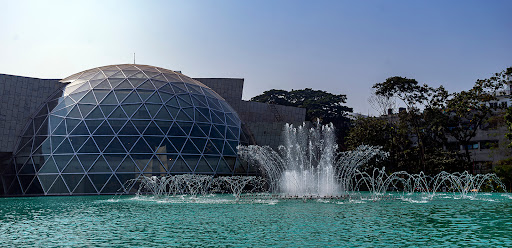
Permanent Address: It is currently located in a purpose-built structure in Agargaon, Dhaka.
Purpose: To document, preserve, and disseminate the history of Bangladesh's Liberation War and to honor the sacrifices of its people.
Exhibitions and Collections
The museum showcases a wide array of artifacts, documents, and multimedia presentations that tell the story of the Liberation War.
Historical Documents and Artifacts:
Original documents and agreements related to the independence movement.
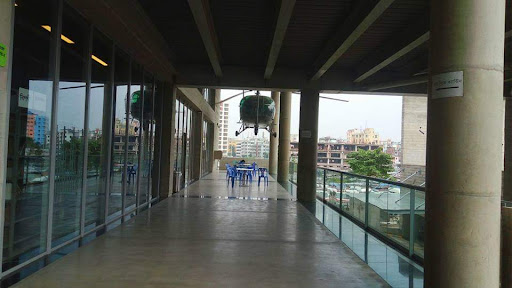
Weapons and tools used during the war, including rifles, grenades, and uniforms.
Photographs and Visuals:
Rare photographs capturing key moments from the war.
Images of mass killings, refugee camps, and the lives of freedom fighters.
Personal Belongings:
Items owned by freedom fighters and martyrs, such as diaries, letters, and clothing.
Genocide Documentation:
Detailed accounts and evidence of the genocide committed by the Pakistan military, including testimonies and mass grave photographs.
Audio-Visual Presentations:
Videos and audio recordings of speeches, news reports, and war narratives.
Interactive Displays:
Digital screens that allow visitors to explore the timeline of events, stories of individuals, and maps of significant battles.
Key Sections of the Museum
Pre-Independence History:
Explores the socio-political and cultural background of Bengal, including the Language Movement of 1952 and the rise of Bengali nationalism.
The Liberation War of 1971:
Focuses on the nine-month-long war, detailing major battles, the Declaration of Independence, and the creation of the Mukti Bahini (freedom fighters).
Genocide and Atrocities:
Chronicles the brutality of the Pakistani military, including the killing of intellectuals, mass rapes, and the displacement of millions of refugees.
Refugee and International Support:
Highlights the plight of refugees and the international community's support for Bangladesh's cause.
Victory and Aftermath:
Celebrates the victory on December 16, 1971, and the challenges of rebuilding the war-torn nation.
Educational and Research Activities
Workshops and Seminars: Regular events to educate students and the public about the Liberation War.
Archive and Library: A vast collection of books, documents, and audiovisual materials for researchers.
Oral History Program: The museum collects personal testimonies from survivors and veterans of the war.
Cultural Significance
The Liberation War Museum serves as a symbol of national pride and resilience. It ensures that the sacrifices made during the war are not forgotten and educates future generations about the importance of independence and freedom.
Architectural Design
The new building in Agargaon was designed to reflect the struggles and triumphs of the war.
The six galleries within the museum take visitors on a chronological journey through the history of the Liberation War.
Visiting Information
Timings: Open daily except for certain national holidays.
Entry Fee: Nominal fees are charged for entry, with discounts for students.
Impact
The museum has become a hub for learning and reflection. It not only serves Bangladesh but also resonates with global audiences who value human rights and justice.
presented by - MD. Habib Rahman Bin Aziz Local guide, home...
Read moreStarting its journey on March 22, 1996, the Liberation War Museum, more commonly known among Bangladeshis as the Muktijuddho Jadughar, has made a special place for itself in the hearts of millions. Located in a two-storied house in the capital's Segun Bagicha, the museum, an outcome of citizens' effort, does not just preserve history of the glorious Liberation War of 1971 but also through various programmes and activities engages with the new generation to make them aware of the history of their country.
Two of its most popular youth programmes have been the Outreach and the Reach Out programme. Through the Outreach programme, started in 1997, students of educational institutions in and around Dhaka get the opportunity to visit the museum, while through the Reach Out programme, which began in 2001, two mobile museum buses take selected exhibits to schools and colleges in other districts of the country. Till date, more than 1,900 educational institutions have been covered and about nine lakh students have been reached. An oral history project of collecting incidents of the Liberation War is also being undertaken through these two programmes. So far, more than 28,000 oral histories have been collected.
Run by an eight-member trustee board, the six galleries of the museum offers a tour that starts with the early history of the country, gradually moving on to its struggle against all forms of oppression during the British and the Pakistan rule, finally leading to the Liberation War. Almost reaching its 20th year, the museum now has over 18,000 exhibits, but due to space constraints cannot display its whole collection at the same time.
In 2013, the museum acquired its own land in the capital's Agargaon and construction of a museum compound is underway. True to its nature of being a people's museum, the money for building the new structure is being raised through people's donation.
Besides the displays, a library and kiosks, the museum has a rich collection of books and audio-visual materials on the Liberation War of Bangladesh. The documents and exhibits of the museum were also used at the International Crimes Tribunal. Last year, the museum opened the Centre for Study of Genocide and Justice under which students and professionals can learn about the causes and context of genocide in the history of mankind through one-month long workshops. A seven-day long winter-school was also conducted last year under this programme.
Founder of the “International Coalition of Sites of Conscience”, the museum brings together historic site museums from other parts of the world, sharing histories of atrocities, genocide and memories of people. The Jalladkhana (Slaughter House) killing field in Mirpur, from where remains of many martyrs were exhumed in 1999, was transformed into a memorial park to enable people to reflect on the atrocities carried out there and to realise the outcome of hatred and cruelty.
One of the most mentionable features of the museum is its large volunteer base. Young people from universities and colleges are actively engaged in different activities of the museum throughout the year. The museum holds a Victory Day festival with young children from educational institutions and also celebrates international days such as Hiroshima Day, Refugee Day and Non-Violence Day. Since 2013, the musuem has also been giving out the Bazlur Rahman Smriti Padak, an award given to journalists for reporting on...
Read moreThe Liberation War Museum in Dhaka is a deeply moving tribute to Bangladesh’s struggle for independence—a place where history, sacrifice, and national pride converge into a profoundly educational experience.
Overview
Situated in the heart of Dhaka (in Sher‑e‑Bangla Nagar), the museum chronicles the turbulent events of 1971 with a focus on both the heroic sacrifices and the painful losses that led to Bangladesh’s emergence as a sovereign nation. Visitors often describe it as “an excellent historic pictorial documentation” of the war, capturing the raw emotions and determination of a people fighting for freedom [ ].
Exhibits and Artifacts
The museum houses a diverse collection of artifacts—from personal belongings of freedom fighters to photographs, newspaper clippings, and everyday objects repurposed as historical evidence. Each exhibit is carefully curated to narrate a unique memory; for instance, some galleries feature the intimate stories behind simple items donated by victims’ families, which together build a powerful narrative of collective trauma and resilience. While some displays are stark and even disturbing, they serve to remind visitors of the immense human cost of the liberation struggle [ ].
Educational and Memorial Value
More than just a repository of artifacts, the museum is an educational hub. It offers guided tours in English for international visitors, interactive displays for younger audiences, and detailed narratives that put the historical events into context. The museum not only preserves the memory of the war but also fosters a deeper understanding of the social and cultural sacrifices that laid the foundation for modern Bangladesh. For many locals, the museum is a place of healing—a space where the pain of the past is acknowledged and honored [ ].
Emotional Impact
Walking through its halls, visitors are confronted with the stark realities of conflict and loss. The personal stories woven into each exhibit evoke a strong emotional response, prompting reflection on the true cost of freedom. Reviews frequently note how the museum’s immersive and poignant presentation makes the sacrifices of 1971 both tangible and unforgettable. It is this emotional authenticity that makes the museum such a critical site of national memory [ ].
Accessibility and Visitor Experience
With an affordable entry fee and a convenient location accessible by rickshaw, bus, or car, the museum welcomes both locals and international tourists. The facility is designed to be visitor‑friendly—with clear signage and a layout that guides guests naturally from one exhibit to the next—ensuring that even those unfamiliar with the historical context can engage with its content meaningfully.
Final Thoughts
Overall, the Liberation War Museum stands as an indispensable landmark in Dhaka. It is a place where history is not only preserved but also powerfully communicated, inviting every visitor to remember the sacrifices made for freedom. Whether you are a history buff or a curious traveler, a visit to this museum is a deeply enriching experience—one that fosters reflection, education, and a lasting respect for the resilience of the Bangladeshi...
Read more