HTML SitemapExplore
logo
Find Things to DoFind The Best Restaurants

Dakkhindihi Rabindra Complex — Attraction in Khulna Division

Name
Dakkhindihi Rabindra Complex
Description
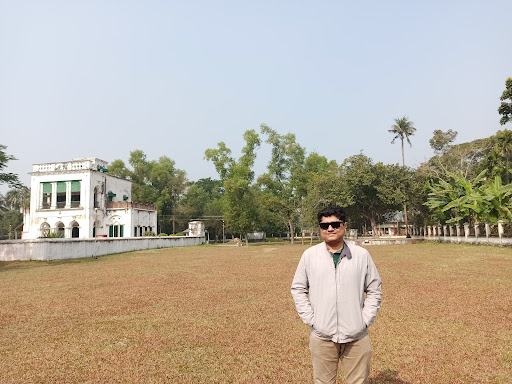
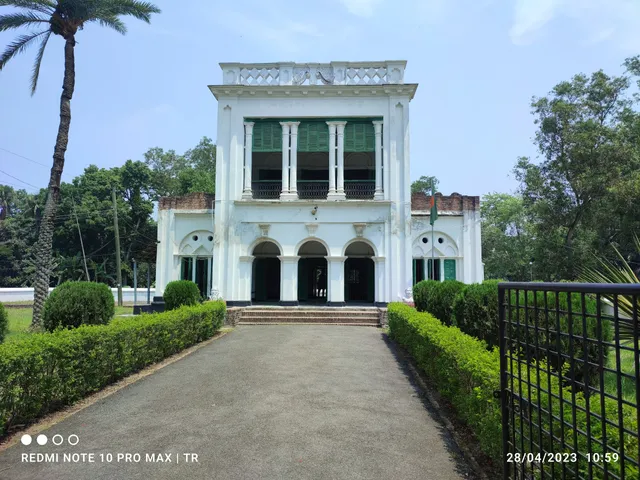
Rabindra Complex is located in Dakkhindihi village, Fultala Union Parishad, Phultala Upazila, 19 km from Khulna city, Bangladesh. It was the residence of Rabindranath Tagore's father-in-law, Beni Madhab Roy Chowdhury.
Nearby attractions
Nearby restaurants
Nearby hotels
Related posts
Keywords
Dakkhindihi Rabindra Complex tourism.Dakkhindihi Rabindra Complex hotels.Dakkhindihi Rabindra Complex bed and breakfast. flights to Dakkhindihi Rabindra Complex.Dakkhindihi Rabindra Complex attractions.Dakkhindihi Rabindra Complex restaurants.Dakkhindihi Rabindra Complex travel.Dakkhindihi Rabindra Complex travel guide.Dakkhindihi Rabindra Complex travel blog.Dakkhindihi Rabindra Complex pictures.Dakkhindihi Rabindra Complex photos.Dakkhindihi Rabindra Complex travel tips.Dakkhindihi Rabindra Complex maps.Dakkhindihi Rabindra Complex things to do.
Dakkhindihi Rabindra Complex things to do, attractions, restaurants, events info and trip planning
Dakkhindihi Rabindra Complex
BangladeshKhulna DivisionDakkhindihi Rabindra Complex

Basic Info

Dakkhindihi Rabindra Complex

XFQ5+WVF Dakshindihi, Jugnipasha, Bangladesh
4.4(470)
Open 24 hours
Save
spot

Ratings & Description

Info

Rabindra Complex is located in Dakkhindihi village, Fultala Union Parishad, Phultala Upazila, 19 km from Khulna city, Bangladesh. It was the residence of Rabindranath Tagore's father-in-law, Beni Madhab Roy Chowdhury.

Cultural
Family friendly
Accessibility
attractions: , restaurants:
logoLearn more insights from Wanderboat AI.

Plan your stay

hotel
Pet-friendly Hotels in Khulna Division
Find a cozy hotel nearby and make it a full experience.
hotel
Affordable Hotels in Khulna Division
Find a cozy hotel nearby and make it a full experience.
hotel
The Coolest Hotels You Haven't Heard Of (Yet)
Find a cozy hotel nearby and make it a full experience.
hotel
Trending Stays Worth the Hype in Khulna Division
Find a cozy hotel nearby and make it a full experience.

Reviews

Get the Appoverlay
Get the AppOne tap to find yournext favorite spots!
Wanderboat LogoWanderboat

Your everyday Al companion for getaway ideas

CompanyAbout Us
InformationAI Trip PlannerSitemap
SocialXInstagramTiktokLinkedin
LegalTerms of ServicePrivacy Policy

Get the app

© 2025 Wanderboat. All rights reserved.
logo

Posts

Kazi Moni-Uz-Zaman RatulKazi Moni-Uz-Zaman Ratul
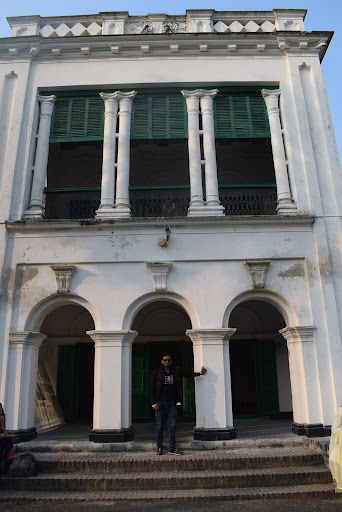
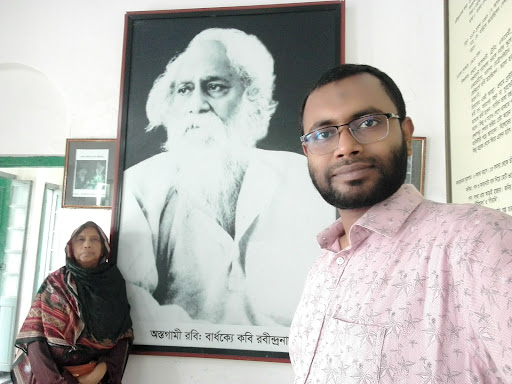
Robindro Complex is located in Dakkhindihi village,Phultala Union Parishad, Phultala Upazila, 19 km from Khulna city, Bangladesh. It was the residence of Robindronath Tagore's father-in-law, Beni Madhab Roy Chowdhury. In British India; Phultala Union Parishad was a single village named Phultala village and was under Khulna district of then Jashore Mohakuma. Tagore family had close connection with Dakkhindihi village. The maternal ancestral home of the poet was also situated at Dakkhindihi village, poet's mother Sarada Sundari Devi and his paternal aunt by marriage Tripura Sundari Devi; was born in this village. Not only that his grandmother Digambari Devi also was from Dakkhindihi. Young Tagore used to visit Dakkhindihi village with his mother to visit his maternal uncles in her mothers ancestral home. Tagore visited this place several times in his life. It has been declared as a protected archaeological site by Department of Archaeology of Bangladesh and converted into a museum. Jashore nandini Devi was Robindronath's sister in law and was the wife of his brother Satyendranath. She had very close relation with her brother-in-law Robindronath. During the 1982 Puja Vacation, Gyanadanandini Devi went to Narendrapur in Jashore to visit her Ancestral home, but the main purpose was to search for a bride from nearby pirali Brahmin family. With Gyanadanandini Devi, Kadambi Devi, Balika Indrani, Balak Surendra Nath and Robindronath also came to see the old Vita. From there they went to Fultala (Daksmindihi) to visit the bride, the daughter of Binimadhab Roy Chowdhury; Bhabratini. At age 22, Rabindranath married Bhabratini on 9 December 1883 at Jorosanko. Later she was introduced as Mrinalini Devi. It is assumed that the father of Mrinalini was involved in supervising the business of the Tagore family. According to Rabindranath's biographer Prasanta Kumar Paul's Rabindra Jiboni (The Life of Rabindranath), Rabindranath married Mrinalini Devi on 9 December 1883. His father-in-law Benimadhab Roy Choudhury, a landlord from Jessore, lived in Kolkata. His son Narendranath Roy Choudhury, better known as Felu Babu, would visit their lands in Dakkhindihi. Felu Babu's sons stayed at this building prior to partition. Before permanently moving to Kolkata in 1940, Felu Babu and his wife gave their property to a landlord named Bijankrishna Das as an exchange settlement. Naib Nabakumar Mustafi was in charge of the house and property. Bijankrishna Das left the county in 1965. Naib Mustafi's whereabouts are unknown. The house was taken over by others; 7 September 1995 the two-storey building was recovered from land grabbers. In 1995, the local administration took charge of the house and on 14 November of that year, the Rabindra Complex project was decided. Bangladesh Governments Department of Archeology has carried out the renovation work to make the house a museum titled 'Robindro Complex' in 2011-12 fiscal year. The two-storey museum building has four rooms on the first floor and two rooms on the ground floor at present. The building has eight windows on the ground floor and 21 windows on the first floor. The height of the roof from the floor on the ground floor is 13 feet. There are seven doors, six windows and wall almirahs on the first floor. Over 500 books were kept in the library and all the rooms have been decorated with rare pictures of Robindronath. Over 10,000 visitors come here every year to see the museum from different parts of the country and also from abroad, said Saifur Rahman, assistant director of the Department of Archeology in Khulna. A bust of Robindronath Tagore is also there. Every year on 25-27 Baishakh (after the Bengali New Year Celebration), cultural programs are held here which lasts for three days.
Liton BiswasLiton Biswas
Rabindra Complex is located in Dakkhindihi village, Fultala Union Parishad, Phultala Upazila, 19 km from Khulna city, Bangladesh. It was the residence of Rabindranath Tagore's father-in-law, Beni Madhab Roy Chowdhury. In British India, Fultala Union Parishad was a single village named Fultala village and was under Jessore district of then Khulna Mohakuma. Tagore family had close connection with Dakkhindihi village. The maternal ancestral home of the poet was also situated at Dakkhindihi village, poets mother Sarada Sundari Devi and his paternal aunt by marriage Tripura Sundari Devi; was born in this village. Not only that his grandmother Digambari Devi also was from Dakkhindihi. Young Tagore used to visit Dakkhindihi village with his mother to visit his maternal uncles in her mothers ancestral home. Tagore visited this place several times in his life. It has been declared as a protected archaeological site by Department of Archaeology of Bangladesh and converted into a museum. Gyanadanandini Devi was Rabindranath's sister in law and was the wife of his brother Satyendranath. She had very close relation with her brother-in-law Rabindranath. During the 1982 Puja Vacation, Gyanadanandini Devi went to Narendrapur in Jessore to visit her Ancestral home, but the main purpose was to search for a bride from nearby pirali Brahmin family. With Gyanadanandini Devi, Kadambi Devi, Balika Indrani, Balak Surendra Nath and Rabindranath also came to see the old Vita. From there they went to Fultala (Daksmindihi) to visit the bride, the daughter of Binimadhab Roy Chowdhury; Bhabratini. At age 22, Rabindranath married Bhabratini on 9 December 1883 at Jorosanko. Later she was introduced as Mrinalini Devi. It is assumed that the father of Mrinalini was involved in supervising the business of the Tagore family.[4] According to Rabindranath's biographer Prasanta Kumar Paul's Rabindra Jiboni (The Life of Rabindranath), Rabindranath married Mrinalini Devi on 9 December 1883. His father-in-law Benimadhab Roy Choudhury, a landlord from Jessore, lived in Kolkata. His son Narendranath Roy Choudhury, better known as Felu Babu, would visit their lands in Dakkhindihi. Felu Babu's sons stayed at this building prior to partition. Before permanently moving to Kolkata in 1940, Felu Babu and his wife gave their property to a landlord named Bijankrishna Das as an exchange settlement. Naib Nabakumar Mustafi was in charge of the house and property. Bijankrishna Das left the county in 1965. Naib Mustafi's whereabouts are unknown. The house was taken over by others; 7 September 1995 the two-storey building was recovered from land grabbers. In 1995, the local administration took charge
Fazlay RubbeFazlay Rubbe
Hidden away from the bustling tourist crowds lies a serene and enchanting village, a true gem for those seeking solace and connection with nature. This hidden paradise, tucked amidst lush greenery, exudes tranquility and offers a captivating glimpse into the past with its old traditional houses. As you venture into this village, you'll be greeted by the warm smiles of the friendly locals, whose hospitality reflects the essence of the place. The low tourist visit ensures an authentic and untouched experience, allowing you to embrace the village's natural beauty at its purest form. Walking through the narrow lanes, you'll find yourself surrounded by age-old trees, their branches forming a natural canopy overhead. The air is filled with the sweet scent of flowers and the earthy aroma of the countryside, refreshing your senses with every breath. The village's traditional houses, adorned with intricate woodwork and thatched roofs, stand as a testament to the rich cultural heritage of the region. Stepping inside, you'll be transported back in time, as the interior showcases the simple yet elegant lifestyle of the villagers, passed down through generations. One cannot help but be enchanted by the breathtaking vistas surrounding the village. Rolling hills, meandering streams, and vibrant fields paint a picture of pastoral beauty that feels like a painting come to life. Witnessing the mesmerizing sunrise and sunset from these tranquil landscapes is an experience that stays etched in memory forever. In this charming oasis, time seems to slow down, allowing you to fully immerse yourself in the beauty of the present moment. Whether it's wandering through the fields, enjoying a cup of tea with the locals, or simply sitting by the riverbank, you'll find peace and contentment in every little aspect of this village life. If you are a traveler seeking an escape from the fast-paced world, this place is a haven that will rejuvenate your soul. Embrace the simplicity, immerse yourself in nature's embrace, and relish the cultural heritage that resonates throughout the village's old traditional houses. It is an experience that leaves you with a profound appreciation for the beauty of the past and the wonders of untouched nature.
See more posts
See more posts
hotel
Find your stay

Pet-friendly Hotels in Khulna Division

Find a cozy hotel nearby and make it a full experience.

Robindro Complex is located in Dakkhindihi village,Phultala Union Parishad, Phultala Upazila, 19 km from Khulna city, Bangladesh. It was the residence of Robindronath Tagore's father-in-law, Beni Madhab Roy Chowdhury. In British India; Phultala Union Parishad was a single village named Phultala village and was under Khulna district of then Jashore Mohakuma. Tagore family had close connection with Dakkhindihi village. The maternal ancestral home of the poet was also situated at Dakkhindihi village, poet's mother Sarada Sundari Devi and his paternal aunt by marriage Tripura Sundari Devi; was born in this village. Not only that his grandmother Digambari Devi also was from Dakkhindihi. Young Tagore used to visit Dakkhindihi village with his mother to visit his maternal uncles in her mothers ancestral home. Tagore visited this place several times in his life. It has been declared as a protected archaeological site by Department of Archaeology of Bangladesh and converted into a museum. Jashore nandini Devi was Robindronath's sister in law and was the wife of his brother Satyendranath. She had very close relation with her brother-in-law Robindronath. During the 1982 Puja Vacation, Gyanadanandini Devi went to Narendrapur in Jashore to visit her Ancestral home, but the main purpose was to search for a bride from nearby pirali Brahmin family. With Gyanadanandini Devi, Kadambi Devi, Balika Indrani, Balak Surendra Nath and Robindronath also came to see the old Vita. From there they went to Fultala (Daksmindihi) to visit the bride, the daughter of Binimadhab Roy Chowdhury; Bhabratini. At age 22, Rabindranath married Bhabratini on 9 December 1883 at Jorosanko. Later she was introduced as Mrinalini Devi. It is assumed that the father of Mrinalini was involved in supervising the business of the Tagore family. According to Rabindranath's biographer Prasanta Kumar Paul's Rabindra Jiboni (The Life of Rabindranath), Rabindranath married Mrinalini Devi on 9 December 1883. His father-in-law Benimadhab Roy Choudhury, a landlord from Jessore, lived in Kolkata. His son Narendranath Roy Choudhury, better known as Felu Babu, would visit their lands in Dakkhindihi. Felu Babu's sons stayed at this building prior to partition. Before permanently moving to Kolkata in 1940, Felu Babu and his wife gave their property to a landlord named Bijankrishna Das as an exchange settlement. Naib Nabakumar Mustafi was in charge of the house and property. Bijankrishna Das left the county in 1965. Naib Mustafi's whereabouts are unknown. The house was taken over by others; 7 September 1995 the two-storey building was recovered from land grabbers. In 1995, the local administration took charge of the house and on 14 November of that year, the Rabindra Complex project was decided. Bangladesh Governments Department of Archeology has carried out the renovation work to make the house a museum titled 'Robindro Complex' in 2011-12 fiscal year. The two-storey museum building has four rooms on the first floor and two rooms on the ground floor at present. The building has eight windows on the ground floor and 21 windows on the first floor. The height of the roof from the floor on the ground floor is 13 feet. There are seven doors, six windows and wall almirahs on the first floor. Over 500 books were kept in the library and all the rooms have been decorated with rare pictures of Robindronath. Over 10,000 visitors come here every year to see the museum from different parts of the country and also from abroad, said Saifur Rahman, assistant director of the Department of Archeology in Khulna. A bust of Robindronath Tagore is also there. Every year on 25-27 Baishakh (after the Bengali New Year Celebration), cultural programs are held here which lasts for three days.
Kazi Moni-Uz-Zaman Ratul

Kazi Moni-Uz-Zaman Ratul

hotel
Find your stay

Affordable Hotels in Khulna Division

Find a cozy hotel nearby and make it a full experience.

Get the Appoverlay
Get the AppOne tap to find yournext favorite spots!
Rabindra Complex is located in Dakkhindihi village, Fultala Union Parishad, Phultala Upazila, 19 km from Khulna city, Bangladesh. It was the residence of Rabindranath Tagore's father-in-law, Beni Madhab Roy Chowdhury. In British India, Fultala Union Parishad was a single village named Fultala village and was under Jessore district of then Khulna Mohakuma. Tagore family had close connection with Dakkhindihi village. The maternal ancestral home of the poet was also situated at Dakkhindihi village, poets mother Sarada Sundari Devi and his paternal aunt by marriage Tripura Sundari Devi; was born in this village. Not only that his grandmother Digambari Devi also was from Dakkhindihi. Young Tagore used to visit Dakkhindihi village with his mother to visit his maternal uncles in her mothers ancestral home. Tagore visited this place several times in his life. It has been declared as a protected archaeological site by Department of Archaeology of Bangladesh and converted into a museum. Gyanadanandini Devi was Rabindranath's sister in law and was the wife of his brother Satyendranath. She had very close relation with her brother-in-law Rabindranath. During the 1982 Puja Vacation, Gyanadanandini Devi went to Narendrapur in Jessore to visit her Ancestral home, but the main purpose was to search for a bride from nearby pirali Brahmin family. With Gyanadanandini Devi, Kadambi Devi, Balika Indrani, Balak Surendra Nath and Rabindranath also came to see the old Vita. From there they went to Fultala (Daksmindihi) to visit the bride, the daughter of Binimadhab Roy Chowdhury; Bhabratini. At age 22, Rabindranath married Bhabratini on 9 December 1883 at Jorosanko. Later she was introduced as Mrinalini Devi. It is assumed that the father of Mrinalini was involved in supervising the business of the Tagore family.[4] According to Rabindranath's biographer Prasanta Kumar Paul's Rabindra Jiboni (The Life of Rabindranath), Rabindranath married Mrinalini Devi on 9 December 1883. His father-in-law Benimadhab Roy Choudhury, a landlord from Jessore, lived in Kolkata. His son Narendranath Roy Choudhury, better known as Felu Babu, would visit their lands in Dakkhindihi. Felu Babu's sons stayed at this building prior to partition. Before permanently moving to Kolkata in 1940, Felu Babu and his wife gave their property to a landlord named Bijankrishna Das as an exchange settlement. Naib Nabakumar Mustafi was in charge of the house and property. Bijankrishna Das left the county in 1965. Naib Mustafi's whereabouts are unknown. The house was taken over by others; 7 September 1995 the two-storey building was recovered from land grabbers. In 1995, the local administration took charge
Liton Biswas

Liton Biswas

hotel
Find your stay

The Coolest Hotels You Haven't Heard Of (Yet)

Find a cozy hotel nearby and make it a full experience.

hotel
Find your stay

Trending Stays Worth the Hype in Khulna Division

Find a cozy hotel nearby and make it a full experience.

Hidden away from the bustling tourist crowds lies a serene and enchanting village, a true gem for those seeking solace and connection with nature. This hidden paradise, tucked amidst lush greenery, exudes tranquility and offers a captivating glimpse into the past with its old traditional houses. As you venture into this village, you'll be greeted by the warm smiles of the friendly locals, whose hospitality reflects the essence of the place. The low tourist visit ensures an authentic and untouched experience, allowing you to embrace the village's natural beauty at its purest form. Walking through the narrow lanes, you'll find yourself surrounded by age-old trees, their branches forming a natural canopy overhead. The air is filled with the sweet scent of flowers and the earthy aroma of the countryside, refreshing your senses with every breath. The village's traditional houses, adorned with intricate woodwork and thatched roofs, stand as a testament to the rich cultural heritage of the region. Stepping inside, you'll be transported back in time, as the interior showcases the simple yet elegant lifestyle of the villagers, passed down through generations. One cannot help but be enchanted by the breathtaking vistas surrounding the village. Rolling hills, meandering streams, and vibrant fields paint a picture of pastoral beauty that feels like a painting come to life. Witnessing the mesmerizing sunrise and sunset from these tranquil landscapes is an experience that stays etched in memory forever. In this charming oasis, time seems to slow down, allowing you to fully immerse yourself in the beauty of the present moment. Whether it's wandering through the fields, enjoying a cup of tea with the locals, or simply sitting by the riverbank, you'll find peace and contentment in every little aspect of this village life. If you are a traveler seeking an escape from the fast-paced world, this place is a haven that will rejuvenate your soul. Embrace the simplicity, immerse yourself in nature's embrace, and relish the cultural heritage that resonates throughout the village's old traditional houses. It is an experience that leaves you with a profound appreciation for the beauty of the past and the wonders of untouched nature.
Fazlay Rubbe

Fazlay Rubbe

See more posts
See more posts

Reviews of Dakkhindihi Rabindra Complex

4.4
(470)
avatar
5.0
5y

Robindro Complex is located in Dakkhindihi village,Phultala Union Parishad, Phultala Upazila, 19 km from Khulna city, Bangladesh. It was the residence of Robindronath Tagore's father-in-law, Beni Madhab Roy Chowdhury. In British India; Phultala Union Parishad was a single village named Phultala village and was under Khulna district of then Jashore Mohakuma. Tagore family had close connection with Dakkhindihi village. The maternal ancestral home of the poet was also situated at Dakkhindihi village, poet's mother Sarada Sundari Devi and his paternal aunt by marriage Tripura Sundari Devi; was born in this village. Not only that his grandmother Digambari Devi also was from Dakkhindihi. Young Tagore used to visit Dakkhindihi village with his mother to visit his maternal uncles in her mothers ancestral home. Tagore visited this place several times in his life. It has been declared as a protected archaeological site by Department of Archaeology of Bangladesh and converted into a museum.

Jashore nandini Devi was Robindronath's sister in law and was the wife of his brother Satyendranath. She had very close relation with her brother-in-law Robindronath. During the 1982 Puja Vacation, Gyanadanandini Devi went to Narendrapur in Jashore to visit her Ancestral home, but the main purpose was to search for a bride from nearby pirali Brahmin family. With Gyanadanandini Devi, Kadambi Devi, Balika Indrani, Balak Surendra Nath and Robindronath also came to see the old Vita. From there they went to Fultala (Daksmindihi) to visit the bride, the daughter of Binimadhab Roy Chowdhury; Bhabratini. At age 22, Rabindranath married Bhabratini on 9 December 1883 at Jorosanko. Later she was introduced as Mrinalini Devi. It is assumed that the father of Mrinalini was involved in supervising the business of the Tagore family.

According to Rabindranath's biographer Prasanta Kumar Paul's Rabindra Jiboni (The Life of Rabindranath), Rabindranath married Mrinalini Devi on 9 December 1883. His father-in-law Benimadhab Roy Choudhury, a landlord from Jessore, lived in Kolkata. His son Narendranath Roy Choudhury, better known as Felu Babu, would visit their lands in Dakkhindihi. Felu Babu's sons stayed at this building prior to partition. Before permanently moving to Kolkata in 1940, Felu Babu and his wife gave their property to a landlord named Bijankrishna Das as an exchange settlement. Naib Nabakumar Mustafi was in charge of the house and property. Bijankrishna Das left the county in 1965. Naib Mustafi's whereabouts are unknown. The house was taken over by others; 7 September 1995 the two-storey building was recovered from land grabbers. In 1995, the local administration took charge of the house and on 14 November of that year, the Rabindra Complex project was decided. Bangladesh Governments Department of Archeology has carried out the renovation work to make the house a museum titled 'Robindro Complex' in 2011-12 fiscal year.

The two-storey museum building has four rooms on the first floor and two rooms on the ground floor at present. The building has eight windows on the ground floor and 21 windows on the first floor. The height of the roof from the floor on the ground floor is 13 feet. There are seven doors, six windows and wall almirahs on the first floor. Over 500 books were kept in the library and all the rooms have been decorated with rare pictures of Robindronath. Over 10,000 visitors come here every year to see the museum from different parts of the country and also from abroad, said Saifur Rahman, assistant director of the Department of Archeology in Khulna. A bust of Robindronath Tagore is also there. Every year on 25-27 Baishakh (after the Bengali New Year Celebration), cultural programs are held here which lasts...

   Read more
avatar
5.0
4y

Rabindra Complex is located in Dakkhindihi village, Fultala Union Parishad, Phultala Upazila, 19 km from Khulna city, Bangladesh. It was the residence of Rabindranath Tagore's father-in-law, Beni Madhab Roy Chowdhury. In British India, Fultala Union Parishad was a single village named Fultala village and was under Jessore district of then Khulna Mohakuma. Tagore family had close connection with Dakkhindihi village. The maternal ancestral home of the poet was also situated at Dakkhindihi village, poets mother Sarada Sundari Devi and his paternal aunt by marriage Tripura Sundari Devi; was born in this village. Not only that his grandmother Digambari Devi also was from Dakkhindihi. Young Tagore used to visit Dakkhindihi village with his mother to visit his maternal uncles in her mothers ancestral home. Tagore visited this place several times in his life. It has been declared as a protected archaeological site by Department of Archaeology of Bangladesh and converted into a museum. Gyanadanandini Devi was Rabindranath's sister in law and was the wife of his brother Satyendranath. She had very close relation with her brother-in-law Rabindranath. During the 1982 Puja Vacation, Gyanadanandini Devi went to Narendrapur in Jessore to visit her Ancestral home, but the main purpose was to search for a bride from nearby pirali Brahmin family. With Gyanadanandini Devi, Kadambi Devi, Balika Indrani, Balak Surendra Nath and Rabindranath also came to see the old Vita. From there they went to Fultala (Daksmindihi) to visit the bride, the daughter of Binimadhab Roy Chowdhury; Bhabratini. At age 22, Rabindranath married Bhabratini on 9 December 1883 at Jorosanko. Later she was introduced as Mrinalini Devi. It is assumed that the father of Mrinalini was involved in supervising the business of the Tagore family.[4] According to Rabindranath's biographer Prasanta Kumar Paul's Rabindra Jiboni (The Life of Rabindranath), Rabindranath married Mrinalini Devi on 9 December 1883. His father-in-law Benimadhab Roy Choudhury, a landlord from Jessore, lived in Kolkata. His son Narendranath Roy Choudhury, better known as Felu Babu, would visit their lands in Dakkhindihi. Felu Babu's sons stayed at this building prior to partition. Before permanently moving to Kolkata in 1940, Felu Babu and his wife gave their property to a landlord named Bijankrishna Das as an exchange settlement. Naib Nabakumar Mustafi was in charge of the house and property. Bijankrishna Das left the county in 1965. Naib Mustafi's whereabouts are unknown. The house was taken over by others; 7 September 1995 the two-storey building was recovered from land grabbers. In 1995, the local...

   Read more
avatar
4.0
1y

The Dakkhindihi Rabindra Complex, located in Dakkhindihi village near Phultala Upazila, approximately 19 km from Khulna city, stands as a testament to the rich cultural and historical connections between the Tagore family and this region of Bangladesh. Once the residence of Beni Madhab Roy Chowdhury, Rabindranath Tagore's father-in-law, the complex has evolved into a museum and cultural center dedicated to the poet's legacy.

🏛️ Historical Significance

Dakkhindihi holds a special place in the life of Rabindranath Tagore, The poet's maternal ancestral home was situated here, and he frequently visited the village during his youth. His visits to Dakkhindihi were often to meet his maternal uncles, strengthening the familial. In 1995, the local administration took steps to preserve the historical site by reclaiming the property from unauthorized occupants. Subsequent restoration efforts were initiated, and in 2007, the Government of Bangladesh declared the house a protected archaeological site. The complex was officially inaugurated as the Rabindra Complex in 2016, aiming to honor Tagore's connection to the region.

🏛️ Architecture & Preservation

The two-story building showcases traditional Bengali architectural elements, reflecting the era in which it was constructe. However, restoration efforts have been met with criticis. Notably, the original red walls were painted white during renovations, and excessive use of cement altered the building's historical appearanc. Critics argue that these changes have compromised the complex's archaeological authenticit.

🎭 Cultural Activitie

The Rabindra Complex serves as a venue for various cultural events and exhibitions, celebrating Rabindranath Tagore's contributions to literature and the architechture .Visitors can explore exhibits related to the poet's life and works, gaining insights into his literary contributions.The complex also hosts performances and events that promote the arts and engage the communiy.

🕒 Visiting Information

*Location: Dakkhindihi, Phultala Upazila, Khulna, Banglaesh.

*Best Time to Visit: November to March, when the weather is favorable for outdoor events and cultural activites.

*Entry Fee:

Local visitors: BDT 20; Foreign visitors: BDT50.

✅ Final Thoughs

The Dakkhindihi Rabindra Complex offers a unique glimpse into the life and legacy of Rabindranath Tagore, set against the backdrop of the poet's familial ties to the rego.While the site has faced challenges in preservation, it remains a significant cultural landmark in Khun.For those interested in Bengali literature and history, a visit to the complex provides an...

   Read more

Page 1 of 7
Previous
Next