HTML SitemapExplore

Khan Jahan Ali Bridge — Attraction in Khulna Division

Name
Khan Jahan Ali Bridge
Description
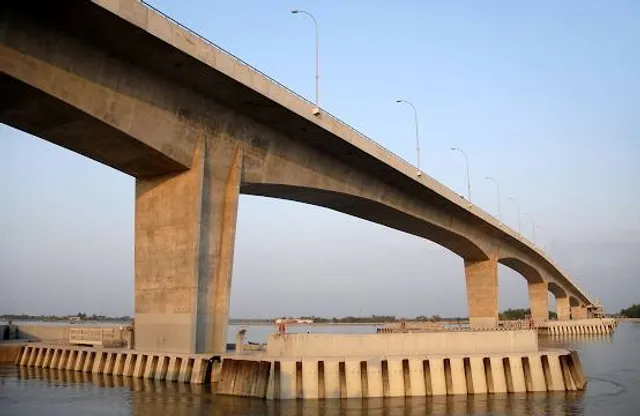
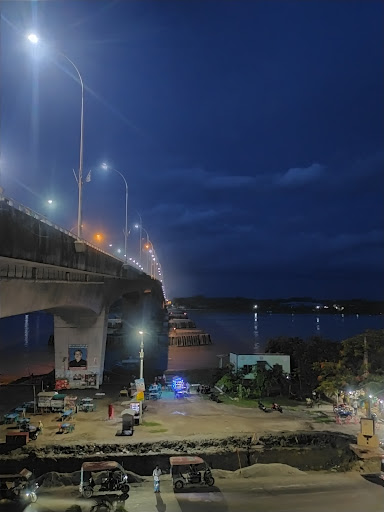
Khan Jahan Ali Bridge is a bridge over Rupsa River in Khulna, Bangladesh and named after Khan Jahan Ali. The bridge is also known as Rupsa bridge.
Nearby attractions
Khan Jahan Ali Bridge Jame Masjid
QHGP+QMX, Khulna, Bangladesh
Nearby restaurants
Nearby local services
Nearby hotels
Related posts
Keywords
Khan Jahan Ali Bridge tourism.Khan Jahan Ali Bridge hotels.Khan Jahan Ali Bridge bed and breakfast. flights to Khan Jahan Ali Bridge.Khan Jahan Ali Bridge attractions.Khan Jahan Ali Bridge restaurants.Khan Jahan Ali Bridge local services.Khan Jahan Ali Bridge travel.Khan Jahan Ali Bridge travel guide.Khan Jahan Ali Bridge travel blog.Khan Jahan Ali Bridge pictures.Khan Jahan Ali Bridge photos.Khan Jahan Ali Bridge travel tips.Khan Jahan Ali Bridge maps.Khan Jahan Ali Bridge things to do.
Khan Jahan Ali Bridge things to do, attractions, restaurants, events info and trip planning
Khan Jahan Ali Bridge
BangladeshKhulna DivisionKhan Jahan Ali Bridge

Basic Info

Khan Jahan Ali Bridge

QHHM+2PR, N709, Khulna, Bangladesh
4.5(544)
Open 24 hours
Save
spot

Ratings & Description

Info

Khan Jahan Ali Bridge is a bridge over Rupsa River in Khulna, Bangladesh and named after Khan Jahan Ali. The bridge is also known as Rupsa bridge.

Scenic
Outdoor
attractions: Khan Jahan Ali Bridge Jame Masjid, restaurants: , local businesses:
logoLearn more insights from Wanderboat AI.

Plan your stay

hotel
Pet-friendly Hotels in Khulna Division
Find a cozy hotel nearby and make it a full experience.
hotel
Affordable Hotels in Khulna Division
Find a cozy hotel nearby and make it a full experience.
hotel
The Coolest Hotels You Haven't Heard Of (Yet)
Find a cozy hotel nearby and make it a full experience.
hotel
Trending Stays Worth the Hype in Khulna Division
Find a cozy hotel nearby and make it a full experience.

Reviews

Nearby attractions of Khan Jahan Ali Bridge

Khan Jahan Ali Bridge Jame Masjid

Khan Jahan Ali Bridge Jame Masjid

Khan Jahan Ali Bridge Jame Masjid

4.5

(48)

Open 24 hours
Click for details
Get the Appoverlay
Get the AppOne tap to find yournext favorite spots!
Wanderboat LogoWanderboat

Your everyday Al companion for getaway ideas

CompanyAbout Us
InformationAI Trip PlannerSitemap
SocialXInstagramTiktokLinkedin
LegalTerms of ServicePrivacy Policy

Get the app

Š 2025 Wanderboat. All rights reserved.

Posts

Nahiduzzaman LituNahiduzzaman Litu
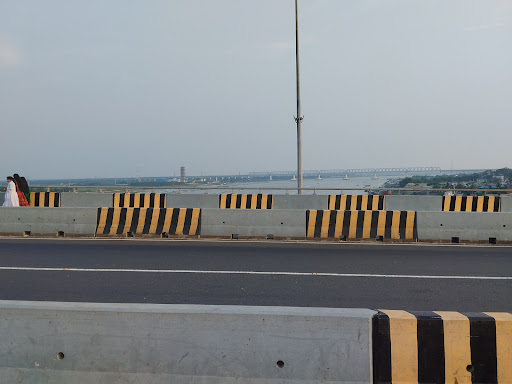
Khanjahan Ali Bridge is located 4.80 km away from Khulna Town. It is called the gateway of Khulna because the bridge connects the Southern districts of Bangladesh with the Port of Mongla, the second largest sea port of Bangladesh. The length of the bridge is 1.6 km and its width is 16.48 meters. Khanjahan Ali Bridge is a bridge built over the Rupsa River. It is also known as Rupsa Bridge. The special feature of this bridge is that there are four stairs, two at each end, which can be used to climb to the main bridge. A large number of visitors come to visit the bridge every day for its stunning river views and modern design, it’s a great spot to enjoy the beauty of the Rupsha River.
Avik ZamanAvik Zaman
The Rupsha Bridge in Khulna, Bangladesh, is an iconic engineering marvel that spans the Rupsha River. Opened in 2004, it serves as a vital transportation link, connecting Khulna with the southwestern region of the country. This cable-stayed bridge stands as a symbol of progress and development in the region, significantly reducing travel time and improving connectivity for both commuters and cargo transport. Its modern design, with a central tower and multiple cable stays, adds to its aesthetic appeal. Rupsha Bridge has played a pivotal role in boosting trade and economic activities in Khulna and neighboring areas while enhancing the city's skyline.
Rauf Hossain AkibRauf Hossain Akib
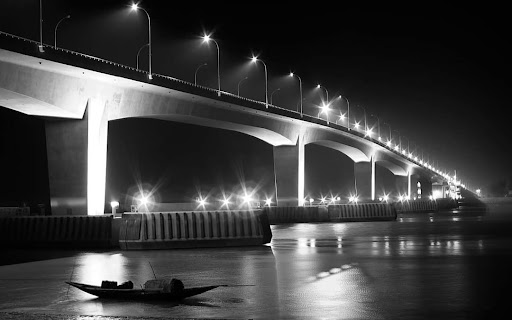
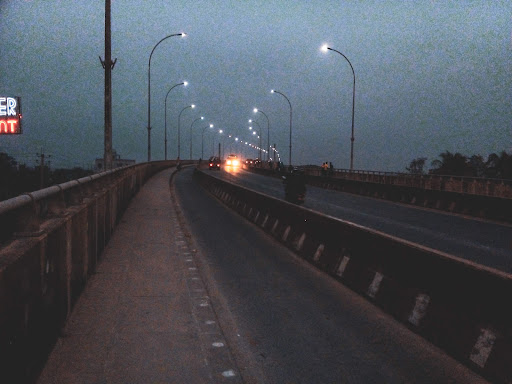
Rupsha bridge over the river of Rupsha, the gateway of Khulna as it connects the Southern districts of Bangladesh with Mongla port which is the second largest port of the country. Rupsha bridge stands strong in so many years as new. This is one the most spacious bridges in the country and has separate lanes for small and light vehicles as well as walking paths. Watching the sunset from here is peace â¤ī¸ This bridge shows different kind of beauty in early morning, in afternoon and in night. Also, the street foods near the bridges are of so many varieties.
See more posts
See more posts
hotel
Find your stay

Pet-friendly Hotels in Khulna Division

Find a cozy hotel nearby and make it a full experience.

Khanjahan Ali Bridge is located 4.80 km away from Khulna Town. It is called the gateway of Khulna because the bridge connects the Southern districts of Bangladesh with the Port of Mongla, the second largest sea port of Bangladesh. The length of the bridge is 1.6 km and its width is 16.48 meters. Khanjahan Ali Bridge is a bridge built over the Rupsa River. It is also known as Rupsa Bridge. The special feature of this bridge is that there are four stairs, two at each end, which can be used to climb to the main bridge. A large number of visitors come to visit the bridge every day for its stunning river views and modern design, it’s a great spot to enjoy the beauty of the Rupsha River.
Nahiduzzaman Litu

Nahiduzzaman Litu

hotel
Find your stay

Affordable Hotels in Khulna Division

Find a cozy hotel nearby and make it a full experience.

Get the Appoverlay
Get the AppOne tap to find yournext favorite spots!
The Rupsha Bridge in Khulna, Bangladesh, is an iconic engineering marvel that spans the Rupsha River. Opened in 2004, it serves as a vital transportation link, connecting Khulna with the southwestern region of the country. This cable-stayed bridge stands as a symbol of progress and development in the region, significantly reducing travel time and improving connectivity for both commuters and cargo transport. Its modern design, with a central tower and multiple cable stays, adds to its aesthetic appeal. Rupsha Bridge has played a pivotal role in boosting trade and economic activities in Khulna and neighboring areas while enhancing the city's skyline.
Avik Zaman

Avik Zaman

hotel
Find your stay

The Coolest Hotels You Haven't Heard Of (Yet)

Find a cozy hotel nearby and make it a full experience.

hotel
Find your stay

Trending Stays Worth the Hype in Khulna Division

Find a cozy hotel nearby and make it a full experience.

Rupsha bridge over the river of Rupsha, the gateway of Khulna as it connects the Southern districts of Bangladesh with Mongla port which is the second largest port of the country. Rupsha bridge stands strong in so many years as new. This is one the most spacious bridges in the country and has separate lanes for small and light vehicles as well as walking paths. Watching the sunset from here is peace â¤ī¸ This bridge shows different kind of beauty in early morning, in afternoon and in night. Also, the street foods near the bridges are of so many varieties.
Rauf Hossain Akib

Rauf Hossain Akib

See more posts
See more posts

Reviews of Khan Jahan Ali Bridge

4.5
(544)
avatar
5.0
1y

A Landmark and Marvel: Khan Jahan Ali Bridge Review

The Khan Jahan Ali Bridge is more than just a bridge in Khulna; it's a remarkable landmark and a feat of engineering. Here's why it's worth a visit:

Architectural Beauty: The bridge's design is impressive. The six lanes of traffic flow across its elegant suspension structure, creating a striking visual against the Khulna skyline. Improved Connectivity: The bridge has significantly reduced travel time between Khulna city and Rupsha upazila. It plays a vital role in the city's infrastructure and economic development. Panoramic Views: Take a moment to appreciate the panoramic views of the Rupsha River and the surrounding landscape from the bridge. It's a particularly beautiful sight at sunrise or sunset.

A few things to keep in mind:

Primarily for Vehicles: While pedestrians and cyclists are allowed, the bridge is primarily designed for vehicles. It's best experienced while crossing it by car, bus, rickshaw, or another mode of transportation. Potential Traffic: The bridge can get congested, especially during peak hours. Be prepared for delays if you're visiting during busy times.

Overall, the Khan Jahan Ali Bridge is a must-see for anyone visiting Khulna. It's a testament to Bangladeshi engineering and offers a unique perspective...

   Read more
avatar
5.0
4y

āĻ–āĻžāύāϜāĻžāĻšāĻžāύ āφāϞ⧀ āϏ⧇āϤ⧁ āϰ⧂āĻĒāϏāĻž āύāĻĻā§€āϰ āωāĻĒāϰ āύāĻŋāĻ°ā§āĻŽāĻŋāϤ āĻāĻ•āϟāĻŋ āϏ⧇āϤ⧁āĨ¤ āĻāϟāĻŋ āϰ⧂āĻĒāϏāĻž āϏ⧇āϤ⧁ āύāĻžāĻŽā§‡āĻ“ āĻĒāϰāĻŋāϚāĻŋāϤāĨ¤ āĻāχ āϏ⧇āϤ⧁āϰ āĻŦāĻŋāĻļ⧇āώ āĻŦ⧈āĻļāĻŋāĻˇā§āĻŸā§āϝ āĻšāϞ⧋ āĻĻ⧁āχ āĻĒā§āϰāĻžāĻ¨ā§āϤ⧇ āĻĻ⧁āϟāĻŋ āĻ•āϰ⧇ āĻŽā§‹āϟ āϚāĻžāϰāϟāĻŋ āϏāĻŋāĻĄāĻŧāĻŋ āϰāϝāĻŧ⧇āϛ⧇ āϝāĻžāϰ āϏāĻžāĻšāĻžāĻ¯ā§āϝ⧇ āĻŽā§‚āϞ āϏ⧇āϤ⧁āϤ⧇ āωāĻ āĻž āϝāĻžāϝāĻŧāĨ¤ āĻĒā§āϰāϤāĻŋāĻĻāĻŋāύ āĻĒā§āϰāϚ⧁āϰ āĻĻāĻ°ā§āĻļāύāĻžāĻ°ā§āĻĨā§€ āϏ⧇āϤ⧁āϟāĻŋ āĻĒāϰāĻŋāĻĻāĻ°ā§āĻļāύ āĻ•āϰāϤ⧇ āφāϏ⧇āύāĨ¤ āĻ…āĻ¨ā§āϝ āύāĻžāĻŽ: āϰ⧂āĻĒāϏāĻž āϏ⧇āϤ⧁ āĻ…āϤāĻŋāĻ•ā§āϰāĻŽ āĻ•āϰ⧇: āϰ⧂āĻĒāϏāĻž āύāĻĻā§€ āĻŽā§‹āϟ āĻĻ⧈āĻ°ā§āĻ˜ā§āϝ: ā§§.ā§Ŧā§Ļ āĻ•āĻŋ.āĻŽāĻŋ āϰāĻ•ā§āώāĻŖāĻžāĻŦ⧇āĻ•ā§āώāĻ•: āĻŦāĻžāĻ‚āϞāĻžāĻĻ⧇āĻļ āϏ⧇āϤ⧁ āĻ•āĻ°ā§āϤ⧃āĻĒāĻ•ā§āώ āϞāĻŋāĻŽāĻŋāĻŸā§‡āĻĄāĨ¤āĻ–āĻžāύāϜāĻžāĻšāĻžāύ āφāϞ⧀ āϏ⧇āϤ⧁ āϰ⧂āĻĒāϏāĻž āύāĻĻā§€āϰ āωāĻĒāϰ āύāĻŋāĻ°ā§āĻŽāĻŋāϤ āĻāĻ•āϟāĻŋ āϏ⧇āϤ⧁āĨ¤ āĻāϟāĻŋ āϰ⧂āĻĒāϏāĻž āϏ⧇āϤ⧁ āύāĻžāĻŽā§‡āĻ“ āĻĒāϰāĻŋāϚāĻŋāϤāĨ¤ āĻāχ āϏ⧇āϤ⧁āϰ āĻŦāĻŋāĻļ⧇āώ āĻŦ⧈āĻļāĻŋāĻˇā§āĻŸā§āϝ āĻšāϞ⧋ āĻĻ⧁āχ āĻĒā§āϰāĻžāĻ¨ā§āϤ⧇ āĻĻ⧁āϟāĻŋ āĻ•āϰ⧇ āĻŽā§‹āϟ āϚāĻžāϰāϟāĻŋ āϏāĻŋāĻĄāĻŧāĻŋ āϰāϝāĻŧ⧇āϛ⧇ āϝāĻžāϰ āϏāĻžāĻšāĻžāĻ¯ā§āϝ⧇ āĻŽā§‚āϞ āϏ⧇āϤ⧁āϤ⧇ āωāĻ āĻž āϝāĻžāϝāĻŧāĨ¤ āĻĒā§āϰāϤāĻŋāĻĻāĻŋāύ āĻĒā§āϰāϚ⧁āϰ āĻĻāĻ°ā§āĻļāύāĻžāĻ°ā§āĻĨā§€ āϏ⧇āϤ⧁āϟāĻŋ āĻĒāϰāĻŋāĻĻāĻ°ā§āĻļāύ āĻ•āϰāϤ⧇ āφāϏ⧇āύāĨ¤āĨ¤āϖ⧁āϞāύāĻž āĻļāĻšāϰ⧇āϰ āϰ⧂āĻĒāϏāĻž āĻĨ⧇āϕ⧇ āĻŦā§āϰāĻŋāĻœā§‡āϰ āĻĻā§‚āϰāĻ¤ā§āĻŦ ā§Ē.ā§Žā§Ļ āĻ•āĻŋ.āĻŽāĻŋāĨ¤ āĻāχ āϏ⧇āϤ⧁āϕ⧇ āϖ⧁āϞāύāĻž āĻļāĻšāϰ⧇āϰ āĻĒā§āϰāĻŦ⧇āĻļāĻĻā§āĻŦāĻžāϰ āĻŦāϞāĻž āϝāĻžāϝāĻŧ āĻ•āĻžāϰāĻŖ āĻāχ āϏ⧇āϤ⧁ āϖ⧁āϞāύāĻžāϰ āϏāĻ™ā§āϗ⧇ āĻĻāĻ•ā§āώāĻŋāĻŖāĻžāĻžā§āϚāϞ⧇āϰ āĻœā§‡āϞāĻžāϗ⧁āϞāĻŋāϰ āĻŦāĻŋāĻļ⧇āώāϤ āĻŽāĻ‚āϞāĻž āϏāĻŽā§āĻĻā§āϰ āĻŦāĻ¨ā§āĻĻāϰ⧇āϰ āϏāĻ™ā§āϗ⧇ āϏāĻĄāĻŧāĻ• āϝ⧋āĻ—āĻžāϝ⧋āĻ— āĻ¸ā§āĻĨāĻžāĻĒāĻŋāϤ āĻšāϝāĻŧ⧇āϛ⧇āĨ¤ āϏ⧇āϤ⧁āϟāĻŋāϰ āĻĻ⧈āĻ°ā§āĻ˜ā§āϝ āĻĒā§āϰāĻžāϝāĻŧ ā§§.ā§Ŧā§Ļ āĻ•āĻŋ.āĻŽāĻŋ.āĨ¤[ā§§] āϏ⧇āϤ⧁āϟāĻŋāϤ⧇ āĻĒāĻĨāϚāĻžāϰ⧀ āĻ“ āĻ…āϝāĻžāĻ¨ā§āĻ¤ā§āϰāĻŋāĻ• āϝāĻžāύāĻŦāĻžāĻšāύ⧇āϰ āϜāĻ¨ā§āϝ āĻŦāĻŋāĻļ⧇āώ āϞ⧇āύ āϰāϝāĻŧ⧇āϛ⧇āĨ¤ āĻŦāĻ°ā§āϤāĻŽāĻžāύ⧇ āĻāϟāĻŋ āϖ⧁āϞāύāĻžāϰ āĻāĻ•āϟāĻŋ āĻĻāĻ°ā§āĻļāύ⧀āϝāĻŧ āĻ¸ā§āĻĨāĻžāύ⧇ āĻĒāϰāĻŋāĻŖāϤ āĻšāϝāĻŧ⧇āϛ⧇āĨ¤ āϰāĻžāϤ⧇ āϏ⧇āϤ⧁āϰ āωāĻĒāϰ āĻĨ⧇āϕ⧇ āϖ⧁āϞāύāĻž āĻļāĻšāϰāϕ⧇ āĻ…āĻĒā§‚āĻ°ā§āĻŦ āϏ⧁āĻ¨ā§āĻĻāϰ āĻŽāύ⧇ āĻšāϝāĻŧāĨ¤ āĻ‰ā§ŽāϏāĻŦ⧇āϰ āĻĻāĻŋāύāϗ⧁āϞ⧋āϤ⧇ āĻāχ āϏ⧇āϤ⧁āϤ⧇ āϤāϰ⧁āĻŖ-āϤāϰ⧁āĻŖā§€āϰāĻž āĻ­āĻŋāĻĄāĻŧ āĻ•āϰ⧇āύ āĻ“ āφāύāĻ¨ā§āĻĻ āĻ•āϰ⧇āύāĨ¤ āϜāĻžāĻĒāĻžāύ⧀ āϏāĻšāĻžāϝāĻŧāϤāĻžāϝāĻŧ āύāĻŋāĻ°ā§āĻŽāĻŋāϤ āϏ⧇āϤ⧁āϟāĻŋāϰ āĻ­āĻŋāĻ¤ā§āϤāĻŋ āĻĒā§āϰāĻ¸ā§āϤāϰ āĻ¸ā§āĻĨāĻžāĻĒāύ āĻ•āϰ⧇āύ āĻ¤ā§ŽāĻ•āĻžāϞ⧀āύ āĻĒā§āϰāϧāĻžāύāĻŽāĻ¨ā§āĻ¤ā§āϰ⧀ āĻļ⧇āĻ– āĻšāĻžāϏāĻŋāύāĻž āĻāĻŦāĻ‚ āωāĻĻā§āĻŦā§‹āϧāύ āĻ•āϰ⧇āύ āϏāĻžāĻŦ⧇āĻ• āĻĒā§āϰāϧāĻžāύāĻŽāĻ¨ā§āĻ¤ā§āϰ⧀ āĻŦ⧇āĻ—āĻŽāĻ–āĻžāϞ⧇āĻĻāĻž āϜāĻŋāϝāĻŧāĻžāĨ¤ āϖ⧁āϞāύāĻžāϰ āϰ⧂āĻĒāϏāĻž āύāĻĻā§€āϰ āϏ⧌āĻ¨ā§āĻĻāĻ°ā§āϝ⧇ āĻŽā§āĻ—ā§āϧ āĻšāϝāĻŧ⧇ āĻ•āĻŦāĻŋ āĻœā§€āĻŦāύāĻžāύāĻ¨ā§āĻĻ āĻĻāĻžāϏ āϞāĻŋāϖ⧇āĻ›āĻŋāϞ⧇āύ “āϰ⧂āĻĒāϏāĻžāϰ āĻ˜ā§‹āϞāĻž āϜāϞ⧇ āĻšāϝāĻŧāϤ⧋ āĻ•āĻŋāĻļā§‹āϰ āĻāĻ• āϏāĻžāĻĻāĻž āϛ⧇āĻĄāĻŧāĻž āĻĒāĻžāϞ⧇ āĻĄāĻŋāĻ™āĻž āĻŦāĻžāϝāĻŧ; āϰāĻžāĻ™ā§āĻ—āĻž āĻŽā§‡āϘ āϏāĻžāρāϤāϰāĻžāϝāĻŧ⧇ āĻ…āĻ¨ā§āϧāĻ•āĻžāϰ⧇ āφāϏāĻŋāϤ⧇āϛ⧇ āύ⧀āĻĄāĻŧā§‡â€āĨ¤ āĻœā§€āĻŦāύāĻžāύāĻ¨ā§āĻĻ⧇āϰ āϏ⧇āχ āϰ⧂āĻĒāϏāĻž āύāĻĻā§€āϰ āωāĻĒāϰ āĻ—āĻĄāĻŧ⧇ āϤ⧋āϞāĻž āĻšāϝāĻŧ⧇āϛ⧇ āĻ–āĻžāύāϜāĻžāĻšāĻžāύ āφāϞ⧀ āϏ⧇āϤ⧁ (Khan Jahan Ali Bridge), āϝāĻž āϰ⧂āĻĒāϏāĻž āϏ⧇āϤ⧁ āĻšāĻŋāϏ⧇āĻŦ⧇āχ āĻŦ⧇āĻļā§€ āϜāύāĻĒā§āϰāĻŋāϝāĻŧāĨ¤ āϰ⧂āĻĒāϏāĻž āϏ⧇āϤ⧁āϰ āĻŽāĻžāĻ§ā§āϝāĻŽā§‡ āĻĻāĻ•ā§āώāĻŋāĻŖāĻžāĻžā§āϚāϞ⧇āϰ āϏāĻ•āϞ āĻœā§‡āϞāĻž āĻ“ āĻŽāĻ‚āϞāĻž āϏāĻŽā§āĻĻā§āϰ āĻŦāĻ¨ā§āĻĻāϰ⧇āϰ āϏāĻžāĻĨ⧇ āϏāĻĄāĻŧāĻ• āϝ⧋āĻ—āĻžāϝ⧋āĻ— āĻ¸ā§āĻĨāĻžāĻĒāĻŋāϤ āĻšāĻŦāĻžāϰ āĻ•āĻžāϰāϪ⧇ āĻāϕ⧇ āϖ⧁āϞāύāĻž āĻļāĻšāϰ⧇āϰ āĻĒā§āϰāĻŦ⧇āĻļ āĻĻā§āĻŦāĻžāϰāĻ“ āĻŦāϞāĻž āĻšāϝāĻŧāĨ¤ āϜāĻžāĻĒāĻžāύāĻŋ āϏāĻšāĻžāϝāĻŧāϤāĻžāϝāĻŧ āύāĻŋāĻ°ā§āĻŽāĻŋāϤ āϰ⧂āĻĒāϏāĻž āϏ⧇āϤ⧁ āϏāĻ•āϞ āĻ‰ā§ŽāϏāĻŦ āĻāĻŦāĻ‚ āϏāĻžāĻĒā§āϤāĻžāĻšāĻŋāĻ• āϛ⧁āϟāĻŋāϰ āĻĻāĻŋāύāϗ⧁āϞ⧋āϤ⧇ āϖ⧁āϞāύāĻžāĻŦāĻžāϏ⧀āϰ āϜāĻ¨ā§āϝ āϚāĻŽā§ŽāĻ•āĻžāϰ āĻāĻ• āĻĻāĻ°ā§āĻļāύ⧀āϝāĻŧ āĻ¸ā§āĻĨāĻžāύ⧇ āĻĒāϰāĻŋāĻŖāϤ āĻšāϝāĻŧ⧇āϛ⧇āĨ¤

āϰ⧂āĻĒāϏāĻž āϏ⧇āϤ⧁āϰ āĻĻ⧈āĻ°ā§āĻ˜ā§āϝ ā§§.ā§Ŧā§Ļ āĻ•āĻŋāϞ⧋āĻŽāĻŋāϟāĻžāϰāĨ¤ āĻŦā§āϰāĻŋāĻœā§‡ āĻĒāĻĨāϚāĻžāϰ⧀ āĻ“ āĻ…āϝāĻžāĻ¨ā§āĻ¤ā§āϰāĻŋāĻ• āϝāĻžāύāĻŦāĻžāĻšāύ⧇āϰ āϝāĻžāϤāĻžāϝāĻŧāĻžāϤ⧇āϰ āϜāĻ¨ā§āϝ āϰāϝāĻŧ⧇āϛ⧇ āĻŦāĻŋāĻļ⧇āώ āϞ⧇āύ⧇āϰ āĻŦā§āϝāĻŦāĻ¸ā§āĻĨāĻžāĨ¤ āĻāĻ›āĻžāĻĄāĻŧāĻž āĻŽā§‚āϞ āϏ⧇āϤ⧁āϤ⧇ āωāĻ āĻžāϰ āϜāĻ¨ā§āϝ āϏ⧇āϤ⧁āϰ āĻĻ⧁āχ āĻĒā§āϰāĻžāĻ¨ā§āϤ⧇ āĻĻ⧁āϟāĻŋ āĻ•āϰ⧇ āĻŽā§‹āϟ āϚāĻžāϰāϟāĻŋ āϏāĻŋāρāĻĄāĻŧāĻŋ āĻ°ā§Ÿā§‡āϛ⧇āĨ¤ āϏ⧇āϤ⧁āϰ āĻĒāĻļā§āϚāĻŋāĻŽ āĻĒā§āϰāĻžāĻ¨ā§āϤ⧇ āύāĻĻā§€āϰ āĻĒāĻžāĻĄāĻŧ⧇ āϏāĻŦāϏāĻŽāϝāĻŧāχ āĻĻāĻ°ā§āĻļāύāĻžāĻ°ā§āĻĨā§€āĻĻ⧇āϰ āĻ­āĻŋāĻĄāĻŧ āϞ⧇āϗ⧇ āĻĨāĻžāϕ⧇āĨ¤ āφāϰ āϰāĻžāϤ⧇āϰ āĻŦ⧇āϞāĻžāϝāĻŧ āϏ⧇āϤ⧁āϰ āωāĻĒāϰ āĻĨ⧇āϕ⧇ āϖ⧁āϞāύāĻž āĻļāĻšāϰ āĻĻ⧇āĻ–āϤ⧇ āϏāĻŦāĻšā§‡āϝāĻŧ⧇ āĻŦ⧇āĻļā§€ āϏ⧁āĻ¨ā§āĻĻāϰ āϞāĻžāϗ⧇āĨ¤ āĻ•āĻŋāĻ­āĻžāĻŦ⧇ āϝāĻžāĻŦ⧇āύ āϖ⧁āϞāύāĻž āĻļāĻšāϰ āĻĨ⧇āϕ⧇ āϰ⧂āĻĒāϏāĻž āϏ⧇āϤ⧁āϰ āĻĻā§‚āϰāĻ¤ā§āĻŦ ā§§ā§­ āĻ•āĻŋāϞ⧋āĻŽāĻŋāϟāĻžāϰāĨ¤ āĻĸāĻžāĻ•āĻž āĻĨ⧇āϕ⧇ āϖ⧁āϞāύāĻžāϰ āϰ⧂āĻĒāϏāĻž āϏ⧇āϤ⧁ āϝāĻžāĻ“āϝāĻŧāĻžāϰ āĻ•ā§āώ⧇āĻ¤ā§āϰ⧇ āĻĒā§āϰāĻĨāĻŽā§‡ āϖ⧁āϞāύāĻž āĻļāĻšāϰ⧇ āϝ⧇āϤ⧇ āĻšāĻŦ⧇āĨ¤ āĻĸāĻžāĻ•āĻž āĻĨ⧇āϕ⧇ āϏāĻĄāĻŧāĻ•, āϰ⧇āϞ āĻŦāĻž āύ⧌āĻĒāĻĨ⧇ āϖ⧁āϞāύāĻž āϝ⧇āϤ⧇ āĻĒāĻžāϰ⧇āύāĨ¤ āϏāĻĄāĻŧāĻ•āĻĒāĻĨ⧇ āĻĸāĻžāĻ•āĻžāϰ āϗ⧁āϞāĻŋāĻ¸ā§āĻĨāĻžāύ āĻŦāĻž āϏāĻžāϝāĻŧ⧇āĻĻāĻžāĻŦāĻžāĻĻ āĻĨ⧇āϕ⧇ āĻ āϕ⧇ āĻŸā§āĻ°ā§āϝāĻžāϭ⧇āϞāϏ, āϏ⧋āĻšāĻžāĻ—, āĻšāĻžāύāĻŋāĻĢ, āĻĢāĻžāĻ˛ā§āϗ⧁āύāĻŋ, āϏ⧇āĻŦāĻž āĻ—ā§āϰāĻŋāύ āϞāĻžāχāύ āĻ“ āϟ⧁āĻ™ā§āĻ—āĻŋ āĻĒāĻžāĻĄāĻŧāĻž āĻāĻ•ā§āϏāĻĒā§āϰ⧇āϏ⧇āϰ āĻŽāϤ⧋ āĻŦāĻžāϏ⧇ āĻŽāĻžāĻ“āϝāĻŧāĻž āϘāĻžāϟ āĻšāϝāĻŧ⧇ āϖ⧁āϞāύāĻž āϝ⧇āϤ⧇ āĻĒāĻžāϰāĻŦ⧇āύāĨ¤ āĻŦāĻžāϏ āϭ⧇āĻĻ⧇ āĻ­āĻžāĻĄāĻŧāĻž āĻĒāĻĄāĻŧāĻŦ⧇ ā§Ēā§Ļā§Ļ-ā§§ā§Šā§Ļā§Ļ āϟāĻžāĻ•āĻžāĨ¤ āĻŦāĻžāϏ⧇ āϖ⧁āϞāύāĻž āĻļāĻšāϰ⧇āϰ āϏ⧋āύāĻžāĻĄāĻžāĻ™ā§āĻ—āĻž āĻŦāĻžāϏ āϟāĻžāĻ°ā§āĻŽāĻŋāύāĻžāϞ⧇ āύ⧇āĻŽā§‡ āχāϜāĻŋāĻŦāĻžāχāĻ• āĻŦāĻž āϰāĻŋāĻ•āĻļāĻžāϝāĻŧ āĻāĻŽ āĻ āĻŦāĻžāϰāĻŋ āϰāĻžāĻ¸ā§āϤāĻž āϧāϰ⧇ āϏāĻžāĻŽāύ⧇ āĻāĻ—āĻŋāϝāĻŧ⧇ āϰ⧂āĻĒāϏāĻž āĻŦā§āϰāĻŋāĻœā§‡ āϝāĻžāĻ“āϝāĻŧāĻžāϰ āφāϞāĻžāĻĻāĻž āϰāĻžāĻ¸ā§āϤāĻž āĻĻāĻŋāϝāĻŧ⧇ āĻ–āĻžāύāϜāĻžāĻšāĻžāύ āφāϞ⧀ āϏ⧇āϤ⧁āϤ⧇ āϝ⧇āϤ⧇ āĻĒāĻžāϰāĻŦ⧇āύāĨ¤

āϰ⧇āϞāĻĒāĻĨ⧇ āĻĸāĻžāĻ•āĻžāϰ āĻ•āĻŽāϞāĻžāĻĒ⧁āϰ āĻĨ⧇āϕ⧇ āϏ⧁āĻ¨ā§āĻĻāϰāĻŦāύ āĻŦāĻž āϚāĻŋāĻ¤ā§āϰāĻž āĻāĻ•ā§āϏāĻĒā§āϰ⧇āϏ⧇ āϖ⧁āϞāύāĻž āϝāĻžāĻ“āϝāĻŧāĻž āϝāĻžāϝāĻŧāĨ¤ āĻ­āĻžāĻĄāĻŧāĻž āĻĒāĻĄāĻŧāĻŦ⧇ ā§Ģā§Ļā§Ģ-ā§¯ā§Žā§Ļ āϟāĻžāĻ•āĻžāĨ¤ āφāĻŦāĻžāϰ āύ⧌āĻĒāĻĨ⧇ āĻĸāĻžāĻ•āĻžāϰ āĻŦāĻžāĻĻāĻžāĻŽāϤāϞ⧀ āϘāĻžāϟ āĻĨ⧇āϕ⧇ āĻĒā§āϰāϤāĻŋ āĻŦ⧁āϧāĻŦāĻžāϰ āĻĒāĻŋ āĻāϏ āĻŽāĻžāϏāĻšā§āĻĻ āĻŦāĻž āĻĒāĻŋ āĻāϏ āĻ…āĻ¸ā§āĻŸā§āϰāĻŋāĻšā§‡āϰ āĻŽāϤ⧋ āĻ¸ā§āϟāĻŋāĻŽāĻžāϰ āĻŽāĻ‚āϞāĻž āĻšāϝāĻŧ⧇ āϖ⧁āϞāύāĻžāϤ⧇ āϝāĻžāϤāĻžāϝāĻŧāĻžāϤ āĻ•āϰ⧇āĨ¤

āϕ⧋āĻĨāĻžāϝāĻŧ āĻĨāĻžāĻ•āĻŦ⧇āύ āϖ⧁āϞāύāĻž āĻļāĻšāϰ⧇ āĻŦāĻŋāĻ­āĻŋāĻ¨ā§āύ āĻŽāĻžāύ⧇āϰ āϏāϰāĻ•āĻžāϰ⧀ āĻ“ āĻŦ⧇āϏāϰāĻ•āĻžāϰāĻŋ āφāĻŦāĻžāϏāύ⧇āϰ āĻŦā§āϝāĻŦāĻ¸ā§āĻĨāĻž āφāϛ⧇āĨ¤ āφāĻŦāĻžāϏāĻŋāĻ• āĻšā§‹āĻŸā§‡āϞ⧇āϰ āĻŽāĻ§ā§āϝ⧇ āϟāĻžāχāĻ—āĻžāϰ āĻ—āĻžāĻ°ā§āĻĄā§‡āύ āχāĻ¨ā§āϟāĻžāϰ āĻ¨ā§āϝāĻžāĻļāύāĻžāϞ āĻšā§‹āĻŸā§‡āϞ, āϏāĻŋāϟāĻŋ āχāύ āϞāĻŋāĻŽāĻŋāĻŸā§‡āĻĄ, āĻšā§‹āĻŸā§‡āϞ āĻ•ā§āϝāĻžāϏāϞ āϏāĻžāϞāĻžāĻŽ, āĻ“āϝāĻŧ⧇āĻ¸ā§āϟāĻžāĻ°ā§āύ āχāύ, āĻšā§‹āĻŸā§‡āϞ āĻšāϞāĻŋāĻĄā§‡ āχāĻ¨ā§āϟāĻžāϰāĻ¨ā§āϝāĻžāĻļāύāĻžāϞ āĻ“ āĻšā§‹āĻŸā§‡āϞ āĻŽāĻŋāϞ⧇āύāĻŋāϝāĻŧāĻžāĻŽ āωāĻ˛ā§āϞ⧇āĻ–āϝ⧋āĻ—ā§āϝāĨ¤ āĻāĻ›āĻžāĻĄāĻŧāĻž āϖ⧁āϞāύāĻžā§Ÿ āϏāĻžāĻ°ā§āĻ•āĻŋāϟ āĻšāĻžāωāϜ, āĻāϞāϜāĻŋāĻĄāĻŋ āϰ⧇āĻ¸ā§āϟ āĻšāĻžāωāϜ, āĻŦāĻŋāφāχāĻĄāĻŦā§āϞāĻŋāωāϟāĻŋāϏāĻŋ āϰ⧇āĻ¸ā§āϟ āĻšāĻžāωāϜ, āϖ⧁āϞāύāĻž āϏāĻŋāϟāĻŋ āĻ•āĻ°ā§āĻĒā§‹āϰ⧇āĻļāύ āϰ⧇āĻ¸ā§āϟ āĻšāĻžāωāϜ, āĻŽāĻ‚āϞāĻž āĻŦāĻ¨ā§āĻĻāϰ āϰ⧇āĻ¸ā§āϟ āĻšāĻžāωāϜ, āϏāĻĄāĻŧāĻ• āĻ“ āϜāύāĻĒāĻĨ āϰ⧇āĻ¸ā§āϟ āĻšāĻžāωāĻœā§‡āϰ āĻŽāϤ⧋ āϏāϰāĻ•āĻžāϰ⧀ āφāĻŦāĻžāϏāύ⧇āϰ āĻŦā§āϝāĻŦāĻ¸ā§āĻĨāĻž āĻ°ā§Ÿā§‡āϛ⧇āĨ¤

īŋŧ

āϕ⧋āĻĨāĻžāϝāĻŧ āĻ–āĻžāĻŦ⧇āύ āϖ⧁āϞāύāĻž āĻļāĻšāϰ⧇ āϰāϝāĻŧ⧇āϛ⧇ āĻŽāĻ§ā§āϝāĻŽ āĻĨ⧇āϕ⧇ āωāĻ¨ā§āύāϤ āĻŽāĻžāύ⧇āϰ āĻŦ⧇āĻļ āĻ•āĻŋāϛ⧁ āĻ­āĻžāϞ⧋ āϰ⧇āĻ¸ā§āϟ⧁āϰ⧇āĻ¨ā§āϟ āĻ“ āĻ•ā§āϝāĻžāĻĢ⧇āĨ¤ āĻāϏāĻŦ āϰ⧇āĻ¸ā§āϟ⧁āϰ⧇āĻ¨ā§āĻŸā§‡ āĻŦāĻžāĻ™ā§āĻ—āĻžāϞāĻŋ āĻļāĻžāĻšāĻŋ āĻ–āĻžāĻŦāĻžāϰ, āĻĢāĻžāĻ¸ā§āϟ āĻĢ⧁āĻĄ āφāχāĻŸā§‡āĻŽ, āϚāĻžāχāύāĻŋāϜāϏāĻš āϏāĻŦ āϧāϰāύ⧇āϰāχ āĻ–āĻžāĻŦāĻžāϰ āĻĒāĻžāĻ“āϝāĻŧāĻž āϝāĻžāϝāĻŧāĨ¤ āϖ⧁āϞāύāĻžāϰ āϜāύāĻĒā§āϰāĻŋāϝāĻŧ āĻ–āĻžāĻŦāĻžāϰ⧇āϰ āĻŽāĻ§ā§āϝ⧇ āϚ⧁āχāĻāĻžāϞ⧇āϰ āϘ⧁āĻ—āύāĻŋ āĻ“ āĻāĻžāϞāĻŽā§āĻĄāĻŧāĻŋ, āϚ⧁āχāĻāĻžāϞ⧇āϰ āĻ–āĻžāϏāĻŋ āĻ“ āĻ—āϰ⧁āϰ āĻŽāĻžāĻ‚āϏ, āĻ–āĻžāϞāĻŋāĻļāĻĒ⧁āϰ⧇āϰ āĻŽā§‡āĻ—āĻžāϰ āĻŽā§‹āĻĄāĻŧ⧇āϰ āĻŦāĻŋāϰāĻŋāϝāĻŧāĻžāύāĻŋ, ā§§ āϟāĻžāĻ•āĻžāϰ āĻĒ⧁āϰāĻŋ, āϏāĻ¨ā§āĻĻ⧇āĻļ āĻ“ āĻ—āϞāĻĻāĻž āϚāĻŋāĻ‚āĻĄāĻŧāĻŋ āĻ…āĻ¨ā§āϝāϤāĻŽāĨ¤ āϖ⧁āϞāύāĻžāϰ āĻ…āĻ¨ā§āϝāĻžāĻ¨ā§āϝ āĻĻāĻ°ā§āĻļāύ⧀āϝāĻŧ āĻ¸ā§āĻĨāĻžāύ⧇āϰ āĻŽāĻ§ā§āϝ⧇ āϖ⧁āϞāύāĻž āĻŦāĻŋāĻ­āĻžāĻ—ā§€āϝāĻŧ āϜāĻžāĻĻ⧁āϘāϰ, āĻļāĻšā§€āĻĻ āĻšāĻžāĻĻāĻŋāϏ āĻĒāĻžāĻ°ā§āĻ•, āĻ•āϰāĻŽāϜāϞ āĻĒāĻ°ā§āϝāϟāύ āϕ⧇āĻ¨ā§āĻĻā§āϰ, āϏ⧁āĻ¨ā§āĻĻāϰāĻŦāύ āĻ“ āĻ•āϟāĻ•āĻž āϏāĻŽā§āĻĻā§āϰ āϏ⧈āĻ•āϤ...

   Read more
avatar
5.0
2y

Khan Jahan Ali Bridge is a road bridge located in the Khulna district of Bangladesh. It spans over the Rupsha River, connecting the city of Khulna with Bagerhat district.

The bridge was constructed in 2004 and is named after Khan Jahan Ali, a renowned Muslim saint and warrior who played an important role in the spread of Islam in the region. The bridge is also known as the Rupsha Bridge.

The Khan Jahan Ali Bridge is an important transportation link in the region, facilitating the movement of goods and people between Khulna and Bagerhat. It is also a popular spot for tourists, offering stunning views of the river and the surrounding countryside.

The bridge has a total length of 1.8 kilometers and a width of 18.5 meters. It has two lanes for traffic in each direction and is designed to withstand the high winds and floods that are common in the region.

Overall, the Khan Jahan Ali Bridge is an important infrastructure project that has improved connectivity and economic opportunities in the Khulna region...

   Read more
Page 1 of 7
Previous
Next