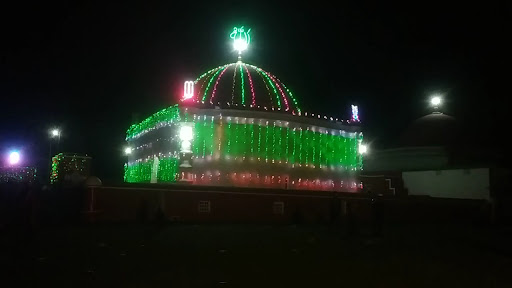
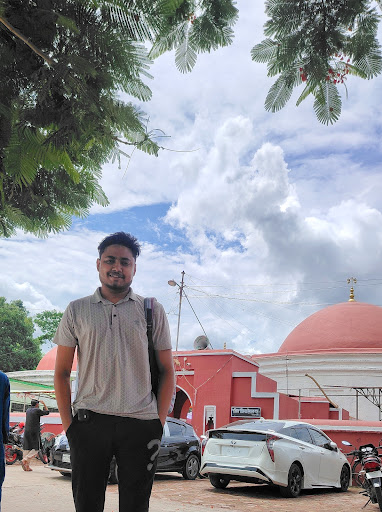
Khan Jahan Ali's Shrine: A Blend of History, Spirituality, and Serenity
Located in Bagerhat, Khulna, Bangladesh, the shrine of Khan Jahan Ali (R.A) is a revered historical and religious site in Bangladesh. Khan Jahan Ali was a 15th-century Muslim saint, a philanthropist, and a pioneer of Islamic propagation and urban development in southern Bengal. His shrine attracts hundreds of visitors, devotees, and history enthusiasts every day.
The shrine complex is clean, well-maintained, and surrounded by a peaceful atmosphere. Standing within the premises, one can almost feel the touch of history. Just a short walk away is the famous Sixty Dome Mosque (Shat Gombuj Masjid), a UNESCO World Heritage Site that complements the historical significance of the area.
One of the most unique features of the shrine is the large pond nearby, home to giant freshwater crocodiles, locally known as “Dudh Kumir” (milk crocodiles). Feeding these crocodiles is a fascinating experience for visitors and adds to the mystique of the site.
Overall, Khan Jahan Ali’s shrine offers a remarkable combination of religious reverence, historical importance, and natural beauty. For anyone interested in the spiritual and cultural heritage of Bangladesh, this is a must-visit destination.
Rating (Personal Opinion): 🌟🌟🌟🌟⭐ (4.5/5)
Best Time to Visit: Winter (November to February)
Travel Tip: Fridays and religious occasions are usually crowded. For a more peaceful visit, choose weekdays.
A visit to this shrine deserves a place on every traveler's bucket list.
It's my 3rd visit...
Read moreA serene and historical gem in Bagerhat! Khan Jahan Ali Mazar is a must-visit destination for anyone interested in history, spirituality, and architecture. Located in Bagerhat, this mausoleum is the resting place of the great 15th-century Muslim saint and ruler, Khan Jahan Ali, who played a key role in spreading Islam in the region.
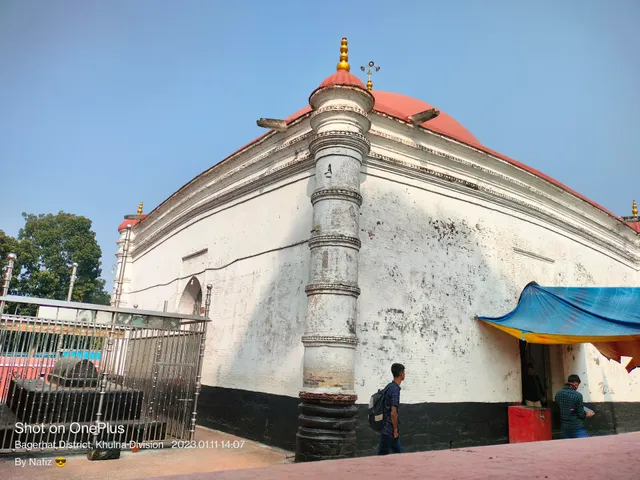
The Mazar itself is a beautiful example of Islamic architecture, made of stone and showcasing a peaceful, spiritual atmosphere. The site is well-maintained and surrounded by a clean compound, with a large pond nearby known as the “Dighi”—famous for its sacred crocodiles, which are believed by locals to be spiritual guardians of the site.
The environment is calm and respectful, ideal for quiet reflection or prayer. Visitors often light candles or offer flowers at the tomb. Local guides are available to share the rich history and legends surrounding the place.
It’s also close to the Sixty Dome Mosque (Shat Gombuj Masjid), so you can explore both on the same trip. Whether you’re a tourist or a local, this is a culturally significant site that leaves a lasting impression. Don’t forget to dress modestly and respect the local customs during your visit.
Highly recommended for...
Read moreat the east and the central portion of the qibla wall is projected westward from the ground to the roof. Stylistically this kind is known as Khan Jahan Ali architecture, commonly found in and around the southwestern part of Bangladesh.
The square structure is buttressed by four corner circular turrets. These turrets end at the level of parapet walls and are ribbed in typical Bengali Sultanate fashion. The façades are capped by curvilinear cornices of pre-Mughal type. Exterior façades are of plain brick texture with framed arched openings. The central entrance is larger than the side ones, which are slightly narrower and dwarfish. The mihrab has terracotta ornamentation. There are two niches each at the western, northern, and southern façades the flanking the mihrab and entrances.
Presently in use as a mosque and altered in many ways though it was restored and repaired by the Department of Archaeology, Bangladesh, and is now a...
Read more