The Kutibari of Rabindranath Tagore in Shilaidaha, Kushtia is truly a historical and spectacular place. Can raise; World poet Rabindranath Tagore's house in Shilaidaha village of Kumarkhali upazila of Kushtia. This house is one of the places of pilgrimage of the zamindari of Jorasako Tagore family in the subcontinent and one of the places of literature and history of the poet. In 1890, Rabindranath Tagore came to Kuthibari with the responsibility of zamindar.
In the green forest along the banks of the river Padma and in the twilight of the blue and white clouds, the beautiful scenery of nature at the same time, the image of ferry crossing in the golden sun and the various arrangements of fishermen fishing will attract anyone. Here is the natural love of nature with the traditional rural way of life. Where the poet has written all the famous books like Sonar Tari, Chitra, Chaitali, Gitanjali.
īŋŧīŋŧYou will see
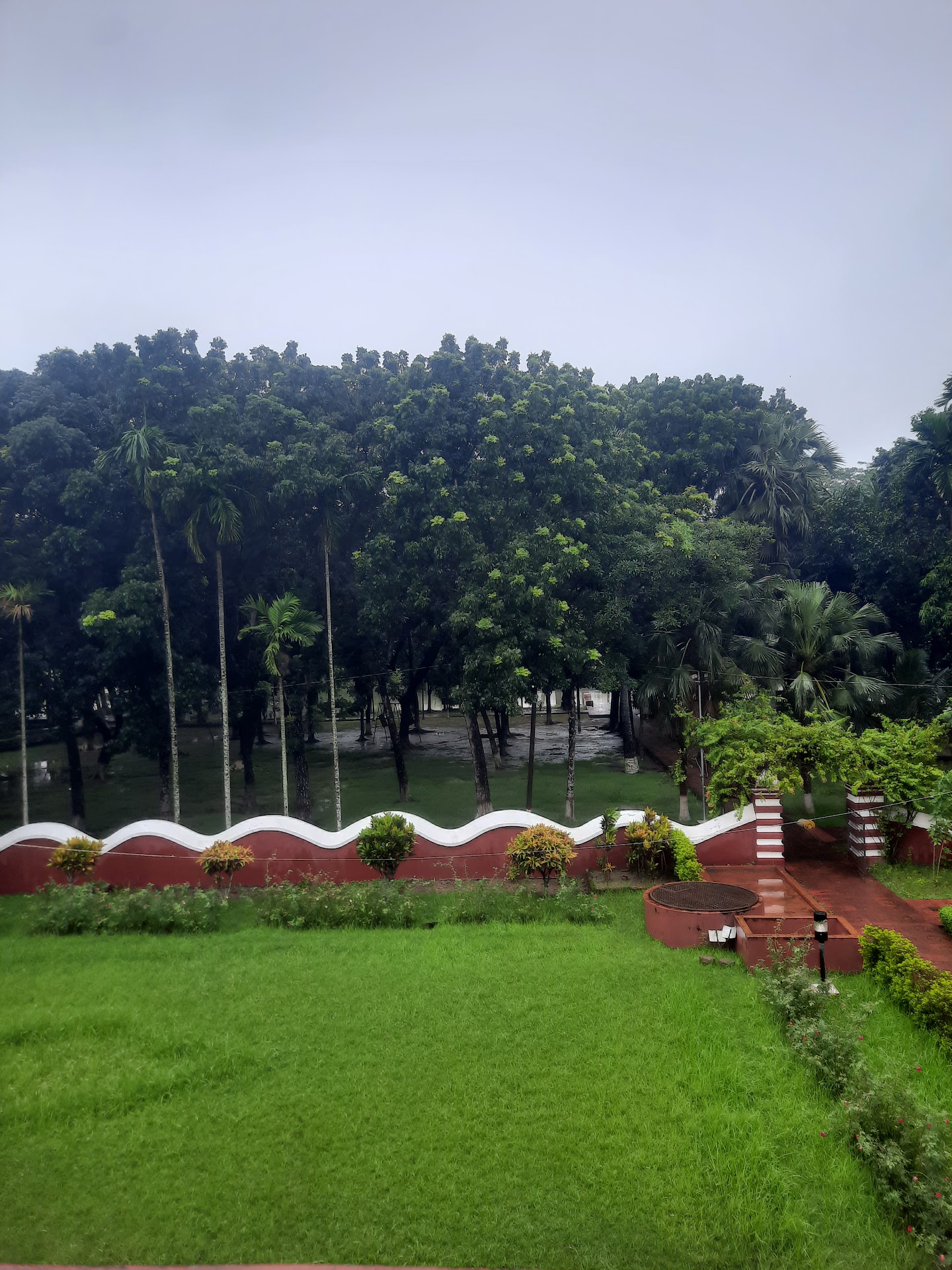
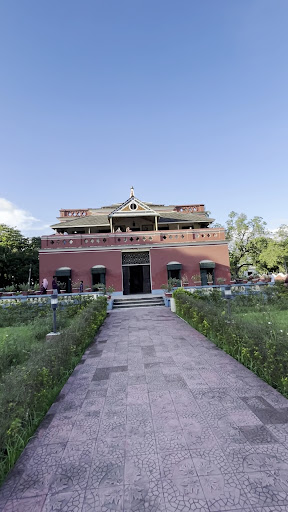
The three-storied pyramid house surrounded by a wave-shaped wall of the Padma River will greet you from afar before entering. Seen from a distance, it looks like a wonderful portrait made of paper. The house is surrounded by a carpet of green grass, adorned with colorful flowers. And there is no doubt that the beauty of the Zhou tree, as well as the chirping of birds, the beauty of the surrounding nature will fascinate any tourist.
This is like a house of peace. When you enter through the gate, you will be greeted by the soft melody of Rabindra Sangeet. From the top of the house to the sixteen rooms on the ground floor, there are various paintings of the life of the poet's house, copies of letters, hand-painted pictures of the poet himself. Which are still being written from page to page of the poet's memory, various images of Rabindranath's life have come up since childhood.
There are also sofas, cupboards, iron chests, armchairs, couches and couches used by Rabindranath. Just looking at them will take you back to the old 18th century zamindari tradition. And eight Bihar palanquins have been taken care of there. It is said that traveling by palanquin by land was his favorite. There are two speedboats named Chapla and Chanchal and Padmaboat anchor. It is noteworthy that although the exhibits are many years old, they are preserved under close supervision and their brilliance still captivates the minds of the visitors.
On the west side of the house are the poet's favorite dighi and bakultala. The place has been witnessed with innumerable songs and poems of the poet. On the east side of the house there is a picture of Rabindranath engraved in marble and some sayings written by Rabindranath, which will give you greetings. There is an open stage in front of the house, where a cultural program is organized every year on the occasion of Rabindra Janmajayanti by the joint initiative of Bangladesh and India. In front of it there is an empty field, where the fair is organized. There are many shops next to it. Where there are statues of Rabindranath inlaid with artwork, Ektara, various wooden showpieces. Rabindranath is everywhere in the house. āĻā§āώā§āĻāĻŋā§āĻžāϰ āĻļāĻŋāϞāĻžāĻāĻĻāĻšā§āϰ āϰāĻŦāĻŋāύā§āĻĻā§āϰāύāĻžāĻĨ āĻ āĻžāĻā§āϰā§āϰ āĻā§āĻāĻŋāĻŦāĻžā§ā§āĻāĻŋ āϏāϤā§āϝāĻŋāĻāĻžāϰ āĻ āϰā§āĻĨā§āĻ āĻāĻāĻāĻŋ āĻāϤāĻŋāĻšāĻžāϏāĻŋāĻ āĻāĻŦāĻ āĻĻāϰā§āĻļāύā§ā§ āĻāĻžā§āĻāĻžāĨ¤āĻāĻŽāĻŋ ā§āĻ āĻŽāĻžāϰā§āĻ ā§¨ā§Ļ⧍ā§ĻāĻ āϰāĻžāĻāĻļāĻžāĻšā§ āĻŦāĻŋāĻļā§āĻŦāĻŦāĻŋāĻĻā§āϝāĻžāϞā§ā§āϰ āĻĢāϞāĻŋāϤ āĻāĻŖāĻŋāϤ āĻŦāĻŋāĻāĻžāĻā§āϰ āĻāĻāĻāύ āĻāĻžāϤā§āϰ āĻšāĻŋāϏāĻŦā§ āĻāĻŽāĻžāĻĻā§āϰ āĻŦāĻžāϰā§āώāĻŋāĻ āĻļāĻŋāĻā§āώāĻž āϏāĻĢāϰ⧠āĻāĻ āĻāϤāĻŋāĻšāĻžāϏāĻŋāĻ āϏā§āĻĨāĻžāύāĻāĻŋ āĻā§āϰāĻŽāĻŖ āĻāϰāĻŋāĨ¤āĻāĻāύ āϰāĻŦāĻŋāύā§āĻĻā§āϰ āĻā§āĻāĻŋāĻŦāĻžā§ā§ āϏāĻŽā§āĻĒāϰā§āĻā§ āĻāĻŋāĻā§ āϤāĻĨā§āϝ āϤā§āϞ⧠āϧāϰāĻāĻŋ āϝāĻž āĻāĻĒāύāĻžāĻā§ āĻāĻ āϏā§āĻĨāĻžāύāĻāĻŋ āĻā§āϰāĻŽāĻŖā§ āĻāĻā§āϰāĻšā§ āĻāϰ⧠āϤā§āϞāϤ⧠āĻĒāĻžāϰā§; āĻā§āώā§āĻāĻŋā§āĻžāϰ āĻā§āĻŽāĻžāϰāĻāĻžāϞ⧠āĻāĻĒāĻā§āϞāĻžāϰ āĻļāĻŋāϞāĻžāĻāĻĻāĻš āĻā§āϰāĻžāĻŽā§ āĻŦāĻŋāĻļā§āĻŦ āĻāĻŦāĻŋ āϰāĻŦā§āύā§āĻĻā§āϰāύāĻžāĻĨ āĻ āĻžāĻā§āϰā§āϰ āĻā§āĻ āĻŋāĻŦāĻžā§āĻŋāĨ¤ āĻāĻĒāĻŽāĻšāĻžāĻĻā§āĻļā§ āĻā§ā§āĻžāϏāĻžāĻā§āϰ āĻ āĻžāĻā§āϰ āĻĒāϰāĻŋāĻŦāĻžāϰā§āϰ āĻāĻŽāĻŋāĻĻāĻžāϰāĻŋāϰ āϤā§āϰā§āĻĨāϏā§āĻĨāĻžāύ āĻ āĻāĻŦāĻŋāĻā§āϰā§āϰ āϏāĻžāĻšāĻŋāϤā§āϝ āĻāϰ āĻāϤāĻŋāĻšāĻžāϏā§āϰ āĻ āύā§āϝāϤāĻŽ āϏā§āĻĨāĻžāύ āĻāĻ āĻā§āĻ āĻŋāĻŦāĻžā§āĻŋāĨ¤ ā§§ā§Žā§¯ā§Ļ āϏāĻžāϞ⧠āϰāĻŦā§āύā§āĻĻā§āϰāύāĻžāĻĨ āĻ āĻžāĻā§āϰ āĻāĻŽāĻŋāĻĻāĻžāϰā§āϰ āĻĻāĻžā§āĻŋāϤā§āĻŦ āύāĻŋā§ā§ āĻā§āĻ āĻŋāĻŦāĻžā§āĻŋāϤ⧠āĻāϏā§āύāĨ¤
āĻĒāĻĻā§āĻŽāĻž āύāĻĻā§āϰ āϤā§āϰ āĻā§āώāĻž āϏāĻŦā§āĻ āĻ āϰāĻŖā§āϝ⧠āĻāϰ āύā§āϞ āϏāĻžāĻĻāĻž āĻŽā§āĻā§āϰ āĻā§āϧā§āϞāĻŋ  āϞāĻā§āύ⧠āĻĒā§āϰāĻā§āϤāĻŋāϰ āύā§āύāĻžāĻāĻŋāϰāĻžāĻŽ āĻĻā§āĻļā§āϝ āĻāĻŦāĻ āϏā§āĻ āϏāĻžāĻĨā§ āĻĒā§āύā§āϤ āĻŦā§āϞāĻžā§ āϏā§āύāĻžāϞāĻŋ āϰā§āĻĻā§ āĻā§ā§āĻž āĻĒāĻžāϰāĻžāĻĒāĻžāϰā§āϰ āĻāĻŋāϤā§āϰ āĻāϰ āĻā§āϞā§āĻĻā§āϰ āĻŽāĻžāĻ āϧāϰāĻžāϰ āύāĻžāύāĻž āĻā§ā§āĻāύ āϝā§āĻāĻžāĻāĻā§ āĻāĻā§āώā§āĻ āĻāϰāĻŦā§āĨ¤ āĻāĻāĻžāύ⧠āĻĢā§āĻā§ āĻāĻ ā§āĻā§ āĻāĻŋāϰāĻžā§āϤ āĻā§āϰāĻžāĻŽā§āĻŖ āĻā§āĻŦāύ-āϝāĻžāĻĒāύā§āϰ āϏāĻžāĻĨā§ āĻĒā§āϰāĻā§āϤāĻŋāϰ āύā§āϏāϰā§āĻāĻŋāĻ āĻĒā§āϰā§āĻŽāĨ¤ āϝā§āĻāĻžāύ⧠āĻāĻŦāĻŋāĻā§āϰ⧠āϰāĻāύāĻž āĻāϰ⧠āĻā§āĻā§āύ āϏā§āύāĻžāϰ āϤāϰā§, āĻāĻŋāϤā§āϰāĻž, āĻā§āϤāĻžāϞāĻŋ, āĻā§āϤāĻžāĻā§āĻāϞā§āϰ āĻŽāϤā§...
   Read moreThe historical place referring to with "Kuthi Bari" is likely Kushtia, located in present-day Bangladesh. Specifically, Shilaidaha Kuthi Bari is a significant location tied to Rabindranath Tagore's life and works.
Shilaidaha Kuthi Bari: A Place of Legacy
Historical Significance: Shilaidaha Kuthi Bari is a country estate where Rabindranath Tagore stayed during the late 19th and early 20th centuries. It was owned by the Tagore family, and Rabindranath managed the familyâs zamindari (estate) from here.
Tagore's Creative Period: This is where Tagore wrote many of his renowned works, including poems, songs, and parts of Gitanjali, for which he later received the Nobel Prize in Literature in 1913. The tranquil surroundings and the Padma River inspired much of his creativity.
Architectural Beauty: The Kuthi Bari is a colonial-style, three-storied mansion built in brick. It showcases 19th-century architectural elements and reflects the lifestyle of the Tagore family during that era.
Museum and Memorial: Today, Shilaidaha Kuthi Bari is a museum housing Tagoreâs memorabilia, including letters, books, and photographs. Visitors can learn about his life and the time he spent in Kushtia.
Cultural and Tourism Significance:
Literary Pilgrimage: Admirers of Tagore visit to connect with the environment that inspired his works.
Tagore Festivals: Cultural programs and events, such as Rabindra Jayanti, are held here annually to honor his legacy. The historical place you're referring to with "Kuthi Bari" is likely Kushtia, located in present-day Bangladesh. Specifically, Shilaidaha Kuthi Bari is a significant location tied to Rabindranath Tagore's life and works.
Shilaidaha Kuthi Bari: A Place of Legacy
Historical Significance: Shilaidaha Kuthi Bari is a country estate where Rabindranath Tagore stayed during the late 19th and early 20th centuries. It was owned by the Tagore family, and Rabindranath managed the familyâs zamindari (estate) from here.
Tagore's Creative Period: This is where Tagore wrote many of his renowned works, including poems, songs, and parts of Gitanjali, for which he later received the Nobel Prize in Literature in 1913. The tranquil surroundings and the Padma River inspired much of his creativity.
Architectural Beauty: The Kuthi Bari is a colonial-style, three-storied mansion built in brick. It showcases 19th-century architectural elements and reflects the lifestyle of the Tagore family during that era.
Museum and Memorial: Today, Shilaidaha Kuthi Bari is a museum housing Tagoreâs memorabilia, including letters, books, and photographs. Visitors can learn about his life and the time he spent in Kushtia.
Cultural and Tourism Significance:
Literary Pilgrimage: Admirers of Tagore visit to connect with the environment that inspired his works.
Tagore Festivals: Cultural programs and events, such as Rabindra Jayanti, are held here annually to honor his legacy.
Natural Beauty: The estate is situated near the Padma River, providing a serene and picturesque setting for visitors.
Shilaidaha Kuthi Bari remains a symbol of Rabindranath Tagoreâs enduring impact on Bengali literature and culture, making it a must-visit for history and literature enthusiasts.
Natural Beauty: The estate is situated near the Padma River, providing a serene and picturesque setting for visitors.
Shilaidaha Kuthi Bari remains a symbol of Rabindranath Tagoreâs enduring impact on Bengali literature and culture, making it a must-visit for history and literature...
   Read moreThe Kuthibari is a picturesque three-storied, pyramid-shaped, terraced bungalow, constructed with bricks, timber, corrugated tin sheets and Raniganj tiles. The bungalow nestles amidst 11 acres of orchards of mango, jackfruit and other trees, a flower garden and two ponds
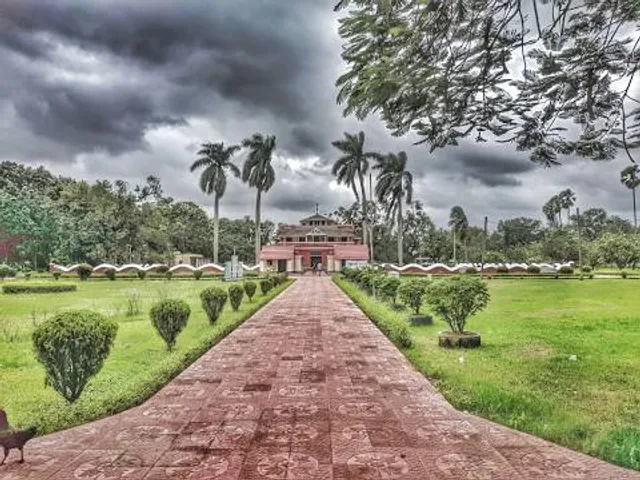
The peace and tranquility the Kuthibari inspired Tagore to pen some of his most unforgettable verses thus contributing to the enrichment of Bengali Literature. Many prominent personalities -- scientist Sir Jagadish Chandra Bose, dramatist and music composer DL Roy and litterateur Promoth Chowdhury, visited Tagore at this location.
Tagore stayed intermittently between 1891 and 1901 at Shilaidaha Kuthibari. Sitting at Kuthibari or on a boat on Padma, Tagore wrote a number of masterpieces such as âSonar Toriâ, âChitraâ, âChaitaliâ, âKatha O Kahiniâ, âKshanikaâ, most of the poems from âNaibedyaâ and âKheyaâ, and songs from âGitanjaliâ and âGitimalyaâ. It was here, in 1912, that the poet started translating his âGitanjaliâ into English, which earned him the Nobel Prize in 1913.
Shilaidaha is a relatively modern name; its old name was Khorshedpur. Before the Thakurs of Jorasanko acquired the village in the middle of the 19th century, there stood an indigo-Kuthi reportedly built by a planter named Shelly. A deep whirlpool used to form there at the confluence of the Gadai and the Padma, and hence the village was known as âShelly-dahaâ, which ultimately came to be known as âShilaidahaâ.
Prince Dwarkanath Tagore, grandfather of Rabindranath Tagore, became the owner of this Zamindari in 1807 by means of a will executed in his favour by Ramlochan Tagore. Rabindranath assumed the responsibility of looking after the Zamindari and came to Shilaidaha for the first time in November 1889.
Shilaidaha Kuthibari is now a protected national monument. The renovation of Kuthibari has been completed by the Department of Archaeology, Ministry of Cultural Affairs. It is known as Tagore Memorial Museum where Tagore memorabilia like his bed, wardrobe, iron chest, lawn mower, framed pictures and a replica of a houseboat are displayed here. Tagore aficionados and art lovers will certainly be pleased to see some rare photos of Tagore and family, courtesy by Pranab Mukherjee, President of the Republic of India, and some exquisite paintings including a few self-portraits by Tagore.
In Tagoreâs lifetime, the river Padma used to flow beside the Kuthibari. But over a course of time, it has changed its direction and now is far away from Tagoreâs haven. However, the surrounding landscapes, large pond with bojra (boat), are still...
   Read more