HTML SitemapExplore

Sundarbans — Attraction in Khulna Division

Name
Sundarbans
Description
Nearby attractions
Nearby restaurants
Nearby hotels
Related posts
India's Diverse Travel Treasures: From Nature to Urban AdventuresBangladesh 9-Day Budget Trip for 3,470 RMB|Food, Accommodation & Trans
Keywords
Sundarbans tourism.Sundarbans hotels.Sundarbans bed and breakfast. flights to Sundarbans.Sundarbans attractions.Sundarbans restaurants.Sundarbans travel.Sundarbans travel guide.Sundarbans travel blog.Sundarbans pictures.Sundarbans photos.Sundarbans travel tips.Sundarbans maps.Sundarbans things to do.
Sundarbans things to do, attractions, restaurants, events info and trip planning
Sundarbans
BangladeshKhulna DivisionSundarbans

Basic Info

Sundarbans

4.4(1.9K)
Open 24 hours
Save
spot

Ratings & Description

Info

attractions: , restaurants:
logoLearn more insights from Wanderboat AI.

Plan your stay

hotel
Pet-friendly Hotels in Khulna Division
Find a cozy hotel nearby and make it a full experience.
hotel
Affordable Hotels in Khulna Division
Find a cozy hotel nearby and make it a full experience.
hotel
The Coolest Hotels You Haven't Heard Of (Yet)
Find a cozy hotel nearby and make it a full experience.
hotel
Trending Stays Worth the Hype in Khulna Division
Find a cozy hotel nearby and make it a full experience.

Reviews

Get the Appoverlay
Get the AppOne tap to find yournext favorite spots!
Wanderboat LogoWanderboat

Your everyday Al companion for getaway ideas

CompanyAbout Us
InformationAI Trip PlannerSitemap
SocialXInstagramTiktokLinkedin
LegalTerms of ServicePrivacy Policy

Get the app

© 2025 Wanderboat. All rights reserved.

Reviews of Sundarbans

4.4
(1,887)
avatar
5.0
1y

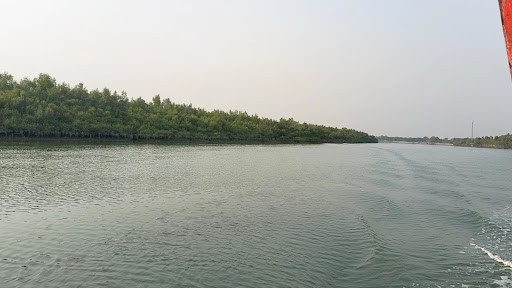
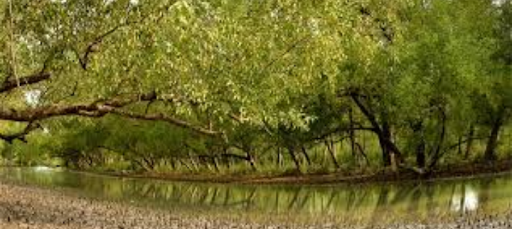
The Sundarbans, meaning "beautiful forest" in Bengali, stands as the largest contiguous mangrove forest on Earth, a sprawling ecosystem straddling the delta of the Ganges, Brahmaputra, and Meghna rivers in the Bay of Bengal. This natural wonder, shared between Bangladesh and India, encompasses approximately 10,000 square kilometers, with the majority (around 60%) lying within Bangladesh. A Unique Ecosystem: The Sundarbans is a complex network of tidal waterways, mudflats, and small islands, characterized by its unique salt-tolerant mangrove forests. These forests play a crucial role in protecting the coastal region from cyclones and tidal surges, acting as a natural barrier. The dominant tree species, Heritiera fomes, locally known as "sundri," gives the forest its name. Other significant mangrove species like gewa (Excoecaria agallocha) and goran (Ceriops decandra) also thrive here. Biodiversity Hotspot: This remarkable ecosystem teems with a diverse array of flora and fauna. The Sundarbans is renowned as the last stronghold of the Royal Bengal Tiger adapted to a mangrove habitat. Besides the majestic tiger, the forest is home to numerous other endangered species, including the estuarine crocodile, Indian python, and various marine turtles. Wildlife in the Sundarbans includes: Mammals: Spotted deer (chital), wild boar, rhesus macaque, Indian otter, fishing cat, and the elusive Gangetic and Irrawaddy dolphins. Birds: A vibrant avian population of around 260 species, including migratory birds, raptors like the white-bellied sea eagle, and various herons and storks. Reptiles: Besides crocodiles and pythons, the Sundarbans harbors king cobras, monitor lizards, and various snakes and turtles. Aquatic Life: The waters are rich with around 400 fish species and diverse crustaceans like fiddler and mud crabs. A World Heritage Site: Recognizing its ecological significance, UNESCO has declared several protected areas within the Sundarbans as World Heritage Sites. These include the Sundarbans National Park in India and the Sundarbans West, South, and East Wildlife Sanctuaries in Bangladesh. Challenges and Conservation: Despite its protected status, the Sundarbans faces numerous threats, including: Climate Change: Rising sea levels and increased frequency of cyclones pose significant risks to the mangrove ecosystem. Reduced Freshwater Flow: Diversion of upstream waters impacts the delicate salinity balance crucial for mangrove survival. Pollution: Industrial and agricultural runoff contaminates the waterways. Overexploitation: Unsustainable harvesting of forest resources and poaching threaten the biodiversity. Conservation efforts are crucial to safeguard this invaluable natural heritage for future generations. Sustainable management practices, addressing climate change impacts, and controlling pollution are vital for the long-term health and resilience of the Sundarbans. Visiting the Sundarbans offers a unique opportunity to witness the raw beauty of nature and its incredible biodiversity. Exploring its intricate waterways and dense forests provides a glimpse into a world where land and water intertwine, supporting a rich...

   Read more
avatar
3.0
51w

From Kolkata, you can reach Sundarbans by road or train to Basanti. Or, you can reach Gosaba by crossing the GodKhali ferry and reach Sajnakali via Pakhirala.

The Sundarbans Delta, formed at the confluence of the Ganges-Brahmaputra and Meghna rivers, is the largest mangrove forest in the world. Due to its rich fauna, it was declared a UNESCO World Heritage Site in 1987.

Spread over an area of ​​10,000 square kilometers, the Sundarbans has 102 islands, of which only 54 are inhabited. Gosaba is one of the main entry points to the Sundarbans. It is also the closest inhabited island to the tiger reserve. This island, with an area of ​​296 square kilometers, is home to 2.5 lakh people.

The only way to get to the islands and surrounding areas is by motorboat. 60% of the rainforest is in Bangladesh and the rest is in India. The Sundarbans is an impenetrable and extremely dangerous rainforest protected by tidal waves, tigers, crocodiles and king cobras. The Royal Bengal Tiger is the biggest attraction of the Sundarbans. Due to the tidal waves that occur every day, the Sundarbans tigers have become amphibious. They hunt on land, in water and in trees. Except for a few man-made ponds, they mostly rely on salt water.,

The Sundarbans is the only mangrove forest in the world inhabited by tigers. Although there are more than 450 species of animals here, including leopards, rhinoceroses, crocodiles, deer and king cobras, the vast majority of visitors come here to see the tiger. But almost all of them usually return disappointed.

I scanned the areas between the mangroves below from the top of the Sajnakhali watch tower several times, but I did not see a single tiger. In some clear areas where there are no tigers, you can see ponds built for animals to drink water. I thought that something would come here. I could only see a spotted deer walking around for half an hour from the top of the watch tower.

Since the boatman who brought me here had earlier told me that the chances of seeing a tiger were less than ten percent, I did not feel very disappointed.

Traveling into the jungle is risky. There are only 96 tigers in the Indian part of the country, which is spread over 4,000 square kilometers. Going inland in boats along the forest edge to see them is also very risky.

There is a saying here that even if you don't see a tiger, the tiger has been watching you since the moment you arrived.

There are many incidents that confirm this. One of the people traveling in a boat was carried away by a tiger that swam away without the other person knowing, and another incident occurred when a tiger swam for three and a half kilometers after chasing another person's boat.

According to the forest department, about 232 people were killed in tiger attacks in the Sundarbans from 2013 to 2019. The vast majority of these were villagers who had gone to the forest to collect honey and fish. Apart from tigers, crocodiles, snakes, and sharks have also claimed many lives.

The villagers have changed the name of the village here, Arampur, to Vidvapara. Vidvapara means village of widows. There are about sixty widows in...

   Read more


avatar
5.0
4y

Tiger attack in Sunderbans, Bangladesh

Every day living in the terror of death is enough to sabotage ones life. Behind the beautiful jungle there are stories which has mentally paralyzed 3,000 ‘tiger widows lives’ in the universe of Sundarbans. People living surrounded by the jungle are living in the fence of fear. Fear of losing their own life or their family in any day or night. Sons after losing their parents, grandparents in tiger attack has again walked in the same path to feed rest of the family, knowing their life may end any day, any moment by a second’s ignorance. Their bravery of fighting with a small knife with the ferocious tiger is heroic only if they can fight and win, if not the flesh of the hero will dry and might disappear in salty water of the sea. From there no one can get anything than the blooded cloths. The story of surviving hunts them every moment in their life. As the beautiful jungle is the reason of their life and reason of their death too. They and their breathe belong to the mighty inescapable jungle.

The Sundarbans is made up of hundreds of islands of mangrove forests and mudflats. This is one of the most beautiful but most dangerous places in the world, a place of tigers and crocodiles and dangerous seas and canals. The region is home to approximately 500 Bengal tigers, one of the largest single populations of tigers in one area. These tigers are well-known for the substantial number of people they kill; estimates range from 50-250 people per year. Because of rising sea levels and shrinking forest, humans and tigers are fighting for space. The farmers are forced into the forest to hunt for honey, fish, or collect crabs, putting them at risk for a tiger attack. Poverty forces people into the forest, into the tigers’ natural habitat. And the animals are hungry, with hunting and newly introduced diseases steadily reducing the populations of wild boars, deer and monkeys in the Sundarbans. Hindus and Muslims alike believe that only the Goddess Bon Bibi can offer protection from the big cats. There are several statues of the forest goddess scattered throughout the jungle.

Inside the Sundarban there is ‘silence’ everywhere, a fear runs in veins with the fragrance of incense, standing in the village of frequently visited by Man Eater Tigers, listening villagers rhythmic chanting and prayers and feeling the urge to get back to safety all these made it helpless for urban, educated, technologically advanced people. This jungle is only understandable for the people who are made from it, the people live by jungle can’t leave the place even knowing how risky to live within. Thus they will face the hungry tiger habitually either to live...

   Read more
Page 1 of 7
Previous
Next

Posts

India's Diverse Travel Treasures: From Nature to Urban Adventures
Kelly MartinKelly Martin
India's Diverse Travel Treasures: From Nature to Urban Adventures
Bangladesh 9-Day Budget Trip for 3,470 RMB|Food, Accommodation & Trans
Bethsaida IrmaBethsaida Irma
Bangladesh 9-Day Budget Trip for 3,470 RMB|Food, Accommodation & Trans
Arefin TohaArefin Toha
The Sundarbans, meaning "beautiful forest" in Bengali, stands as the largest contiguous mangrove forest on Earth, a sprawling ecosystem straddling the delta of the Ganges, Brahmaputra, and Meghna rivers in the Bay of Bengal. This natural wonder, shared between Bangladesh and India, encompasses approximately 10,000 square kilometers, with the majority (around 60%) lying within Bangladesh. A Unique Ecosystem: The Sundarbans is a complex network of tidal waterways, mudflats, and small islands, characterized by its unique salt-tolerant mangrove forests. These forests play a crucial role in protecting the coastal region from cyclones and tidal surges, acting as a natural barrier. The dominant tree species, Heritiera fomes, locally known as "sundri," gives the forest its name. Other significant mangrove species like gewa (Excoecaria agallocha) and goran (Ceriops decandra) also thrive here. Biodiversity Hotspot: This remarkable ecosystem teems with a diverse array of flora and fauna. The Sundarbans is renowned as the last stronghold of the Royal Bengal Tiger adapted to a mangrove habitat. Besides the majestic tiger, the forest is home to numerous other endangered species, including the estuarine crocodile, Indian python, and various marine turtles. Wildlife in the Sundarbans includes: * Mammals: Spotted deer (chital), wild boar, rhesus macaque, Indian otter, fishing cat, and the elusive Gangetic and Irrawaddy dolphins. * Birds: A vibrant avian population of around 260 species, including migratory birds, raptors like the white-bellied sea eagle, and various herons and storks. * Reptiles: Besides crocodiles and pythons, the Sundarbans harbors king cobras, monitor lizards, and various snakes and turtles. * Aquatic Life: The waters are rich with around 400 fish species and diverse crustaceans like fiddler and mud crabs. A World Heritage Site: Recognizing its ecological significance, UNESCO has declared several protected areas within the Sundarbans as World Heritage Sites. These include the Sundarbans National Park in India and the Sundarbans West, South, and East Wildlife Sanctuaries in Bangladesh. Challenges and Conservation: Despite its protected status, the Sundarbans faces numerous threats, including: * Climate Change: Rising sea levels and increased frequency of cyclones pose significant risks to the mangrove ecosystem. * Reduced Freshwater Flow: Diversion of upstream waters impacts the delicate salinity balance crucial for mangrove survival. * Pollution: Industrial and agricultural runoff contaminates the waterways. * Overexploitation: Unsustainable harvesting of forest resources and poaching threaten the biodiversity. Conservation efforts are crucial to safeguard this invaluable natural heritage for future generations. Sustainable management practices, addressing climate change impacts, and controlling pollution are vital for the long-term health and resilience of the Sundarbans. Visiting the Sundarbans offers a unique opportunity to witness the raw beauty of nature and its incredible biodiversity. Exploring its intricate waterways and dense forests provides a glimpse into a world where land and water intertwine, supporting a rich tapestry of life.
See more posts
See more posts
hotel
Find your stay

Pet-friendly Hotels in Khulna Division

Find a cozy hotel nearby and make it a full experience.

India's Diverse Travel Treasures: From Nature to Urban Adventures
Kelly Martin

Kelly Martin

hotel
Find your stay

Affordable Hotels in Khulna Division

Find a cozy hotel nearby and make it a full experience.

Get the Appoverlay
Get the AppOne tap to find yournext favorite spots!
Bangladesh 9-Day Budget Trip for 3,470 RMB|Food, Accommodation & Trans
Bethsaida Irma

Bethsaida Irma

hotel
Find your stay

The Coolest Hotels You Haven't Heard Of (Yet)

Find a cozy hotel nearby and make it a full experience.

hotel
Find your stay

Trending Stays Worth the Hype in Khulna Division

Find a cozy hotel nearby and make it a full experience.

The Sundarbans, meaning "beautiful forest" in Bengali, stands as the largest contiguous mangrove forest on Earth, a sprawling ecosystem straddling the delta of the Ganges, Brahmaputra, and Meghna rivers in the Bay of Bengal. This natural wonder, shared between Bangladesh and India, encompasses approximately 10,000 square kilometers, with the majority (around 60%) lying within Bangladesh. A Unique Ecosystem: The Sundarbans is a complex network of tidal waterways, mudflats, and small islands, characterized by its unique salt-tolerant mangrove forests. These forests play a crucial role in protecting the coastal region from cyclones and tidal surges, acting as a natural barrier. The dominant tree species, Heritiera fomes, locally known as "sundri," gives the forest its name. Other significant mangrove species like gewa (Excoecaria agallocha) and goran (Ceriops decandra) also thrive here. Biodiversity Hotspot: This remarkable ecosystem teems with a diverse array of flora and fauna. The Sundarbans is renowned as the last stronghold of the Royal Bengal Tiger adapted to a mangrove habitat. Besides the majestic tiger, the forest is home to numerous other endangered species, including the estuarine crocodile, Indian python, and various marine turtles. Wildlife in the Sundarbans includes: * Mammals: Spotted deer (chital), wild boar, rhesus macaque, Indian otter, fishing cat, and the elusive Gangetic and Irrawaddy dolphins. * Birds: A vibrant avian population of around 260 species, including migratory birds, raptors like the white-bellied sea eagle, and various herons and storks. * Reptiles: Besides crocodiles and pythons, the Sundarbans harbors king cobras, monitor lizards, and various snakes and turtles. * Aquatic Life: The waters are rich with around 400 fish species and diverse crustaceans like fiddler and mud crabs. A World Heritage Site: Recognizing its ecological significance, UNESCO has declared several protected areas within the Sundarbans as World Heritage Sites. These include the Sundarbans National Park in India and the Sundarbans West, South, and East Wildlife Sanctuaries in Bangladesh. Challenges and Conservation: Despite its protected status, the Sundarbans faces numerous threats, including: * Climate Change: Rising sea levels and increased frequency of cyclones pose significant risks to the mangrove ecosystem. * Reduced Freshwater Flow: Diversion of upstream waters impacts the delicate salinity balance crucial for mangrove survival. * Pollution: Industrial and agricultural runoff contaminates the waterways. * Overexploitation: Unsustainable harvesting of forest resources and poaching threaten the biodiversity. Conservation efforts are crucial to safeguard this invaluable natural heritage for future generations. Sustainable management practices, addressing climate change impacts, and controlling pollution are vital for the long-term health and resilience of the Sundarbans. Visiting the Sundarbans offers a unique opportunity to witness the raw beauty of nature and its incredible biodiversity. Exploring its intricate waterways and dense forests provides a glimpse into a world where land and water intertwine, supporting a rich tapestry of life.
Arefin Toha

Arefin Toha

See more posts
See more posts