HTML SitemapExplore

Kherua Masjid — Attraction in Rajshahi Division

Name
Kherua Masjid
Description
Nearby attractions
Nearby restaurants
Nearby local services
Nearby hotels
Related posts
Keywords
Kherua Masjid tourism.Kherua Masjid hotels.Kherua Masjid bed and breakfast. flights to Kherua Masjid.Kherua Masjid attractions.Kherua Masjid restaurants.Kherua Masjid local services.Kherua Masjid travel.Kherua Masjid travel guide.Kherua Masjid travel blog.Kherua Masjid pictures.Kherua Masjid photos.Kherua Masjid travel tips.Kherua Masjid maps.Kherua Masjid things to do.
Kherua Masjid things to do, attractions, restaurants, events info and trip planning
Kherua Masjid
BangladeshRajshahi DivisionKherua Masjid

Basic Info

Kherua Masjid

MC68+27X, Kherua Mosque Rd, Sherpur, Bangladesh
4.6(284)
Open until 12:00 AM
Save
spot

Ratings & Description

Info

Cultural
Accessibility
attractions: , restaurants: , local businesses:
logoLearn more insights from Wanderboat AI.
Open hoursSee all hours
FriOpen 24 hoursOpen

Plan your stay

hotel
Pet-friendly Hotels in Rajshahi Division
Find a cozy hotel nearby and make it a full experience.
hotel
Affordable Hotels in Rajshahi Division
Find a cozy hotel nearby and make it a full experience.
hotel
The Coolest Hotels You Haven't Heard Of (Yet)
Find a cozy hotel nearby and make it a full experience.
hotel
Trending Stays Worth the Hype in Rajshahi Division
Find a cozy hotel nearby and make it a full experience.

Reviews

Get the Appoverlay
Get the AppOne tap to find yournext favorite spots!
Wanderboat LogoWanderboat

Your everyday Al companion for getaway ideas

CompanyAbout Us
InformationAI Trip PlannerSitemap
SocialXInstagramTiktokLinkedin
LegalTerms of ServicePrivacy Policy

Get the app

Š 2025 Wanderboat. All rights reserved.

Reviews of Kherua Masjid

4.6
(284)
avatar
5.0
4y

I have visited this place few month ago. Its us a nice and historical place also.

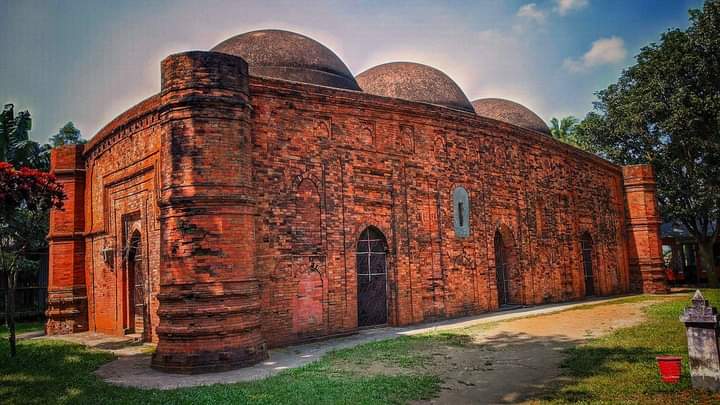
Kherua Mosque' one of the earliest Mughal mosques that were built in Bengal, is situated in Sherpur of Bogra district. It was built at a time when Sultani era was at its end and Mughal era had just set in. According to the inscription found in the mosque, it was built by Nawab Mirza Murad Khan, son of Jawahar Ali Khan Kakshal, in 1582 AD (989 Hijri).

Kherua Mosque, Sherpur, Bogra The end of the 16th century AD is regarded as a tumultuous period in the history of Bengal due to anti-Mughal resistance spearheaded by the Bara Bhuiyans. During this era, the region, mentioned as 'Sherpur Morcha' in Ain-i Akbari by abul fazal, was the stronghold of the Kakshal rebels. They expressed solidarity with the bara bhuiyans of Bengal and the Afghan leader Masum Khan Kabuli. In fact Khherua mosque came into being to serve the community. As it was built while a political crisis was going on, a degree of negligence is evident in the construction and ornamentation of the mosque.

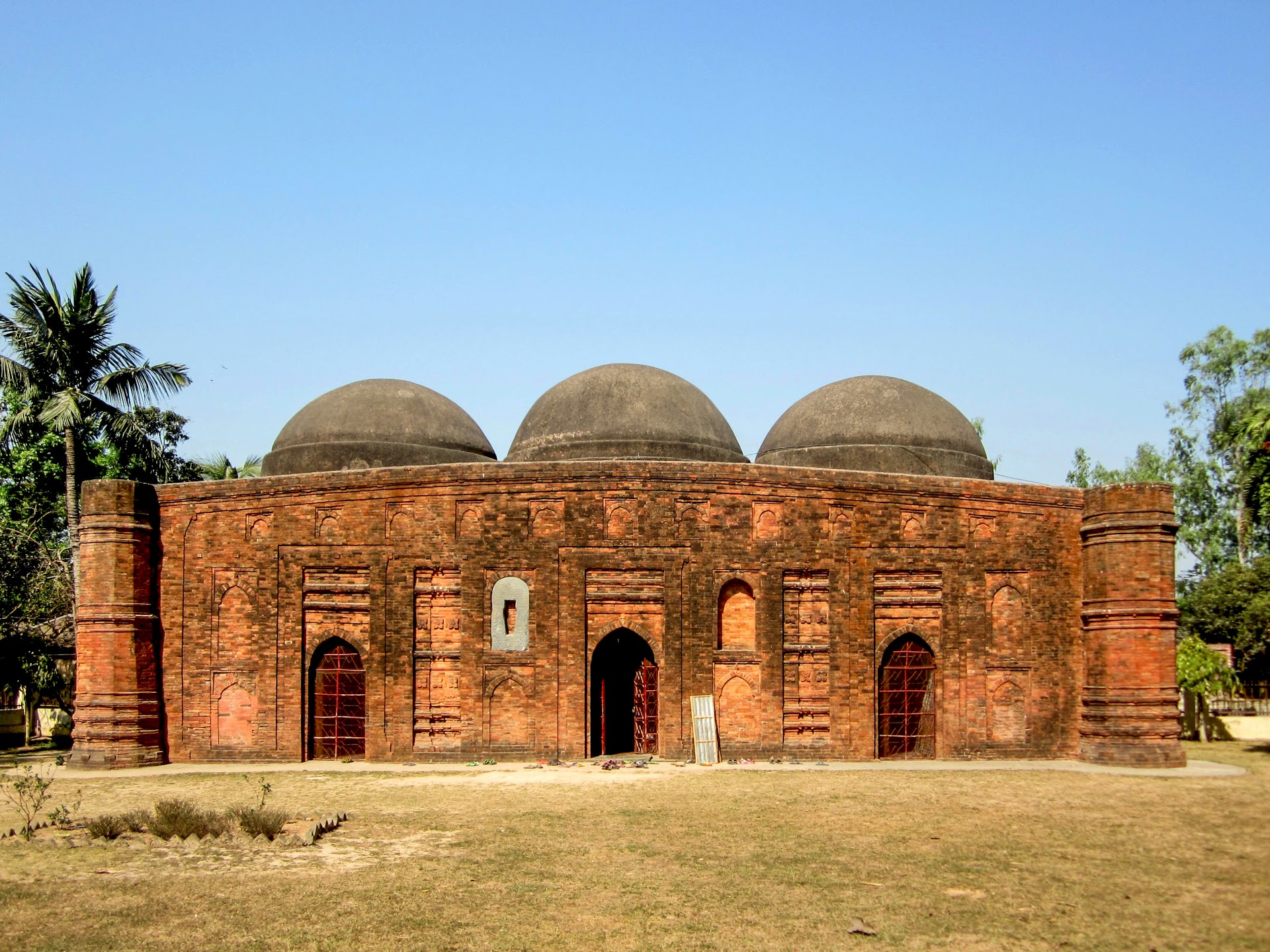
The rectangular mosque is 17.34 meters long from north to south while 7.5 meters wide from west to east. Its dimension from inside is 13.72 meters long and 3.8 meters wide. The walls are about 1.83 meters thick. The mosque has three entrances on the east, of which the central one is bigger than the two on its sides. Also, there is an entry on each side on the north and the south. Inside the mosque, on the west wall, there are three half-cylindrical concave mihrabs within a rectangular frame. The one in the middle is bigger than the other two and all three are devoid of any ornamentation.

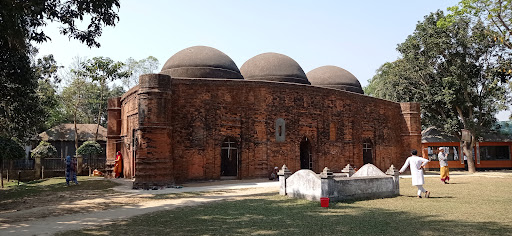
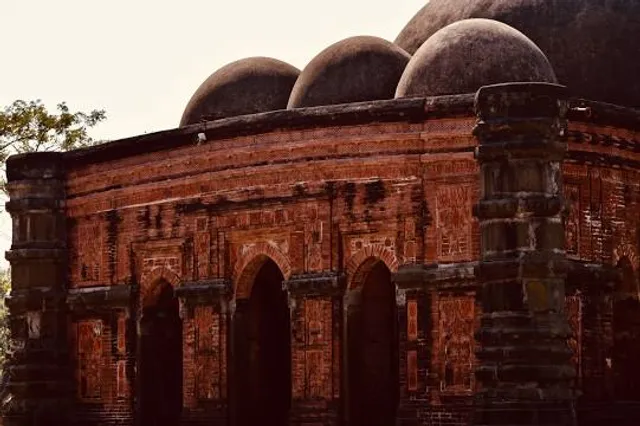
Kherua mosque has three domes in a row, which look like three bowls of same size placed upside down. There is no motif or ornamentation on the domes. The construction looks similar to that of Sultani era. The two sides of the cornice are slightly curved taking after the traditional hut of Bengal. This type of roof treatment is seen in most of the 15th century architectural works. In the front walls some paneling work was done. There was some ornamentation with terracotta tiles, which are no longer there now. There were two inscriptions engraved on the two sides of the central entrance. One inscription is still there while the other is being preserved in the Karachi Museum. From the shape of the stone used for the inscription, it is assumed that the piece was the part of a statue; and the inscription was inscribed on the backside of the statue and placed on the wall. Kherua Mosque demands a great importance as an example of early mughal mosques in Bengal....

   Read more

avatar
5.0
7y

It was built at a time when Sultani era was at its end and Mughal era had just set in. According to the inscription found in the mosque, it was built by Nawab Mirza Murad Khan, son of Jawahar Ali Khan Kakshal, in 1582 AD (989 Hijri).

The end of the 16th century AD is regarded as a tumultuous period in the history of Bengal due to anti-Mughal resistance spearheaded by the Bara Bhuiyans. During this era, the region, mentioned as ‘Sherpur Morcha’ in Ain-i Akbari by abul fazal, was the stronghold of the Kakshal rebels. They expressed solidarity with the bara bhuiyans of Bengal and the Afghan leader Masum Khan Kabuli. In fact Khherua mosque came into being to serve the community. As it was built while a political crisis was going on, a degree of negligence is evident in the construction and ornamentation of the mosque.

The rectangular mosque is 17.34 meters long from north to south while 7.5 meters wide from west to east. Its dimension from inside is 13.72 meters long and 3.8 meters wide. The walls are about 1.83 meters thick. The mosque has three entrances on the east, of which the central one is bigger than the two on its sides. Also, there is an entry on each side on the north and the south. Inside the mosque, on the west wall, there are three half-cylindrical concave mihrabs within a rectangular frame. The one in the middle is bigger than the other two and all three are devoid of any ornamentation.

Kherua mosque has three domes in a row, which look like three bowls of same size placed upside down. There is no motif or ornamentation on the domes. The construction looks similar to that of Sultani era. The two sides of the cornice are slightly curved taking after the traditional hut of Bengal. This type of roof treatment is seen in most of the 15th century architectural works. In the front walls some paneling work was done. There was some ornamentation with terracotta tiles, which are no longer there now. There were two inscriptions engraved on the two sides of the central entrance. One inscription is still there while the other is being preserved in the Karachi Museum. From the shape of the stone used for the inscription, it is assumed that the piece was the part of a statue; and the inscription was inscribed on the backside of the statue and placed on the wall. Kherua Mosque demands a great importance as an example of early mughal...

   Read more
avatar
5.0
4y

āϖ⧇āϰ⧁āϝāĻŧāĻž āĻŽāϏāϜāĻŋāĻĻ āĻŦāĻžāĻ‚āϞāĻžāĻĻ⧇āĻļ⧇āϰ āĻ…āĻ¤ā§āϝāĻ¨ā§āϤ āϗ⧁āϰ⧁āĻ¤ā§āĻŦāĻĒā§‚āĻ°ā§āĻŖ āĻĒā§āϰāĻ¤ā§āύāύāĻŋāĻĻāĻ°ā§āĻļāύāĨ¤ āĻŽā§āϘāϞ-āĻĒā§‚āĻ°ā§āĻŦ āϏ⧁āϞāϤāĻžāύāĻŋ āφāĻŽāϞ⧇āϰ āĻ¸ā§āĻĨāĻžāĻĒāĻ¤ā§āϝāĻļ⧈āϞ⧀āϰ āϏāĻ™ā§āϗ⧇ āĻŽā§‹āĻ—āϞ āĻ¸ā§āĻĨāĻžāĻĒāĻ¤ā§āϝāĻļ⧈āϞ⧀āϰ āϏāĻŽāĻ¨ā§āĻŦāϝāĻŧ⧇ āύāĻŋāĻ°ā§āĻŽāĻŋāϤ āĻāχ āĻŽāϏāϜāĻŋāĻĻāĨ¤ āĻĒā§āϰāĻžāϝāĻŧ ā§Ēā§Šā§Ģ āĻŦāĻ›āϰ āϧāϰ⧇ āϟāĻŋāϕ⧇ āĻĨāĻžāĻ•āĻž āĻāχ āĻŽāϏāϜāĻŋāĻĻ⧇āϰ āĻ…āĻŦāĻ¸ā§āĻĨāĻžāύ āĻŦāϗ⧁āĻĄāĻŧāĻž āĻļāĻšāϰ āĻĨ⧇āϕ⧇ ⧍ā§Ļ āĻ•āĻŋāϞ⧋āĻŽāĻŋāϟāĻžāϰ āĻĻāĻ•ā§āώāĻŋāϪ⧇ āĻļ⧇āϰāĻĒ⧁āϰ āωāĻĒāĻœā§‡āϞāĻž āϏāĻĻāϰ⧇āϰ āĻ–ā§‹āĻ¨ā§āĻĻāĻ•āĻžāϰ āĻŸā§‹āϞāĻž āĻŽāĻšāĻ˛ā§āϞāĻžāϝāĻŧāĨ¤ āĻŦāĻŋāĻŦāϰāĻŖ- āĻŽāϏāϜāĻŋāĻĻāϟāĻŋ āϟāĻŋāϕ⧇ āφāϛ⧇ āϚāĻžāϰ āϕ⧋āϪ⧇āϰ āĻĒā§āϰāĻ•āĻžāĻŖā§āĻĄ āφāĻ•āĻžāϰ⧇āϰ āĻŽāĻŋāύāĻžāϰ āφāϰ āϚāĻ“āĻĄāĻŧāĻž āĻĻ⧇āϝāĻŧāĻžāϞ⧇āϰ āĻ•āĻžāϰāϪ⧇āĨ¤ āχāĻŸā§‡ āĻ–ā§‹āĻĻāĻžāχ āĻ•āϰāĻž āύāĻ•āĻļāĻž āĻ•ā§āώāϝāĻŧ⧇ āϗ⧇āϛ⧇ āĻāĻŦāĻ‚ āϚ⧁āύ-āϏ⧁āϰāĻ•āĻŋāϰ āĻĒā§āϰāϞ⧇āĻĒ āĻāϰ⧇ āϗ⧇āϛ⧇āĨ¤ āϚ⧁āύ-āϏ⧁āϰāĻ•āĻŋ āĻĻāĻŋāϝāĻŧ⧇ āĻ—āĻžāρāĻĨāĻž āĻĒāĻžāϤāϞāĻž āϞāĻžāϞ āχāĻŸā§‡āϰ āĻĻ⧇āϝāĻŧāĻžāϞāϗ⧁āϞ⧋ ā§§.ā§Žā§§ āĻŽāĻŋāϟāĻžāϰ āϚāĻ“āĻĄāĻŧāĻžāĨ¤ āϤāĻžāϰ āĻ“āĻĒāϰ āĻ­āϰ āĻ•āϰ⧇āχ āĻ›āĻžāĻĻ⧇āϰ āĻ“āĻĒāϰ āϟāĻŋāϕ⧇ āφāϛ⧇ āϖ⧇āϰ⧁āϝāĻŧāĻž āĻŽāϏāϜāĻŋāĻĻ⧇āϰ āϤāĻŋāύāϟāĻŋ āĻ—āĻŽā§āĻŦ⧁āϜāĨ¤ āϖ⧇āϰ⧁āϝāĻŧāĻž āĻŽāϏāϜāĻŋāĻĻ āĻŦāĻžāχāϰ⧇āϰ āĻĻāĻŋāĻ• āĻĨ⧇āϕ⧇ āωāĻ¤ā§āϤāϰ-āĻĻāĻ•ā§āώāĻŋāϪ⧇ āϞāĻŽā§āĻŦāĻž ā§§ā§­.⧍⧭ āĻŽāĻŋāϟāĻžāϰ, āĻĒā§āϰāĻ¸ā§āĻĨ ā§­.ā§Ē⧍ āĻŽāĻŋāϟāĻžāϰāĨ¤ āĻĒā§‚āĻ°ā§āĻŦ āĻĻ⧇āϝāĻŧāĻžāϞ⧇ āϤāĻŋāύāϟāĻŋ āĻ–āĻŋāϞāĻžāύ āĻĻāϰāϜāĻžāĨ¤ āĻŽāĻžāĻā§‡āϰāϟāĻŋ āφāĻ•āĻžāϰ⧇ āĻŦāĻĄāĻŧāĨ¤ āωāĻ¤ā§āϤāϰ-āĻĻāĻ•ā§āώāĻŋāϪ⧇ āĻāĻ•āϟāĻŋ āĻ•āϰ⧇ āĻ–āĻŋāϞāĻžāύ āĻĻāϰāϜāĻžāĨ¤ āϕ⧋āύ⧋āϟāĻŋāϤ⧇āχ āϚ⧌āĻ•āĻžāĻ  āύ⧇āχāĨ¤ āĻĢāϞ⧇ āĻĻāϰāϜāĻžāϰ āĻĒāĻžāĻ˛ā§āϞāĻž āĻ›āĻŋāϞ āύāĻžāĨ¤ āĻĒā§‚āĻ°ā§āĻŦ⧇āϰ āĻŦāĻĄāĻŧ āĻĻāϰāϜāĻžāϟāĻŋāϰ āύāĻŋāĻšā§‡ āĻ•āĻžāϞ⧋ āĻĒāĻžāĻĨāϰ⧇āϰ āĻĒāĻžāϟāĻžāϤāύāĨ¤ āĻĒā§‚āĻ°ā§āĻŦ⧇āϰ āĻĻāϰāϜāĻž āĻŦāϰāĻžāĻŦāϰ āĻĒāĻļā§āϚāĻŋāĻŽā§‡āϰ āĻĻ⧇āϝāĻŧāĻžāϞ⧇āϰ āϭ⧇āϤāϰ⧇āϰ āĻ…āĻ‚āĻļ⧇ āϤāĻŋāύāϟāĻŋ āĻŽā§‡āĻšāϰāĻžāĻŦāĨ¤ āĻŽā§‡āĻšāϰāĻžāĻŦāϗ⧁āϞ⧋āϰ āĻ“āĻĒāϰ⧇āϰ āĻ…āĻ‚āĻļ āϚāĻŽā§ŽāĻ•āĻžāϰ āĻ•āĻžāϰ⧁āĻ•āĻžāϜāĻ–āϚāĻŋāϤāĨ¤ āĻŽāϏāϜāĻŋāĻĻāϟāĻŋāϰ āύāĻŋāĻšā§‡āϰ āĻ…āĻ‚āĻļ⧇ āĻ­ā§‚āĻŽāĻŋ āĻĒāϰāĻŋāĻ•āĻ˛ā§āĻĒāύāĻž āĻŽā§‹āĻ—āϞ āĻ¸ā§āĻĨāĻžāĻĒāĻ¤ā§āϝāϰ⧀āϤāĻŋāϰāĨ¤ āĻ“āĻĒāϰ⧇āϰ āĻ…āĻ‚āĻļ āĻŽā§‹āĻ—āϞ-āĻĒā§‚āĻ°ā§āĻŦ āϏ⧁āϞāϤāĻžāύāĻŋāϰ⧀āϤāĻŋāϤ⧇āĨ¤ āϚāĻžāϰ āϕ⧋āϪ⧇ āĻĻ⧇āϝāĻŧāĻžāϞ āĻĨ⧇āϕ⧇ āĻ–āĻžāύāĻŋāĻ•āϟāĻž āϏāĻžāĻŽāύ⧇ āϚāĻžāϰāϟāĻŋ āĻŦāĻŋāĻļāĻžāϞ āĻŽāĻŋāύāĻžāϰāĨ¤ āĻ›āĻžāĻĻ⧇āϰ āĻ“āĻĒāϰ āϤāĻŋāύāϟāĻŋ ā§Š.ā§­ā§§ āĻŽāĻŋāϟāĻžāϰ āĻŦā§āϝāĻžāϏ⧇āϰ āĻ…āĻ°ā§āϧ āĻ—ā§‹āϞāĻžāĻ•ā§ƒāϤāĻŋāϰ āĻ—āĻŽā§āĻŦ⧁āϜāĨ¤ āĻ•āĻžāĻ°ā§āύāĻŋāĻļ āϧāύ⧁āϕ⧇āϰ āĻŽāϤ⧋ āĻŦāĻžāρāĻ•āĻžāĨ¤ āϤāĻžāϰ āϤāϞāĻžāϝāĻŧ āϏāĻžāϰāĻŋāĻŦāĻĻā§āϧ āĻ–āĻŋāϞāĻžāύ āφāĻ•ā§ƒāϤāĻŋāϰ āĻĒā§āϝāĻžāύ⧇āϞ⧇āϰ āĻ…āϞāĻ‚āĻ•āϰāĻŖāĨ¤ āĻ…āĻ¤ā§āϝāĻ¨ā§āϤ āϏ⧁āĻ¨ā§āĻĻāϰ āĻāϰ āĻĻ⧇āϝāĻŧāĻžāϞ⧇āϰ āĻ—āĻžāρāĻĨ⧁āύāĻŋāĨ¤ āύāĻžāĻ¨ā§āĻĻāύāĻŋāĻ• āĻŦ⧈āϚāĻŋāĻ¤ā§āĻ°ā§āϝ āφāύāĻž āĻšāϝāĻŧ⧇āϛ⧇ āχāĻŸā§‡āϰ āĻŦāĻŋāĻ¨ā§āϝāĻžāϏ āĻ“ āĻ–āĻžāĻĄāĻŧāĻž āĻĒā§āϝāĻžāύ⧇āϞ āϤ⧈āϰāĻŋ āĻ•āϰ⧇āĨ¤ āϏāĻžāĻŽāύ⧇āϰ āĻ…āĻ‚āĻļ⧇āϰ āχāĻŸā§‡ āφāϛ⧇ āĻĢ⧁āϞ-āϞāϤāĻž-āĻĒāĻžāϤāĻž āĻ–ā§‹āĻĻāĻžāχ āĻ•āϰāĻž āύāĻ•āĻļāĻžāĨ¤ āĻŽāĻŋāύāĻžāϰ, āĻ—āĻŽā§āĻŦ⧁āϜ, āύāĻ•āĻļāĻž āĻ“ āχāĻŸā§‡āϰ āĻŦ⧈āϚāĻŋāĻ¤ā§āĻ°ā§āϝāĻŽāϝāĻŧ āĻ—āĻžāρāĻĨ⧁āύāĻŋāϤ⧇ āĻĒ⧁āϰ⧋ āĻ¸ā§āĻĨāĻžāĻĒāĻ¤ā§āϝāϟāĻŋ āĻ…āĻ¤ā§āϝāĻ¨ā§āϤ āύāĻžāĻ¨ā§āĻĻāύāĻŋāĻ• āĻšāϝāĻŧ⧇ āωāϠ⧇āϛ⧇āĨ¤ āĻŽāϏāϜāĻŋāĻĻ⧇āϰ āϏāĻžāĻŽāύ⧇ āϏāĻŦ⧁āϜ āϘāĻžāϏ⧇ āĻĸāĻžāĻ•āĻž āφāϝāĻŧāϤāĻžāĻ•āĻžāϰ āĻŽāĻžāĻ āĨ¤ āĻŽāϏāϜāĻŋāĻĻ⧇āϰ āĻ•āĻŋāύāĻžāϰ āĻĻāĻŋāϝāĻŧ⧇ āϤāĻžāϞ, āύāĻžāϰāϕ⧇āϞ, āφāĻŽ, āĻ•āĻĻāĻŽāĻ—āĻžāϛ⧇āϰ āϏāĻžāϰāĻŋāĨ¤ āĻāĻ• āĻĒāĻžāĻļ⧇ āĻŽā§ŒāϏ⧁āĻŽāĻŋ āĻĢ⧁āϞ⧇āϰ āĻ—āĻžāĻ›āĻ“ āφāϛ⧇āĨ¤ āχāĻŸā§‡āϰ āĻĒā§āϰāĻžāĻšā§€āϰ⧇āϰ āĻ“āĻĒāϰ āϞ⧋āĻšāĻžāϰ āϰ⧇āϞāĻŋāĻ‚ āĻĻāĻŋāϝāĻŧ⧇ āĻĒ⧁āϰ⧋ āϚāĻ¤ā§āĻŦāϰ āĻ˜ā§‡āϰāĻžāĨ¤ āĻŽā§‹āϟ āϜāĻžāϝāĻŧāĻ—āĻžāϰ āĻĒāϰāĻŋāĻŽāĻžāĻŖ āĻĒā§āϰāĻžāϝāĻŧ ā§Ģ⧝ āĻļāϤāĻžāĻ‚āĻļāĨ¤ āύāĻžāĻŽāĻžāĻœā§‡āϰ āϏāĻŽāϝāĻŧ āĻŽā§āϏāĻ˛ā§āϞāĻŋāϰāĻž āĻ›āĻžāĻĄāĻŧāĻž āϏāĻžāϧāĻžāϰāĻŖāϤ āϕ⧇āω āϭ⧇āϤāϰ⧇ āĻĒā§āϰāĻŦ⧇āĻļ āĻ•āϰ⧇ āύāĻžāĨ¤ āϤāĻžāχ āĻĒā§āϰāĻžāĻ™ā§āĻ—āĻŖāϟāĻŋ āύāĻŋāϰāĻŋāĻŦāĻŋāϞāĻŋ āĻāĻŦāĻ‚ āϖ⧁āĻŦāχ āĻĒāϰāĻŋāĻˇā§āĻ•āĻžāϰ-āĻĒāϰāĻŋāĻšā§āĻ›āĻ¨ā§āύāĨ¤ āĻ—āĻžāĻ›āĻ—āĻžāĻ›āĻžāϞāĻŋāĻ˜ā§‡āϰāĻž āϏāĻŦ⧁āϜ āĻĒāϰāĻŋāĻŦ⧇āĻļ⧇ āϤāĻŋāύ āĻ—āĻŽā§āĻŦ⧁āϜāĻ“āϝāĻŧāĻžāϞāĻž āĻĒā§āϰāĻžāĻšā§€āύ āĻ¸ā§āĻĨāĻžāĻĒāĻ¤ā§āϝāϟāĻŋāϕ⧇ āĻŽāύ⧋āϰāĻŽ āĻĻ⧇āĻ–āĻžāϝāĻŧāĨ¤ āχāϤāĻŋāĻšāĻžāϏ- āĻŽāϏāϜāĻŋāĻĻ⧇āϰ āϏāĻžāĻŽāύ⧇āϰ āĻĻ⧇āϝāĻŧāĻžāϞ⧇ āĻ‰ā§Žāϕ⧀āĻ°ā§āĻŖ āĻļāĻŋāϞāĻžāϞāĻŋāĻĒāĻŋ āĻĨ⧇āϕ⧇ āϜāĻžāύāĻž āϝāĻžāϝāĻŧ, ā§§ā§Ģā§Žā§¨ āϏāĻžāϞ⧇ āϜāĻ“āĻšāϰ āφāϞ⧀ āĻ•āĻžāĻ•āĻļāĻžāϞ⧇āϰ āĻĒ⧁āĻ¤ā§āϰ āĻŽāĻŋāĻ°ā§āϜāĻž āĻŽā§āϰāĻžāĻĻ āĻ–āĻžāύ āĻ•āĻžāĻ•āĻļāĻžāϞ āĻāϟāĻŋ āύāĻŋāĻ°ā§āĻŽāĻžāĻŖ āĻ•āϰ⧇āĻ›āĻŋāϞ⧇āύāĨ¤ 'āĻ•āĻžāĻ•āĻļāĻžāϞ' āωāĻĒāĻžāϧāĻŋ āĻ›āĻŋāϞ āϤ⧁āĻ°ā§āĻ•āĻŋāĻĻ⧇āϰ āĻĻ⧇āĻ“āϝāĻŧāĻžāĨ¤ āĻ˜ā§‹āĻĄāĻŧāĻžāϘāĻžāϟ āĻ…āĻžā§āϚāϞ āĻ›āĻŋāϞ āϤ⧁āĻ°ā§āĻ•āĻŋ āϜāĻžāϝāĻŧāĻ—āĻŋāϰāĻĻāĻžāϰāĻĻ⧇āϰ āĻ…āϧ⧀āύāĨ¤ āĻŽāĻŋāĻ°ā§āϜāĻž āĻŽā§āϰāĻžāĻĻ āĻ–āĻžāύ āĻ•āĻžāĻ•āĻļāĻžāϞ⧇āϰ āĻŦāĻŋāĻļāĻĻ āĻĒāϰāĻŋāϚāϝāĻŧ āĻĒāĻžāĻ“āϝāĻŧāĻž āϝāĻžāϝāĻŧ āύāĻžāĨ¤ āĻļ⧇āϰāĻĒ⧁āϰ āϏ⧇ āϏāĻŽāϝāĻŧ āĻ˜ā§‹āĻĄāĻŧāĻžāϘāĻžāĻŸā§‡āϰ āĻ…āϧ⧀āύ⧇ āĻāĻ•āϟāĻŋ āĻĒā§āϰāĻļāĻžāϏāύāĻŋāĻ• āϕ⧇āĻ¨ā§āĻĻā§āϰ āĻ›āĻŋāϞāĨ¤ āϐāϤāĻŋāĻšāĻžāϏāĻŋāĻ•āĻĻ⧇āϰ āĻ…āύ⧁āĻŽāĻžāύ āĻŽāĻŋāĻ°ā§āϜāĻž āĻŽā§āϰāĻžāĻĻ āĻ–āĻžāύ āĻ•āĻžāĻ•āĻļāĻžāϞ āĻļ⧇āϰāĻĒ⧁āϰ⧇āϰ āϜāĻžāϝāĻŧāĻ—āĻŋāϰāĻĻāĻžāϰ āĻŦāĻž āĻĢ⧌āϜāĻĻāĻžāϰ āĻ›āĻŋāϞ⧇āύāĨ¤ āϖ⧇āϰ⧁āϝāĻŧāĻž āĻŽāϏāϜāĻŋāĻĻ⧇āϰ āύāĻžāĻŽāĻ•āϰāĻŖ āĻ¸ā§āĻĒāĻˇā§āϟ āύāϝāĻŧāĨ¤ āφāĻŦ⧁āϞ āĻ•āĻžāϞāĻžāĻŽ āĻŽā§‹āĻšāĻžāĻŽā§āĻŽāĻĻ āϝāĻžāĻ•āĻžāϰāĻŋāϝāĻŧāĻž āϤāĻžāϰ āĻŦāĻžāĻ‚āϞāĻžāĻĻ⧇āĻļ⧇āϰ āĻĒā§āϰāĻ¤ā§āύāϏāĻŽā§āĻĒāĻĻ āĻŦāχāϤ⧇ āωāĻ˛ā§āϞ⧇āĻ– āĻ•āϰ⧇āϛ⧇āύ ‘āĻ āĻŽāϏāϜāĻŋāĻĻ⧇āϰāϖ⧇āϰ⧁āϝāĻŧāĻž āύāĻžāĻŽā§‡āϰ āϕ⧋āύ⧋ āχāϤāĻŋāĻŦ⧃āĻ¤ā§āϤ āĻĒāĻžāĻ“āϝāĻŧāĻž āϝāĻžāϝāĻŧāύāĻŋāĨ¤ āφāϰāĻŦāĻŋ āĻŦāĻž āĻĢāĻžāĻ°ā§āϏāĻŋ āĻ­āĻžāώāĻžāϝāĻŧ āϖ⧇āϰ⧁āϝāĻŧāĻž āĻŦāϞ⧇ āϕ⧋āύ⧋ āĻļāĻŦā§āĻĻ āĻĒāĻžāĻ“āϝāĻŧāĻž āϝāĻžāϝāĻŧ āύāĻžāĨ¤â€™ āϤāĻŦ⧇ āĻĢāĻžāĻ°ā§āϏāĻŋāϤ⧇ ‘āĻ–āĻžāϝāĻŧ⧇āϰ āĻ—āĻžāĻšā§â€™ āĻŦāϞ⧇ āĻļāĻŦā§āĻĻ āφāϛ⧇āĨ¤ āϝāĻžāϰ āĻ…āĻ°ā§āĻĨ ‘āϕ⧋āύ⧋ āĻ¸ā§āĻĨāĻžāύ⧇āϰ āϭ⧇āϤāĻ°ā§‡â€™āĨ¤ āϰāĻžāϜāĻž āĻŽāĻžāύāϏāĻŋāĻ‚āĻš āϝāĻ–āύ āĻŦāĻžāĻ‚āϞāĻžāϰ āϏ⧁āĻŦāĻžāĻĻāĻžāϰ, āϤāĻ–āύ āϤāĻŋāύāĻŋ āĻļ⧇āϰāĻĒ⧁āϰ⧇ āĻāĻ•āϟāĻŋ āĻĻ⧁āĻ°ā§āĻ— āύāĻŋāĻ°ā§āĻŽāĻžāĻŖ āĻ•āϰ⧇āĻ›āĻŋāϞ⧇āύāĨ¤ āĻāχ āĻĻ⧁āĻ°ā§āϗ⧇āϰ āϕ⧋āύ⧋ āĻ…āĻ¸ā§āϤāĻŋāĻ¤ā§āĻŦ āĻāĻ–āύ āύ⧇āχāĨ¤ āϤāĻŦ⧇ āĻŽāϏāϜāĻŋāĻĻāϟāĻŋ āϝāĻĻāĻŋ āĻļ⧇āϰāĻĒ⧁āϰ āĻĻ⧁āĻ°ā§āϗ⧇āϰ āϭ⧇āϤāϰ⧇ āύāĻŋāĻ°ā§āĻŽāĻŋāϤ āĻšāϝāĻŧ⧇ āĻĨāĻžāϕ⧇, āϤāĻŦ⧇ ‘āĻ–āĻžāϝāĻŧ⧇āϰ āĻ—āĻžāĻšā§â€™ āĻĨ⧇āϕ⧇ āϖ⧇āϰ⧁āϝāĻŧāĻž āύāĻžāĻŽ āĻšāϤ⧇ āĻĒāĻžāϰ⧇ āĻŦāϞ⧇ āĻ…āύ⧁āĻŽāĻžāύ āĻ•āϰāĻž āϝāĻžāϝāĻŧāĨ¤ āĻĒā§āϰāĻžāĻšā§€āύ āĻāχ āĻŽāϏāϜāĻŋāĻĻ⧇ āύāĻŋāϝāĻŧāĻŽāĻŋāϤ āύāĻžāĻŽāĻžāϜ āφāĻĻāĻžāϝāĻŧ āĻšāϝāĻŧāĨ¤ āϤāĻžāĻ›āĻžāĻĄāĻŧāĻž āĻĒā§āϰāĻ¤ā§āύāϤāĻ¤ā§āĻ¤ā§āĻŦ āĻ…āϧāĻŋāĻĻāĻĒā§āϤāϰ āĻŽāϏāϜāĻŋāĻĻāϟāĻŋāϰ āϏ⧀āĻŽāĻžāύāĻžāĻĒā§āϰāĻžāĻšā§€āϰ āϤ⧈āϰāĻŋ āĻ•āϰ⧇ āĻĻ⧇āĻ“āϝāĻŧāĻžāϝāĻŧ āĻŽāϏāϜāĻŋāĻĻ⧇āϰ āĻĒāϰāĻŋāĻŦ⧇āĻļāϟāĻŋ āĻ­āĻžāϞ⧋ āφāϛ⧇āĨ¤...

   Read more
Page 1 of 7
Previous
Next

Posts

MD ABDUS SOBAHANMD ABDUS SOBAHAN
I have visited this place few month ago. Its us a nice and historical place also. Kherua Mosque' one of the earliest Mughal mosques that were built in Bengal, is situated in Sherpur of Bogra district. It was built at a time when Sultani era was at its end and Mughal era had just set in. According to the inscription found in the mosque, it was built by Nawab Mirza Murad Khan, son of Jawahar Ali Khan Kakshal, in 1582 AD (989 Hijri). Kherua Mosque, Sherpur, Bogra The end of the 16th century AD is regarded as a tumultuous period in the history of Bengal due to anti-Mughal resistance spearheaded by the Bara Bhuiyans. During this era, the region, mentioned as 'Sherpur Morcha' in Ain-i Akbari by abul fazal, was the stronghold of the Kakshal rebels. They expressed solidarity with the bara bhuiyans of Bengal and the Afghan leader Masum Khan Kabuli. In fact Khherua mosque came into being to serve the community. As it was built while a political crisis was going on, a degree of negligence is evident in the construction and ornamentation of the mosque. The rectangular mosque is 17.34 meters long from north to south while 7.5 meters wide from west to east. Its dimension from inside is 13.72 meters long and 3.8 meters wide. The walls are about 1.83 meters thick. The mosque has three entrances on the east, of which the central one is bigger than the two on its sides. Also, there is an entry on each side on the north and the south. Inside the mosque, on the west wall, there are three half-cylindrical concave mihrabs within a rectangular frame. The one in the middle is bigger than the other two and all three are devoid of any ornamentation. Kherua mosque has three domes in a row, which look like three bowls of same size placed upside down. There is no motif or ornamentation on the domes. The construction looks similar to that of Sultani era. The two sides of the cornice are slightly curved taking after the traditional hut of Bengal. This type of roof treatment is seen in most of the 15th century architectural works. In the front walls some paneling work was done. There was some ornamentation with terracotta tiles, which are no longer there now. There were two inscriptions engraved on the two sides of the central entrance. One inscription is still there while the other is being preserved in the Karachi Museum. From the shape of the stone used for the inscription, it is assumed that the piece was the part of a statue; and the inscription was inscribed on the backside of the statue and placed on the wall. Kherua Mosque demands a great importance as an example of early mughal mosques in Bengal. [Nasrin Akhter]
Your browser does not support the video tag.
Md. Zubaer AhammedMd. Zubaer Ahammed
Kherua Mosque is a very old mosque, an astonishing monument representing islamic culture and islamic architectural beauty.
Sky GamingSky Gaming
āϖ⧇āϰ⧁āϝāĻŧāĻž āĻŽāϏāϜāĻŋāĻĻ āĻŦāĻžāĻ‚āϞāĻžāĻĻ⧇āĻļ⧇āϰ āĻ…āĻ¤ā§āϝāĻ¨ā§āϤ āϗ⧁āϰ⧁āĻ¤ā§āĻŦāĻĒā§‚āĻ°ā§āĻŖ āĻĒā§āϰāĻ¤ā§āύāύāĻŋāĻĻāĻ°ā§āĻļāύāĨ¤ āĻŽā§āϘāϞ-āĻĒā§‚āĻ°ā§āĻŦ āϏ⧁āϞāϤāĻžāύāĻŋ āφāĻŽāϞ⧇āϰ āĻ¸ā§āĻĨāĻžāĻĒāĻ¤ā§āϝāĻļ⧈āϞ⧀āϰ āϏāĻ™ā§āϗ⧇ āĻŽā§‹āĻ—āϞ āĻ¸ā§āĻĨāĻžāĻĒāĻ¤ā§āϝāĻļ⧈āϞ⧀āϰ āϏāĻŽāĻ¨ā§āĻŦāϝāĻŧ⧇ āύāĻŋāĻ°ā§āĻŽāĻŋāϤ āĻāχ āĻŽāϏāϜāĻŋāĻĻāĨ¤ āĻĒā§āϰāĻžāϝāĻŧ ā§Ēā§Šā§Ģ āĻŦāĻ›āϰ āϧāϰ⧇ āϟāĻŋāϕ⧇ āĻĨāĻžāĻ•āĻž āĻāχ āĻŽāϏāϜāĻŋāĻĻ⧇āϰ āĻ…āĻŦāĻ¸ā§āĻĨāĻžāĻ¨Â āĻŦāϗ⧁āĻĄāĻŧāĻž āĻļāĻšāĻ°Â āĻĨ⧇āϕ⧇ ⧍ā§Ļ āĻ•āĻŋāϞ⧋āĻŽāĻŋāϟāĻžāϰ āĻĻāĻ•ā§āώāĻŋāĻŖā§‡Â āĻļ⧇āϰāĻĒ⧁āϰ āωāĻĒāĻœā§‡āϞāĻžÂ āϏāĻĻāϰ⧇āϰ āĻ–ā§‹āĻ¨ā§āĻĻāĻ•āĻžāϰ āĻŸā§‹āϞāĻž āĻŽāĻšāĻ˛ā§āϞāĻžāϝāĻŧāĨ¤ āĻŽāϏāϜāĻŋāĻĻāϟāĻŋ āϟāĻŋāϕ⧇ āφāϛ⧇ āϚāĻžāϰ āϕ⧋āϪ⧇āϰ āĻĒā§āϰāĻ•āĻžāĻŖā§āĻĄ āφāĻ•āĻžāϰ⧇āϰ āĻŽāĻŋāύāĻžāϰ āφāϰ āϚāĻ“āĻĄāĻŧāĻž āĻĻ⧇āϝāĻŧāĻžāϞ⧇āϰ āĻ•āĻžāϰāϪ⧇āĨ¤ āχāĻŸā§‡ āĻ–ā§‹āĻĻāĻžāχ āĻ•āϰāĻž āύāĻ•āĻļāĻž āĻ•ā§āώāϝāĻŧ⧇ āϗ⧇āϛ⧇ āĻāĻŦāĻ‚ āϚ⧁āύ-āϏ⧁āϰāĻ•āĻŋāϰ āĻĒā§āϰāϞ⧇āĻĒ āĻāϰ⧇ āϗ⧇āϛ⧇āĨ¤ āϚ⧁āύ-āϏ⧁āϰāĻ•āĻŋ āĻĻāĻŋāϝāĻŧ⧇ āĻ—āĻžāρāĻĨāĻž āĻĒāĻžāϤāϞāĻž āϞāĻžāϞ āχāĻŸā§‡āϰ āĻĻ⧇āϝāĻŧāĻžāϞāϗ⧁āϞ⧋ ā§§.ā§Žā§§ āĻŽāĻŋāϟāĻžāϰ āϚāĻ“āĻĄāĻŧāĻžāĨ¤ āϤāĻžāϰ āĻ“āĻĒāϰ āĻ­āϰ āĻ•āϰ⧇āχ āĻ›āĻžāĻĻ⧇āϰ āĻ“āĻĒāϰ āϟāĻŋāϕ⧇ āφāϛ⧇ āϖ⧇āϰ⧁āϝāĻŧāĻž āĻŽāϏāϜāĻŋāĻĻ⧇āϰ āϤāĻŋāύāϟāĻŋ āĻ—āĻŽā§āĻŦ⧁āϜāĨ¤ āϖ⧇āϰ⧁āϝāĻŧāĻž āĻŽāϏāϜāĻŋāĻĻ āĻŦāĻžāχāϰ⧇āϰ āĻĻāĻŋāĻ• āĻĨ⧇āϕ⧇ āωāĻ¤ā§āϤāϰ-āĻĻāĻ•ā§āώāĻŋāϪ⧇ āϞāĻŽā§āĻŦāĻž ā§§ā§­.⧍⧭ āĻŽāĻŋāϟāĻžāϰ, āĻĒā§āϰāĻ¸ā§āĻĨ ā§­.ā§Ē⧍ āĻŽāĻŋāϟāĻžāϰāĨ¤ āĻĒā§‚āĻ°ā§āĻŦ āĻĻ⧇āϝāĻŧāĻžāϞ⧇ āϤāĻŋāύāϟāĻŋ āĻ–āĻŋāϞāĻžāύ āĻĻāϰāϜāĻžāĨ¤ āĻŽāĻžāĻā§‡āϰāϟāĻŋ āφāĻ•āĻžāϰ⧇ āĻŦāĻĄāĻŧāĨ¤ āωāĻ¤ā§āϤāϰ-āĻĻāĻ•ā§āώāĻŋāϪ⧇ āĻāĻ•āϟāĻŋ āĻ•āϰ⧇ āĻ–āĻŋāϞāĻžāύ āĻĻāϰāϜāĻžāĨ¤ āϕ⧋āύ⧋āϟāĻŋāϤ⧇āχ āϚ⧌āĻ•āĻžāĻ  āύ⧇āχāĨ¤ āĻĢāϞ⧇ āĻĻāϰāϜāĻžāϰ āĻĒāĻžāĻ˛ā§āϞāĻž āĻ›āĻŋāϞ āύāĻžāĨ¤ āĻĒā§‚āĻ°ā§āĻŦ⧇āϰ āĻŦāĻĄāĻŧ āĻĻāϰāϜāĻžāϟāĻŋāϰ āύāĻŋāĻšā§‡ āĻ•āĻžāϞ⧋ āĻĒāĻžāĻĨāϰ⧇āϰ āĻĒāĻžāϟāĻžāϤāύāĨ¤ āĻĒā§‚āĻ°ā§āĻŦ⧇āϰ āĻĻāϰāϜāĻž āĻŦāϰāĻžāĻŦāϰ āĻĒāĻļā§āϚāĻŋāĻŽā§‡āϰ āĻĻ⧇āϝāĻŧāĻžāϞ⧇āϰ āϭ⧇āϤāϰ⧇āϰ āĻ…āĻ‚āĻļ⧇ āϤāĻŋāύāϟāĻŋ āĻŽā§‡āĻšāϰāĻžāĻŦāĨ¤ āĻŽā§‡āĻšāϰāĻžāĻŦāϗ⧁āϞ⧋āϰ āĻ“āĻĒāϰ⧇āϰ āĻ…āĻ‚āĻļ āϚāĻŽā§ŽāĻ•āĻžāϰ āĻ•āĻžāϰ⧁āĻ•āĻžāϜāĻ–āϚāĻŋāϤāĨ¤ āĻŽāϏāϜāĻŋāĻĻāϟāĻŋāϰ āύāĻŋāĻšā§‡āϰ āĻ…āĻ‚āĻļ⧇ āĻ­ā§‚āĻŽāĻŋ āĻĒāϰāĻŋāĻ•āĻ˛ā§āĻĒāύāĻž āĻŽā§‹āĻ—āϞ āĻ¸ā§āĻĨāĻžāĻĒāĻ¤ā§āϝāϰ⧀āϤāĻŋāϰāĨ¤ āĻ“āĻĒāϰ⧇āϰ āĻ…āĻ‚āĻļ āĻŽā§‹āĻ—āϞ-āĻĒā§‚āĻ°ā§āĻŦ āϏ⧁āϞāϤāĻžāύāĻŋāϰ⧀āϤāĻŋāϤ⧇āĨ¤ āϚāĻžāϰ āϕ⧋āϪ⧇ āĻĻ⧇āϝāĻŧāĻžāϞ āĻĨ⧇āϕ⧇ āĻ–āĻžāύāĻŋāĻ•āϟāĻž āϏāĻžāĻŽāύ⧇ āϚāĻžāϰāϟāĻŋ āĻŦāĻŋāĻļāĻžāϞ āĻŽāĻŋāύāĻžāϰāĨ¤ āĻ›āĻžāĻĻ⧇āϰ āĻ“āĻĒāϰ āϤāĻŋāύāϟāĻŋ ā§Š.ā§­ā§§ āĻŽāĻŋāϟāĻžāϰ āĻŦā§āϝāĻžāϏ⧇āϰ āĻ…āĻ°ā§āϧ āĻ—ā§‹āϞāĻžāĻ•ā§ƒāϤāĻŋāϰ āĻ—āĻŽā§āĻŦ⧁āϜāĨ¤ āĻ•āĻžāĻ°ā§āύāĻŋāĻļ āϧāύ⧁āϕ⧇āϰ āĻŽāϤ⧋ āĻŦāĻžāρāĻ•āĻžāĨ¤ āϤāĻžāϰ āϤāϞāĻžāϝāĻŧ āϏāĻžāϰāĻŋāĻŦāĻĻā§āϧ āĻ–āĻŋāϞāĻžāύ āφāĻ•ā§ƒāϤāĻŋāϰ āĻĒā§āϝāĻžāύ⧇āϞ⧇āϰ āĻ…āϞāĻ‚āĻ•āϰāĻŖāĨ¤ āĻ…āĻ¤ā§āϝāĻ¨ā§āϤ āϏ⧁āĻ¨ā§āĻĻāϰ āĻāϰ āĻĻ⧇āϝāĻŧāĻžāϞ⧇āϰ āĻ—āĻžāρāĻĨ⧁āύāĻŋāĨ¤ āύāĻžāĻ¨ā§āĻĻāύāĻŋāĻ• āĻŦ⧈āϚāĻŋāĻ¤ā§āĻ°ā§āϝ āφāύāĻž āĻšāϝāĻŧ⧇āϛ⧇ āχāĻŸā§‡āϰ āĻŦāĻŋāĻ¨ā§āϝāĻžāϏ āĻ“ āĻ–āĻžāĻĄāĻŧāĻž āĻĒā§āϝāĻžāύ⧇āϞ āϤ⧈āϰāĻŋ āĻ•āϰ⧇āĨ¤ āϏāĻžāĻŽāύ⧇āϰ āĻ…āĻ‚āĻļ⧇āϰ āχāĻŸā§‡ āφāϛ⧇ āĻĢ⧁āϞ-āϞāϤāĻž-āĻĒāĻžāϤāĻž āĻ–ā§‹āĻĻāĻžāχ āĻ•āϰāĻž āύāĻ•āĻļāĻžāĨ¤ āĻŽāĻŋāύāĻžāϰ, āĻ—āĻŽā§āĻŦ⧁āϜ, āύāĻ•āĻļāĻž āĻ“ āχāĻŸā§‡āϰ āĻŦ⧈āϚāĻŋāĻ¤ā§āĻ°ā§āϝāĻŽāϝāĻŧ āĻ—āĻžāρāĻĨ⧁āύāĻŋāϤ⧇ āĻĒ⧁āϰ⧋ āĻ¸ā§āĻĨāĻžāĻĒāĻ¤ā§āϝāϟāĻŋ āĻ…āĻ¤ā§āϝāĻ¨ā§āϤ āύāĻžāĻ¨ā§āĻĻāύāĻŋāĻ• āĻšāϝāĻŧ⧇ āωāϠ⧇āϛ⧇āĨ¤ āĻŽāϏāϜāĻŋāĻĻ⧇āϰ āϏāĻžāĻŽāύ⧇ āϏāĻŦ⧁āϜ āϘāĻžāϏ⧇ āĻĸāĻžāĻ•āĻž āφāϝāĻŧāϤāĻžāĻ•āĻžāϰ āĻŽāĻžāĻ āĨ¤ āĻŽāϏāϜāĻŋāĻĻ⧇āϰ āĻ•āĻŋāύāĻžāϰ āĻĻāĻŋāϝāĻŧ⧇ āϤāĻžāϞ, āύāĻžāϰāϕ⧇āϞ, āφāĻŽ, āĻ•āĻĻāĻŽāĻ—āĻžāϛ⧇āϰ āϏāĻžāϰāĻŋāĨ¤ āĻāĻ• āĻĒāĻžāĻļ⧇ āĻŽā§ŒāϏ⧁āĻŽāĻŋ āĻĢ⧁āϞ⧇āϰ āĻ—āĻžāĻ›āĻ“ āφāϛ⧇āĨ¤ āχāĻŸā§‡āϰ āĻĒā§āϰāĻžāĻšā§€āϰ⧇āϰ āĻ“āĻĒāϰ āϞ⧋āĻšāĻžāϰ āϰ⧇āϞāĻŋāĻ‚ āĻĻāĻŋāϝāĻŧ⧇ āĻĒ⧁āϰ⧋ āϚāĻ¤ā§āĻŦāϰ āĻ˜ā§‡āϰāĻžāĨ¤ āĻŽā§‹āϟ āϜāĻžāϝāĻŧāĻ—āĻžāϰ āĻĒāϰāĻŋāĻŽāĻžāĻŖ āĻĒā§āϰāĻžāϝāĻŧ ā§Ģ⧝ āĻļāϤāĻžāĻ‚āĻļāĨ¤ āύāĻžāĻŽāĻžāĻœā§‡āϰ āϏāĻŽāϝāĻŧ āĻŽā§āϏāĻ˛ā§āϞāĻŋāϰāĻž āĻ›āĻžāĻĄāĻŧāĻž āϏāĻžāϧāĻžāϰāĻŖāϤ āϕ⧇āω āϭ⧇āϤāϰ⧇ āĻĒā§āϰāĻŦ⧇āĻļ āĻ•āϰ⧇ āύāĻžāĨ¤ āϤāĻžāχ āĻĒā§āϰāĻžāĻ™ā§āĻ—āĻŖāϟāĻŋ āύāĻŋāϰāĻŋāĻŦāĻŋāϞāĻŋ āĻāĻŦāĻ‚ āϖ⧁āĻŦāχ āĻĒāϰāĻŋāĻˇā§āĻ•āĻžāϰ-āĻĒāϰāĻŋāĻšā§āĻ›āĻ¨ā§āύāĨ¤ āĻ—āĻžāĻ›āĻ—āĻžāĻ›āĻžāϞāĻŋāĻ˜ā§‡āϰāĻž āϏāĻŦ⧁āϜ āĻĒāϰāĻŋāĻŦ⧇āĻļ⧇ āϤāĻŋāύ āĻ—āĻŽā§āĻŦ⧁āϜāĻ“āϝāĻŧāĻžāϞāĻž āĻĒā§āϰāĻžāĻšā§€āύ āĻ¸ā§āĻĨāĻžāĻĒāĻ¤ā§āϝāϟāĻŋāϕ⧇ āĻŽāύ⧋āϰāĻŽ āĻĻ⧇āĻ–āĻžāϝāĻŧāĨ¤ āĻŽāϏāϜāĻŋāĻĻ⧇āϰ āϏāĻžāĻŽāύ⧇āϰ āĻĻ⧇āϝāĻŧāĻžāϞ⧇ āĻ‰ā§Žāϕ⧀āĻ°ā§āĻŖ āĻļāĻŋāϞāĻžāϞāĻŋāĻĒāĻŋ āĻĨ⧇āϕ⧇ āϜāĻžāύāĻž āϝāĻžāϝāĻŧ, ā§§ā§Ģā§Žā§¨ āϏāĻžāϞ⧇ āϜāĻ“āĻšāϰ āφāϞ⧀ āĻ•āĻžāĻ•āĻļāĻžāϞ⧇āϰ āĻĒ⧁āĻ¤ā§āϰ āĻŽāĻŋāĻ°ā§āϜāĻž āĻŽā§āϰāĻžāĻĻ āĻ–āĻžāύ āĻ•āĻžāĻ•āĻļāĻžāϞ āĻāϟāĻŋ āύāĻŋāĻ°ā§āĻŽāĻžāĻŖ āĻ•āϰ⧇āĻ›āĻŋāϞ⧇āύāĨ¤ 'āĻ•āĻžāĻ•āĻļāĻžāϞ' āωāĻĒāĻžāϧāĻŋ āĻ›āĻŋāϞ āϤ⧁āĻ°ā§āĻ•āĻŋāĻĻ⧇āϰ āĻĻ⧇āĻ“āϝāĻŧāĻžāĨ¤ āĻ˜ā§‹āĻĄāĻŧāĻžāϘāĻžāϟ āĻ…āĻžā§āϚāϞ āĻ›āĻŋāϞ āϤ⧁āĻ°ā§āĻ•āĻŋ āϜāĻžāϝāĻŧāĻ—āĻŋāϰāĻĻāĻžāϰāĻĻ⧇āϰ āĻ…āϧ⧀āύāĨ¤ āĻŽāĻŋāĻ°ā§āϜāĻž āĻŽā§āϰāĻžāĻĻ āĻ–āĻžāύ āĻ•āĻžāĻ•āĻļāĻžāϞ⧇āϰ āĻŦāĻŋāĻļāĻĻ āĻĒāϰāĻŋāϚāϝāĻŧ āĻĒāĻžāĻ“āϝāĻŧāĻž āϝāĻžāϝāĻŧ āύāĻžāĨ¤ āĻļ⧇āϰāĻĒ⧁āϰ āϏ⧇ āϏāĻŽāϝāĻŧ āĻ˜ā§‹āĻĄāĻŧāĻžāϘāĻžāĻŸā§‡āϰ āĻ…āϧ⧀āύ⧇ āĻāĻ•āϟāĻŋ āĻĒā§āϰāĻļāĻžāϏāύāĻŋāĻ• āϕ⧇āĻ¨ā§āĻĻā§āϰ āĻ›āĻŋāϞāĨ¤ āϐāϤāĻŋāĻšāĻžāϏāĻŋāĻ•āĻĻ⧇āϰ āĻ…āύ⧁āĻŽāĻžāύ āĻŽāĻŋāĻ°ā§āϜāĻž āĻŽā§āϰāĻžāĻĻ āĻ–āĻžāύ āĻ•āĻžāĻ•āĻļāĻžāϞ āĻļ⧇āϰāĻĒ⧁āϰ⧇āϰ āϜāĻžāϝāĻŧāĻ—āĻŋāϰāĻĻāĻžāϰ āĻŦāĻž āĻĢ⧌āϜāĻĻāĻžāϰ āĻ›āĻŋāϞ⧇āύāĨ¤[ā§§] āϖ⧇āϰ⧁āϝāĻŧāĻž āĻŽāϏāϜāĻŋāĻĻ⧇āϰ āύāĻžāĻŽāĻ•āϰāĻŖ āĻ¸ā§āĻĒāĻˇā§āϟ āύāϝāĻŧāĨ¤Â āφāĻŦ⧁āϞ āĻ•āĻžāϞāĻžāĻŽ āĻŽā§‹āĻšāĻžāĻŽā§āĻŽāĻĻ āϝāĻžāĻ•āĻžāϰāĻŋāϝāĻŧāĻžÂ āϤāĻžāϰ āĻŦāĻžāĻ‚āϞāĻžāĻĻ⧇āĻļ⧇āϰ āĻĒā§āϰāĻ¤ā§āύāϏāĻŽā§āĻĒāĻĻ āĻŦāχāϤ⧇ āωāĻ˛ā§āϞ⧇āĻ– āĻ•āϰ⧇āϛ⧇āύ ‘āĻ āĻŽāϏāϜāĻŋāĻĻ⧇āϰāϖ⧇āϰ⧁āϝāĻŧāĻžÂ āύāĻžāĻŽā§‡āϰ āϕ⧋āύ⧋ āχāϤāĻŋāĻŦ⧃āĻ¤ā§āϤ āĻĒāĻžāĻ“āϝāĻŧāĻž āϝāĻžāϝāĻŧāύāĻŋāĨ¤ āφāϰāĻŦāĻŋ āĻŦāĻž āĻĢāĻžāĻ°ā§āϏāĻŋ āĻ­āĻžāώāĻžāϝāĻŧ āϖ⧇āϰ⧁āϝāĻŧāĻž āĻŦāϞ⧇ āϕ⧋āύ⧋ āĻļāĻŦā§āĻĻ āĻĒāĻžāĻ“āϝāĻŧāĻž āϝāĻžāϝāĻŧ āύāĻžāĨ¤â€™ āϤāĻŦ⧇ āĻĢāĻžāĻ°ā§āϏāĻŋāϤ⧇ ‘āĻ–āĻžāϝāĻŧ⧇āϰ āĻ—āĻžāĻšā§â€™ āĻŦāϞ⧇ āĻļāĻŦā§āĻĻ āφāϛ⧇āĨ¤ āϝāĻžāϰ āĻ…āĻ°ā§āĻĨ ‘āϕ⧋āύ⧋ āĻ¸ā§āĻĨāĻžāύ⧇āϰ āϭ⧇āϤāĻ°ā§‡â€™āĨ¤ āϰāĻžāϜāĻž āĻŽāĻžāύāϏāĻŋāĻ‚āĻš āϝāĻ–āύ āĻŦāĻžāĻ‚āϞāĻžāϰ āϏ⧁āĻŦāĻžāĻĻāĻžāϰ, āϤāĻ–āύ āϤāĻŋāύāĻŋ āĻļ⧇āϰāĻĒ⧁āϰ⧇ āĻāĻ•āϟāĻŋ āĻĻ⧁āĻ°ā§āĻ— āύāĻŋāĻ°ā§āĻŽāĻžāĻŖ āĻ•āϰ⧇āĻ›āĻŋāϞ⧇āύāĨ¤ āĻāχ āĻĻ⧁āĻ°ā§āϗ⧇āϰ āϕ⧋āύ⧋ āĻ…āĻ¸ā§āϤāĻŋāĻ¤ā§āĻŦ āĻāĻ–āύ āύ⧇āχāĨ¤ āϤāĻŦ⧇ āĻŽāϏāϜāĻŋāĻĻāϟāĻŋ āϝāĻĻāĻŋ āĻļ⧇āϰāĻĒ⧁āϰ āĻĻ⧁āĻ°ā§āϗ⧇āϰ āϭ⧇āϤāϰ⧇ āύāĻŋāĻ°ā§āĻŽāĻŋāϤ āĻšāϝāĻŧ⧇ āĻĨāĻžāϕ⧇, āϤāĻŦ⧇ ‘āĻ–āĻžāϝāĻŧ⧇āϰ āĻ—āĻžāĻšā§â€™ āĻĨ⧇āϕ⧇ āϖ⧇āϰ⧁āϝāĻŧāĻž āύāĻžāĻŽ āĻšāϤ⧇ āĻĒāĻžāϰ⧇ āĻŦāϞ⧇ āĻ…āύ⧁āĻŽāĻžāύ āĻ•āϰāĻž āϝāĻžāϝāĻŧāĨ¤[ā§§] āĻĒā§āϰāĻžāĻšā§€āύ āĻāχ āĻŽāϏāϜāĻŋāĻĻ⧇ āύāĻŋāϝāĻŧāĻŽāĻŋāϤ āύāĻžāĻŽāĻžāϜ āφāĻĻāĻžāϝāĻŧ āĻšāϝāĻŧāĨ¤ āϤāĻžāĻ›āĻžāĻĄāĻŧāĻž āĻĒā§āϰāĻ¤ā§āύāϤāĻ¤ā§āĻ¤ā§āĻŦ āĻ…āϧāĻŋāĻĻāĻĒā§āϤāϰ āĻŽāϏāϜāĻŋāĻĻāϟāĻŋāϰ āϏ⧀āĻŽāĻžāύāĻžāĻĒā§āϰāĻžāĻšā§€āϰ āϤ⧈āϰāĻŋ āĻ•āϰ⧇ āĻĻ⧇āĻ“āϝāĻŧāĻžāϝāĻŧ āĻŽāϏāϜāĻŋāĻĻ⧇āϰ āĻĒāϰāĻŋāĻŦ⧇āĻļāϟāĻŋ āĻ­āĻžāϞ⧋ āφāϛ⧇āĨ¤
See more posts
See more posts
hotel
Find your stay

Pet-friendly Hotels in Rajshahi Division

Find a cozy hotel nearby and make it a full experience.

I have visited this place few month ago. Its us a nice and historical place also. Kherua Mosque' one of the earliest Mughal mosques that were built in Bengal, is situated in Sherpur of Bogra district. It was built at a time when Sultani era was at its end and Mughal era had just set in. According to the inscription found in the mosque, it was built by Nawab Mirza Murad Khan, son of Jawahar Ali Khan Kakshal, in 1582 AD (989 Hijri). Kherua Mosque, Sherpur, Bogra The end of the 16th century AD is regarded as a tumultuous period in the history of Bengal due to anti-Mughal resistance spearheaded by the Bara Bhuiyans. During this era, the region, mentioned as 'Sherpur Morcha' in Ain-i Akbari by abul fazal, was the stronghold of the Kakshal rebels. They expressed solidarity with the bara bhuiyans of Bengal and the Afghan leader Masum Khan Kabuli. In fact Khherua mosque came into being to serve the community. As it was built while a political crisis was going on, a degree of negligence is evident in the construction and ornamentation of the mosque. The rectangular mosque is 17.34 meters long from north to south while 7.5 meters wide from west to east. Its dimension from inside is 13.72 meters long and 3.8 meters wide. The walls are about 1.83 meters thick. The mosque has three entrances on the east, of which the central one is bigger than the two on its sides. Also, there is an entry on each side on the north and the south. Inside the mosque, on the west wall, there are three half-cylindrical concave mihrabs within a rectangular frame. The one in the middle is bigger than the other two and all three are devoid of any ornamentation. Kherua mosque has three domes in a row, which look like three bowls of same size placed upside down. There is no motif or ornamentation on the domes. The construction looks similar to that of Sultani era. The two sides of the cornice are slightly curved taking after the traditional hut of Bengal. This type of roof treatment is seen in most of the 15th century architectural works. In the front walls some paneling work was done. There was some ornamentation with terracotta tiles, which are no longer there now. There were two inscriptions engraved on the two sides of the central entrance. One inscription is still there while the other is being preserved in the Karachi Museum. From the shape of the stone used for the inscription, it is assumed that the piece was the part of a statue; and the inscription was inscribed on the backside of the statue and placed on the wall. Kherua Mosque demands a great importance as an example of early mughal mosques in Bengal. [Nasrin Akhter]
MD ABDUS SOBAHAN

MD ABDUS SOBAHAN

hotel
Find your stay

Affordable Hotels in Rajshahi Division

Find a cozy hotel nearby and make it a full experience.

Get the Appoverlay
Get the AppOne tap to find yournext favorite spots!
Kherua Mosque is a very old mosque, an astonishing monument representing islamic culture and islamic architectural beauty.
Md. Zubaer Ahammed

Md. Zubaer Ahammed

hotel
Find your stay

The Coolest Hotels You Haven't Heard Of (Yet)

Find a cozy hotel nearby and make it a full experience.

hotel
Find your stay

Trending Stays Worth the Hype in Rajshahi Division

Find a cozy hotel nearby and make it a full experience.

āϖ⧇āϰ⧁āϝāĻŧāĻž āĻŽāϏāϜāĻŋāĻĻ āĻŦāĻžāĻ‚āϞāĻžāĻĻ⧇āĻļ⧇āϰ āĻ…āĻ¤ā§āϝāĻ¨ā§āϤ āϗ⧁āϰ⧁āĻ¤ā§āĻŦāĻĒā§‚āĻ°ā§āĻŖ āĻĒā§āϰāĻ¤ā§āύāύāĻŋāĻĻāĻ°ā§āĻļāύāĨ¤ āĻŽā§āϘāϞ-āĻĒā§‚āĻ°ā§āĻŦ āϏ⧁āϞāϤāĻžāύāĻŋ āφāĻŽāϞ⧇āϰ āĻ¸ā§āĻĨāĻžāĻĒāĻ¤ā§āϝāĻļ⧈āϞ⧀āϰ āϏāĻ™ā§āϗ⧇ āĻŽā§‹āĻ—āϞ āĻ¸ā§āĻĨāĻžāĻĒāĻ¤ā§āϝāĻļ⧈āϞ⧀āϰ āϏāĻŽāĻ¨ā§āĻŦāϝāĻŧ⧇ āύāĻŋāĻ°ā§āĻŽāĻŋāϤ āĻāχ āĻŽāϏāϜāĻŋāĻĻāĨ¤ āĻĒā§āϰāĻžāϝāĻŧ ā§Ēā§Šā§Ģ āĻŦāĻ›āϰ āϧāϰ⧇ āϟāĻŋāϕ⧇ āĻĨāĻžāĻ•āĻž āĻāχ āĻŽāϏāϜāĻŋāĻĻ⧇āϰ āĻ…āĻŦāĻ¸ā§āĻĨāĻžāĻ¨Â āĻŦāϗ⧁āĻĄāĻŧāĻž āĻļāĻšāĻ°Â āĻĨ⧇āϕ⧇ ⧍ā§Ļ āĻ•āĻŋāϞ⧋āĻŽāĻŋāϟāĻžāϰ āĻĻāĻ•ā§āώāĻŋāĻŖā§‡Â āĻļ⧇āϰāĻĒ⧁āϰ āωāĻĒāĻœā§‡āϞāĻžÂ āϏāĻĻāϰ⧇āϰ āĻ–ā§‹āĻ¨ā§āĻĻāĻ•āĻžāϰ āĻŸā§‹āϞāĻž āĻŽāĻšāĻ˛ā§āϞāĻžāϝāĻŧāĨ¤ āĻŽāϏāϜāĻŋāĻĻāϟāĻŋ āϟāĻŋāϕ⧇ āφāϛ⧇ āϚāĻžāϰ āϕ⧋āϪ⧇āϰ āĻĒā§āϰāĻ•āĻžāĻŖā§āĻĄ āφāĻ•āĻžāϰ⧇āϰ āĻŽāĻŋāύāĻžāϰ āφāϰ āϚāĻ“āĻĄāĻŧāĻž āĻĻ⧇āϝāĻŧāĻžāϞ⧇āϰ āĻ•āĻžāϰāϪ⧇āĨ¤ āχāĻŸā§‡ āĻ–ā§‹āĻĻāĻžāχ āĻ•āϰāĻž āύāĻ•āĻļāĻž āĻ•ā§āώāϝāĻŧ⧇ āϗ⧇āϛ⧇ āĻāĻŦāĻ‚ āϚ⧁āύ-āϏ⧁āϰāĻ•āĻŋāϰ āĻĒā§āϰāϞ⧇āĻĒ āĻāϰ⧇ āϗ⧇āϛ⧇āĨ¤ āϚ⧁āύ-āϏ⧁āϰāĻ•āĻŋ āĻĻāĻŋāϝāĻŧ⧇ āĻ—āĻžāρāĻĨāĻž āĻĒāĻžāϤāϞāĻž āϞāĻžāϞ āχāĻŸā§‡āϰ āĻĻ⧇āϝāĻŧāĻžāϞāϗ⧁āϞ⧋ ā§§.ā§Žā§§ āĻŽāĻŋāϟāĻžāϰ āϚāĻ“āĻĄāĻŧāĻžāĨ¤ āϤāĻžāϰ āĻ“āĻĒāϰ āĻ­āϰ āĻ•āϰ⧇āχ āĻ›āĻžāĻĻ⧇āϰ āĻ“āĻĒāϰ āϟāĻŋāϕ⧇ āφāϛ⧇ āϖ⧇āϰ⧁āϝāĻŧāĻž āĻŽāϏāϜāĻŋāĻĻ⧇āϰ āϤāĻŋāύāϟāĻŋ āĻ—āĻŽā§āĻŦ⧁āϜāĨ¤ āϖ⧇āϰ⧁āϝāĻŧāĻž āĻŽāϏāϜāĻŋāĻĻ āĻŦāĻžāχāϰ⧇āϰ āĻĻāĻŋāĻ• āĻĨ⧇āϕ⧇ āωāĻ¤ā§āϤāϰ-āĻĻāĻ•ā§āώāĻŋāϪ⧇ āϞāĻŽā§āĻŦāĻž ā§§ā§­.⧍⧭ āĻŽāĻŋāϟāĻžāϰ, āĻĒā§āϰāĻ¸ā§āĻĨ ā§­.ā§Ē⧍ āĻŽāĻŋāϟāĻžāϰāĨ¤ āĻĒā§‚āĻ°ā§āĻŦ āĻĻ⧇āϝāĻŧāĻžāϞ⧇ āϤāĻŋāύāϟāĻŋ āĻ–āĻŋāϞāĻžāύ āĻĻāϰāϜāĻžāĨ¤ āĻŽāĻžāĻā§‡āϰāϟāĻŋ āφāĻ•āĻžāϰ⧇ āĻŦāĻĄāĻŧāĨ¤ āωāĻ¤ā§āϤāϰ-āĻĻāĻ•ā§āώāĻŋāϪ⧇ āĻāĻ•āϟāĻŋ āĻ•āϰ⧇ āĻ–āĻŋāϞāĻžāύ āĻĻāϰāϜāĻžāĨ¤ āϕ⧋āύ⧋āϟāĻŋāϤ⧇āχ āϚ⧌āĻ•āĻžāĻ  āύ⧇āχāĨ¤ āĻĢāϞ⧇ āĻĻāϰāϜāĻžāϰ āĻĒāĻžāĻ˛ā§āϞāĻž āĻ›āĻŋāϞ āύāĻžāĨ¤ āĻĒā§‚āĻ°ā§āĻŦ⧇āϰ āĻŦāĻĄāĻŧ āĻĻāϰāϜāĻžāϟāĻŋāϰ āύāĻŋāĻšā§‡ āĻ•āĻžāϞ⧋ āĻĒāĻžāĻĨāϰ⧇āϰ āĻĒāĻžāϟāĻžāϤāύāĨ¤ āĻĒā§‚āĻ°ā§āĻŦ⧇āϰ āĻĻāϰāϜāĻž āĻŦāϰāĻžāĻŦāϰ āĻĒāĻļā§āϚāĻŋāĻŽā§‡āϰ āĻĻ⧇āϝāĻŧāĻžāϞ⧇āϰ āϭ⧇āϤāϰ⧇āϰ āĻ…āĻ‚āĻļ⧇ āϤāĻŋāύāϟāĻŋ āĻŽā§‡āĻšāϰāĻžāĻŦāĨ¤ āĻŽā§‡āĻšāϰāĻžāĻŦāϗ⧁āϞ⧋āϰ āĻ“āĻĒāϰ⧇āϰ āĻ…āĻ‚āĻļ āϚāĻŽā§ŽāĻ•āĻžāϰ āĻ•āĻžāϰ⧁āĻ•āĻžāϜāĻ–āϚāĻŋāϤāĨ¤ āĻŽāϏāϜāĻŋāĻĻāϟāĻŋāϰ āύāĻŋāĻšā§‡āϰ āĻ…āĻ‚āĻļ⧇ āĻ­ā§‚āĻŽāĻŋ āĻĒāϰāĻŋāĻ•āĻ˛ā§āĻĒāύāĻž āĻŽā§‹āĻ—āϞ āĻ¸ā§āĻĨāĻžāĻĒāĻ¤ā§āϝāϰ⧀āϤāĻŋāϰāĨ¤ āĻ“āĻĒāϰ⧇āϰ āĻ…āĻ‚āĻļ āĻŽā§‹āĻ—āϞ-āĻĒā§‚āĻ°ā§āĻŦ āϏ⧁āϞāϤāĻžāύāĻŋāϰ⧀āϤāĻŋāϤ⧇āĨ¤ āϚāĻžāϰ āϕ⧋āϪ⧇ āĻĻ⧇āϝāĻŧāĻžāϞ āĻĨ⧇āϕ⧇ āĻ–āĻžāύāĻŋāĻ•āϟāĻž āϏāĻžāĻŽāύ⧇ āϚāĻžāϰāϟāĻŋ āĻŦāĻŋāĻļāĻžāϞ āĻŽāĻŋāύāĻžāϰāĨ¤ āĻ›āĻžāĻĻ⧇āϰ āĻ“āĻĒāϰ āϤāĻŋāύāϟāĻŋ ā§Š.ā§­ā§§ āĻŽāĻŋāϟāĻžāϰ āĻŦā§āϝāĻžāϏ⧇āϰ āĻ…āĻ°ā§āϧ āĻ—ā§‹āϞāĻžāĻ•ā§ƒāϤāĻŋāϰ āĻ—āĻŽā§āĻŦ⧁āϜāĨ¤ āĻ•āĻžāĻ°ā§āύāĻŋāĻļ āϧāύ⧁āϕ⧇āϰ āĻŽāϤ⧋ āĻŦāĻžāρāĻ•āĻžāĨ¤ āϤāĻžāϰ āϤāϞāĻžāϝāĻŧ āϏāĻžāϰāĻŋāĻŦāĻĻā§āϧ āĻ–āĻŋāϞāĻžāύ āφāĻ•ā§ƒāϤāĻŋāϰ āĻĒā§āϝāĻžāύ⧇āϞ⧇āϰ āĻ…āϞāĻ‚āĻ•āϰāĻŖāĨ¤ āĻ…āĻ¤ā§āϝāĻ¨ā§āϤ āϏ⧁āĻ¨ā§āĻĻāϰ āĻāϰ āĻĻ⧇āϝāĻŧāĻžāϞ⧇āϰ āĻ—āĻžāρāĻĨ⧁āύāĻŋāĨ¤ āύāĻžāĻ¨ā§āĻĻāύāĻŋāĻ• āĻŦ⧈āϚāĻŋāĻ¤ā§āĻ°ā§āϝ āφāύāĻž āĻšāϝāĻŧ⧇āϛ⧇ āχāĻŸā§‡āϰ āĻŦāĻŋāĻ¨ā§āϝāĻžāϏ āĻ“ āĻ–āĻžāĻĄāĻŧāĻž āĻĒā§āϝāĻžāύ⧇āϞ āϤ⧈āϰāĻŋ āĻ•āϰ⧇āĨ¤ āϏāĻžāĻŽāύ⧇āϰ āĻ…āĻ‚āĻļ⧇āϰ āχāĻŸā§‡ āφāϛ⧇ āĻĢ⧁āϞ-āϞāϤāĻž-āĻĒāĻžāϤāĻž āĻ–ā§‹āĻĻāĻžāχ āĻ•āϰāĻž āύāĻ•āĻļāĻžāĨ¤ āĻŽāĻŋāύāĻžāϰ, āĻ—āĻŽā§āĻŦ⧁āϜ, āύāĻ•āĻļāĻž āĻ“ āχāĻŸā§‡āϰ āĻŦ⧈āϚāĻŋāĻ¤ā§āĻ°ā§āϝāĻŽāϝāĻŧ āĻ—āĻžāρāĻĨ⧁āύāĻŋāϤ⧇ āĻĒ⧁āϰ⧋ āĻ¸ā§āĻĨāĻžāĻĒāĻ¤ā§āϝāϟāĻŋ āĻ…āĻ¤ā§āϝāĻ¨ā§āϤ āύāĻžāĻ¨ā§āĻĻāύāĻŋāĻ• āĻšāϝāĻŧ⧇ āωāϠ⧇āϛ⧇āĨ¤ āĻŽāϏāϜāĻŋāĻĻ⧇āϰ āϏāĻžāĻŽāύ⧇ āϏāĻŦ⧁āϜ āϘāĻžāϏ⧇ āĻĸāĻžāĻ•āĻž āφāϝāĻŧāϤāĻžāĻ•āĻžāϰ āĻŽāĻžāĻ āĨ¤ āĻŽāϏāϜāĻŋāĻĻ⧇āϰ āĻ•āĻŋāύāĻžāϰ āĻĻāĻŋāϝāĻŧ⧇ āϤāĻžāϞ, āύāĻžāϰāϕ⧇āϞ, āφāĻŽ, āĻ•āĻĻāĻŽāĻ—āĻžāϛ⧇āϰ āϏāĻžāϰāĻŋāĨ¤ āĻāĻ• āĻĒāĻžāĻļ⧇ āĻŽā§ŒāϏ⧁āĻŽāĻŋ āĻĢ⧁āϞ⧇āϰ āĻ—āĻžāĻ›āĻ“ āφāϛ⧇āĨ¤ āχāĻŸā§‡āϰ āĻĒā§āϰāĻžāĻšā§€āϰ⧇āϰ āĻ“āĻĒāϰ āϞ⧋āĻšāĻžāϰ āϰ⧇āϞāĻŋāĻ‚ āĻĻāĻŋāϝāĻŧ⧇ āĻĒ⧁āϰ⧋ āϚāĻ¤ā§āĻŦāϰ āĻ˜ā§‡āϰāĻžāĨ¤ āĻŽā§‹āϟ āϜāĻžāϝāĻŧāĻ—āĻžāϰ āĻĒāϰāĻŋāĻŽāĻžāĻŖ āĻĒā§āϰāĻžāϝāĻŧ ā§Ģ⧝ āĻļāϤāĻžāĻ‚āĻļāĨ¤ āύāĻžāĻŽāĻžāĻœā§‡āϰ āϏāĻŽāϝāĻŧ āĻŽā§āϏāĻ˛ā§āϞāĻŋāϰāĻž āĻ›āĻžāĻĄāĻŧāĻž āϏāĻžāϧāĻžāϰāĻŖāϤ āϕ⧇āω āϭ⧇āϤāϰ⧇ āĻĒā§āϰāĻŦ⧇āĻļ āĻ•āϰ⧇ āύāĻžāĨ¤ āϤāĻžāχ āĻĒā§āϰāĻžāĻ™ā§āĻ—āĻŖāϟāĻŋ āύāĻŋāϰāĻŋāĻŦāĻŋāϞāĻŋ āĻāĻŦāĻ‚ āϖ⧁āĻŦāχ āĻĒāϰāĻŋāĻˇā§āĻ•āĻžāϰ-āĻĒāϰāĻŋāĻšā§āĻ›āĻ¨ā§āύāĨ¤ āĻ—āĻžāĻ›āĻ—āĻžāĻ›āĻžāϞāĻŋāĻ˜ā§‡āϰāĻž āϏāĻŦ⧁āϜ āĻĒāϰāĻŋāĻŦ⧇āĻļ⧇ āϤāĻŋāύ āĻ—āĻŽā§āĻŦ⧁āϜāĻ“āϝāĻŧāĻžāϞāĻž āĻĒā§āϰāĻžāĻšā§€āύ āĻ¸ā§āĻĨāĻžāĻĒāĻ¤ā§āϝāϟāĻŋāϕ⧇ āĻŽāύ⧋āϰāĻŽ āĻĻ⧇āĻ–āĻžāϝāĻŧāĨ¤ āĻŽāϏāϜāĻŋāĻĻ⧇āϰ āϏāĻžāĻŽāύ⧇āϰ āĻĻ⧇āϝāĻŧāĻžāϞ⧇ āĻ‰ā§Žāϕ⧀āĻ°ā§āĻŖ āĻļāĻŋāϞāĻžāϞāĻŋāĻĒāĻŋ āĻĨ⧇āϕ⧇ āϜāĻžāύāĻž āϝāĻžāϝāĻŧ, ā§§ā§Ģā§Žā§¨ āϏāĻžāϞ⧇ āϜāĻ“āĻšāϰ āφāϞ⧀ āĻ•āĻžāĻ•āĻļāĻžāϞ⧇āϰ āĻĒ⧁āĻ¤ā§āϰ āĻŽāĻŋāĻ°ā§āϜāĻž āĻŽā§āϰāĻžāĻĻ āĻ–āĻžāύ āĻ•āĻžāĻ•āĻļāĻžāϞ āĻāϟāĻŋ āύāĻŋāĻ°ā§āĻŽāĻžāĻŖ āĻ•āϰ⧇āĻ›āĻŋāϞ⧇āύāĨ¤ 'āĻ•āĻžāĻ•āĻļāĻžāϞ' āωāĻĒāĻžāϧāĻŋ āĻ›āĻŋāϞ āϤ⧁āĻ°ā§āĻ•āĻŋāĻĻ⧇āϰ āĻĻ⧇āĻ“āϝāĻŧāĻžāĨ¤ āĻ˜ā§‹āĻĄāĻŧāĻžāϘāĻžāϟ āĻ…āĻžā§āϚāϞ āĻ›āĻŋāϞ āϤ⧁āĻ°ā§āĻ•āĻŋ āϜāĻžāϝāĻŧāĻ—āĻŋāϰāĻĻāĻžāϰāĻĻ⧇āϰ āĻ…āϧ⧀āύāĨ¤ āĻŽāĻŋāĻ°ā§āϜāĻž āĻŽā§āϰāĻžāĻĻ āĻ–āĻžāύ āĻ•āĻžāĻ•āĻļāĻžāϞ⧇āϰ āĻŦāĻŋāĻļāĻĻ āĻĒāϰāĻŋāϚāϝāĻŧ āĻĒāĻžāĻ“āϝāĻŧāĻž āϝāĻžāϝāĻŧ āύāĻžāĨ¤ āĻļ⧇āϰāĻĒ⧁āϰ āϏ⧇ āϏāĻŽāϝāĻŧ āĻ˜ā§‹āĻĄāĻŧāĻžāϘāĻžāĻŸā§‡āϰ āĻ…āϧ⧀āύ⧇ āĻāĻ•āϟāĻŋ āĻĒā§āϰāĻļāĻžāϏāύāĻŋāĻ• āϕ⧇āĻ¨ā§āĻĻā§āϰ āĻ›āĻŋāϞāĨ¤ āϐāϤāĻŋāĻšāĻžāϏāĻŋāĻ•āĻĻ⧇āϰ āĻ…āύ⧁āĻŽāĻžāύ āĻŽāĻŋāĻ°ā§āϜāĻž āĻŽā§āϰāĻžāĻĻ āĻ–āĻžāύ āĻ•āĻžāĻ•āĻļāĻžāϞ āĻļ⧇āϰāĻĒ⧁āϰ⧇āϰ āϜāĻžāϝāĻŧāĻ—āĻŋāϰāĻĻāĻžāϰ āĻŦāĻž āĻĢ⧌āϜāĻĻāĻžāϰ āĻ›āĻŋāϞ⧇āύāĨ¤[ā§§] āϖ⧇āϰ⧁āϝāĻŧāĻž āĻŽāϏāϜāĻŋāĻĻ⧇āϰ āύāĻžāĻŽāĻ•āϰāĻŖ āĻ¸ā§āĻĒāĻˇā§āϟ āύāϝāĻŧāĨ¤Â āφāĻŦ⧁āϞ āĻ•āĻžāϞāĻžāĻŽ āĻŽā§‹āĻšāĻžāĻŽā§āĻŽāĻĻ āϝāĻžāĻ•āĻžāϰāĻŋāϝāĻŧāĻžÂ āϤāĻžāϰ āĻŦāĻžāĻ‚āϞāĻžāĻĻ⧇āĻļ⧇āϰ āĻĒā§āϰāĻ¤ā§āύāϏāĻŽā§āĻĒāĻĻ āĻŦāχāϤ⧇ āωāĻ˛ā§āϞ⧇āĻ– āĻ•āϰ⧇āϛ⧇āύ ‘āĻ āĻŽāϏāϜāĻŋāĻĻ⧇āϰāϖ⧇āϰ⧁āϝāĻŧāĻžÂ āύāĻžāĻŽā§‡āϰ āϕ⧋āύ⧋ āχāϤāĻŋāĻŦ⧃āĻ¤ā§āϤ āĻĒāĻžāĻ“āϝāĻŧāĻž āϝāĻžāϝāĻŧāύāĻŋāĨ¤ āφāϰāĻŦāĻŋ āĻŦāĻž āĻĢāĻžāĻ°ā§āϏāĻŋ āĻ­āĻžāώāĻžāϝāĻŧ āϖ⧇āϰ⧁āϝāĻŧāĻž āĻŦāϞ⧇ āϕ⧋āύ⧋ āĻļāĻŦā§āĻĻ āĻĒāĻžāĻ“āϝāĻŧāĻž āϝāĻžāϝāĻŧ āύāĻžāĨ¤â€™ āϤāĻŦ⧇ āĻĢāĻžāĻ°ā§āϏāĻŋāϤ⧇ ‘āĻ–āĻžāϝāĻŧ⧇āϰ āĻ—āĻžāĻšā§â€™ āĻŦāϞ⧇ āĻļāĻŦā§āĻĻ āφāϛ⧇āĨ¤ āϝāĻžāϰ āĻ…āĻ°ā§āĻĨ ‘āϕ⧋āύ⧋ āĻ¸ā§āĻĨāĻžāύ⧇āϰ āϭ⧇āϤāĻ°ā§‡â€™āĨ¤ āϰāĻžāϜāĻž āĻŽāĻžāύāϏāĻŋāĻ‚āĻš āϝāĻ–āύ āĻŦāĻžāĻ‚āϞāĻžāϰ āϏ⧁āĻŦāĻžāĻĻāĻžāϰ, āϤāĻ–āύ āϤāĻŋāύāĻŋ āĻļ⧇āϰāĻĒ⧁āϰ⧇ āĻāĻ•āϟāĻŋ āĻĻ⧁āĻ°ā§āĻ— āύāĻŋāĻ°ā§āĻŽāĻžāĻŖ āĻ•āϰ⧇āĻ›āĻŋāϞ⧇āύāĨ¤ āĻāχ āĻĻ⧁āĻ°ā§āϗ⧇āϰ āϕ⧋āύ⧋ āĻ…āĻ¸ā§āϤāĻŋāĻ¤ā§āĻŦ āĻāĻ–āύ āύ⧇āχāĨ¤ āϤāĻŦ⧇ āĻŽāϏāϜāĻŋāĻĻāϟāĻŋ āϝāĻĻāĻŋ āĻļ⧇āϰāĻĒ⧁āϰ āĻĻ⧁āĻ°ā§āϗ⧇āϰ āϭ⧇āϤāϰ⧇ āύāĻŋāĻ°ā§āĻŽāĻŋāϤ āĻšāϝāĻŧ⧇ āĻĨāĻžāϕ⧇, āϤāĻŦ⧇ ‘āĻ–āĻžāϝāĻŧ⧇āϰ āĻ—āĻžāĻšā§â€™ āĻĨ⧇āϕ⧇ āϖ⧇āϰ⧁āϝāĻŧāĻž āύāĻžāĻŽ āĻšāϤ⧇ āĻĒāĻžāϰ⧇ āĻŦāϞ⧇ āĻ…āύ⧁āĻŽāĻžāύ āĻ•āϰāĻž āϝāĻžāϝāĻŧāĨ¤[ā§§] āĻĒā§āϰāĻžāĻšā§€āύ āĻāχ āĻŽāϏāϜāĻŋāĻĻ⧇ āύāĻŋāϝāĻŧāĻŽāĻŋāϤ āύāĻžāĻŽāĻžāϜ āφāĻĻāĻžāϝāĻŧ āĻšāϝāĻŧāĨ¤ āϤāĻžāĻ›āĻžāĻĄāĻŧāĻž āĻĒā§āϰāĻ¤ā§āύāϤāĻ¤ā§āĻ¤ā§āĻŦ āĻ…āϧāĻŋāĻĻāĻĒā§āϤāϰ āĻŽāϏāϜāĻŋāĻĻāϟāĻŋāϰ āϏ⧀āĻŽāĻžāύāĻžāĻĒā§āϰāĻžāĻšā§€āϰ āϤ⧈āϰāĻŋ āĻ•āϰ⧇ āĻĻ⧇āĻ“āϝāĻŧāĻžāϝāĻŧ āĻŽāϏāϜāĻŋāĻĻ⧇āϰ āĻĒāϰāĻŋāĻŦ⧇āĻļāϟāĻŋ āĻ­āĻžāϞ⧋ āφāϛ⧇āĨ¤
Sky Gaming

Sky Gaming

See more posts
See more posts