HTML SitemapExplore
logo
Find Things to DoFind The Best Restaurants

Kusumba Masjid — Attraction in Rajshahi Division

Name
Kusumba Masjid
Description
Nearby attractions
Nearby restaurants
Nearby hotels
Related posts
Keywords
Kusumba Masjid tourism.Kusumba Masjid hotels.Kusumba Masjid bed and breakfast. flights to Kusumba Masjid.Kusumba Masjid attractions.Kusumba Masjid restaurants.Kusumba Masjid travel.Kusumba Masjid travel guide.Kusumba Masjid travel blog.Kusumba Masjid pictures.Kusumba Masjid photos.Kusumba Masjid travel tips.Kusumba Masjid maps.Kusumba Masjid things to do.
Kusumba Masjid things to do, attractions, restaurants, events info and trip planning
Kusumba Masjid
BangladeshRajshahi DivisionKusumba Masjid

Basic Info

Kusumba Masjid

Kushumba Mosque Rd, Proshadpur, Bangladesh
4.6(1.3K)
Open 24 hours
Save
spot

Ratings & Description

Info

Cultural
Scenic
attractions: , restaurants:
logoLearn more insights from Wanderboat AI.
Phone
+880 1791-446222

Plan your stay

hotel
Pet-friendly Hotels in Rajshahi Division
Find a cozy hotel nearby and make it a full experience.
hotel
Affordable Hotels in Rajshahi Division
Find a cozy hotel nearby and make it a full experience.
hotel
The Coolest Hotels You Haven't Heard Of (Yet)
Find a cozy hotel nearby and make it a full experience.
hotel
Trending Stays Worth the Hype in Rajshahi Division
Find a cozy hotel nearby and make it a full experience.

Reviews

Get the Appoverlay
Get the AppOne tap to find yournext favorite spots!
Wanderboat LogoWanderboat

Your everyday Al companion for getaway ideas

CompanyAbout Us
InformationAI Trip PlannerSitemap
SocialXInstagramTiktokLinkedin
LegalTerms of ServicePrivacy Policy

Get the app

© 2025 Wanderboat. All rights reserved.
logo

Reviews of Kusumba Masjid

4.6
(1,323)
avatar
5.0
1y

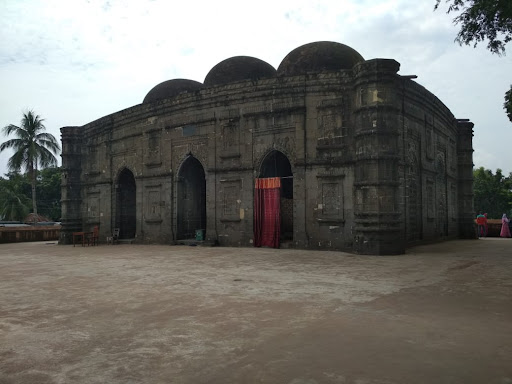
Location: Village of Kusumba, Manda Upazila, Naogaon District, Bangladesh Construction: 966 AH (1558-59 AD) during the reign of Ghiyasuddin Bahadur Shah, the last ruler of the Suri dynasty Material: Dark stone Layout: Rectangular form with three mihrabs (prayer niches) – one central and two flanking the central passageway Interior: Spacious prayer hall divided into three naves and two aisles, light streaming through entrances on the eastern, north, and south sides, raised platform in the northwest corner possibly used by judges in the past Exterior: Surrounded by a vast 25.83-acre reservoir called the Kusumba Dighi, which reflects the mosque’s grandeur and enhances the tranquility of the landscape Significance: Featured on the Bangladeshi five-taka note, stands as a beacon of cultural heritage and architectural brilliance Nestled in the village of Kusumba, Manda Upazila, Naogaon District, Bangladesh, stands the Kusumba Mosque, a magnificent testament to Afghan-era artistry. Built during the reign of Ghiyasuddin Bahadur Shah, the last ruler of the Suri dynasty, the mosque’s construction was overseen by a man named Sulaiman in 966 AH (1558-59 AD). This date is proudly displayed on a plaque gracing the mosque’s entrance.

Clad in dark stone, the mosque rises gracefully on the west bank of the Kusumba Dighi. Its rectangular form embraces three mihrabs – prayer niches indicating the direction of Mecca – each crafted from the same somber stone. The central mihrab stands independent from the western wall, while two smaller ones flank the central passageway, mirroring its design on the floor. This unique three-mihrab configuration is a rarity in mosque architecture.

Intricate floral and vine motifs embellish the mihrabs, echoing the herbal patterns adorning the mosque’s overall design. Six rounded domes, arranged in two rows, crown the structure, while a slightly curved cornice and engaged rectangular towers add Bengali flair to the predominantly Afghan architectural style.

Stepping inside, one is greeted by a spacious prayer hall divided into three naves and two aisles. Light streams through three entrances on the eastern facade and one each on the north and south sides. In the northwest corner, a raised platform atop a pillar whispers of the mosque’s past. Legend has it that judges of the era used this platform to address local matters, adding to the mosque’s historical significance.

Beyond the mosque itself, a vast reservoir spanning 25.83 acres completes the scene. This serene pool, known as the Kusumba Dighi, reflects the mosque’s grandeur and enhances the tranquility of the surrounding landscape.

Featured on the Bangladeshi five-taka note, the Kusumba Mosque stands as a beacon of cultural heritage and architectural brilliance. Its unique blend of Afghan and Bengali influences makes it a must-visit for anyone seeking a glimpse into Bangladesh’s rich history and...

   Read more

avatar
5.0
4y

Kusumba Mosjid is a old ancient place in Bangladesh 450 hundreds years history. Kusumba Mosque is named after the village of Kusumba, under the Manda upazila of Naogaon district, on the west bank of the Atrai River. It is inside a walled enclosure with a monumental gateway that has standing spaces for guards. It was built during the period of Afghan rule in Bengal under one of the last Suri rulers Ghiyasuddin Bahadur Shah, by one Suleiman who was probably a high ranking official. The inscription tablet in Arabic (only the word ‘built by’ is in Persian) dating the building to 966 AH (1558-59 AD) is fixed over its eastern central entrance.

Although built during Suri rule, it is not influenced at all by the earlier Suri architecture of North India, and is well grounded in the Bengal style. The brick building, gently curved cornice, and the engaged octagonal corner towers are typical features. The mosque, presently protected by the Department of Archaeology of Bangladesh, was badly damaged during the earthquake of 1897. Although the main fabric of the building is of brick the entire exterior walls, and the interior up to the arches of the pendentive have stone facing. The columns, platform, floor, and perforated side screens are of stone. The mosque has a rectangular plan with three bays and two aisles, three entrances on the east and two each on the north and south sides.

The central mihrab is projected in the west. The interior west (qibla) wall has two mihrabs on the floor level opposite the central and southeastern entrances, but the one in the northwestern bay is above a raised platform ascended by a staircase on the east. The presence of such a platform in a non-imperial mosque indicates that not only royalty, but nobility and high-ranking officials were also separated from the general public during prayers. The mihrabs have elaborate stone carving. They have cusped arches crowned with kalasa (water pot) motifs, supported on intricately carved stone pillars which have projections and tasseled decorations hanging from chains. Bunches of grapes and vines curve in an almost serpentine manner on the mihrab frames, and kalasas, tendrils and rosettes are reduced to dots.

The platform edge has grape vine decoration, and there are rosettes on the spandrels of the arches supporting the platform, as well as on the mihrab wall. The stone used in the exterior facing is of a coarse quality and carved in shallow relief. Mouldings are most prominent decorative feature on the outside. They divide the walls into upper and lower sections, run all along the curved cornice, around the corner towers, in a straight line below the cornice, and frame the rectangular panels in the east, south and north walls. The spandrels of the central entrance arch are filled with small kalasa and rosette motifs. The north and south sides have...

   Read more
avatar
5.0
1y

Kusumba Madjid: A Historical Gem in Bangladesh

Nestled in the heart of Sonargaon, Narayanganj, Bangladesh, Kusumba Madjid stands as a testament to the rich architectural heritage of the Bengal region. This 16th-century mosque is a masterpiece of Islamic architecture and a significant historical landmark.

Architectural Marvel

Kusumba Madjid is renowned for its unique architectural design. Its walls are adorned with intricate terracotta tiles, showcasing scenes from everyday life, including hunting, farming, and religious rituals. The tiles are a testament to the skilled craftsmanship of the era and provide a glimpse into the social and cultural practices of the time.

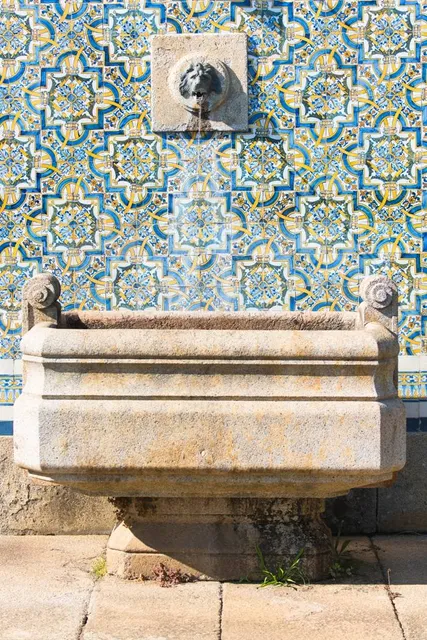
The mosque features a rectangular prayer hall with a vaulted ceiling supported by massive pillars. The central mihrab, or prayer niche, is decorated with blue and white tiles and is a focal point of the interior. The structure is further adorned with arched windows and doorways, creating a sense of symmetry and harmony.

Historical Significance

Kusumba Madjid was built by Ujir Khan, a military commander under the Sultan of Bengal. It is believed to have been a private place of worship for Khan and his family. The mosque has witnessed centuries of history and has survived numerous wars and natural disasters.

In 1985, Kusumba Madjid was declared a protected monument by the Bangladesh government. It has since undergone extensive restoration to preserve its architectural integrity and historical significance.

Tourism Destination

Today, Kusumba Madjid is a popular tourist destination. Visitors from around the world come to admire its architectural beauty and learn about its historical importance. The mosque is easily accessible from Dhaka, the capital of Bangladesh, and is a must-visit for anyone interested in history, architecture, or culture.

Conclusion

Kusumba Madjid is a magnificent example of Islamic architecture and a testament to the rich cultural heritage of Bangladesh. Its intricate terracotta tiles, unique design, and historical significance make it a must-visit destination for anyone exploring the country. Whether you are a history enthusiast, an architecture aficionado, or simply seeking an appreciation for the past, Kusumba Madjid is sure to leave a...

   Read more
Page 1 of 7
Previous
Next

Posts

Shah Toufiqul AlamShah Toufiqul Alam
Kusumba Mosjid is a old ancient place in Bangladesh 450 hundreds years history. Kusumba Mosque is named after the village of Kusumba, under the Manda upazila of Naogaon district, on the west bank of the Atrai River. It is inside a walled enclosure with a monumental gateway that has standing spaces for guards. It was built during the period of Afghan rule in Bengal under one of the last Suri rulers Ghiyasuddin Bahadur Shah, by one Suleiman who was probably a high ranking official. The inscription tablet in Arabic (only the word ‘built by’ is in Persian) dating the building to 966 AH (1558-59 AD) is fixed over its eastern central entrance. Although built during Suri rule, it is not influenced at all by the earlier Suri architecture of North India, and is well grounded in the Bengal style. The brick building, gently curved cornice, and the engaged octagonal corner towers are typical features. The mosque, presently protected by the Department of Archaeology of Bangladesh, was badly damaged during the earthquake of 1897. Although the main fabric of the building is of brick the entire exterior walls, and the interior up to the arches of the pendentive have stone facing. The columns, platform, floor, and perforated side screens are of stone. The mosque has a rectangular plan with three bays and two aisles, three entrances on the east and two each on the north and south sides. The central mihrab is projected in the west. The interior west (qibla) wall has two mihrabs on the floor level opposite the central and southeastern entrances, but the one in the northwestern bay is above a raised platform ascended by a staircase on the east. The presence of such a platform in a non-imperial mosque indicates that not only royalty, but nobility and high-ranking officials were also separated from the general public during prayers. The mihrabs have elaborate stone carving. They have cusped arches crowned with kalasa (water pot) motifs, supported on intricately carved stone pillars which have projections and tasseled decorations hanging from chains. Bunches of grapes and vines curve in an almost serpentine manner on the mihrab frames, and kalasas, tendrils and rosettes are reduced to dots. The platform edge has grape vine decoration, and there are rosettes on the spandrels of the arches supporting the platform, as well as on the mihrab wall. The stone used in the exterior facing is of a coarse quality and carved in shallow relief. Mouldings are most prominent decorative feature on the outside. They divide the walls into upper and lower sections, run all along the curved cornice, around the corner towers, in a straight line below the cornice, and frame the rectangular panels in the east, south and north walls. The spandrels of the central entrance arch are filled with small kalasa and rosette motifs. The north and south sides have screened windows.
Saklin MustakSaklin Mustak
**Kusumba Madjid: A Historical Gem in Bangladesh** Nestled in the heart of Sonargaon, Narayanganj, Bangladesh, Kusumba Madjid stands as a testament to the rich architectural heritage of the Bengal region. This 16th-century mosque is a masterpiece of Islamic architecture and a significant historical landmark. **Architectural Marvel** Kusumba Madjid is renowned for its unique architectural design. Its walls are adorned with intricate terracotta tiles, showcasing scenes from everyday life, including hunting, farming, and religious rituals. The tiles are a testament to the skilled craftsmanship of the era and provide a glimpse into the social and cultural practices of the time. The mosque features a rectangular prayer hall with a vaulted ceiling supported by massive pillars. The central mihrab, or prayer niche, is decorated with blue and white tiles and is a focal point of the interior. The structure is further adorned with arched windows and doorways, creating a sense of symmetry and harmony. **Historical Significance** Kusumba Madjid was built by Ujir Khan, a military commander under the Sultan of Bengal. It is believed to have been a private place of worship for Khan and his family. The mosque has witnessed centuries of history and has survived numerous wars and natural disasters. In 1985, Kusumba Madjid was declared a protected monument by the Bangladesh government. It has since undergone extensive restoration to preserve its architectural integrity and historical significance. **Tourism Destination** Today, Kusumba Madjid is a popular tourist destination. Visitors from around the world come to admire its architectural beauty and learn about its historical importance. The mosque is easily accessible from Dhaka, the capital of Bangladesh, and is a must-visit for anyone interested in history, architecture, or culture. **Conclusion** Kusumba Madjid is a magnificent example of Islamic architecture and a testament to the rich cultural heritage of Bangladesh. Its intricate terracotta tiles, unique design, and historical significance make it a must-visit destination for anyone exploring the country. Whether you are a history enthusiast, an architecture aficionado, or simply seeking an appreciation for the past, Kusumba Madjid is sure to leave a lasting impression.
Ashraful HaqAshraful Haq
Visiting Kusumba Mosque is an enchanting journey into the past, where every corner holds stories of a bygone era. Nestled amidst the greenery of rural Bangladesh, this historic mosque beckons travelers with its intricate terracotta designs that adorn its walls like a tapestry woven with the threads of time. As you approach the entrance, the air seems to hum with the whispers of centuries-old tales, inviting you to step inside and immerse yourself in the rich heritage of the region. Upon entering, you are greeted by the cool, hushed atmosphere that envelops the prayer hall. Sunlight filters through the latticed windows, casting mesmerizing patterns on the ancient floor tiles below. The walls, adorned with delicate motifs of floral blooms, geometric shapes, and Arabic calligraphy, stand as silent witnesses to the skill and craftsmanship of the artisans who toiled to create this architectural marvel. Each detail tells a story – from the intricately carved mihrab pointing towards Mecca, to the symmetrical patterns that adorn the domed ceiling overhead. Running your fingers along the textured surface of the terracotta reliefs, you can almost feel the passion and dedication that went into their creation centuries ago. As you wander through the courtyard, the echoes of the past seem to linger in the air, offering glimpses into the lives of those who once sought solace within these sacred walls. Perhaps it was a place of refuge for weary travelers, or a sanctuary for worshippers seeking divine guidance. Regardless of its storied past, Kusumba Mosque remains a testament to the enduring legacy of Bengal's rich cultural heritage. It stands as a reminder of the ingenuity and creativity of its builders, and a testament to the timeless beauty of Islamic architecture. In a world that is constantly changing, it serves as a beacon of history, drawing visitors from far and wide to marvel at its splendor and reflect on the passage of time.
See more posts
See more posts
hotel
Find your stay

Pet-friendly Hotels in Rajshahi Division

Find a cozy hotel nearby and make it a full experience.

Kusumba Mosjid is a old ancient place in Bangladesh 450 hundreds years history. Kusumba Mosque is named after the village of Kusumba, under the Manda upazila of Naogaon district, on the west bank of the Atrai River. It is inside a walled enclosure with a monumental gateway that has standing spaces for guards. It was built during the period of Afghan rule in Bengal under one of the last Suri rulers Ghiyasuddin Bahadur Shah, by one Suleiman who was probably a high ranking official. The inscription tablet in Arabic (only the word ‘built by’ is in Persian) dating the building to 966 AH (1558-59 AD) is fixed over its eastern central entrance. Although built during Suri rule, it is not influenced at all by the earlier Suri architecture of North India, and is well grounded in the Bengal style. The brick building, gently curved cornice, and the engaged octagonal corner towers are typical features. The mosque, presently protected by the Department of Archaeology of Bangladesh, was badly damaged during the earthquake of 1897. Although the main fabric of the building is of brick the entire exterior walls, and the interior up to the arches of the pendentive have stone facing. The columns, platform, floor, and perforated side screens are of stone. The mosque has a rectangular plan with three bays and two aisles, three entrances on the east and two each on the north and south sides. The central mihrab is projected in the west. The interior west (qibla) wall has two mihrabs on the floor level opposite the central and southeastern entrances, but the one in the northwestern bay is above a raised platform ascended by a staircase on the east. The presence of such a platform in a non-imperial mosque indicates that not only royalty, but nobility and high-ranking officials were also separated from the general public during prayers. The mihrabs have elaborate stone carving. They have cusped arches crowned with kalasa (water pot) motifs, supported on intricately carved stone pillars which have projections and tasseled decorations hanging from chains. Bunches of grapes and vines curve in an almost serpentine manner on the mihrab frames, and kalasas, tendrils and rosettes are reduced to dots. The platform edge has grape vine decoration, and there are rosettes on the spandrels of the arches supporting the platform, as well as on the mihrab wall. The stone used in the exterior facing is of a coarse quality and carved in shallow relief. Mouldings are most prominent decorative feature on the outside. They divide the walls into upper and lower sections, run all along the curved cornice, around the corner towers, in a straight line below the cornice, and frame the rectangular panels in the east, south and north walls. The spandrels of the central entrance arch are filled with small kalasa and rosette motifs. The north and south sides have screened windows.
Shah Toufiqul Alam

Shah Toufiqul Alam

hotel
Find your stay

Affordable Hotels in Rajshahi Division

Find a cozy hotel nearby and make it a full experience.

Get the Appoverlay
Get the AppOne tap to find yournext favorite spots!
**Kusumba Madjid: A Historical Gem in Bangladesh** Nestled in the heart of Sonargaon, Narayanganj, Bangladesh, Kusumba Madjid stands as a testament to the rich architectural heritage of the Bengal region. This 16th-century mosque is a masterpiece of Islamic architecture and a significant historical landmark. **Architectural Marvel** Kusumba Madjid is renowned for its unique architectural design. Its walls are adorned with intricate terracotta tiles, showcasing scenes from everyday life, including hunting, farming, and religious rituals. The tiles are a testament to the skilled craftsmanship of the era and provide a glimpse into the social and cultural practices of the time. The mosque features a rectangular prayer hall with a vaulted ceiling supported by massive pillars. The central mihrab, or prayer niche, is decorated with blue and white tiles and is a focal point of the interior. The structure is further adorned with arched windows and doorways, creating a sense of symmetry and harmony. **Historical Significance** Kusumba Madjid was built by Ujir Khan, a military commander under the Sultan of Bengal. It is believed to have been a private place of worship for Khan and his family. The mosque has witnessed centuries of history and has survived numerous wars and natural disasters. In 1985, Kusumba Madjid was declared a protected monument by the Bangladesh government. It has since undergone extensive restoration to preserve its architectural integrity and historical significance. **Tourism Destination** Today, Kusumba Madjid is a popular tourist destination. Visitors from around the world come to admire its architectural beauty and learn about its historical importance. The mosque is easily accessible from Dhaka, the capital of Bangladesh, and is a must-visit for anyone interested in history, architecture, or culture. **Conclusion** Kusumba Madjid is a magnificent example of Islamic architecture and a testament to the rich cultural heritage of Bangladesh. Its intricate terracotta tiles, unique design, and historical significance make it a must-visit destination for anyone exploring the country. Whether you are a history enthusiast, an architecture aficionado, or simply seeking an appreciation for the past, Kusumba Madjid is sure to leave a lasting impression.
Saklin Mustak

Saklin Mustak

hotel
Find your stay

The Coolest Hotels You Haven't Heard Of (Yet)

Find a cozy hotel nearby and make it a full experience.

hotel
Find your stay

Trending Stays Worth the Hype in Rajshahi Division

Find a cozy hotel nearby and make it a full experience.

Visiting Kusumba Mosque is an enchanting journey into the past, where every corner holds stories of a bygone era. Nestled amidst the greenery of rural Bangladesh, this historic mosque beckons travelers with its intricate terracotta designs that adorn its walls like a tapestry woven with the threads of time. As you approach the entrance, the air seems to hum with the whispers of centuries-old tales, inviting you to step inside and immerse yourself in the rich heritage of the region. Upon entering, you are greeted by the cool, hushed atmosphere that envelops the prayer hall. Sunlight filters through the latticed windows, casting mesmerizing patterns on the ancient floor tiles below. The walls, adorned with delicate motifs of floral blooms, geometric shapes, and Arabic calligraphy, stand as silent witnesses to the skill and craftsmanship of the artisans who toiled to create this architectural marvel. Each detail tells a story – from the intricately carved mihrab pointing towards Mecca, to the symmetrical patterns that adorn the domed ceiling overhead. Running your fingers along the textured surface of the terracotta reliefs, you can almost feel the passion and dedication that went into their creation centuries ago. As you wander through the courtyard, the echoes of the past seem to linger in the air, offering glimpses into the lives of those who once sought solace within these sacred walls. Perhaps it was a place of refuge for weary travelers, or a sanctuary for worshippers seeking divine guidance. Regardless of its storied past, Kusumba Mosque remains a testament to the enduring legacy of Bengal's rich cultural heritage. It stands as a reminder of the ingenuity and creativity of its builders, and a testament to the timeless beauty of Islamic architecture. In a world that is constantly changing, it serves as a beacon of history, drawing visitors from far and wide to marvel at its splendor and reflect on the passage of time.
Ashraful Haq

Ashraful Haq

See more posts
See more posts