Puthia Rajbari: A Historical Gem in Bangladesh
Located in the Puthia Upazila of Rajshahi district, Puthia Rajbari is a magnificent architectural marvel that showcases the rich history and cultural heritage of Bangladesh. As a place reviewer, I had the pleasure of visiting this historical gem and was truly captivated by its grandeur.
Puthia Rajbari, also known as the Puthia Palace, was built during the 19th century by the influential Zamindar (landlord) family of Puthia. The palace complex consists of several interconnected buildings, each reflecting a unique blend of architectural styles, including Hindu, Islamic, and European influences.
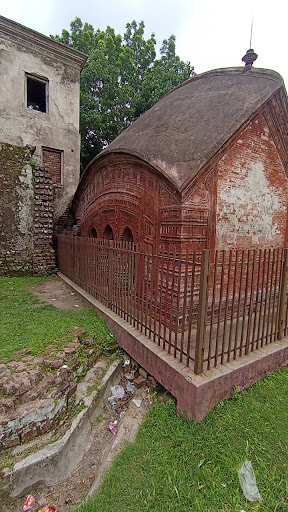
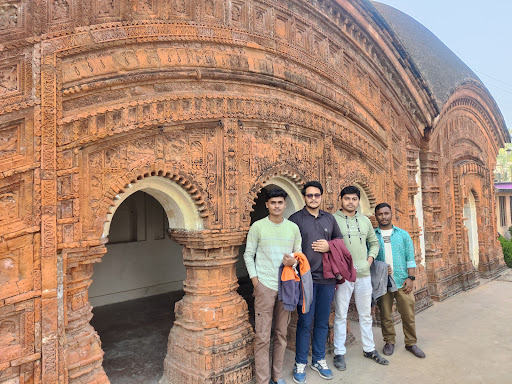
One of the main attractions of Puthia Rajbari is the Nat Mandir, a stunning temple dedicated to Lord Krishna. This temple is adorned with intricate terracotta carvings depicting scenes from Hindu mythology, making it a visual delight for art enthusiasts. The craftsmanship and attention to detail in these carvings are truly remarkable.
Another notable structure within the palace complex is the Dol Mancha, an open-air platform used for religious and cultural gatherings. This elevated platform is adorned with beautiful arches and pillars, creating a picturesque setting for various festivities.
The history of Puthia Rajbari is intertwined with the Zamindar family who once ruled this region. They were known for their patronage of the arts, literature, and education. The palace complex served as a center for cultural activities and intellectual discussions, attracting scholars and artists from far and wide.
Today, Puthia Rajbari stands as a testament to the glorious past of Bangladesh. The preservation efforts undertaken by the authorities have ensured that this architectural masterpiece remains intact for future generations to appreciate. Visitors can explore the palace complex, marvel at the intricate carvings, and immerse themselves in the rich history and cultural heritage of the region.
In conclusion, Puthia Rajbari is a must-visit destination for history buffs, architecture enthusiasts, and anyone interested in experiencing the cultural heritage of Bangladesh. Its stunning architecture, intricate carvings, and historical significance make it a truly remarkable place to explorar Furthermore, the surrounding landscape of Puthia Rajbari adds to its charm. The palace complex is nestled amidst lush greenery, with well-manicured gardens and serene ponds. This tranquil environment provides a perfect backdrop for visitors to relax and soak in the beauty of their surroundings.
During my visit, I had the opportunity to interact with the locals, who were warm and welcoming. They shared fascinating stories and legends associated with Puthia Rajbari, further enriching my experience. It was evident that the palace holds a special place in the hearts of the local community, who take great pride in its historical significance.
For those interested in delving deeper into the history of Puthia Rajbari, there is a small museum within the palace complex. The museum houses a collection of artifacts, photographs, and documents that shed light on the lives of the Zamindar family and the cultural heritage of the region. It is a treasure trove of information for history enthusiasts.
Visiting Puthia Rajbari is like stepping back in time, allowing you to witness the grandeur and opulence of a bygone era. The architectural brilliance, the rich cultural heritage, and the tranquil ambiance make it a truly unforgettable experience.
In terms of accessibility, Puthia Rajbari is located approximately 30 kilometers from Rajshahi city. It can be easily reached by road, and there are ample transportation options available. The entrance fee is nominal, making it an affordable destination for both locals and tourists.
In conclusion, Puthia Rajbari is a hidden gem in Bangladesh that deserves recognition and appreciation. Its historical significance, architectural beauty, and serene surroundings make it a must-visit destination for anyone seeking to explore the cultural heritage of...
Read moreInitially, Puthia was a village of Laskarpur Pargana, named after Laskar Khan Nilamber, the brother of the first zamindar of Puthia, who was the first to receive the title of Raja from the Mughal emperor Jahangir. A partition of the estate took place in 1744 and the zamindari was divided among 4 co shares among whom the panch ani (five annas) and char ani (four annas) co-shares become famous in conducting jamindary.
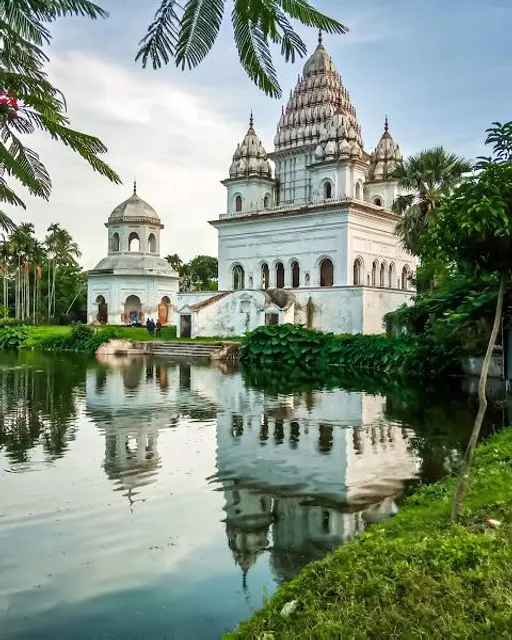
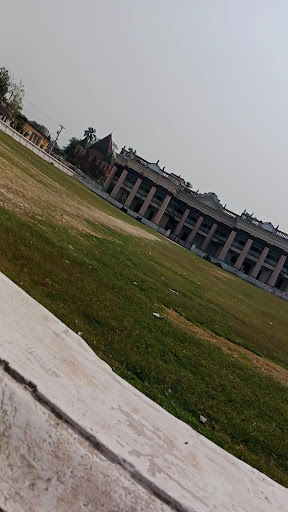
Puthia Rajbari is surrounded by ditches. The south end of an open field is where panch ani palace is situated. 4.31 acres of land was used for the Rajbari. The once strong walls surrounding the place are now damaged in places. The rajbari is divided into 4 courts :
Kachhari (office) Angan (court)
Mandir angan or Gobindabari (temple court)
Andar Mahal (inner quarters)
Residence of Maharani Hemanti Kumari
The rooms are built around the courts in the palace, with the exception of the Kachari Angan, the courts are one storeyed. Kachari Angan has porticos on both the west and east ends which project in the Palladian manner. The west entrance gate leads to Kachari Angan while the other leads to Temple or Gobindabari courts. Each portico is supported by 4 semi-Corinthian columns rising the full height of the building. The porticos contain arcaded, semi-glazed loggias at the first floor level. The building's central portion, between the porticos, continues the columned theme and also has a loggia at first floor level. Also here the 4 semi Corinthian pillars cover the upper parts of the building. A wooden staircase leads to the upper floor on the east side. There are three rooms of different size, two of which were used as treasuries. The other side, (Western) has 4 rooms with two verandahs. Close to Govindabari, there are two small rooms with verandah. Now, most of the rooms built on the east and south of Kachari Angan are at ruins.
The northern block of the building with east–west axis is double storeyed and has a wide hall of 21.95m x 7.16m. The upper storeyed portion has six variously announced rooms. In front of the hall there is a wide verandah with balconies on either side. The Pancharatna Bara Gobinda temple is located at the Gobindabari of this palace. The temple is beautifully ornamented with terracotta carvings. There are two rooms and several bathrooms in the western part of Andar Mahal. Most of the rooms in the court in western part of Andar Mahal are in ruins. In the eastern part of Ander Mahal there is one storeyed residence of Rani Hemanta Kumari. It has a porch in front of it and a central reception hall with nine rooms. There are extended verandahs with arches in front and rear of the hall room. Iron and wooden beams have been used...
Read moreThe Puthia Rajbari (Puthia Royal Palace) is a magnificent historical site located in Puthia Upazila, Rajshahi, Bangladesh. It is one of the most prominent examples of traditional Bengali architecture, showcasing the grandeur of the zamindari (landlord) system during the Mughal and British periods.
Historical Background
The Puthia estate was established during the reign of Emperor Akbar in the late 16th century. Pitambara, the founder of the Puthia dynasty, laid its foundation. Over time, the estate flourished and became a cultural and administrative hub under various rulers, including Raja Narendranarayan, Jagannarayan, and notable queens like Rani Bhuvanamayi Devi and Rani Sarab Sundari Devi.
Architectural Features
The Puthia Rajbari complex comprises multiple structures, including palaces, temples, and courtyards. The site is divided into Charani and Panchani sections after a division of the estate in the 18th century.
The Main Palace (Puthia Rajbari)
A grand, two-story building with European and Mughal architectural influences.
Features intricate terracotta designs, spacious courtyards, and ornate pillars.
It served as the primary residence of the zamindars.
Temples in the Complex
Shiva Temple: One of the largest Shiva temples in Bangladesh, built in 1823 by Rani Bhuvanamayi Devi.
Govinda Temple: Dedicated to Lord Krishna, this temple is adorned with exquisite terracotta panels depicting mythological stories.
Annapurna Temple: A smaller yet intricately designed temple within the complex.
Other Structures
Bara Ahnik Mandir and Chhota Govinda Mandir are smaller temples located within the Charani domain.
Hawakhana: A relaxation area surrounded by lush greenery and water bodies.
Surrounding Dighis (Reservoirs)
The estate is surrounded by large reservoirs such as Govindasagar Dighi, Shyamsagar Dighi, Radhasagar Dighi, and others, which served both practical and aesthetic purposes.
Cultural and Historical Significance
The Puthia Rajbari stands as a testament to the rich cultural and artistic heritage of Bengal.
It highlights the architectural blend of Hindu religious influences and Mughal styles.
The site is a key tourist attraction in Rajshahi and a subject of historical research.
Preservation Status
Unfortunately, parts of the complex have suffered neglect and damage over time. Efforts by the Bangladeshi government and heritage organizations aim to preserve and restore this...
Read more