HTML SitemapExplore
logo
Find Things to DoFind The Best Restaurants

Uttara Gonobhobon — Attraction in Rajshahi Division

Name
Uttara Gonobhobon
Description
Nearby attractions
Nearby restaurants
Nearby hotels
Related posts
Keywords
Uttara Gonobhobon tourism.Uttara Gonobhobon hotels.Uttara Gonobhobon bed and breakfast. flights to Uttara Gonobhobon.Uttara Gonobhobon attractions.Uttara Gonobhobon restaurants.Uttara Gonobhobon travel.Uttara Gonobhobon travel guide.Uttara Gonobhobon travel blog.Uttara Gonobhobon pictures.Uttara Gonobhobon photos.Uttara Gonobhobon travel tips.Uttara Gonobhobon maps.Uttara Gonobhobon things to do.
Uttara Gonobhobon things to do, attractions, restaurants, events info and trip planning
Uttara Gonobhobon
BangladeshRajshahi DivisionUttara Gonobhobon

Basic Info

Uttara Gonobhobon

C2Q6+W79, দিঘাপতিয়া, নাটোর।, N502, Natore 6400, Bangladesh
4.5(1.8K)
Open 24 hours
Save
spot

Ratings & Description

Info

Cultural
Scenic
Family friendly
attractions: , restaurants:
logoLearn more insights from Wanderboat AI.

Plan your stay

hotel
Pet-friendly Hotels in Rajshahi Division
Find a cozy hotel nearby and make it a full experience.
hotel
Affordable Hotels in Rajshahi Division
Find a cozy hotel nearby and make it a full experience.
hotel
The Coolest Hotels You Haven't Heard Of (Yet)
Find a cozy hotel nearby and make it a full experience.
hotel
Trending Stays Worth the Hype in Rajshahi Division
Find a cozy hotel nearby and make it a full experience.

Reviews

Get the Appoverlay
Get the AppOne tap to find yournext favorite spots!
Wanderboat LogoWanderboat

Your everyday Al companion for getaway ideas

CompanyAbout Us
InformationAI Trip PlannerSitemap
SocialXInstagramTiktokLinkedin
LegalTerms of ServicePrivacy Policy

Get the app

© 2025 Wanderboat. All rights reserved.
logo

Reviews of Uttara Gonobhobon

4.5
(1,803)
avatar
5.0
17w

Uttara Ganabhaban, Natore – A Palace Steeped in History and Beauty

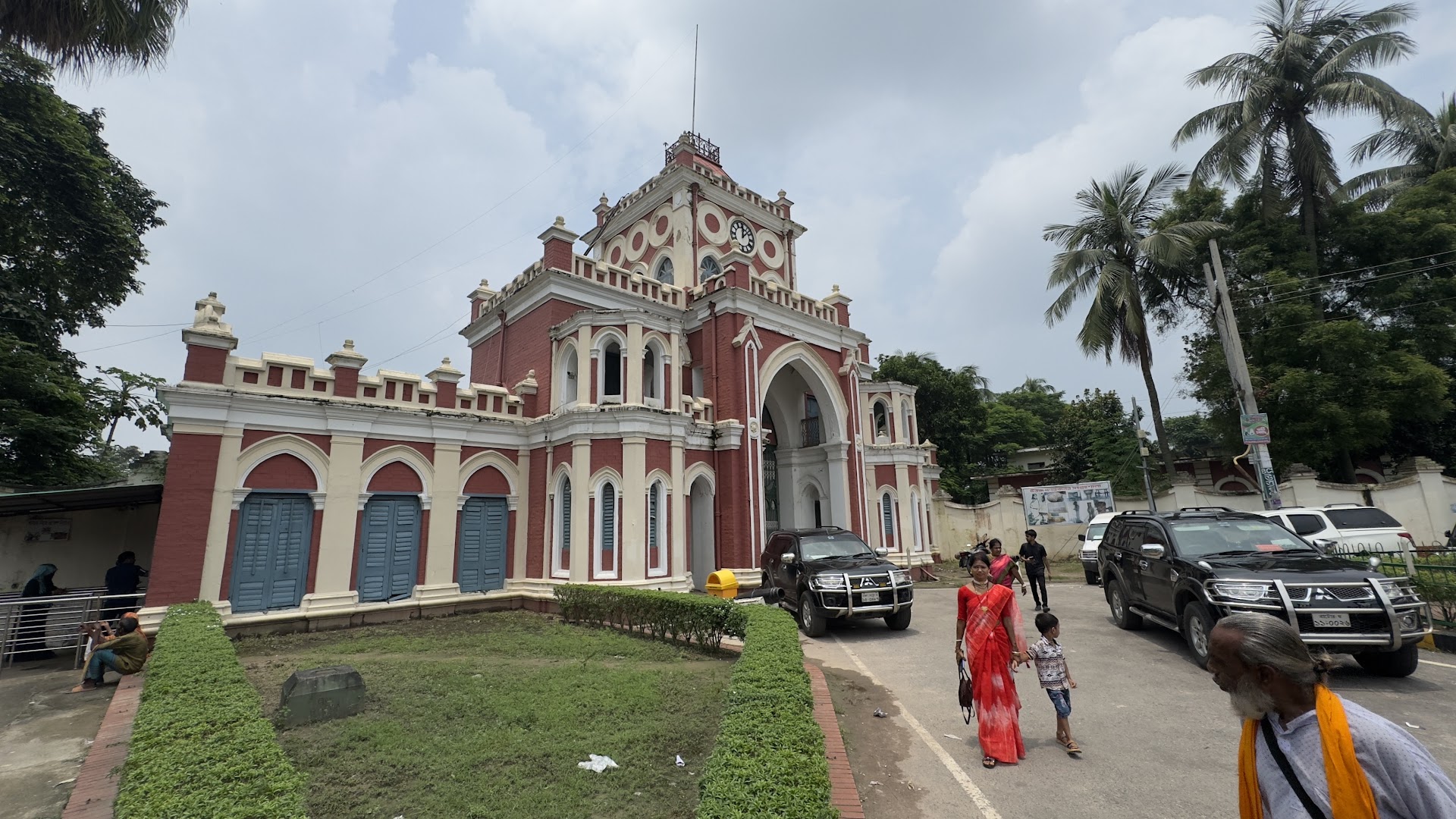
Located just a few kilometers from Natore town, Uttara Ganabhaban — formerly known as Dighapatia Palace — is one of Bangladesh’s most majestic heritage sites. It’s not only beautiful to look at but also carries a long and fascinating history that stretches back almost 300 years.

⸻

🏰 Historical Background

The palace was originally built in 1734 by Raja Dayaram Roy, the founder of the Dighapatia Raj family. Over the years, it became the seat of the powerful Raj family, who were prominent zamindars during the Bengal Nawab and later British colonial era.

In 1897, a massive earthquake severely damaged the palace. It was later rebuilt under Raja Pramada Nath Roy, incorporating both European and Indo-Saracenic architectural styles. Italian marble statues, large crystal chandeliers, and intricate woodwork were added, showcasing the opulence of the period.

During the British era, the palace was a center of administration and hosted several dignitaries. After the abolition of the zamindari system in 1950, it fell under government control.

The biggest shift came in 1972, when Sheikh Mujibur Rahman, declared it the official residence of the Prime Minister for visits to North Bengal. Since then, it has been known as Uttara Ganabhaban (Northern People’s House).

⸻

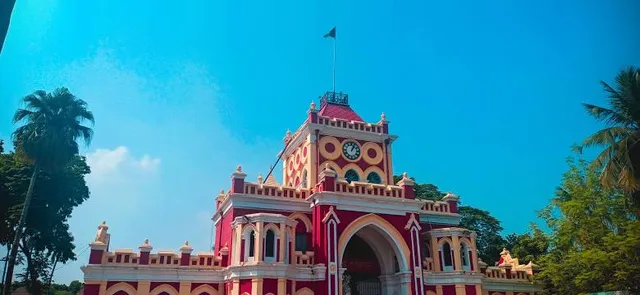
🌟 Key Features & Attractions • Iconic Clock Tower Gate – A grand entrance with an Italian-imported clock and bell. • Royal Gardens – Lush lawns with rare exotic trees and flower beds, carefully maintained. • Italian Marble Statues – Placed around the gardens, adding European elegance. • Museum Section – Displays historical photographs, artifacts, and furniture from the palace’s past. • Parijat Tree – A centuries-old, sacred flowering tree that draws visitors in spring.

⸻

🏞 Visitor Experience

The palace grounds are peaceful and photogenic. The air feels fresher, and the layout invites slow walks. The combination of rich history and natural beauty makes it a unique place — both a living museum and an active government residence. Some areas may be restricted due to official use, but there’s still plenty to see.

⸻

💡 Tips for Visitors • Best time to visit: Winter or spring, especially when the Parijat flowers bloom. • Getting there: Only 3 km from Natore town — easy by rickshaw or CNG. • Time needed: 1–2 hours to explore the gardens, museum, and surroundings. • Nearby attractions: Natore Rajbari, Chalan Beel, and the famous Natore sweets shops.

⸻

✅ Final Thoughts

Uttara Ganabhaban is more than just a pretty palace — it’s a piece of Bangladesh’s cultural and political history. If you’re visiting Natore or North Bengal, it’s a must-see. Standing in its gardens, you can almost hear the echoes of royal gatherings, colonial conversations, and the footsteps of leaders who...

   Read more

avatar
5.0
30w

Uttara Gonobhaban – Where History Meets Heritage

Tucked away in the serene surroundings of Natore, the Uttara Gonobhaban stands not only as an architectural marvel but also as a witness to centuries of Bengal’s political and cultural transformation. Originally known as the Natore Rajbari, this estate was once the royal palace of the influential Rani Bhabani—one of Bengal’s most powerful and philanthropic zamindars in the 18th century.

Constructed during the late Mughal period, the palace embodies a beautiful blend of Mughal and European architectural elements. The sprawling estate, dotted with manicured gardens, high archways, intricate woodwork, and majestic courtyards, paints a picture of aristocratic life in pre-colonial Bengal.

After the abolition of the zamindari system, the palace changed hands several times before being officially renamed as Uttara Gonobhaban in 1967 by the then East Pakistan government. Its purpose was to serve as the official northern residence of the Governor and later the President and Prime Minister of Bangladesh, hence the name “Gonobhaban” (People’s House). Even today, it is used for official functions and as a retreat for the head of the government during visits to the northern region.

But Uttara Gonobhaban is more than just a governmental house—it’s a cultural treasure. The palace premises include a museum that showcases rare artifacts, portraits, documents, and remnants of royal life, making it a vital resource for anyone interested in Bengal’s socio-political history.

Why Visit? Whether you are a history buff, architecture lover, or simply a traveler seeking stories from the past, Uttara Gonobhaban offers a journey into the regal history of Bengal. Walking through its grand corridors, one can almost hear the whispers of a bygone era—of royalty, rebellion, and revival.

In a nation rapidly modernizing, Uttara Gonobhaban remains a proud symbol of our heritage—rooted in history, yet...

   Read more
avatar
5.0
5y

The Dighapatia palace, the ancient historical heritage of about three hundred years, is known as the Uttara Ganabhaban of Natore.

Dighapatia Rajbari, which is known as Uttara Ganabhaban, is about three km north of Natore district town. Bhabani, the queen of Natore, was pleased with her deputy Dayaram and offered him a Dighapatia pargana. Here he built several picturesque palaces.

The huge gate at the entrance to the Uttara Ganabhaban is actually an enormous stone clock. The watch was brought by King Dayaram from England at that time. There is a big bell next to the clock. At one time this bell could be heard from afar. Inside the palace there are gatherings and ceremonies of many ancient and rare species of trees. The flowers, which are decorated with the decoration of the National Memorial of Dhaka, are here in brownea and cassia. In addition to the other trees there are Raj-ashoka, Saurabhi, Parijat, Hapabamali, Kapur, Haritaki, Yashtamudhu, Madhvi, Tarajhara, Micas, Sapphire, Hymanti, and some rare species of fruits and medicinal trees. In the palace there is a great tributary of these trees on the hillside or on the lake.

Around the entrance to the palace are the palaces that surround the palace. Large fields and rose gardens inside, public office on one side. The two-story yellow building is known as the Kumar Palace. Inside the palace there are several useful items. Within the building there are museums, many spectacular monuments, sculptures and spectacular architecture.

There are six ponds at Uttara Ganabhaban premises, namely Golpukur, Padampukur, Shamsagar, Koiraripukur, Kalipukur, Kestzir Pond. Besides, there are well-established terraces around the Ganabhaban. There are multiple ferries at each pond.

Schedule: 10 am to 6 pm in summer, Uttara Ganabhaban is open to visitors from 10 am to 5 pm in winter. Uttara Ganabhaban is open on Sunday.

In all, Uttara Ganabhaban can be an ideal place...

   Read more
Page 1 of 7
Previous
Next

Posts

Md BadyuzzamanMd Badyuzzaman
Uttara Ganabhaban, Natore – A Palace Steeped in History and Beauty Located just a few kilometers from Natore town, Uttara Ganabhaban — formerly known as Dighapatia Palace — is one of Bangladesh’s most majestic heritage sites. It’s not only beautiful to look at but also carries a long and fascinating history that stretches back almost 300 years. ⸻ 🏰 Historical Background The palace was originally built in 1734 by Raja Dayaram Roy, the founder of the Dighapatia Raj family. Over the years, it became the seat of the powerful Raj family, who were prominent zamindars during the Bengal Nawab and later British colonial era. In 1897, a massive earthquake severely damaged the palace. It was later rebuilt under Raja Pramada Nath Roy, incorporating both European and Indo-Saracenic architectural styles. Italian marble statues, large crystal chandeliers, and intricate woodwork were added, showcasing the opulence of the period. During the British era, the palace was a center of administration and hosted several dignitaries. After the abolition of the zamindari system in 1950, it fell under government control. The biggest shift came in 1972, when Sheikh Mujibur Rahman, declared it the official residence of the Prime Minister for visits to North Bengal. Since then, it has been known as Uttara Ganabhaban (Northern People’s House). ⸻ 🌟 Key Features & Attractions • Iconic Clock Tower Gate – A grand entrance with an Italian-imported clock and bell. • Royal Gardens – Lush lawns with rare exotic trees and flower beds, carefully maintained. • Italian Marble Statues – Placed around the gardens, adding European elegance. • Museum Section – Displays historical photographs, artifacts, and furniture from the palace’s past. • Parijat Tree – A centuries-old, sacred flowering tree that draws visitors in spring. ⸻ 🏞 Visitor Experience The palace grounds are peaceful and photogenic. The air feels fresher, and the layout invites slow walks. The combination of rich history and natural beauty makes it a unique place — both a living museum and an active government residence. Some areas may be restricted due to official use, but there’s still plenty to see. ⸻ 💡 Tips for Visitors • Best time to visit: Winter or spring, especially when the Parijat flowers bloom. • Getting there: Only 3 km from Natore town — easy by rickshaw or CNG. • Time needed: 1–2 hours to explore the gardens, museum, and surroundings. • Nearby attractions: Natore Rajbari, Chalan Beel, and the famous Natore sweets shops. ⸻ ✅ Final Thoughts Uttara Ganabhaban is more than just a pretty palace — it’s a piece of Bangladesh’s cultural and political history. If you’re visiting Natore or North Bengal, it’s a must-see. Standing in its gardens, you can almost hear the echoes of royal gatherings, colonial conversations, and the footsteps of leaders who shaped the nation.
Mazedul AlamMazedul Alam
Uttara Gonobhaban – Where History Meets Heritage Tucked away in the serene surroundings of Natore, the Uttara Gonobhaban stands not only as an architectural marvel but also as a witness to centuries of Bengal’s political and cultural transformation. Originally known as the Natore Rajbari, this estate was once the royal palace of the influential Rani Bhabani—one of Bengal’s most powerful and philanthropic zamindars in the 18th century. Constructed during the late Mughal period, the palace embodies a beautiful blend of Mughal and European architectural elements. The sprawling estate, dotted with manicured gardens, high archways, intricate woodwork, and majestic courtyards, paints a picture of aristocratic life in pre-colonial Bengal. After the abolition of the zamindari system, the palace changed hands several times before being officially renamed as Uttara Gonobhaban in 1967 by the then East Pakistan government. Its purpose was to serve as the official northern residence of the Governor and later the President and Prime Minister of Bangladesh, hence the name “Gonobhaban” (People’s House). Even today, it is used for official functions and as a retreat for the head of the government during visits to the northern region. But Uttara Gonobhaban is more than just a governmental house—it’s a cultural treasure. The palace premises include a museum that showcases rare artifacts, portraits, documents, and remnants of royal life, making it a vital resource for anyone interested in Bengal’s socio-political history. Why Visit? Whether you are a history buff, architecture lover, or simply a traveler seeking stories from the past, Uttara Gonobhaban offers a journey into the regal history of Bengal. Walking through its grand corridors, one can almost hear the whispers of a bygone era—of royalty, rebellion, and revival. In a nation rapidly modernizing, Uttara Gonobhaban remains a proud symbol of our heritage—rooted in history, yet alive in purpose.
NZ NRNZ NR
The Dighapatia palace, the ancient historical heritage of about three hundred years, is known as the Uttara Ganabhaban of Natore. Dighapatia Rajbari, which is known as Uttara Ganabhaban, is about three km north of Natore district town. Bhabani, the queen of Natore, was pleased with her deputy Dayaram and offered him a Dighapatia pargana. Here he built several picturesque palaces. The huge gate at the entrance to the Uttara Ganabhaban is actually an enormous stone clock. The watch was brought by King Dayaram from England at that time. There is a big bell next to the clock. At one time this bell could be heard from afar. Inside the palace there are gatherings and ceremonies of many ancient and rare species of trees. The flowers, which are decorated with the decoration of the National Memorial of Dhaka, are here in brownea and cassia. In addition to the other trees there are Raj-ashoka, Saurabhi, Parijat, Hapabamali, Kapur, Haritaki, Yashtamudhu, Madhvi, Tarajhara, Micas, Sapphire, Hymanti, and some rare species of fruits and medicinal trees. In the palace there is a great tributary of these trees on the hillside or on the lake. Around the entrance to the palace are the palaces that surround the palace. Large fields and rose gardens inside, public office on one side. The two-story yellow building is known as the Kumar Palace. Inside the palace there are several useful items. Within the building there are museums, many spectacular monuments, sculptures and spectacular architecture. There are six ponds at Uttara Ganabhaban premises, namely Golpukur, Padampukur, Shamsagar, Koiraripukur, Kalipukur, Kestzir Pond. Besides, there are well-established terraces around the Ganabhaban. There are multiple ferries at each pond. Schedule: 10 am to 6 pm in summer, Uttara Ganabhaban is open to visitors from 10 am to 5 pm in winter. Uttara Ganabhaban is open on Sunday. In all, Uttara Ganabhaban can be an ideal place for tourists.
See more posts
See more posts
hotel
Find your stay

Pet-friendly Hotels in Rajshahi Division

Find a cozy hotel nearby and make it a full experience.

Uttara Ganabhaban, Natore – A Palace Steeped in History and Beauty Located just a few kilometers from Natore town, Uttara Ganabhaban — formerly known as Dighapatia Palace — is one of Bangladesh’s most majestic heritage sites. It’s not only beautiful to look at but also carries a long and fascinating history that stretches back almost 300 years. ⸻ 🏰 Historical Background The palace was originally built in 1734 by Raja Dayaram Roy, the founder of the Dighapatia Raj family. Over the years, it became the seat of the powerful Raj family, who were prominent zamindars during the Bengal Nawab and later British colonial era. In 1897, a massive earthquake severely damaged the palace. It was later rebuilt under Raja Pramada Nath Roy, incorporating both European and Indo-Saracenic architectural styles. Italian marble statues, large crystal chandeliers, and intricate woodwork were added, showcasing the opulence of the period. During the British era, the palace was a center of administration and hosted several dignitaries. After the abolition of the zamindari system in 1950, it fell under government control. The biggest shift came in 1972, when Sheikh Mujibur Rahman, declared it the official residence of the Prime Minister for visits to North Bengal. Since then, it has been known as Uttara Ganabhaban (Northern People’s House). ⸻ 🌟 Key Features & Attractions • Iconic Clock Tower Gate – A grand entrance with an Italian-imported clock and bell. • Royal Gardens – Lush lawns with rare exotic trees and flower beds, carefully maintained. • Italian Marble Statues – Placed around the gardens, adding European elegance. • Museum Section – Displays historical photographs, artifacts, and furniture from the palace’s past. • Parijat Tree – A centuries-old, sacred flowering tree that draws visitors in spring. ⸻ 🏞 Visitor Experience The palace grounds are peaceful and photogenic. The air feels fresher, and the layout invites slow walks. The combination of rich history and natural beauty makes it a unique place — both a living museum and an active government residence. Some areas may be restricted due to official use, but there’s still plenty to see. ⸻ 💡 Tips for Visitors • Best time to visit: Winter or spring, especially when the Parijat flowers bloom. • Getting there: Only 3 km from Natore town — easy by rickshaw or CNG. • Time needed: 1–2 hours to explore the gardens, museum, and surroundings. • Nearby attractions: Natore Rajbari, Chalan Beel, and the famous Natore sweets shops. ⸻ ✅ Final Thoughts Uttara Ganabhaban is more than just a pretty palace — it’s a piece of Bangladesh’s cultural and political history. If you’re visiting Natore or North Bengal, it’s a must-see. Standing in its gardens, you can almost hear the echoes of royal gatherings, colonial conversations, and the footsteps of leaders who shaped the nation.
Md Badyuzzaman

Md Badyuzzaman

hotel
Find your stay

Affordable Hotels in Rajshahi Division

Find a cozy hotel nearby and make it a full experience.

Get the Appoverlay
Get the AppOne tap to find yournext favorite spots!
Uttara Gonobhaban – Where History Meets Heritage Tucked away in the serene surroundings of Natore, the Uttara Gonobhaban stands not only as an architectural marvel but also as a witness to centuries of Bengal’s political and cultural transformation. Originally known as the Natore Rajbari, this estate was once the royal palace of the influential Rani Bhabani—one of Bengal’s most powerful and philanthropic zamindars in the 18th century. Constructed during the late Mughal period, the palace embodies a beautiful blend of Mughal and European architectural elements. The sprawling estate, dotted with manicured gardens, high archways, intricate woodwork, and majestic courtyards, paints a picture of aristocratic life in pre-colonial Bengal. After the abolition of the zamindari system, the palace changed hands several times before being officially renamed as Uttara Gonobhaban in 1967 by the then East Pakistan government. Its purpose was to serve as the official northern residence of the Governor and later the President and Prime Minister of Bangladesh, hence the name “Gonobhaban” (People’s House). Even today, it is used for official functions and as a retreat for the head of the government during visits to the northern region. But Uttara Gonobhaban is more than just a governmental house—it’s a cultural treasure. The palace premises include a museum that showcases rare artifacts, portraits, documents, and remnants of royal life, making it a vital resource for anyone interested in Bengal’s socio-political history. Why Visit? Whether you are a history buff, architecture lover, or simply a traveler seeking stories from the past, Uttara Gonobhaban offers a journey into the regal history of Bengal. Walking through its grand corridors, one can almost hear the whispers of a bygone era—of royalty, rebellion, and revival. In a nation rapidly modernizing, Uttara Gonobhaban remains a proud symbol of our heritage—rooted in history, yet alive in purpose.
Mazedul Alam

Mazedul Alam

hotel
Find your stay

The Coolest Hotels You Haven't Heard Of (Yet)

Find a cozy hotel nearby and make it a full experience.

hotel
Find your stay

Trending Stays Worth the Hype in Rajshahi Division

Find a cozy hotel nearby and make it a full experience.

The Dighapatia palace, the ancient historical heritage of about three hundred years, is known as the Uttara Ganabhaban of Natore. Dighapatia Rajbari, which is known as Uttara Ganabhaban, is about three km north of Natore district town. Bhabani, the queen of Natore, was pleased with her deputy Dayaram and offered him a Dighapatia pargana. Here he built several picturesque palaces. The huge gate at the entrance to the Uttara Ganabhaban is actually an enormous stone clock. The watch was brought by King Dayaram from England at that time. There is a big bell next to the clock. At one time this bell could be heard from afar. Inside the palace there are gatherings and ceremonies of many ancient and rare species of trees. The flowers, which are decorated with the decoration of the National Memorial of Dhaka, are here in brownea and cassia. In addition to the other trees there are Raj-ashoka, Saurabhi, Parijat, Hapabamali, Kapur, Haritaki, Yashtamudhu, Madhvi, Tarajhara, Micas, Sapphire, Hymanti, and some rare species of fruits and medicinal trees. In the palace there is a great tributary of these trees on the hillside or on the lake. Around the entrance to the palace are the palaces that surround the palace. Large fields and rose gardens inside, public office on one side. The two-story yellow building is known as the Kumar Palace. Inside the palace there are several useful items. Within the building there are museums, many spectacular monuments, sculptures and spectacular architecture. There are six ponds at Uttara Ganabhaban premises, namely Golpukur, Padampukur, Shamsagar, Koiraripukur, Kalipukur, Kestzir Pond. Besides, there are well-established terraces around the Ganabhaban. There are multiple ferries at each pond. Schedule: 10 am to 6 pm in summer, Uttara Ganabhaban is open to visitors from 10 am to 5 pm in winter. Uttara Ganabhaban is open on Sunday. In all, Uttara Ganabhaban can be an ideal place for tourists.
NZ NR

NZ NR

See more posts
See more posts