HTML SitemapExplore

Nayabad Masjid — Attraction in Rangpur Division

Name
Nayabad Masjid
Description
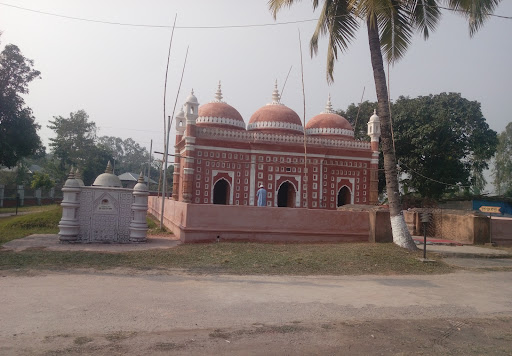
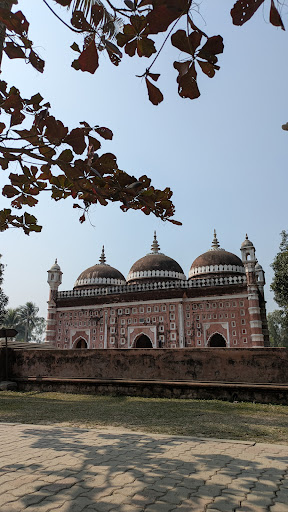
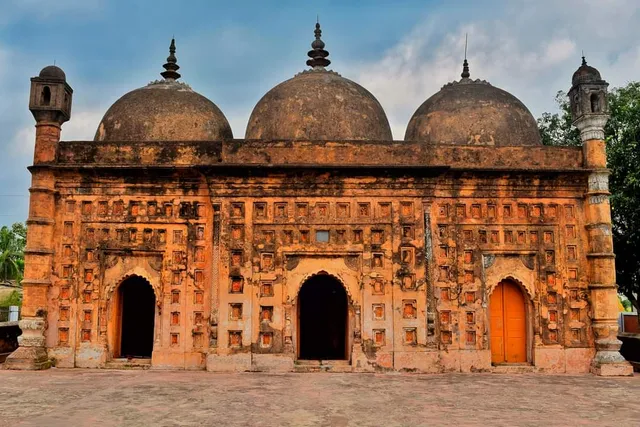
Nayabad Mosque or Noyabaad Mosque, is located in Nayabad village in Kaharole Upazila of Dinajpur District, Bangladesh, beside the Dhepa River. It was built in 1793 CE during the rule of Mughal ruler Shah Alam II.
Nearby attractions
Nearby restaurants
Nearby hotels
Related posts
Keywords
Nayabad Masjid tourism.Nayabad Masjid hotels.Nayabad Masjid bed and breakfast. flights to Nayabad Masjid.Nayabad Masjid attractions.Nayabad Masjid restaurants.Nayabad Masjid travel.Nayabad Masjid travel guide.Nayabad Masjid travel blog.Nayabad Masjid pictures.Nayabad Masjid photos.Nayabad Masjid travel tips.Nayabad Masjid maps.Nayabad Masjid things to do.
Nayabad Masjid things to do, attractions, restaurants, events info and trip planning
Nayabad Masjid
BangladeshRangpur DivisionNayabad Masjid

Basic Info

Nayabad Masjid

QMJ5+PFX, 5270, Bangladesh
4.7(518)
Open 24 hours
Save
spot

Ratings & Description

Info

Nayabad Mosque or Noyabaad Mosque, is located in Nayabad village in Kaharole Upazila of Dinajpur District, Bangladesh, beside the Dhepa River. It was built in 1793 CE during the rule of Mughal ruler Shah Alam II.

Cultural
Accessibility
attractions: , restaurants:
logoLearn more insights from Wanderboat AI.
Phone
+880 1734-037890

Plan your stay

hotel
Pet-friendly Hotels in Rangpur Division
Find a cozy hotel nearby and make it a full experience.
hotel
Affordable Hotels in Rangpur Division
Find a cozy hotel nearby and make it a full experience.
hotel
The Coolest Hotels You Haven't Heard Of (Yet)
Find a cozy hotel nearby and make it a full experience.
hotel
Trending Stays Worth the Hype in Rangpur Division
Find a cozy hotel nearby and make it a full experience.

Reviews

Get the Appoverlay
Get the AppOne tap to find yournext favorite spots!
Wanderboat LogoWanderboat

Your everyday Al companion for getaway ideas

CompanyAbout Us
InformationAI Trip PlannerSitemap
SocialXInstagramTiktokLinkedin
LegalTerms of ServicePrivacy Policy

Get the app

Š 2025 Wanderboat. All rights reserved.

Reviews of Nayabad Masjid

4.7
(518)
avatar
5.0
6y

Nayabad Mosque' is situated on the bank of the Dhepa river in village Nayabad in Ramchandrapur Union under Kaharol Thana of Dinajpur district, about 20 km to the north-west of the district town. The mosque, built on about 1.15 bighas of land, has been renovated by the Department of Archaeology, Bangladesh. A madrasa has recently been built in front of the mosque.

An inscription on the central doorway records the date of its construction as 2 Jyaistha, 1200 BS (1793 AD) in the reign of Emperor SHAH ALAM II. According to local traditions, the mosque was built by Muslim architectural workers who had come to this place from the west to build Kantanagar Temple sometime in mid-18th century. They had settled in Nayabad, a village near the temple, and had built the mosque for their own use.

īŋŧ

Nayabad Mosque, Dinajpur

It is an oblong three-domed mosque with octagonal towers at the four corners and measures 12.45m' 5.5m externally. The walls are 1.10m thick. Of the three arched entrances the central one is bigger than the flanking ones. These are equal in height and width. The central arch is 1.95m high and 1.15m wide. There is an arched window each on the south and north sides. Multi-cusped arches have been used in the doorways and windows. There are three mihrabs inside in the western wall in line with the three entrances. The central mihrab (2,30m high and 1.08m wide) is bigger than the flanking ones which are of equal size. Three hemispherical domes cover the mosque, of which the central one is bigger than the side ones. Pendentives have been used in their phase of transition. The parapet and cornice are straight.

Of the four corner towers in the four outer corners of the mosque two (northeastern and northwestern) still possess the cupolas on their top. The top of the other two is now bare. The corner towers are plastered and gradually tapering; each had a lantern-like chhatri on the top crowned with a cupola. Four bands at regular intervals decorate the surface of each tower.

The terracotta plaques used in the decoration of the mosque have become loose and most of them have been damaged. At present there are about 104 terracotta plaques (rectangular in shape, 0.40m' 0.30m) used in the surface decoration of the mosque walls. Though damaged some of them show floral and creeper motifs. It is noteworthy that one contains a depiction of a pair of peacocks. [Sania...

   Read more
avatar
4.0
6y

If you visit the UNESCO heritage site Kanta Ji Temple in Dinajpur, you may want to visit Nayabad Mosque. The mosque is not well known to outsiders. The locals know about it. If you ask they will show you.

It is a max ten min ride by car or by autorickshaw. From the main road you go through a link road past villages.

Locals claim this Mosque is as old as Kanta Ji Mandir. Legend has it, it was built my Muslim architects and masons who were involved in the building of Kanta Ji Mandir. This second hypothesis is acceptable.

The Mosque is small. Looks like it was built for 25-30 to pray at the same time. The mosque is built with terracotta bricks. However the bricks are not as old as Kanta Ji from the looks. Thus one could hypothesize this mosque is a few decades younger than Kanta Ji.

The inside of the mosque gives out architecture from the 1800s more than the 1700s. The wall of the mihrab side is highly covered with green algae. The mihrab room has one small door to enter and two windows, north and south facing.

The maidan of the mosque was probably made later. Cement floor. Can accommodate may be 100 people for praying.

The mosque ground has a small garden in front. The garden is well maintained. It also has a small office for the people who take care of the mosque.

At the entrance wall on the left, there is a box for donation. The Imam will nevertheless remind you to give a donation according to your ability and wish.

Nayabad Mosque is peaceful and tranquil. It is worth a visit. Even to see that people from different faiths contributed to the building of an iconic terracotta temple in Bangladesh and both the Bengals.

Asrar...

   Read more
avatar
5.0
46w

My recent trip to Dinajpur took me to the remarkable Noyabad Mosque, a site brimming with archaeological significance and captivating history. The moment I stepped onto the grounds, I felt transported to a different era. The mosque's architecture, though weathered by time, spoke volumes about its rich past.

A local resident graciously shared the mosque's fascinating story, adding depth to my experience. I learned about its origins, the influences that shaped its design, and the pivotal role it played in the region's history. The narrative was so compelling that it brought the very stones of the mosque to life. I was particularly struck by the stories how the makers come from Iran, and the king then build a mosque for them and gave land to stay. From then till date those people are staying there.

The Noyabad Mosque isn't just a historical monument; it's a testament to the cultural heritage of Dinajpur. The serene atmosphere invites contemplation, while the architectural details offer a glimpse into the craftsmanship of a bygone era. It's a place where history whispers from every corner, leaving a lasting impression on visitors.

I wholeheartedly recommend a visit to the Noyabad Mosque. Whether you're a history enthusiast, an architecture aficionado, or simply someone seeking a unique travel experience, this site will not disappoint. Gather your friends and family and embark on a journey through time at the Noyabad Mosque in Dinajpur. You'll be captivated by its beauty and intrigued by its story. It's a destination that will leave you with cherished memories and a deeper appreciation for our...

   Read more
Page 1 of 7
Previous
Next

Posts

Asrar ChowdhuryAsrar Chowdhury
If you visit the UNESCO heritage site Kanta Ji Temple in Dinajpur, you may want to visit Nayabad Mosque. The mosque is not well known to outsiders. The locals know about it. If you ask they will show you. It is a max ten min ride by car or by autorickshaw. From the main road you go through a link road past villages. Locals claim this Mosque is as old as Kanta Ji Mandir. Legend has it, it was built my Muslim architects and masons who were involved in the building of Kanta Ji Mandir. This second hypothesis is acceptable. The Mosque is small. Looks like it was built for 25-30 to pray at the same time. The mosque is built with terracotta bricks. However the bricks are not as old as Kanta Ji from the looks. Thus one could hypothesize this mosque is a few decades younger than Kanta Ji. The inside of the mosque gives out architecture from the 1800s more than the 1700s. The wall of the mihrab side is highly covered with green algae. The mihrab room has one small door to enter and two windows, north and south facing. The maidan of the mosque was probably made later. Cement floor. Can accommodate may be 100 people for praying. The mosque ground has a small garden in front. The garden is well maintained. It also has a small office for the people who take care of the mosque. At the entrance wall on the left, there is a box for donation. The Imam will nevertheless remind you to give a donation according to your ability and wish. Nayabad Mosque is peaceful and tranquil. It is worth a visit. Even to see that people from different faiths contributed to the building of an iconic terracotta temple in Bangladesh and both the Bengals. - Asrar Chowdhury December 20, 2019
mahidul islam ratulmahidul islam ratul
My recent trip to Dinajpur took me to the remarkable Noyabad Mosque, a site brimming with archaeological significance and captivating history. The moment I stepped onto the grounds, I felt transported to a different era. The mosque's architecture, though weathered by time, spoke volumes about its rich past. A local resident graciously shared the mosque's fascinating story, adding depth to my experience. I learned about its origins, the influences that shaped its design, and the pivotal role it played in the region's history. The narrative was so compelling that it brought the very stones of the mosque to life. I was particularly struck by the stories how the makers come from Iran, and the king then build a mosque for them and gave land to stay. From then till date those people are staying there. The Noyabad Mosque isn't just a historical monument; it's a testament to the cultural heritage of Dinajpur. The serene atmosphere invites contemplation, while the architectural details offer a glimpse into the craftsmanship of a bygone era. It's a place where history whispers from every corner, leaving a lasting impression on visitors. I wholeheartedly recommend a visit to the Noyabad Mosque. Whether you're a history enthusiast, an architecture aficionado, or simply someone seeking a unique travel experience, this site will not disappoint. Gather your friends and family and embark on a journey through time at the Noyabad Mosque in Dinajpur. You'll be captivated by its beauty and intrigued by its story. It's a destination that will leave you with cherished memories and a deeper appreciation for our shared past.
Shakil AhmedShakil Ahmed
āύ⧟āĻžāĻŦāĻžāĻĻ āĻŽāϏāϜāĻŋāĻĻ āĻŽāĻšāĻžāϰāĻžāϜāĻž āĻĒā§āϰāĻžāĻŖāύāĻžāĻĨ āĻ•āϰ⧇ āĻĻāĻŋāĻ›āĻŋāϞ⧇āύ ? āĻŽāύāĻ—ā§œāĻž āϤāĻĨā§āϝ⧇āϰ āĻŦāĻŋāĻļā§āϞ⧇āώāĻŖ- āύ⧟āĻžāĻŦāĻžāĻĻ āĻŽāϏāϜāĻŋāĻĻ āĻāĻŦāĻ‚ āĻ•āĻžāĻ¨ā§āϤāύāĻ—āϰ āĻŽāĻ¨ā§āĻĻāĻŋāϰ āύāĻŋāĻ°ā§āĻŽāĻžāĻŖ āϏāĻŽā§āĻĒāĻ°ā§āϕ⧇ āϏāĻŽāĻžāĻœā§‡(āϞ⧋āĻ•āĻ•āĻĨāĻž) āĻāĻŦāĻ‚ āĻŦāĻŋāĻ­āĻŋāĻ¨ā§āύ āĻ—āύāĻŽāĻžāĻ§ā§āϝāĻŽā§‡ āĻāχ āĻĒāĻ°ā§āϝāĻ¨ā§āϤ āϝ⧇ āϏāĻŦ āϞ⧇āĻ–āĻž āĻĒā§āϰāĻ•āĻžāĻļ āĻĒā§‡ā§Ÿā§‡āϛ⧇ āϤāĻžāϰ āĻĒā§āϰāϤāĻŋ āϛ⧋āϟāĻ–āĻžāĻŸā§‹ āϏāĻŽāĻŦ⧇āĻĻāύāĻž āϜāĻžāύāĻžāχāĨ¤ 🎇āύ⧟āĻžāĻŦāĻžāĻĻ āĻŽāϏāϜāĻŋāĻĻ āϏāĻŽā§āĻĒāĻ°ā§āϕ⧇ āϝ⧇āχ āϤāĻĨā§āϝ⧇āϰ āĻĒā§āϰāϚāϞāύ- āφāϜ āĻĨ⧇āϕ⧇ āĻĒā§āϰāĻžā§Ÿ āϤāĻŋāύāĻļ’ āĻŦāĻ›āϰ āφāϗ⧇ ⧧⧭⧍⧍ āϏāĻžāϞ⧇ āĻ¤ā§ŽāĻ•āĻžāϞ⧀āύ āĻĻāĻŋāύāĻžāϜāĻĒ⧁āϰ⧇āϰ āĻŽāĻšāĻžāϰāĻžāϜāĻž āĻĒā§āϰāĻžāĻŖāύāĻžāĻĨ āĻŦāĻ°ā§āϤāĻŽāĻžāύ āĻ•āĻžāĻšāĻžāϰ⧋āϞ āωāĻĒāĻœā§‡āϞāĻžāϰ āĻ•āĻžāĻ¨ā§āϤāύāĻ—āϰ āĻ—ā§āϰāĻžāĻŽā§‡ āĻāĻ•āϟāĻŋ āĻŽāĻ¨ā§āĻĻāĻŋāϰ āύāĻŋāĻ°ā§āĻŽāĻžāϪ⧇āϰ āϜāĻ¨ā§āϝ āĻŽāĻ§ā§āϝāĻĒā§āϰāĻžāĻšā§āϝ (āϖ⧁āĻŦ āϏāĻŽā§āĻ­āĻŦāϤ āĻŽāĻŋāϏāϰ) āĻĨ⧇āϕ⧇ āĻāĻ•āĻĻāϞ āĻ•āĻžāϰāĻŋāĻ—āϰ āφāύ⧇āύāĨ¤ āĻ•āĻžāϰāĻŋāĻ—āϰāĻĻ⧇āϰ āϏāĻŦāĻžāχ āĻŽā§āϏāϞāĻŽāĻžāύ āĻ“ āϧāĻ°ā§āĻŽāĻĒā§āϰāĻŋ⧟āĨ¤ āĻŽāĻ¨ā§āĻĻāĻŋāϰ āύāĻŋāĻ°ā§āĻŽāĻžāĻŖ āĻ•āĻžāĻœā§‡ āĻāϏ⧇āĻ“ āϭ⧁āϞ⧇āύāĻŋ āύāĻŋāϜ āϧāĻ°ā§āĻŽ āĻĒāĻžāϞāύ āĻ•āϰāϤ⧇āĨ¤ āύāĻŋāĻ°ā§āĻŽāĻžāĻŖāĻ•āĻžāϞ⧀āύ āϏāĻŽā§Ÿ āĻŽāĻ¨ā§āĻĻāĻŋāϰ⧇āϰ āĻĒāĻžāĻļ⧇āχ āĻ–ā§‹āϞāĻž āφāĻ•āĻžāĻļ⧇āϰ āύāĻŋāĻšā§‡ āύāĻžāĻŽāĻžāϜ āφāĻĻāĻžā§Ÿ āĻ•āϰāϤ⧇āύ āϤāĻžāϰāĻžāĨ¤ āĻāϰāχ āĻŽāĻ§ā§āϝ⧇ āĻ•āĻžāϰāĻŋāĻ—āϰāĻĻ⧇āϰ āĻĒā§āϰāϧāĻžāύ (āĻšā§‡āĻĄāĻŽāĻŋāĻ¸ā§āĻ¤ā§āϰāĻŋ) āĻ¨ā§‡ā§ŸāĻžāϜ āĻ…āϰāĻĢ⧇ āĻ•āĻžāϞ⧁⧟āĻž āĻŽāĻŋāĻ¸ā§āĻ¤ā§āϰāĻŋ āĻŽāĻšāĻžāϰāĻžāϜāĻžāϰ āĻĻāϰāĻŦāĻžāϰ⧇ āĻ—āĻŋā§Ÿā§‡ āϏāĻŦ āĻŽāĻŋāĻ¸ā§āĻ¤ā§āϰāĻŋāĻĻ⧇āϰ āĻĨāĻžāĻ•āĻž āĻ“ āϧāĻ°ā§āĻŽ āĻĒāĻžāϞāύ⧇āϰ āύāĻŋāĻŽāĻŋāĻ¤ā§āϤ⧇ āĻāĻ•āϟāĻŋ āĻŽāϏāϜāĻŋāĻĻ āύāĻŋāĻ°ā§āĻŽāĻžāϪ⧇āϰ āϜāĻžā§ŸāĻ—āĻž āϚāĻžāύāĨ¤ āĻ āϏāĻŽā§Ÿ āĻŽāĻšāĻžāϰāĻžāϜāĻž āĻŽāĻ¨ā§āĻĻāĻŋāϰ āĻĨ⧇āϕ⧇ āĻĒā§āϰāĻžā§Ÿ āĻāĻ• āĻ•āĻŋāϞ⧋āĻŽāĻŋāϟāĻžāϰ āĻĻā§‚āϰāĻ¤ā§āĻŦ⧇ āĻĸ⧇āĻĒāĻž āύāĻĻā§€āϰ āĻĒāĻļā§āϚāĻŋāĻŽ āϕ⧋āϞ āĻ˜ā§‡āώ⧇ āĻ…āĻŦāĻ¸ā§āĻĨāĻŋāϤ āύ⧟āĻžāĻŦāĻžāĻĻ āĻ—ā§āϰāĻžāĻŽā§‡ ā§§ āĻĻāĻļāĻŽāĻŋāĻ• ā§§ā§Ģ āĻŦāĻŋāϘāĻž āϜāĻŽāĻŋ āĻŽāϏāϜāĻŋāĻĻ āύāĻŋāĻ°ā§āĻŽāĻžāϪ⧇āϰ āϜāĻ¨ā§āϝ āϜāĻžā§ŸāĻ—āĻž āĻĻ⧇āύāĨ¤ āĻ āĻ›āĻžāĻĄāĻŧāĻž āĻŽāϏāϜāĻŋāĻĻ⧇āϰ āĻĒāĻžāĻļ⧇ āĻĨāĻžāĻ•āĻžāϰ āĻŦāĻžāĻĄāĻŧāĻŋ āĻ•āϰāĻžāϰ āύāĻŋāĻ°ā§āĻĻ⧇āĻļ āĻĻ⧇āύ āĻŽāĻšāĻžāϰāĻžāϜāĻžāĨ¤ āĻŽāĻšāĻžāϰāĻžāϜāĻžāϰ āύāĻŋāĻ°ā§āĻĻ⧇āĻļ āĻŽā§‹āϤāĻžāĻŦ⧇āĻ• āĻŽāĻŋāĻ¸ā§āĻ¤ā§āϰāĻŋāϰāĻž āĻŽāĻ¨ā§āĻĻāĻŋāϰ⧇āϰ āĻĒāĻžāĻļāĻžāĻĒāĻžāĻļāĻŋ āύ⧟āĻžāĻŦāĻžāĻĻ āĻ—ā§āϰāĻžāĻŽā§‡ āύāĻŋāĻœā§‡āĻĻ⧇āϰ āĻĨāĻžāĻ•āĻžāϰ āĻŦāĻžāĻĄāĻŧāĻŋ āĻ“ āύāĻžāĻŽāĻžāϜ āφāĻĻāĻžā§Ÿā§‡āϰ āϜāĻ¨ā§āϝ āĻŽāϏāϜāĻŋāĻĻ āύāĻŋāĻ°ā§āĻŽāĻžāĻŖ āĻ•āĻžāϜ āϚāĻžāϞāĻŋā§Ÿā§‡ āϝāĻžā§ŸāĨ¤ āύ⧟āĻžāĻŦāĻžāĻĻ āĻŽāϏāϜāĻŋāĻĻ āύāĻŋāĻ°ā§āĻŽāĻžāϪ⧇āϰ āĻĒāϰ āϤāĻžāϰāĻž āĻĒāĻžāρāϚ āĻ“ā§ŸāĻžāĻ•ā§āϤ āύāĻžāĻŽāĻžāϜ āφāĻĻāĻžā§Ÿ āĻ•āϰāϤ⧇āύ āϏ⧇āĻ–āĻžāύ⧇āĨ¤ āĻāĻ• āĻĒāĻ°ā§āϝāĻžā§Ÿā§‡ āĻŽāĻšāĻžāϰāĻžāϜāĻž āĻĒā§āϰāĻžāĻŖāύāĻžāĻĨ⧇āϰ āĻŽā§ƒāĻ¤ā§āϝ⧁āϰ āĻĒāϰ āϤāĻžāϰāχ āĻĻāĻ¤ā§āϤāĻ• āϛ⧇āϞ⧇ āĻŽāĻšāĻžāϰāĻžāϜāĻž āϰāĻžāĻŽāύāĻžāĻĨ⧇āϰ āφāĻŽāϞ⧇ āĻŽāĻ¨ā§āĻĻāĻŋāϰ⧇āϰ āύāĻŋāĻ°ā§āĻŽāĻžāĻŖ āĻ•āĻžāϜ āĻļ⧇āώ āĻšā§ŸāĨ¤ āĻāϰāχ āĻŽāĻ§ā§āϝ⧇ āĻŽāĻ¨ā§āĻĻāĻŋāϰ⧇āϰ āĻĒāĻžāĻļāĻžāĻĒāĻžāĻļāĻŋ āĻŽāϏāϜāĻŋāĻĻ⧇āϰ āĻ•āĻžāϜāĻ“ āĻļ⧇āώ āĻ•āϰ⧇ āĻŽāĻŋāĻ¸ā§āĻ¤ā§āϰāĻŋāϰāĻžāĨ¤ āĻŽāĻ¨ā§āĻĻāĻŋāϰ āύāĻŋāĻ°ā§āĻŽāĻžāĻŖ āĻ•āĻžāĻœā§‡ āĻ•āĻžāϞ⧁⧟āĻž āĻŽāĻŋāĻ¸ā§āĻ¤ā§āϰāĻŋāϰ āύ⧇āϤ⧃āĻ¤ā§āĻŦ⧇ āφāϏāĻž āĻŽāĻŋāĻ¸ā§āĻ¤ā§āϰāĻŋāϰāĻž āĻŽāĻ¨ā§āĻĻāĻŋāϰ āύāĻŋāĻ°ā§āĻŽāĻžāϪ⧇āϰ āĻ•āĻžāϜ āĻļ⧇āώ⧇ āĻĢāĻŋāϰ⧇ āϝāĻžā§Ÿ āύāĻŋāϜ āĻĻ⧇āĻļ⧇āĨ¤ āĻ•āĻŋāĻ¨ā§āϤ⧁ āĻāĻĻ⧇āĻļ āϛ⧇āĻĄāĻŧ⧇ āϝ⧇āϤ⧇ āϚāĻžā§ŸāύāĻž āĻ¨ā§‡ā§ŸāĻžāϜ āĻ“āϰāĻĢ⧇ āĻ•āĻžāϞ⧁⧟āĻž āĻŽāĻŋāĻ¸ā§āĻ¤ā§āϰāĻŋ āĻ“ āϤāĻžāϰ āϛ⧋āϟ āĻ­āĻžāχāĨ¤ āφāĻŦāĻžāϰ āĻ¨ā§‡ā§ŸāĻžāϜ āĻŽāĻŋāĻ¸ā§āĻ¤ā§āϰāĻŋ āĻŽāĻšāĻžāϰāĻžāϜāĻžāϰ āĻĻāϰāĻŦāĻžāϰ⧇ āĻšāĻžāϜāĻŋāϰ āĻšā§ŸāĨ¤ āĻāĻŦāĻžāϰ āĻ¸ā§āĻĨāĻžā§Ÿā§€āĻ­āĻžāĻŦ⧇ āĻŦāϏāĻŦāĻžāϏ āĻ“ āĻœā§€āĻŦāĻŋāĻ•āĻž āύāĻŋāĻ°ā§āĻŦāĻžāĻšā§‡āϰ āϜāĻ¨ā§āϝ āĻŽāĻšāĻžāϰāĻžāϜāĻžāϰ āĻ•āĻžāϛ⧇ āĻ•ā§ƒāώāĻŋāĻ•āĻžāϜ āĻ•āϰ⧇ āĻœā§€āĻŦāĻŋāĻ•āĻž āύāĻŋāĻ°ā§āĻŦāĻžāĻšā§‡āϰ āϜāĻ¨ā§āϝ āĻ•āĻŋāϛ⧁ āϜāĻŽāĻŋāϰ āφāĻŦāĻĻāĻžāϰ āĻ•āϰ⧇āύāĨ¤ āϤāĻžā§ŽāĻ•ā§āώāύāĻŋāĻ• āĻŽāĻšāĻžāϰāĻžāϜāĻž āĻ•āĻŋāϛ⧁ āϜāĻŽāĻŋ āϤāĻžāĻĻ⧇āϰ āĻĻ⧁āχ āĻ­āĻžāχāϕ⧇ āĻĻāĻžāύ āĻ•āϰ⧇āύāĨ¤ āĻŽā§ƒāĻ¤ā§āϝ⧁āϰ āφāĻ— āĻĒāĻ°ā§āϝāĻ¨ā§āϤ āĻŽāĻŋāϏāĻ°ā§€ā§Ÿ āĻāχ āĻĻ⧁āχ āĻ­āĻžāχ āĻŽāĻšāĻžāϰāĻžāϜāĻžāϰ āĻĻāĻžāύāĻ•ā§ƒāϤ āϜāĻŽāĻŋāϤ⧇ āĻĢāϏāϞ āφāĻŦāĻžāĻĻ āĻ•āϰ⧇ āĻĻāĻŋāύāĻžāϤāĻŋāĻĒāĻžāϤ āĻ•āϰ⧇āύāĨ¤ āĻŽā§ƒāĻ¤ā§āϝ⧁āϰ āĻĒāϰ āĻ•āĻžāϞ⧁⧟āĻž āĻŽāĻŋāĻ¸ā§āĻ¤ā§āϰāĻŋ āĻ“ āϤāĻžāϰ āϛ⧋āϟ āĻ­āĻžāχāϕ⧇ āύ⧟āĻžāĻŦāĻžāĻĻ āĻŽāϏāϜāĻŋāĻĻ āϏāĻ‚āϞāĻ—ā§āύ āĻĻāĻžāĻĢāύ āĻ•āϰāĻž āĻšā§ŸāĨ¤ āĻāχ āĻŽāĻŋāĻ¸ā§āĻ¤ā§āϰāĻŋāĻĻ⧇āϰ āύāĻžāĻŽāύ⧁āϏāĻžāϰ⧇ āĻ…āĻ¤ā§āϰ āĻāϞāĻžāĻ•āĻžāϰ āύāĻžāĻŽ āĻšā§Ÿ āύ⧟āĻžāĻŦāĻžāĻĻ āĻŽāĻŋāĻ¸ā§āĻ¤ā§āϰāĻŋāĻĒāĻžāĻĄāĻŧāĻžāĨ¤ āĻŦāĻ°ā§āϤāĻŽāĻžāύ⧇ āĻŽāĻ¨ā§āĻĻāĻŋāϰ āĻ“ āĻŽāϏāϜāĻŋāĻĻ āύāĻŋāĻ°ā§āĻŽāĻžāϪ⧇āϰ āĻšā§‡āĻĄ āĻŽāĻŋāĻ¸ā§āĻ¤ā§āϰāĻŋ āĻ“ āϤāĻžāϰ āϛ⧋āϟ āĻ­āĻžāĻ‡ā§Ÿā§‡āϰ āĻŦāĻ‚āĻļāϧāϰāϰāĻž āύ⧟āĻžāĻŦāĻžāĻĻ āĻŽāĻŋāĻ¸ā§āĻ¤ā§āϰāĻŋāĻĒāĻžāĻĄāĻŧāĻžā§Ÿ āĻŦāϏāĻŦāĻžāϏ āĻ•āϰāϛ⧇āĨ¤ āĻāχ āϝ⧇ āχāϤāĻŋāĻšāĻžāϏ āĻāϟāĻžāϰ āĻĒā§āϰāϚāϞāύ āϚāĻžāϰāĻĻāĻŋāϕ⧇,āĻāϟāĻž āĻŽā§‚āϞāϤ āϞ⧋āĻ•āĻ•āĻĨāĻžāĨ¤āĻāϟāĻžāϰ āĻŦāĻžāĻ¸ā§āϤāĻŦ āϕ⧋āύ āχāϤāĻŋāĻšāĻžāϏ āφāϛ⧇ āĻŦāϞ⧇ āφāĻŽāĻžāϰ āĻŽāύ⧇ āĻšā§Ÿ āύāĻžāĨ¤ 🎇āύ⧟āĻžāĻŦāĻžāĻĻ āĻŽāϏāϜāĻŋāĻĻ āϏāĻŽā§āĻĒāĻ°ā§āϕ⧇ āĻĻā§āĻŦāĻŋāĻ¤ā§€ā§Ÿ āϤāĻĨā§āϝ- āĻŽāϏāϜāĻŋāĻĻ⧇āϰ āĻĒā§āϰāĻŦ⧇āĻļāĻĻā§āĻŦāĻžāϰ⧇āϰ āωāĻĒāϰ⧇ āĻĢāĻžāϰāϏāĻŋ āĻ­āĻžāώāĻžāϝāĻŧ āϰāϚāĻŋāϤ āϞāĻŋāĻĒāĻŋ āĻĨ⧇āϕ⧇ āϜāĻžāύāĻž āϝāĻžāϝāĻŧ āϝ⧇, āϏāĻŽā§āϰāĻžāϟ āĻĻā§āĻŦāĻŋāϤ⧀āϝāĻŧ āĻļāĻžāĻš āφāϞāĻŽ āĻāϰ āϏāĻŽāϝāĻŧ ⧍ āĻœā§āϝ⧈āĻˇā§āĻ  ⧧⧍ā§Ļā§Ļ āĻŦāĻžāĻ‚āϞāĻž āϏāύ⧇ (ā§§ā§­ā§¯ā§Š āĻ–ā§āϰāĻŋ.) āĻŽāϏāϜāĻŋāĻĻāϟāĻŋ āύāĻŋāĻ°ā§āĻŽāĻŋāϤ āĻšāϝāĻŧ⧇āĻ›āĻŋāϞāĨ¤āĻ•āĻžāĻ¨ā§āϤāϜāĻŋāω āĻŽāĻ¨ā§āĻĻāĻŋāϰ⧇āϰ āύāĻŋāĻ°ā§āĻŽāĻžāĻŖ āϤāĻžāϰāĻŋāĻ– āύāĻŋāϝāĻŧ⧇ āϝ⧇ āϏāĻ¨ā§āĻĻ⧇āĻš āĻ›āĻŋāϞ āϤāĻž āĻ…āĻĒāϏāĻžāϰāĻŋāϤ āĻšāϝāĻŧ āĻŽāĻ¨ā§āĻĻāĻŋāϰ⧇āϰ āĻĒā§‚āĻ°ā§āĻŦāϕ⧋āϪ⧇āϰ āĻ­āĻŋāĻ¤ā§āϤāĻŋ āĻĻ⧇āϝāĻŧāĻžāϞ⧇āϰ āϏāĻ™ā§āϗ⧇ āϏāĻ‚āϝ⧁āĻ•ā§āϤ āϏāĻ‚āĻ¸ā§āĻ•ā§ƒāϤ āĻ­āĻžāώāĻžāϝāĻŧ āϞ⧇āĻ–āĻž āĻ•āĻžāϞāĻžāύ⧁āĻ•ā§āϰāĻŽ āĻœā§āĻžāĻžāĻĒāĻ• āĻāĻ•āϟāĻŋ āĻļāĻŋāϞāĻžāϞāĻŋāĻĒāĻŋ āĻĨ⧇āϕ⧇āĨ¤ āϏ⧂āĻ¤ā§āϰ āĻ…āύ⧁āϝāĻžāϝāĻŧā§€ āĻĻāĻŋāύāĻžāϜāĻĒ⧁āϰ⧇āϰ āĻŽāĻšāĻžāϰāĻžāϜ āĻĒā§āϰāĻžāĻŖāύāĻžāĻĨ ⧧⧭⧍⧍ āϏāĻžāϞ⧇ āĻ āĻŽāĻ¨ā§āĻĻāĻŋāϰ⧇āϰ āύāĻŋāĻ°ā§āĻŽāĻžāĻŖ āĻ•āĻžāϜ āĻļ⧁āϰ⧁ āĻ•āϰ⧇āύ āĻāĻŦāĻ‚ āϤāĻžāρāϰ āĻ¸ā§āĻ¤ā§āϰ⧀ āϰ⧁āĻ•āĻŽāĻŋāύāĻŋāϰ āφāĻĻ⧇āĻļ⧇ āĻĒāĻŋāϤāĻžāϰ āχāĻšā§āĻ›āĻž āĻĒā§‚āϰāĻŖ āĻ•āϰāĻžāϰ āϜāĻ¨ā§āϝ āĻŽāĻšāĻžāϰāĻžāĻœā§‡āϰ āĻĻāĻ¤ā§āϤāĻ•āĻĒ⧁āĻ¤ā§āϰ āĻŽāĻšāĻžāϰāĻžāϜ āϰāĻžāĻŽāύāĻžāĻĨ ā§§ā§Ŧā§­ā§Ē āĻļāϕ⧇ (ā§§ā§­ā§Ģ⧍ āϏāĻžāϞ⧇) āĻŽāĻ¨ā§āĻĻāĻŋāϰāϟāĻŋāϰ āύāĻŋāĻ°ā§āĻŽāĻžāĻŖ āϏāĻŽā§āĻĒāĻ¨ā§āύ āĻ•āϰ⧇āύāĨ¤ 🎇āĻŦāĻŋāĻļā§āϞ⧇āώāĻŖ-āφāĻŽāĻžāϰ āϝāĻž āĻŽāύ⧇ āĻšā§Ÿā§‡āϛ⧇ āĻāϰ āϏāĻžāĻĨ⧇ āĻŽāĻ¨ā§āĻĻāĻŋāϰ āύāĻŋāĻ°ā§āĻŽāĻžāϪ⧇āϰ āϕ⧋āύ āϏāĻŽā§āĻĒāĻ°ā§āĻ• āύāĻžāχāĨ¤ 🎇āĻŽāϏāϜāĻŋāĻĻ⧇āϰ āύāĻŋāĻ°ā§āĻŽāĻžāύāĻļ⧈āϞ⧀- āĻŽāϏāϜāĻŋāĻĻāϟāĻŋ āφāϝāĻŧāϤāĻžāĻ•āĻžāϰ āϤāĻŋāύ āĻ—āĻŽā§āĻŦ⧁āϜāĻŦāĻŋāĻļāĻŋāĻˇā§āϟāĨ¤ āĻāϰ āϚāĻžāϰāϕ⧋āĻŖāĻžāϝāĻŧ āϰāϝāĻŧ⧇āϛ⧇ āϚāĻžāϰāϟāĻŋ āĻ…āĻˇā§āϟāϭ⧁āϜāĻžāĻ•ā§ƒāϤāĻŋāϰ āϟāĻžāĻ“āϝāĻŧāĻžāϰāĨ¤ āĻŦāĻžāχāϰ⧇āϰ āĻĻāĻŋāĻ• āĻĨ⧇āϕ⧇ āĻŽāϏāϜāĻŋāĻĻāϟāĻŋāϰ āĻĻ⧈āĻ°ā§āĻ˜ā§āϝ ⧧⧍.ā§Ēā§Ģ āĻŽāĻŋāϟāĻžāϰ āĻāĻŦāĻ‚ āĻĒā§āϰāĻ¸ā§āĻĨ ā§Ģ.ā§Ģ āĻŽāĻŋāϟāĻžāϰāĨ¤ āĻĻ⧇āϝāĻŧāĻžāϞ⧇āϰ āĻĒā§āϰāĻļāĻ¸ā§āϤāϤāĻž ā§§.ā§§ā§Ļ āĻŽāĻŋāϟāĻžāϰāĨ¤ āĻŽāϏāϜāĻŋāĻĻ⧇ āĻĒā§āϰāĻŦ⧇āĻļ⧇āϰ āϜāĻ¨ā§āϝ āĻĒā§‚āĻ°ā§āĻŦāĻĻāĻŋāϕ⧇ āϰāϝāĻŧ⧇āϛ⧇ āϤāĻŋāύāϟāĻŋ āĻ–āĻŋāϞāĻžāύāĨ¤ āĻŽāĻžāĻā§‡āϰ āĻ–āĻŋāϞāĻžāύ⧇āϰ āωāĻšā§āϚāϤāĻž ā§§.⧝ā§Ģ āĻŽāĻŋāϟāĻžāϰ, āĻĒā§āϰāĻ¸ā§āĻĨ ā§§.ā§§ā§Ģ āĻŽāĻŋāϟāĻžāϰāĨ¤ āĻĒāĻžāĻļ⧇āϰ āĻ–āĻŋāϞāĻžāύāĻĻā§āĻŦāϝāĻŧ āϏāĻŽāĻŽāĻžāĻĒ⧇āϰ āĻāĻŦāĻ‚ āĻ…āĻĒ⧇āĻ•ā§āώāĻžāĻ•ā§ƒāϤ āϛ⧋āϟāĨ¤ āωāĻ¤ā§āϤāϰ āĻ“ āĻĻāĻ•ā§āώāĻŋāĻŖ āĻĻāĻŋāϕ⧇ āĻāĻ•āϟāĻŋ āĻ•āϰ⧇ āĻĻ⧁āϟāĻŋ āϜāĻžāύāĻžāϞāĻž āϰāϝāĻŧ⧇āϛ⧇āĨ¤ āĻĒā§āϰāĻŦ⧇āĻļāĻĻā§āĻŦāĻžāϰ āĻ“ āϜāĻžāύāĻžāϞāĻžāϰ āĻ–āĻŋāϞāĻžāύ āĻŦāĻšā§āĻ–āĻžāρāϜāϝ⧁āĻ•ā§āϤ (multi-cusped)āĨ¤ āĻŽāϏāϜāĻŋāĻĻ⧇āϰ āϭ⧇āϤāϰ⧇ āĻĒāĻļā§āϚāĻŋāĻŽ āĻĻāĻŋāϕ⧇ āϰāϝāĻŧ⧇āϛ⧇ āϤāĻŋāύāϟāĻŋ āĻŽāĻŋāĻšāϰāĻžāĻŦāĨ¤ āĻŽāĻžāĻā§‡āϰ āĻŽāĻŋāĻšāϰāĻžāĻŦ⧇āϰ āωāĻšā§āϚāϤāĻž ⧍.ā§Šā§Ļ āĻŽāĻŋāϟāĻžāϰ āĻāĻŦāĻ‚ āĻĒā§āϰāĻ¸ā§āĻĨ ā§§.ā§Ļā§Ž āĻŽāĻŋāϟāĻžāϰāĨ¤ āĻĻ⧁āĻĒāĻžāĻļ⧇āϰ āĻŽāĻŋāĻšāϰāĻžāĻŦ āĻĻ⧁āϟāĻŋ āĻ…āĻĒ⧇āĻ•ā§āώāĻžāĻ•ā§ƒāϤ āϛ⧋āϟāĨ¤ āĻŽāϏāϜāĻŋāĻĻāϟāĻŋ āφāϝāĻŧāϤāĻžāĻ•āĻžāϰ āϤāĻŋāύ āĻ—āĻŽā§āĻŦ⧁āϜāĻŦāĻŋāĻļāĻŋāĻˇā§āϟāĨ¤ āĻāϰ āϚāĻžāϰāϕ⧋āĻŖāĻžāϝāĻŧ āϰāϝāĻŧ⧇āϛ⧇ āϚāĻžāϰāϟāĻŋ āĻ…āĻˇā§āϟāϭ⧁āϜāĻžāĻ•ā§ƒāϤāĻŋāϰ āϟāĻžāĻ“āϝāĻŧāĻžāϰāĨ¤ āĻŦāĻžāχāϰ⧇āϰ āĻĻāĻŋāĻ• āĻĨ⧇āϕ⧇ āĻŽāϏāϜāĻŋāĻĻāϟāĻŋāϰ āĻĻ⧈āĻ°ā§āĻ˜ā§āϝ ⧧⧍.ā§Ēā§Ģ āĻŽāĻŋāϟāĻžāϰ āĻāĻŦāĻ‚ āĻĒā§āϰāĻ¸ā§āĻĨ ā§Ģ.ā§Ģ āĻŽāĻŋāϟāĻžāϰāĨ¤ āĻĻ⧇āϝāĻŧāĻžāϞ⧇āϰ āĻĒā§āϰāĻļāĻ¸ā§āϤāϤāĻž ā§§.ā§§ā§Ļ āĻŽāĻŋāϟāĻžāϰāĨ¤ āĻŽāϏāϜāĻŋāĻĻ⧇ āĻĒā§āϰāĻŦ⧇āĻļ⧇āϰ āϜāĻ¨ā§āϝ āĻĒā§‚āĻ°ā§āĻŦāĻĻāĻŋāϕ⧇ āϰāϝāĻŧ⧇āϛ⧇ āϤāĻŋāύāϟāĻŋ āĻ–āĻŋāϞāĻžāύāĨ¤ āĻŽāĻžāĻā§‡āϰ āĻ–āĻŋāϞāĻžāύ⧇āϰ āωāĻšā§āϚāϤāĻž ā§§.⧝ā§Ģ āĻŽāĻŋāϟāĻžāϰ, āĻĒā§āϰāĻ¸ā§āĻĨ ā§§.ā§§ā§Ģ āĻŽāĻŋāϟāĻžāϰāĨ¤ āĻĒāĻžāĻļ⧇āϰ āĻ–āĻŋāϞāĻžāύāĻĻā§āĻŦāϝāĻŧ āϏāĻŽāĻŽāĻžāĻĒ⧇āϰ āĻāĻŦāĻ‚ āĻ…āĻĒ⧇āĻ•ā§āώāĻžāĻ•ā§ƒāϤ āϛ⧋āϟāĨ¤ āωāĻ¤ā§āϤāϰ āĻ“ āĻĻāĻ•ā§āώāĻŋāĻŖ āĻĻāĻŋāϕ⧇ āĻāĻ•āϟāĻŋ āĻ•āϰ⧇ āĻĻ⧁āϟāĻŋ āϜāĻžāύāĻžāϞāĻž āϰāϝāĻŧ⧇āϛ⧇āĨ¤ āĻĒā§āϰāĻŦ⧇āĻļāĻĻā§āĻŦāĻžāϰ āĻ“ āϜāĻžāύāĻžāϞāĻžāϰ āĻ–āĻŋāϞāĻžāύ āĻŦāĻšā§āĻ–āĻžāρāϜāϝ⧁āĻ•ā§āϤāĨ¤ āĻŽāϏāϜāĻŋāĻĻ⧇āϰ āϭ⧇āϤāϰ⧇ āĻĒāĻļā§āϚāĻŋāĻŽ āĻĻāĻŋāϕ⧇ āϰāϝāĻŧ⧇āϛ⧇ āϤāĻŋāύāϟāĻŋ āĻŽāĻŋāĻšāϰāĻžāĻŦāĨ¤ āĻŽāĻžāĻā§‡āϰ āĻŽāĻŋāĻšāϰāĻžāĻŦ⧇āϰ āωāĻšā§āϚāϤāĻž ⧍.ā§Šā§Ļ āĻŽāĻŋāϟāĻžāϰ āĻāĻŦāĻ‚ āĻĒā§āϰāĻ¸ā§āĻĨ ā§§.ā§Ļā§Ž āĻŽāĻŋāϟāĻžāϰāĨ¤ āĻĻ⧁āĻĒāĻžāĻļ⧇āϰ āĻŽāĻŋāĻšāϰāĻžāĻŦ āĻĻ⧁āϟāĻŋ āĻ…āĻĒ⧇āĻ•ā§āώāĻžāĻ•ā§ƒāϤ āϛ⧋āϟāĨ¤ āĻŽāϏāϜāĻŋāĻĻ⧇āϰ āϤāĻŋāύāϟāĻŋ āĻ…āĻ°ā§āϧāĻ—ā§‹āϞāĻžāĻ•ā§ƒāϤāĻŋ āĻ—āĻŽā§āĻŦ⧁āϜ-āĻāϰ āĻŽāĻ§ā§āϝ⧇ āĻŽāĻžāĻā§‡āϰāϟ
See more posts
See more posts
hotel
Find your stay

Pet-friendly Hotels in Rangpur Division

Find a cozy hotel nearby and make it a full experience.

If you visit the UNESCO heritage site Kanta Ji Temple in Dinajpur, you may want to visit Nayabad Mosque. The mosque is not well known to outsiders. The locals know about it. If you ask they will show you. It is a max ten min ride by car or by autorickshaw. From the main road you go through a link road past villages. Locals claim this Mosque is as old as Kanta Ji Mandir. Legend has it, it was built my Muslim architects and masons who were involved in the building of Kanta Ji Mandir. This second hypothesis is acceptable. The Mosque is small. Looks like it was built for 25-30 to pray at the same time. The mosque is built with terracotta bricks. However the bricks are not as old as Kanta Ji from the looks. Thus one could hypothesize this mosque is a few decades younger than Kanta Ji. The inside of the mosque gives out architecture from the 1800s more than the 1700s. The wall of the mihrab side is highly covered with green algae. The mihrab room has one small door to enter and two windows, north and south facing. The maidan of the mosque was probably made later. Cement floor. Can accommodate may be 100 people for praying. The mosque ground has a small garden in front. The garden is well maintained. It also has a small office for the people who take care of the mosque. At the entrance wall on the left, there is a box for donation. The Imam will nevertheless remind you to give a donation according to your ability and wish. Nayabad Mosque is peaceful and tranquil. It is worth a visit. Even to see that people from different faiths contributed to the building of an iconic terracotta temple in Bangladesh and both the Bengals. - Asrar Chowdhury December 20, 2019
Asrar Chowdhury

Asrar Chowdhury

hotel
Find your stay

Affordable Hotels in Rangpur Division

Find a cozy hotel nearby and make it a full experience.

Get the Appoverlay
Get the AppOne tap to find yournext favorite spots!
My recent trip to Dinajpur took me to the remarkable Noyabad Mosque, a site brimming with archaeological significance and captivating history. The moment I stepped onto the grounds, I felt transported to a different era. The mosque's architecture, though weathered by time, spoke volumes about its rich past. A local resident graciously shared the mosque's fascinating story, adding depth to my experience. I learned about its origins, the influences that shaped its design, and the pivotal role it played in the region's history. The narrative was so compelling that it brought the very stones of the mosque to life. I was particularly struck by the stories how the makers come from Iran, and the king then build a mosque for them and gave land to stay. From then till date those people are staying there. The Noyabad Mosque isn't just a historical monument; it's a testament to the cultural heritage of Dinajpur. The serene atmosphere invites contemplation, while the architectural details offer a glimpse into the craftsmanship of a bygone era. It's a place where history whispers from every corner, leaving a lasting impression on visitors. I wholeheartedly recommend a visit to the Noyabad Mosque. Whether you're a history enthusiast, an architecture aficionado, or simply someone seeking a unique travel experience, this site will not disappoint. Gather your friends and family and embark on a journey through time at the Noyabad Mosque in Dinajpur. You'll be captivated by its beauty and intrigued by its story. It's a destination that will leave you with cherished memories and a deeper appreciation for our shared past.
mahidul islam ratul

mahidul islam ratul

hotel
Find your stay

The Coolest Hotels You Haven't Heard Of (Yet)

Find a cozy hotel nearby and make it a full experience.

hotel
Find your stay

Trending Stays Worth the Hype in Rangpur Division

Find a cozy hotel nearby and make it a full experience.

āύ⧟āĻžāĻŦāĻžāĻĻ āĻŽāϏāϜāĻŋāĻĻ āĻŽāĻšāĻžāϰāĻžāϜāĻž āĻĒā§āϰāĻžāĻŖāύāĻžāĻĨ āĻ•āϰ⧇ āĻĻāĻŋāĻ›āĻŋāϞ⧇āύ ? āĻŽāύāĻ—ā§œāĻž āϤāĻĨā§āϝ⧇āϰ āĻŦāĻŋāĻļā§āϞ⧇āώāĻŖ- āύ⧟āĻžāĻŦāĻžāĻĻ āĻŽāϏāϜāĻŋāĻĻ āĻāĻŦāĻ‚ āĻ•āĻžāĻ¨ā§āϤāύāĻ—āϰ āĻŽāĻ¨ā§āĻĻāĻŋāϰ āύāĻŋāĻ°ā§āĻŽāĻžāĻŖ āϏāĻŽā§āĻĒāĻ°ā§āϕ⧇ āϏāĻŽāĻžāĻœā§‡(āϞ⧋āĻ•āĻ•āĻĨāĻž) āĻāĻŦāĻ‚ āĻŦāĻŋāĻ­āĻŋāĻ¨ā§āύ āĻ—āύāĻŽāĻžāĻ§ā§āϝāĻŽā§‡ āĻāχ āĻĒāĻ°ā§āϝāĻ¨ā§āϤ āϝ⧇ āϏāĻŦ āϞ⧇āĻ–āĻž āĻĒā§āϰāĻ•āĻžāĻļ āĻĒā§‡ā§Ÿā§‡āϛ⧇ āϤāĻžāϰ āĻĒā§āϰāϤāĻŋ āϛ⧋āϟāĻ–āĻžāĻŸā§‹ āϏāĻŽāĻŦ⧇āĻĻāύāĻž āϜāĻžāύāĻžāχāĨ¤ 🎇āύ⧟āĻžāĻŦāĻžāĻĻ āĻŽāϏāϜāĻŋāĻĻ āϏāĻŽā§āĻĒāĻ°ā§āϕ⧇ āϝ⧇āχ āϤāĻĨā§āϝ⧇āϰ āĻĒā§āϰāϚāϞāύ- āφāϜ āĻĨ⧇āϕ⧇ āĻĒā§āϰāĻžā§Ÿ āϤāĻŋāύāĻļ’ āĻŦāĻ›āϰ āφāϗ⧇ ⧧⧭⧍⧍ āϏāĻžāϞ⧇ āĻ¤ā§ŽāĻ•āĻžāϞ⧀āύ āĻĻāĻŋāύāĻžāϜāĻĒ⧁āϰ⧇āϰ āĻŽāĻšāĻžāϰāĻžāϜāĻž āĻĒā§āϰāĻžāĻŖāύāĻžāĻĨ āĻŦāĻ°ā§āϤāĻŽāĻžāύ āĻ•āĻžāĻšāĻžāϰ⧋āϞ āωāĻĒāĻœā§‡āϞāĻžāϰ āĻ•āĻžāĻ¨ā§āϤāύāĻ—āϰ āĻ—ā§āϰāĻžāĻŽā§‡ āĻāĻ•āϟāĻŋ āĻŽāĻ¨ā§āĻĻāĻŋāϰ āύāĻŋāĻ°ā§āĻŽāĻžāϪ⧇āϰ āϜāĻ¨ā§āϝ āĻŽāĻ§ā§āϝāĻĒā§āϰāĻžāĻšā§āϝ (āϖ⧁āĻŦ āϏāĻŽā§āĻ­āĻŦāϤ āĻŽāĻŋāϏāϰ) āĻĨ⧇āϕ⧇ āĻāĻ•āĻĻāϞ āĻ•āĻžāϰāĻŋāĻ—āϰ āφāύ⧇āύāĨ¤ āĻ•āĻžāϰāĻŋāĻ—āϰāĻĻ⧇āϰ āϏāĻŦāĻžāχ āĻŽā§āϏāϞāĻŽāĻžāύ āĻ“ āϧāĻ°ā§āĻŽāĻĒā§āϰāĻŋ⧟āĨ¤ āĻŽāĻ¨ā§āĻĻāĻŋāϰ āύāĻŋāĻ°ā§āĻŽāĻžāĻŖ āĻ•āĻžāĻœā§‡ āĻāϏ⧇āĻ“ āϭ⧁āϞ⧇āύāĻŋ āύāĻŋāϜ āϧāĻ°ā§āĻŽ āĻĒāĻžāϞāύ āĻ•āϰāϤ⧇āĨ¤ āύāĻŋāĻ°ā§āĻŽāĻžāĻŖāĻ•āĻžāϞ⧀āύ āϏāĻŽā§Ÿ āĻŽāĻ¨ā§āĻĻāĻŋāϰ⧇āϰ āĻĒāĻžāĻļ⧇āχ āĻ–ā§‹āϞāĻž āφāĻ•āĻžāĻļ⧇āϰ āύāĻŋāĻšā§‡ āύāĻžāĻŽāĻžāϜ āφāĻĻāĻžā§Ÿ āĻ•āϰāϤ⧇āύ āϤāĻžāϰāĻžāĨ¤ āĻāϰāχ āĻŽāĻ§ā§āϝ⧇ āĻ•āĻžāϰāĻŋāĻ—āϰāĻĻ⧇āϰ āĻĒā§āϰāϧāĻžāύ (āĻšā§‡āĻĄāĻŽāĻŋāĻ¸ā§āĻ¤ā§āϰāĻŋ) āĻ¨ā§‡ā§ŸāĻžāϜ āĻ…āϰāĻĢ⧇ āĻ•āĻžāϞ⧁⧟āĻž āĻŽāĻŋāĻ¸ā§āĻ¤ā§āϰāĻŋ āĻŽāĻšāĻžāϰāĻžāϜāĻžāϰ āĻĻāϰāĻŦāĻžāϰ⧇ āĻ—āĻŋā§Ÿā§‡ āϏāĻŦ āĻŽāĻŋāĻ¸ā§āĻ¤ā§āϰāĻŋāĻĻ⧇āϰ āĻĨāĻžāĻ•āĻž āĻ“ āϧāĻ°ā§āĻŽ āĻĒāĻžāϞāύ⧇āϰ āύāĻŋāĻŽāĻŋāĻ¤ā§āϤ⧇ āĻāĻ•āϟāĻŋ āĻŽāϏāϜāĻŋāĻĻ āύāĻŋāĻ°ā§āĻŽāĻžāϪ⧇āϰ āϜāĻžā§ŸāĻ—āĻž āϚāĻžāύāĨ¤ āĻ āϏāĻŽā§Ÿ āĻŽāĻšāĻžāϰāĻžāϜāĻž āĻŽāĻ¨ā§āĻĻāĻŋāϰ āĻĨ⧇āϕ⧇ āĻĒā§āϰāĻžā§Ÿ āĻāĻ• āĻ•āĻŋāϞ⧋āĻŽāĻŋāϟāĻžāϰ āĻĻā§‚āϰāĻ¤ā§āĻŦ⧇ āĻĸ⧇āĻĒāĻž āύāĻĻā§€āϰ āĻĒāĻļā§āϚāĻŋāĻŽ āϕ⧋āϞ āĻ˜ā§‡āώ⧇ āĻ…āĻŦāĻ¸ā§āĻĨāĻŋāϤ āύ⧟āĻžāĻŦāĻžāĻĻ āĻ—ā§āϰāĻžāĻŽā§‡ ā§§ āĻĻāĻļāĻŽāĻŋāĻ• ā§§ā§Ģ āĻŦāĻŋāϘāĻž āϜāĻŽāĻŋ āĻŽāϏāϜāĻŋāĻĻ āύāĻŋāĻ°ā§āĻŽāĻžāϪ⧇āϰ āϜāĻ¨ā§āϝ āϜāĻžā§ŸāĻ—āĻž āĻĻ⧇āύāĨ¤ āĻ āĻ›āĻžāĻĄāĻŧāĻž āĻŽāϏāϜāĻŋāĻĻ⧇āϰ āĻĒāĻžāĻļ⧇ āĻĨāĻžāĻ•āĻžāϰ āĻŦāĻžāĻĄāĻŧāĻŋ āĻ•āϰāĻžāϰ āύāĻŋāĻ°ā§āĻĻ⧇āĻļ āĻĻ⧇āύ āĻŽāĻšāĻžāϰāĻžāϜāĻžāĨ¤ āĻŽāĻšāĻžāϰāĻžāϜāĻžāϰ āύāĻŋāĻ°ā§āĻĻ⧇āĻļ āĻŽā§‹āϤāĻžāĻŦ⧇āĻ• āĻŽāĻŋāĻ¸ā§āĻ¤ā§āϰāĻŋāϰāĻž āĻŽāĻ¨ā§āĻĻāĻŋāϰ⧇āϰ āĻĒāĻžāĻļāĻžāĻĒāĻžāĻļāĻŋ āύ⧟āĻžāĻŦāĻžāĻĻ āĻ—ā§āϰāĻžāĻŽā§‡ āύāĻŋāĻœā§‡āĻĻ⧇āϰ āĻĨāĻžāĻ•āĻžāϰ āĻŦāĻžāĻĄāĻŧāĻŋ āĻ“ āύāĻžāĻŽāĻžāϜ āφāĻĻāĻžā§Ÿā§‡āϰ āϜāĻ¨ā§āϝ āĻŽāϏāϜāĻŋāĻĻ āύāĻŋāĻ°ā§āĻŽāĻžāĻŖ āĻ•āĻžāϜ āϚāĻžāϞāĻŋā§Ÿā§‡ āϝāĻžā§ŸāĨ¤ āύ⧟āĻžāĻŦāĻžāĻĻ āĻŽāϏāϜāĻŋāĻĻ āύāĻŋāĻ°ā§āĻŽāĻžāϪ⧇āϰ āĻĒāϰ āϤāĻžāϰāĻž āĻĒāĻžāρāϚ āĻ“ā§ŸāĻžāĻ•ā§āϤ āύāĻžāĻŽāĻžāϜ āφāĻĻāĻžā§Ÿ āĻ•āϰāϤ⧇āύ āϏ⧇āĻ–āĻžāύ⧇āĨ¤ āĻāĻ• āĻĒāĻ°ā§āϝāĻžā§Ÿā§‡ āĻŽāĻšāĻžāϰāĻžāϜāĻž āĻĒā§āϰāĻžāĻŖāύāĻžāĻĨ⧇āϰ āĻŽā§ƒāĻ¤ā§āϝ⧁āϰ āĻĒāϰ āϤāĻžāϰāχ āĻĻāĻ¤ā§āϤāĻ• āϛ⧇āϞ⧇ āĻŽāĻšāĻžāϰāĻžāϜāĻž āϰāĻžāĻŽāύāĻžāĻĨ⧇āϰ āφāĻŽāϞ⧇ āĻŽāĻ¨ā§āĻĻāĻŋāϰ⧇āϰ āύāĻŋāĻ°ā§āĻŽāĻžāĻŖ āĻ•āĻžāϜ āĻļ⧇āώ āĻšā§ŸāĨ¤ āĻāϰāχ āĻŽāĻ§ā§āϝ⧇ āĻŽāĻ¨ā§āĻĻāĻŋāϰ⧇āϰ āĻĒāĻžāĻļāĻžāĻĒāĻžāĻļāĻŋ āĻŽāϏāϜāĻŋāĻĻ⧇āϰ āĻ•āĻžāϜāĻ“ āĻļ⧇āώ āĻ•āϰ⧇ āĻŽāĻŋāĻ¸ā§āĻ¤ā§āϰāĻŋāϰāĻžāĨ¤ āĻŽāĻ¨ā§āĻĻāĻŋāϰ āύāĻŋāĻ°ā§āĻŽāĻžāĻŖ āĻ•āĻžāĻœā§‡ āĻ•āĻžāϞ⧁⧟āĻž āĻŽāĻŋāĻ¸ā§āĻ¤ā§āϰāĻŋāϰ āύ⧇āϤ⧃āĻ¤ā§āĻŦ⧇ āφāϏāĻž āĻŽāĻŋāĻ¸ā§āĻ¤ā§āϰāĻŋāϰāĻž āĻŽāĻ¨ā§āĻĻāĻŋāϰ āύāĻŋāĻ°ā§āĻŽāĻžāϪ⧇āϰ āĻ•āĻžāϜ āĻļ⧇āώ⧇ āĻĢāĻŋāϰ⧇ āϝāĻžā§Ÿ āύāĻŋāϜ āĻĻ⧇āĻļ⧇āĨ¤ āĻ•āĻŋāĻ¨ā§āϤ⧁ āĻāĻĻ⧇āĻļ āϛ⧇āĻĄāĻŧ⧇ āϝ⧇āϤ⧇ āϚāĻžā§ŸāύāĻž āĻ¨ā§‡ā§ŸāĻžāϜ āĻ“āϰāĻĢ⧇ āĻ•āĻžāϞ⧁⧟āĻž āĻŽāĻŋāĻ¸ā§āĻ¤ā§āϰāĻŋ āĻ“ āϤāĻžāϰ āϛ⧋āϟ āĻ­āĻžāχāĨ¤ āφāĻŦāĻžāϰ āĻ¨ā§‡ā§ŸāĻžāϜ āĻŽāĻŋāĻ¸ā§āĻ¤ā§āϰāĻŋ āĻŽāĻšāĻžāϰāĻžāϜāĻžāϰ āĻĻāϰāĻŦāĻžāϰ⧇ āĻšāĻžāϜāĻŋāϰ āĻšā§ŸāĨ¤ āĻāĻŦāĻžāϰ āĻ¸ā§āĻĨāĻžā§Ÿā§€āĻ­āĻžāĻŦ⧇ āĻŦāϏāĻŦāĻžāϏ āĻ“ āĻœā§€āĻŦāĻŋāĻ•āĻž āύāĻŋāĻ°ā§āĻŦāĻžāĻšā§‡āϰ āϜāĻ¨ā§āϝ āĻŽāĻšāĻžāϰāĻžāϜāĻžāϰ āĻ•āĻžāϛ⧇ āĻ•ā§ƒāώāĻŋāĻ•āĻžāϜ āĻ•āϰ⧇ āĻœā§€āĻŦāĻŋāĻ•āĻž āύāĻŋāĻ°ā§āĻŦāĻžāĻšā§‡āϰ āϜāĻ¨ā§āϝ āĻ•āĻŋāϛ⧁ āϜāĻŽāĻŋāϰ āφāĻŦāĻĻāĻžāϰ āĻ•āϰ⧇āύāĨ¤ āϤāĻžā§ŽāĻ•ā§āώāύāĻŋāĻ• āĻŽāĻšāĻžāϰāĻžāϜāĻž āĻ•āĻŋāϛ⧁ āϜāĻŽāĻŋ āϤāĻžāĻĻ⧇āϰ āĻĻ⧁āχ āĻ­āĻžāχāϕ⧇ āĻĻāĻžāύ āĻ•āϰ⧇āύāĨ¤ āĻŽā§ƒāĻ¤ā§āϝ⧁āϰ āφāĻ— āĻĒāĻ°ā§āϝāĻ¨ā§āϤ āĻŽāĻŋāϏāĻ°ā§€ā§Ÿ āĻāχ āĻĻ⧁āχ āĻ­āĻžāχ āĻŽāĻšāĻžāϰāĻžāϜāĻžāϰ āĻĻāĻžāύāĻ•ā§ƒāϤ āϜāĻŽāĻŋāϤ⧇ āĻĢāϏāϞ āφāĻŦāĻžāĻĻ āĻ•āϰ⧇ āĻĻāĻŋāύāĻžāϤāĻŋāĻĒāĻžāϤ āĻ•āϰ⧇āύāĨ¤ āĻŽā§ƒāĻ¤ā§āϝ⧁āϰ āĻĒāϰ āĻ•āĻžāϞ⧁⧟āĻž āĻŽāĻŋāĻ¸ā§āĻ¤ā§āϰāĻŋ āĻ“ āϤāĻžāϰ āϛ⧋āϟ āĻ­āĻžāχāϕ⧇ āύ⧟āĻžāĻŦāĻžāĻĻ āĻŽāϏāϜāĻŋāĻĻ āϏāĻ‚āϞāĻ—ā§āύ āĻĻāĻžāĻĢāύ āĻ•āϰāĻž āĻšā§ŸāĨ¤ āĻāχ āĻŽāĻŋāĻ¸ā§āĻ¤ā§āϰāĻŋāĻĻ⧇āϰ āύāĻžāĻŽāύ⧁āϏāĻžāϰ⧇ āĻ…āĻ¤ā§āϰ āĻāϞāĻžāĻ•āĻžāϰ āύāĻžāĻŽ āĻšā§Ÿ āύ⧟āĻžāĻŦāĻžāĻĻ āĻŽāĻŋāĻ¸ā§āĻ¤ā§āϰāĻŋāĻĒāĻžāĻĄāĻŧāĻžāĨ¤ āĻŦāĻ°ā§āϤāĻŽāĻžāύ⧇ āĻŽāĻ¨ā§āĻĻāĻŋāϰ āĻ“ āĻŽāϏāϜāĻŋāĻĻ āύāĻŋāĻ°ā§āĻŽāĻžāϪ⧇āϰ āĻšā§‡āĻĄ āĻŽāĻŋāĻ¸ā§āĻ¤ā§āϰāĻŋ āĻ“ āϤāĻžāϰ āϛ⧋āϟ āĻ­āĻžāĻ‡ā§Ÿā§‡āϰ āĻŦāĻ‚āĻļāϧāϰāϰāĻž āύ⧟āĻžāĻŦāĻžāĻĻ āĻŽāĻŋāĻ¸ā§āĻ¤ā§āϰāĻŋāĻĒāĻžāĻĄāĻŧāĻžā§Ÿ āĻŦāϏāĻŦāĻžāϏ āĻ•āϰāϛ⧇āĨ¤ āĻāχ āϝ⧇ āχāϤāĻŋāĻšāĻžāϏ āĻāϟāĻžāϰ āĻĒā§āϰāϚāϞāύ āϚāĻžāϰāĻĻāĻŋāϕ⧇,āĻāϟāĻž āĻŽā§‚āϞāϤ āϞ⧋āĻ•āĻ•āĻĨāĻžāĨ¤āĻāϟāĻžāϰ āĻŦāĻžāĻ¸ā§āϤāĻŦ āϕ⧋āύ āχāϤāĻŋāĻšāĻžāϏ āφāϛ⧇ āĻŦāϞ⧇ āφāĻŽāĻžāϰ āĻŽāύ⧇ āĻšā§Ÿ āύāĻžāĨ¤ 🎇āύ⧟āĻžāĻŦāĻžāĻĻ āĻŽāϏāϜāĻŋāĻĻ āϏāĻŽā§āĻĒāĻ°ā§āϕ⧇ āĻĻā§āĻŦāĻŋāĻ¤ā§€ā§Ÿ āϤāĻĨā§āϝ- āĻŽāϏāϜāĻŋāĻĻ⧇āϰ āĻĒā§āϰāĻŦ⧇āĻļāĻĻā§āĻŦāĻžāϰ⧇āϰ āωāĻĒāϰ⧇ āĻĢāĻžāϰāϏāĻŋ āĻ­āĻžāώāĻžāϝāĻŧ āϰāϚāĻŋāϤ āϞāĻŋāĻĒāĻŋ āĻĨ⧇āϕ⧇ āϜāĻžāύāĻž āϝāĻžāϝāĻŧ āϝ⧇, āϏāĻŽā§āϰāĻžāϟ āĻĻā§āĻŦāĻŋāϤ⧀āϝāĻŧ āĻļāĻžāĻš āφāϞāĻŽ āĻāϰ āϏāĻŽāϝāĻŧ ⧍ āĻœā§āϝ⧈āĻˇā§āĻ  ⧧⧍ā§Ļā§Ļ āĻŦāĻžāĻ‚āϞāĻž āϏāύ⧇ (ā§§ā§­ā§¯ā§Š āĻ–ā§āϰāĻŋ.) āĻŽāϏāϜāĻŋāĻĻāϟāĻŋ āύāĻŋāĻ°ā§āĻŽāĻŋāϤ āĻšāϝāĻŧ⧇āĻ›āĻŋāϞāĨ¤āĻ•āĻžāĻ¨ā§āϤāϜāĻŋāω āĻŽāĻ¨ā§āĻĻāĻŋāϰ⧇āϰ āύāĻŋāĻ°ā§āĻŽāĻžāĻŖ āϤāĻžāϰāĻŋāĻ– āύāĻŋāϝāĻŧ⧇ āϝ⧇ āϏāĻ¨ā§āĻĻ⧇āĻš āĻ›āĻŋāϞ āϤāĻž āĻ…āĻĒāϏāĻžāϰāĻŋāϤ āĻšāϝāĻŧ āĻŽāĻ¨ā§āĻĻāĻŋāϰ⧇āϰ āĻĒā§‚āĻ°ā§āĻŦāϕ⧋āϪ⧇āϰ āĻ­āĻŋāĻ¤ā§āϤāĻŋ āĻĻ⧇āϝāĻŧāĻžāϞ⧇āϰ āϏāĻ™ā§āϗ⧇ āϏāĻ‚āϝ⧁āĻ•ā§āϤ āϏāĻ‚āĻ¸ā§āĻ•ā§ƒāϤ āĻ­āĻžāώāĻžāϝāĻŧ āϞ⧇āĻ–āĻž āĻ•āĻžāϞāĻžāύ⧁āĻ•ā§āϰāĻŽ āĻœā§āĻžāĻžāĻĒāĻ• āĻāĻ•āϟāĻŋ āĻļāĻŋāϞāĻžāϞāĻŋāĻĒāĻŋ āĻĨ⧇āϕ⧇āĨ¤ āϏ⧂āĻ¤ā§āϰ āĻ…āύ⧁āϝāĻžāϝāĻŧā§€ āĻĻāĻŋāύāĻžāϜāĻĒ⧁āϰ⧇āϰ āĻŽāĻšāĻžāϰāĻžāϜ āĻĒā§āϰāĻžāĻŖāύāĻžāĻĨ ⧧⧭⧍⧍ āϏāĻžāϞ⧇ āĻ āĻŽāĻ¨ā§āĻĻāĻŋāϰ⧇āϰ āύāĻŋāĻ°ā§āĻŽāĻžāĻŖ āĻ•āĻžāϜ āĻļ⧁āϰ⧁ āĻ•āϰ⧇āύ āĻāĻŦāĻ‚ āϤāĻžāρāϰ āĻ¸ā§āĻ¤ā§āϰ⧀ āϰ⧁āĻ•āĻŽāĻŋāύāĻŋāϰ āφāĻĻ⧇āĻļ⧇ āĻĒāĻŋāϤāĻžāϰ āχāĻšā§āĻ›āĻž āĻĒā§‚āϰāĻŖ āĻ•āϰāĻžāϰ āϜāĻ¨ā§āϝ āĻŽāĻšāĻžāϰāĻžāĻœā§‡āϰ āĻĻāĻ¤ā§āϤāĻ•āĻĒ⧁āĻ¤ā§āϰ āĻŽāĻšāĻžāϰāĻžāϜ āϰāĻžāĻŽāύāĻžāĻĨ ā§§ā§Ŧā§­ā§Ē āĻļāϕ⧇ (ā§§ā§­ā§Ģ⧍ āϏāĻžāϞ⧇) āĻŽāĻ¨ā§āĻĻāĻŋāϰāϟāĻŋāϰ āύāĻŋāĻ°ā§āĻŽāĻžāĻŖ āϏāĻŽā§āĻĒāĻ¨ā§āύ āĻ•āϰ⧇āύāĨ¤ 🎇āĻŦāĻŋāĻļā§āϞ⧇āώāĻŖ-āφāĻŽāĻžāϰ āϝāĻž āĻŽāύ⧇ āĻšā§Ÿā§‡āϛ⧇ āĻāϰ āϏāĻžāĻĨ⧇ āĻŽāĻ¨ā§āĻĻāĻŋāϰ āύāĻŋāĻ°ā§āĻŽāĻžāϪ⧇āϰ āϕ⧋āύ āϏāĻŽā§āĻĒāĻ°ā§āĻ• āύāĻžāχāĨ¤ 🎇āĻŽāϏāϜāĻŋāĻĻ⧇āϰ āύāĻŋāĻ°ā§āĻŽāĻžāύāĻļ⧈āϞ⧀- āĻŽāϏāϜāĻŋāĻĻāϟāĻŋ āφāϝāĻŧāϤāĻžāĻ•āĻžāϰ āϤāĻŋāύ āĻ—āĻŽā§āĻŦ⧁āϜāĻŦāĻŋāĻļāĻŋāĻˇā§āϟāĨ¤ āĻāϰ āϚāĻžāϰāϕ⧋āĻŖāĻžāϝāĻŧ āϰāϝāĻŧ⧇āϛ⧇ āϚāĻžāϰāϟāĻŋ āĻ…āĻˇā§āϟāϭ⧁āϜāĻžāĻ•ā§ƒāϤāĻŋāϰ āϟāĻžāĻ“āϝāĻŧāĻžāϰāĨ¤ āĻŦāĻžāχāϰ⧇āϰ āĻĻāĻŋāĻ• āĻĨ⧇āϕ⧇ āĻŽāϏāϜāĻŋāĻĻāϟāĻŋāϰ āĻĻ⧈āĻ°ā§āĻ˜ā§āϝ ⧧⧍.ā§Ēā§Ģ āĻŽāĻŋāϟāĻžāϰ āĻāĻŦāĻ‚ āĻĒā§āϰāĻ¸ā§āĻĨ ā§Ģ.ā§Ģ āĻŽāĻŋāϟāĻžāϰāĨ¤ āĻĻ⧇āϝāĻŧāĻžāϞ⧇āϰ āĻĒā§āϰāĻļāĻ¸ā§āϤāϤāĻž ā§§.ā§§ā§Ļ āĻŽāĻŋāϟāĻžāϰāĨ¤ āĻŽāϏāϜāĻŋāĻĻ⧇ āĻĒā§āϰāĻŦ⧇āĻļ⧇āϰ āϜāĻ¨ā§āϝ āĻĒā§‚āĻ°ā§āĻŦāĻĻāĻŋāϕ⧇ āϰāϝāĻŧ⧇āϛ⧇ āϤāĻŋāύāϟāĻŋ āĻ–āĻŋāϞāĻžāύāĨ¤ āĻŽāĻžāĻā§‡āϰ āĻ–āĻŋāϞāĻžāύ⧇āϰ āωāĻšā§āϚāϤāĻž ā§§.⧝ā§Ģ āĻŽāĻŋāϟāĻžāϰ, āĻĒā§āϰāĻ¸ā§āĻĨ ā§§.ā§§ā§Ģ āĻŽāĻŋāϟāĻžāϰāĨ¤ āĻĒāĻžāĻļ⧇āϰ āĻ–āĻŋāϞāĻžāύāĻĻā§āĻŦāϝāĻŧ āϏāĻŽāĻŽāĻžāĻĒ⧇āϰ āĻāĻŦāĻ‚ āĻ…āĻĒ⧇āĻ•ā§āώāĻžāĻ•ā§ƒāϤ āϛ⧋āϟāĨ¤ āωāĻ¤ā§āϤāϰ āĻ“ āĻĻāĻ•ā§āώāĻŋāĻŖ āĻĻāĻŋāϕ⧇ āĻāĻ•āϟāĻŋ āĻ•āϰ⧇ āĻĻ⧁āϟāĻŋ āϜāĻžāύāĻžāϞāĻž āϰāϝāĻŧ⧇āϛ⧇āĨ¤ āĻĒā§āϰāĻŦ⧇āĻļāĻĻā§āĻŦāĻžāϰ āĻ“ āϜāĻžāύāĻžāϞāĻžāϰ āĻ–āĻŋāϞāĻžāύ āĻŦāĻšā§āĻ–āĻžāρāϜāϝ⧁āĻ•ā§āϤ (multi-cusped)āĨ¤ āĻŽāϏāϜāĻŋāĻĻ⧇āϰ āϭ⧇āϤāϰ⧇ āĻĒāĻļā§āϚāĻŋāĻŽ āĻĻāĻŋāϕ⧇ āϰāϝāĻŧ⧇āϛ⧇ āϤāĻŋāύāϟāĻŋ āĻŽāĻŋāĻšāϰāĻžāĻŦāĨ¤ āĻŽāĻžāĻā§‡āϰ āĻŽāĻŋāĻšāϰāĻžāĻŦ⧇āϰ āωāĻšā§āϚāϤāĻž ⧍.ā§Šā§Ļ āĻŽāĻŋāϟāĻžāϰ āĻāĻŦāĻ‚ āĻĒā§āϰāĻ¸ā§āĻĨ ā§§.ā§Ļā§Ž āĻŽāĻŋāϟāĻžāϰāĨ¤ āĻĻ⧁āĻĒāĻžāĻļ⧇āϰ āĻŽāĻŋāĻšāϰāĻžāĻŦ āĻĻ⧁āϟāĻŋ āĻ…āĻĒ⧇āĻ•ā§āώāĻžāĻ•ā§ƒāϤ āϛ⧋āϟāĨ¤ āĻŽāϏāϜāĻŋāĻĻāϟāĻŋ āφāϝāĻŧāϤāĻžāĻ•āĻžāϰ āϤāĻŋāύ āĻ—āĻŽā§āĻŦ⧁āϜāĻŦāĻŋāĻļāĻŋāĻˇā§āϟāĨ¤ āĻāϰ āϚāĻžāϰāϕ⧋āĻŖāĻžāϝāĻŧ āϰāϝāĻŧ⧇āϛ⧇ āϚāĻžāϰāϟāĻŋ āĻ…āĻˇā§āϟāϭ⧁āϜāĻžāĻ•ā§ƒāϤāĻŋāϰ āϟāĻžāĻ“āϝāĻŧāĻžāϰāĨ¤ āĻŦāĻžāχāϰ⧇āϰ āĻĻāĻŋāĻ• āĻĨ⧇āϕ⧇ āĻŽāϏāϜāĻŋāĻĻāϟāĻŋāϰ āĻĻ⧈āĻ°ā§āĻ˜ā§āϝ ⧧⧍.ā§Ēā§Ģ āĻŽāĻŋāϟāĻžāϰ āĻāĻŦāĻ‚ āĻĒā§āϰāĻ¸ā§āĻĨ ā§Ģ.ā§Ģ āĻŽāĻŋāϟāĻžāϰāĨ¤ āĻĻ⧇āϝāĻŧāĻžāϞ⧇āϰ āĻĒā§āϰāĻļāĻ¸ā§āϤāϤāĻž ā§§.ā§§ā§Ļ āĻŽāĻŋāϟāĻžāϰāĨ¤ āĻŽāϏāϜāĻŋāĻĻ⧇ āĻĒā§āϰāĻŦ⧇āĻļ⧇āϰ āϜāĻ¨ā§āϝ āĻĒā§‚āĻ°ā§āĻŦāĻĻāĻŋāϕ⧇ āϰāϝāĻŧ⧇āϛ⧇ āϤāĻŋāύāϟāĻŋ āĻ–āĻŋāϞāĻžāύāĨ¤ āĻŽāĻžāĻā§‡āϰ āĻ–āĻŋāϞāĻžāύ⧇āϰ āωāĻšā§āϚāϤāĻž ā§§.⧝ā§Ģ āĻŽāĻŋāϟāĻžāϰ, āĻĒā§āϰāĻ¸ā§āĻĨ ā§§.ā§§ā§Ģ āĻŽāĻŋāϟāĻžāϰāĨ¤ āĻĒāĻžāĻļ⧇āϰ āĻ–āĻŋāϞāĻžāύāĻĻā§āĻŦāϝāĻŧ āϏāĻŽāĻŽāĻžāĻĒ⧇āϰ āĻāĻŦāĻ‚ āĻ…āĻĒ⧇āĻ•ā§āώāĻžāĻ•ā§ƒāϤ āϛ⧋āϟāĨ¤ āωāĻ¤ā§āϤāϰ āĻ“ āĻĻāĻ•ā§āώāĻŋāĻŖ āĻĻāĻŋāϕ⧇ āĻāĻ•āϟāĻŋ āĻ•āϰ⧇ āĻĻ⧁āϟāĻŋ āϜāĻžāύāĻžāϞāĻž āϰāϝāĻŧ⧇āϛ⧇āĨ¤ āĻĒā§āϰāĻŦ⧇āĻļāĻĻā§āĻŦāĻžāϰ āĻ“ āϜāĻžāύāĻžāϞāĻžāϰ āĻ–āĻŋāϞāĻžāύ āĻŦāĻšā§āĻ–āĻžāρāϜāϝ⧁āĻ•ā§āϤāĨ¤ āĻŽāϏāϜāĻŋāĻĻ⧇āϰ āϭ⧇āϤāϰ⧇ āĻĒāĻļā§āϚāĻŋāĻŽ āĻĻāĻŋāϕ⧇ āϰāϝāĻŧ⧇āϛ⧇ āϤāĻŋāύāϟāĻŋ āĻŽāĻŋāĻšāϰāĻžāĻŦāĨ¤ āĻŽāĻžāĻā§‡āϰ āĻŽāĻŋāĻšāϰāĻžāĻŦ⧇āϰ āωāĻšā§āϚāϤāĻž ⧍.ā§Šā§Ļ āĻŽāĻŋāϟāĻžāϰ āĻāĻŦāĻ‚ āĻĒā§āϰāĻ¸ā§āĻĨ ā§§.ā§Ļā§Ž āĻŽāĻŋāϟāĻžāϰāĨ¤ āĻĻ⧁āĻĒāĻžāĻļ⧇āϰ āĻŽāĻŋāĻšāϰāĻžāĻŦ āĻĻ⧁āϟāĻŋ āĻ…āĻĒ⧇āĻ•ā§āώāĻžāĻ•ā§ƒāϤ āϛ⧋āϟāĨ¤ āĻŽāϏāϜāĻŋāĻĻ⧇āϰ āϤāĻŋāύāϟāĻŋ āĻ…āĻ°ā§āϧāĻ—ā§‹āϞāĻžāĻ•ā§ƒāϤāĻŋ āĻ—āĻŽā§āĻŦ⧁āϜ-āĻāϰ āĻŽāĻ§ā§āϝ⧇ āĻŽāĻžāĻā§‡āϰāϟ
Shakil Ahmed

Shakil Ahmed

See more posts
See more posts