HTML SitemapExplore
logo
Find Things to DoFind The Best Restaurants

Fort Eben-Emael — Attraction in Bassenge

Name
Fort Eben-Emael
Description
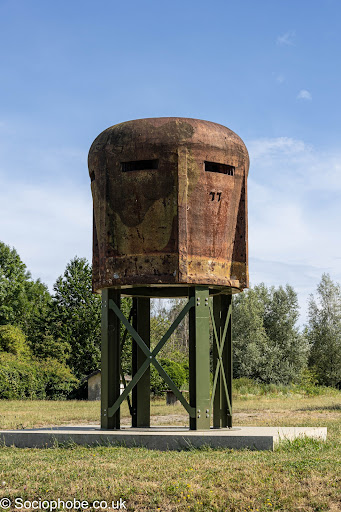
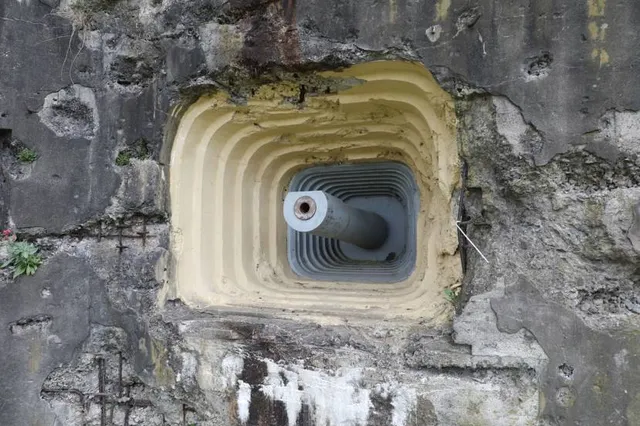
Fort Eben-Emael is an inactive Belgian fortress located between Liège and Maastricht, on the Belgian-Dutch border, near the Albert Canal, outside the village of Ében-Émael. It was designed to defend Belgium from a German attack across the narrow belt of Dutch territory in the region.
Nearby attractions
Nearby restaurants
Nearby hotels
Villa Bayard
Rue de la Vallée 89, 4690 Bassenge, Belgium
B&B La Villa Orchidées
All. des Orchidées 3, 4690 Bassenge, Belgium
Hostellerie Marie
Rue l'Aumont 10, 4690 Bassenge, Belgium
Related posts
Keywords
Fort Eben-Emael tourism.Fort Eben-Emael hotels.Fort Eben-Emael bed and breakfast. flights to Fort Eben-Emael.Fort Eben-Emael attractions.Fort Eben-Emael restaurants.Fort Eben-Emael travel.Fort Eben-Emael travel guide.Fort Eben-Emael travel blog.Fort Eben-Emael pictures.Fort Eben-Emael photos.Fort Eben-Emael travel tips.Fort Eben-Emael maps.Fort Eben-Emael things to do.
Fort Eben-Emael things to do, attractions, restaurants, events info and trip planning
Fort Eben-Emael
BelgiumLiègeBassengeFort Eben-Emael

Basic Info

Fort Eben-Emael

Rue du Fort 40, 4690 Liège, Belgium
4.6(2.1K)
Open 24 hours
Save
spot

Ratings & Description

Info

Fort Eben-Emael is an inactive Belgian fortress located between Liège and Maastricht, on the Belgian-Dutch border, near the Albert Canal, outside the village of Ében-Émael. It was designed to defend Belgium from a German attack across the narrow belt of Dutch territory in the region.

Cultural
Outdoor
Accessibility
attractions: , restaurants:
logoLearn more insights from Wanderboat AI.
Phone
+32 4 286 28 61
Website
fort-eben-emael.be

Plan your stay

hotel
Pet-friendly Hotels in Bassenge
Find a cozy hotel nearby and make it a full experience.
hotel
Affordable Hotels in Bassenge
Find a cozy hotel nearby and make it a full experience.
hotel
The Coolest Hotels You Haven't Heard Of (Yet)
Find a cozy hotel nearby and make it a full experience.
hotel
Trending Stays Worth the Hype in Bassenge
Find a cozy hotel nearby and make it a full experience.

Reviews

Things to do nearby

Van Gogh : L’expérience Immersive
Sat, Dec 6 • 10:00 AM
Rue St Pholien 9, 4020 Liège, Belgium, 4020
View details
Candlelight: Het beste van Ludovico Einaudi
Sun, Dec 7 • 6:00 PM
Veldstraat 20, Maastricht, 6227 SZ
View details
Paarzeit Schatzsuche: Mission Aachen
Sat, Dec 6 • 9:00 AM
Friedrich-Wilhelm-Platz 5-6, Aachen, 52062
View details
Get the Appoverlay
Get the AppOne tap to find yournext favorite spots!
Wanderboat LogoWanderboat

Your everyday Al companion for getaway ideas

CompanyAbout Us
InformationAI Trip PlannerSitemap
SocialXInstagramTiktokLinkedin
LegalTerms of ServicePrivacy Policy

Get the app

© 2025 Wanderboat. All rights reserved.
logo

Reviews of Fort Eben-Emael

4.6
(2,124)
avatar
5.0
7y

First things first. After crossing the entire Eben-Emael village at the rural speed of 50km/h, you will be met with spacious gravel parking lot. While spacious, it was full by the time we left (around 3:45) so be sure to check in early. Another word of advice: bring cash. Whilst I can’t speak for the shop and cafeteria, the entrance definitely doesn’t accept debit or credits cards. Entrance is EUR 8,- for adults, and a complementary map of the domain can be purchased for EUR 2,-. Quick note, the entirety of the military domain seems free to access if you fancy a hike up the massive hill.

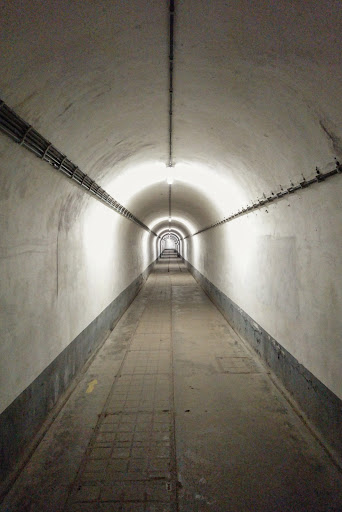
The fort is pretty unassuming, especially if you visit without looking it up first. You are welcome with ageing displays (in a pretty bad shape) that will leave you with a pretty bad first impression. The beginning of the visit is interesting as you have to explore the massive first tunnel without any clear indication. You are then however met with the most welcoming and passionate staff that will be quick to point you to the right direction. The guided-tour can be undertaken in French, Dutch, German and English. As far as we could tell, at least the French, Dutch and German tour guides seem to be native speakers.

The tour starts with a really nice military-style briefing in a projection room. The whole thing is really immersive and will help you situate the fort in history and politics from the 1800s. A really nice addition to the tour. Whilst not that old, you will be presented with original light fixtures from the 30’s; a real feat considering the age of those light bulbs. They are important since you have to consider that the fort used to be lit up that way before those nice fancy neon lights we have nowadays. A crappy light bulb every 40m, can you imagine?

You will then proceed to visit two more floors of the fort with your guide, going through a dazing maze of underground tunnels, going through commanding rooms, radio rooms, posts of operation,… We got lucky enough to visit the phone room open with a technician that was maintaining it. Exploring an original phone terminal from the 30’s is pretty impressive. Our tour guide really did know his business and was very thorough. Whilst fast, he allowed time for pictures and questions. The visit is really interactive, a bit like a lesson with open questions. The tour guide will really help you put everything in perspective; how hard life really was for those soldiers.

You will visit fortified baracks that seem untouched, with restored cannons. However, when the hallways start going downhill and the walls seem to be getting darker is when you’ll probably be left aghast. Visiting Maastricht I will leave you with a real impression of how destructive those new shaped charges were.

Eben-Emael is a really good place to visit, with competent staff and loads of content and emotions to digest. I would really recommend to anyone, even if they’re not particularly interested in WWII. The whole thing took us roughly 4hrs (without walking visiting the hill-top), so be sure to have a clear schedule before visiting.

♿ — Whilst most of the visit is accessible to people in wheelchairs and an elevator (in lieu of the original freight lift), please bear in mind that the access to the cannons and more intricate places of the fort won’t be visible if you are not able to walk at all, or even if you can but with some difficulty. Those parts of the visit involve narrow staircases and confined spaces.

🚸 — Whilst it seems rather ok to visit with kids, our tour guide mentioned a few incidents with children. One involved a child almost falling 20m through a ventilation shaft, and another one where a child apparently got his finger chopped off by releasing a cannon mechanism. The shaft is now protected a bit better, and the cannon mechanisms in questions locked in place.

10/10, would visit...

   Read more

avatar
5.0
20w

After breakfast we collected the car and drove to Eben Emael, a Belgian fort built in the 1930s that was captured in a spectacular assault by German glider troops in 1940. We had a 2 hour tour of the fort (cost 68 Euros for the 4 of us), led by Sven, that was very interesting. The fort was designed in the most modern way but everything seemed to be based on keeping the enemy at a distance. German innovations in demolitions meant the hollow charge weapons could penetrate the turrets of the fort and within about 30 minutes of landing, most of the observation points and weapons were disabled. The guide explained about the Belgian troops that lost their lives in each position of the fort, mostly conscripts and some as young as 19.

The scale of the fort was vast, far larger than I expected and there were 5km of tunnels with electric lights, gas doors on the corridors, ventilators, and everything needed for the 1200 strong garrison to function. The Germans managed to capture it with 72 men as once the guns were disabled the fort served no purpose and the Germans were already able to cross the Albert Canal and Meuse bridges that the fort was built to defend. There were options to do other specific tours to the revolving cupola and the plateau where the gliders landed so I think we'll do that on...

   Read more
avatar
5.0
2y

𝗘𝗯𝗲𝗻 𝗘𝗺𝗮𝗲𝗹 𝘁𝘄𝗶𝗲𝗿𝗱𝘇𝗮 𝗻𝗶𝗲 𝗱𝗼 𝘇𝗱𝗼𝗯𝘆𝗰𝗶𝗮? 10 maja 1940 r. o godzinie 4:30 nad ranem z lotniska Luftwaffe pod Kolonią w czterech grupach wystartowały niemieckie Junkersy Ju 52 z dziesięcioma szybowcami DFS 230. 83 świetnie wyszkolonych niemieckich spadochroniarzy z grupy szturmowej "Granit" dowodzeni przez Rudolfa Witziga mieli zaatakować najtrudniejszą do zdobycia fortecę w Europie.Wtopiony w skalisty brzeg Kanału Alberta Fort Eben-Emael miał ogromne znaczenie militarne i strategiczne. Fort został zbudowany w latach 1932-1935 w pobliżu granicy belgijsko - holenderskiej niedaleko miast Liege i Maastricht. Zbudowano twierdzę tak potężną, że jej zdobycie wydawało się niemożliwe przez konwencjonalne siły naziemne. Z północy na południe fort miał 900 metrów długości, a ze wschodu na zachód 700 metrów. Wschodni bok najbardziej narażony na atak biegł wzdłuż Kanału Alberta. Chcąc go przekroczyć, napastnicy najpierw mieliby do pokonania przeszkodę wodną o szerokości 40 metrów, a następnie wspiąć się na niemal pionową ścianę o wysokości prawie 50 metrów. Gdyby wróg zaatakował z innej strony, zostałby zatrzymany przez rowy przeciwczołgowe, bunkry z karabinami maszynowymi i działkami przeciwpancernymi oraz pola minowe. W forcie znajdowały się działa 75mm, karabiny maszynowe, działa przeciwpancerne i przeciwlotnicze oraz główna kopuła z działami 120 mm. Podczas ataku bombowego kopuły opuszczały się zrównując się z gruntem, były przez to niezniszczalne. Ich pociski były w stanie razić cele odległe o 12 km. Fort był praktycznie samowystarczalny, ponieważ mieścił koszary, izby chorych i centrum komunikacyjne. Kompleks tuneli został zbudowany z systemem wentylacji wraz z filtrami na wypadek ataku trującego gazu. Jednak Eben-Emael miał jedną główną słabość. Był podatny na atak z powietrza. Niemieckie naczelne dowództwo wiedziało, że atak spadochroniarzy prawdopodobnie nie zakończy się sukcesem, ponieważ zaalarmowani odgłosem samolotów transportowych obrońcy będą mieć dużo czasu na reakcję. Zdecydowali się na użycie szybowców które zwolnione z holu 30km przed celem, bezgłośnie w ciemności zaskoczyłyby obrońców twierdzy.80 spadochroniarzy miało zdobyć twierdzę bronioną przez 780 żołnierzy. O godzinie 5:25 10 maja 1940 r., niemieckie szybowce dotarły do Eben-Emael, kompletnie zaskakując obrońców twierdzy. Na miejsce nie dotarł dowodzący niemieckimi spadochroniarzami Witzig, którego szybowiec został zbyt wcześnie zwolniony z holu i nie osiągnął celu. W tym samym czasie 400 niemieckich spadochroniarzy zaatakowało 3 mosty na Kanale Alberta. Kluczem do skutecznego pokonania umocnień fortu byłoby zniszczenie fortyfikacji w ciągu pierwszej godziny, gdy Belgowie byli zdezorientowani. Niemcy do zniszczenia dział zastosowali nowy rodzaj ładunków wybuchowych jakimi były ładunki kumulacyjne, które po detonacji wydzielały strumień gazu o ciśnieniu 20.000 atmosfer i były w stanie przebić się przez 20-25cm stali i 35cm betonu. W ciągu 20 minut od wylądowania skutecznie zniszczono nimi większość dział oraz stalowe drzwi wejściowe. W miarę upływu czasu belgijscy obrońcy twierdzy doszli do siebie po zaskakującym ataku. Drogą radiową poproszono pobliskie forty - Fort Pontisse i Fort Barchon, o ostrzał artyleryjski, ale ten okazał się bezużyteczny, ponieważ niemieccy żołnierze znaleźli osłonę w zdobytych już bunkrach. Walki trwały do południa 11 maja 1940 r. Postrzał obronny był niemożliwy z powodu zneutralizowania posterunków obserwacyjnych. Obrońcy zarządzili zawieszenie broni i twierdza poddała się. Fort został zajęty przez wroga. Niemcy ponieśli w tej walce straty wielkości 6 zabitych i 15 rannych, Belgowie 23 zabitych...

   Read more
Page 1 of 7
Previous
Next

Posts

Grégory S. RoriveGrégory S. Rorive
First things first. After crossing the entire Eben-Emael village at the rural speed of 50km/h, you will be met with spacious gravel parking lot. While spacious, it was full by the time we left (around 3:45) so be sure to check in early. Another word of advice: bring cash. Whilst I can’t speak for the shop and cafeteria, the entrance definitely doesn’t accept debit or credits cards. Entrance is EUR 8,- for adults, and a complementary map of the domain can be purchased for EUR 2,-. Quick note, the entirety of the military domain seems free to access if you fancy a hike up the massive hill. The fort is pretty unassuming, especially if you visit without looking it up first. You are welcome with ageing displays (in a pretty bad shape) that will leave you with a pretty bad first impression. The beginning of the visit is interesting as you have to explore the massive first tunnel without any clear indication. You are then however met with the most welcoming and passionate staff that will be quick to point you to the right direction. The guided-tour can be undertaken in French, Dutch, German and English. As far as we could tell, at least the French, Dutch and German tour guides seem to be native speakers. The tour starts with a really nice military-style briefing in a projection room. The whole thing is really immersive and will help you situate the fort in history and politics from the 1800s. A really nice addition to the tour. Whilst not that old, you will be presented with original light fixtures from the 30’s; a real feat considering the age of those light bulbs. They are important since you have to consider that the fort used to be lit up that way before those nice fancy neon lights we have nowadays. A crappy light bulb every 40m, can you imagine? You will then proceed to visit two more floors of the fort with your guide, going through a dazing maze of underground tunnels, going through commanding rooms, radio rooms, posts of operation,… We got lucky enough to visit the phone room open with a technician that was maintaining it. Exploring an original phone terminal from the 30’s is pretty impressive. Our tour guide really did know his business and was very thorough. Whilst fast, he allowed time for pictures and questions. The visit is really interactive, a bit like a lesson with open questions. The tour guide will really help you put everything in perspective; how hard life really was for those soldiers. You will visit fortified baracks that seem untouched, with restored cannons. However, when the hallways start going downhill and the walls seem to be getting darker is when you’ll probably be left aghast. Visiting Maastricht I will leave you with a real impression of how destructive those new shaped charges were. Eben-Emael is a really good place to visit, with competent staff and loads of content and emotions to digest. I would really recommend to anyone, even if they’re not particularly interested in WWII. The whole thing took us roughly 4hrs (without walking visiting the hill-top), so be sure to have a clear schedule before visiting. ♿ — Whilst most of the visit is accessible to people in wheelchairs and an elevator (in lieu of the original freight lift), please bear in mind that the access to the cannons and more intricate places of the fort won’t be visible if you are not able to walk at all, or even if you can but with some difficulty. Those parts of the visit involve narrow staircases and confined spaces. 🚸 — Whilst it seems rather ok to visit with kids, our tour guide mentioned a few incidents with children. One involved a child almost falling 20m through a ventilation shaft, and another one where a child apparently got his finger chopped off by releasing a cannon mechanism. The shaft is now protected a bit better, and the cannon mechanisms in questions locked in place. 10/10, would visit again (honestly).
Marcus HurleyMarcus Hurley
After breakfast we collected the car and drove to Eben Emael, a Belgian fort built in the 1930s that was captured in a spectacular assault by German glider troops in 1940. We had a 2 hour tour of the fort (cost 68 Euros for the 4 of us), led by Sven, that was very interesting. The fort was designed in the most modern way but everything seemed to be based on keeping the enemy at a distance. German innovations in demolitions meant the hollow charge weapons could penetrate the turrets of the fort and within about 30 minutes of landing, most of the observation points and weapons were disabled. The guide explained about the Belgian troops that lost their lives in each position of the fort, mostly conscripts and some as young as 19. The scale of the fort was vast, far larger than I expected and there were 5km of tunnels with electric lights, gas doors on the corridors, ventilators, and everything needed for the 1200 strong garrison to function. The Germans managed to capture it with 72 men as once the guns were disabled the fort served no purpose and the Germans were already able to cross the Albert Canal and Meuse bridges that the fort was built to defend. There were options to do other specific tours to the revolving cupola and the plateau where the gliders landed so I think we'll do that on another visit.
W Drodze On the WayW Drodze On the Way
𝗘𝗯𝗲𝗻 𝗘𝗺𝗮𝗲𝗹 𝘁𝘄𝗶𝗲𝗿𝗱𝘇𝗮 𝗻𝗶𝗲 𝗱𝗼 𝘇𝗱𝗼𝗯𝘆𝗰𝗶𝗮? 10 maja 1940 r. o godzinie 4:30 nad ranem z lotniska Luftwaffe pod Kolonią w czterech grupach wystartowały niemieckie Junkersy Ju 52 z dziesięcioma szybowcami DFS 230. 83 świetnie wyszkolonych niemieckich spadochroniarzy z grupy szturmowej "Granit" dowodzeni przez Rudolfa Witziga mieli zaatakować najtrudniejszą do zdobycia fortecę w Europie.Wtopiony w skalisty brzeg Kanału Alberta Fort Eben-Emael miał ogromne znaczenie militarne i strategiczne. Fort został zbudowany w latach 1932-1935 w pobliżu granicy belgijsko - holenderskiej niedaleko miast Liege i Maastricht. Zbudowano twierdzę tak potężną, że jej zdobycie wydawało się niemożliwe przez konwencjonalne siły naziemne. Z północy na południe fort miał 900 metrów długości, a ze wschodu na zachód 700 metrów. Wschodni bok najbardziej narażony na atak biegł wzdłuż Kanału Alberta. Chcąc go przekroczyć, napastnicy najpierw mieliby do pokonania przeszkodę wodną o szerokości 40 metrów, a następnie wspiąć się na niemal pionową ścianę o wysokości prawie 50 metrów. Gdyby wróg zaatakował z innej strony, zostałby zatrzymany przez rowy przeciwczołgowe, bunkry z karabinami maszynowymi i działkami przeciwpancernymi oraz pola minowe. W forcie znajdowały się działa 75mm, karabiny maszynowe, działa przeciwpancerne i przeciwlotnicze oraz główna kopuła z działami 120 mm. Podczas ataku bombowego kopuły opuszczały się zrównując się z gruntem, były przez to niezniszczalne. Ich pociski były w stanie razić cele odległe o 12 km. Fort był praktycznie samowystarczalny, ponieważ mieścił koszary, izby chorych i centrum komunikacyjne. Kompleks tuneli został zbudowany z systemem wentylacji wraz z filtrami na wypadek ataku trującego gazu. Jednak Eben-Emael miał jedną główną słabość. Był podatny na atak z powietrza. Niemieckie naczelne dowództwo wiedziało, że atak spadochroniarzy prawdopodobnie nie zakończy się sukcesem, ponieważ zaalarmowani odgłosem samolotów transportowych obrońcy będą mieć dużo czasu na reakcję. Zdecydowali się na użycie szybowców które zwolnione z holu 30km przed celem, bezgłośnie w ciemności zaskoczyłyby obrońców twierdzy.80 spadochroniarzy miało zdobyć twierdzę bronioną przez 780 żołnierzy. O godzinie 5:25 10 maja 1940 r., niemieckie szybowce dotarły do Eben-Emael, kompletnie zaskakując obrońców twierdzy. Na miejsce nie dotarł dowodzący niemieckimi spadochroniarzami Witzig, którego szybowiec został zbyt wcześnie zwolniony z holu i nie osiągnął celu. W tym samym czasie 400 niemieckich spadochroniarzy zaatakowało 3 mosty na Kanale Alberta. Kluczem do skutecznego pokonania umocnień fortu byłoby zniszczenie fortyfikacji w ciągu pierwszej godziny, gdy Belgowie byli zdezorientowani. Niemcy do zniszczenia dział zastosowali nowy rodzaj ładunków wybuchowych jakimi były ładunki kumulacyjne, które po detonacji wydzielały strumień gazu o ciśnieniu 20.000 atmosfer i były w stanie przebić się przez 20-25cm stali i 35cm betonu. W ciągu 20 minut od wylądowania skutecznie zniszczono nimi większość dział oraz stalowe drzwi wejściowe. W miarę upływu czasu belgijscy obrońcy twierdzy doszli do siebie po zaskakującym ataku. Drogą radiową poproszono pobliskie forty - Fort Pontisse i Fort Barchon, o ostrzał artyleryjski, ale ten okazał się bezużyteczny, ponieważ niemieccy żołnierze znaleźli osłonę w zdobytych już bunkrach. Walki trwały do południa 11 maja 1940 r. Postrzał obronny był niemożliwy z powodu zneutralizowania posterunków obserwacyjnych. Obrońcy zarządzili zawieszenie broni i twierdza poddała się. Fort został zajęty przez wroga. Niemcy ponieśli w tej walce straty wielkości 6 zabitych i 15 rannych, Belgowie 23 zabitych i 59 rannych.
See more posts
See more posts
hotel
Find your stay

Pet-friendly Hotels in Bassenge

Find a cozy hotel nearby and make it a full experience.

First things first. After crossing the entire Eben-Emael village at the rural speed of 50km/h, you will be met with spacious gravel parking lot. While spacious, it was full by the time we left (around 3:45) so be sure to check in early. Another word of advice: bring cash. Whilst I can’t speak for the shop and cafeteria, the entrance definitely doesn’t accept debit or credits cards. Entrance is EUR 8,- for adults, and a complementary map of the domain can be purchased for EUR 2,-. Quick note, the entirety of the military domain seems free to access if you fancy a hike up the massive hill. The fort is pretty unassuming, especially if you visit without looking it up first. You are welcome with ageing displays (in a pretty bad shape) that will leave you with a pretty bad first impression. The beginning of the visit is interesting as you have to explore the massive first tunnel without any clear indication. You are then however met with the most welcoming and passionate staff that will be quick to point you to the right direction. The guided-tour can be undertaken in French, Dutch, German and English. As far as we could tell, at least the French, Dutch and German tour guides seem to be native speakers. The tour starts with a really nice military-style briefing in a projection room. The whole thing is really immersive and will help you situate the fort in history and politics from the 1800s. A really nice addition to the tour. Whilst not that old, you will be presented with original light fixtures from the 30’s; a real feat considering the age of those light bulbs. They are important since you have to consider that the fort used to be lit up that way before those nice fancy neon lights we have nowadays. A crappy light bulb every 40m, can you imagine? You will then proceed to visit two more floors of the fort with your guide, going through a dazing maze of underground tunnels, going through commanding rooms, radio rooms, posts of operation,… We got lucky enough to visit the phone room open with a technician that was maintaining it. Exploring an original phone terminal from the 30’s is pretty impressive. Our tour guide really did know his business and was very thorough. Whilst fast, he allowed time for pictures and questions. The visit is really interactive, a bit like a lesson with open questions. The tour guide will really help you put everything in perspective; how hard life really was for those soldiers. You will visit fortified baracks that seem untouched, with restored cannons. However, when the hallways start going downhill and the walls seem to be getting darker is when you’ll probably be left aghast. Visiting Maastricht I will leave you with a real impression of how destructive those new shaped charges were. Eben-Emael is a really good place to visit, with competent staff and loads of content and emotions to digest. I would really recommend to anyone, even if they’re not particularly interested in WWII. The whole thing took us roughly 4hrs (without walking visiting the hill-top), so be sure to have a clear schedule before visiting. ♿ — Whilst most of the visit is accessible to people in wheelchairs and an elevator (in lieu of the original freight lift), please bear in mind that the access to the cannons and more intricate places of the fort won’t be visible if you are not able to walk at all, or even if you can but with some difficulty. Those parts of the visit involve narrow staircases and confined spaces. 🚸 — Whilst it seems rather ok to visit with kids, our tour guide mentioned a few incidents with children. One involved a child almost falling 20m through a ventilation shaft, and another one where a child apparently got his finger chopped off by releasing a cannon mechanism. The shaft is now protected a bit better, and the cannon mechanisms in questions locked in place. 10/10, would visit again (honestly).
Grégory S. Rorive

Grégory S. Rorive

hotel
Find your stay

Affordable Hotels in Bassenge

Find a cozy hotel nearby and make it a full experience.

Get the Appoverlay
Get the AppOne tap to find yournext favorite spots!
After breakfast we collected the car and drove to Eben Emael, a Belgian fort built in the 1930s that was captured in a spectacular assault by German glider troops in 1940. We had a 2 hour tour of the fort (cost 68 Euros for the 4 of us), led by Sven, that was very interesting. The fort was designed in the most modern way but everything seemed to be based on keeping the enemy at a distance. German innovations in demolitions meant the hollow charge weapons could penetrate the turrets of the fort and within about 30 minutes of landing, most of the observation points and weapons were disabled. The guide explained about the Belgian troops that lost their lives in each position of the fort, mostly conscripts and some as young as 19. The scale of the fort was vast, far larger than I expected and there were 5km of tunnels with electric lights, gas doors on the corridors, ventilators, and everything needed for the 1200 strong garrison to function. The Germans managed to capture it with 72 men as once the guns were disabled the fort served no purpose and the Germans were already able to cross the Albert Canal and Meuse bridges that the fort was built to defend. There were options to do other specific tours to the revolving cupola and the plateau where the gliders landed so I think we'll do that on another visit.
Marcus Hurley

Marcus Hurley

hotel
Find your stay

The Coolest Hotels You Haven't Heard Of (Yet)

Find a cozy hotel nearby and make it a full experience.

hotel
Find your stay

Trending Stays Worth the Hype in Bassenge

Find a cozy hotel nearby and make it a full experience.

𝗘𝗯𝗲𝗻 𝗘𝗺𝗮𝗲𝗹 𝘁𝘄𝗶𝗲𝗿𝗱𝘇𝗮 𝗻𝗶𝗲 𝗱𝗼 𝘇𝗱𝗼𝗯𝘆𝗰𝗶𝗮? 10 maja 1940 r. o godzinie 4:30 nad ranem z lotniska Luftwaffe pod Kolonią w czterech grupach wystartowały niemieckie Junkersy Ju 52 z dziesięcioma szybowcami DFS 230. 83 świetnie wyszkolonych niemieckich spadochroniarzy z grupy szturmowej "Granit" dowodzeni przez Rudolfa Witziga mieli zaatakować najtrudniejszą do zdobycia fortecę w Europie.Wtopiony w skalisty brzeg Kanału Alberta Fort Eben-Emael miał ogromne znaczenie militarne i strategiczne. Fort został zbudowany w latach 1932-1935 w pobliżu granicy belgijsko - holenderskiej niedaleko miast Liege i Maastricht. Zbudowano twierdzę tak potężną, że jej zdobycie wydawało się niemożliwe przez konwencjonalne siły naziemne. Z północy na południe fort miał 900 metrów długości, a ze wschodu na zachód 700 metrów. Wschodni bok najbardziej narażony na atak biegł wzdłuż Kanału Alberta. Chcąc go przekroczyć, napastnicy najpierw mieliby do pokonania przeszkodę wodną o szerokości 40 metrów, a następnie wspiąć się na niemal pionową ścianę o wysokości prawie 50 metrów. Gdyby wróg zaatakował z innej strony, zostałby zatrzymany przez rowy przeciwczołgowe, bunkry z karabinami maszynowymi i działkami przeciwpancernymi oraz pola minowe. W forcie znajdowały się działa 75mm, karabiny maszynowe, działa przeciwpancerne i przeciwlotnicze oraz główna kopuła z działami 120 mm. Podczas ataku bombowego kopuły opuszczały się zrównując się z gruntem, były przez to niezniszczalne. Ich pociski były w stanie razić cele odległe o 12 km. Fort był praktycznie samowystarczalny, ponieważ mieścił koszary, izby chorych i centrum komunikacyjne. Kompleks tuneli został zbudowany z systemem wentylacji wraz z filtrami na wypadek ataku trującego gazu. Jednak Eben-Emael miał jedną główną słabość. Był podatny na atak z powietrza. Niemieckie naczelne dowództwo wiedziało, że atak spadochroniarzy prawdopodobnie nie zakończy się sukcesem, ponieważ zaalarmowani odgłosem samolotów transportowych obrońcy będą mieć dużo czasu na reakcję. Zdecydowali się na użycie szybowców które zwolnione z holu 30km przed celem, bezgłośnie w ciemności zaskoczyłyby obrońców twierdzy.80 spadochroniarzy miało zdobyć twierdzę bronioną przez 780 żołnierzy. O godzinie 5:25 10 maja 1940 r., niemieckie szybowce dotarły do Eben-Emael, kompletnie zaskakując obrońców twierdzy. Na miejsce nie dotarł dowodzący niemieckimi spadochroniarzami Witzig, którego szybowiec został zbyt wcześnie zwolniony z holu i nie osiągnął celu. W tym samym czasie 400 niemieckich spadochroniarzy zaatakowało 3 mosty na Kanale Alberta. Kluczem do skutecznego pokonania umocnień fortu byłoby zniszczenie fortyfikacji w ciągu pierwszej godziny, gdy Belgowie byli zdezorientowani. Niemcy do zniszczenia dział zastosowali nowy rodzaj ładunków wybuchowych jakimi były ładunki kumulacyjne, które po detonacji wydzielały strumień gazu o ciśnieniu 20.000 atmosfer i były w stanie przebić się przez 20-25cm stali i 35cm betonu. W ciągu 20 minut od wylądowania skutecznie zniszczono nimi większość dział oraz stalowe drzwi wejściowe. W miarę upływu czasu belgijscy obrońcy twierdzy doszli do siebie po zaskakującym ataku. Drogą radiową poproszono pobliskie forty - Fort Pontisse i Fort Barchon, o ostrzał artyleryjski, ale ten okazał się bezużyteczny, ponieważ niemieccy żołnierze znaleźli osłonę w zdobytych już bunkrach. Walki trwały do południa 11 maja 1940 r. Postrzał obronny był niemożliwy z powodu zneutralizowania posterunków obserwacyjnych. Obrońcy zarządzili zawieszenie broni i twierdza poddała się. Fort został zajęty przez wroga. Niemcy ponieśli w tej walce straty wielkości 6 zabitych i 15 rannych, Belgowie 23 zabitych i 59 rannych.
W Drodze On the Way

W Drodze On the Way

See more posts
See more posts